Looking for reliable customized engineering solutions? Turn hardware concepts into market-ready products with Precintl’s expert OEM and ODM manufacturing support. Contact us today to start your project!
Hardware brands waste millions trying to force standard off-the-shelf parts into proprietary product visions. You hit space constraints, thermal failures, or run into manufacturing bottlenecks because the original design never accounted for mass production realities. Off-the-shelf components work well for hobbyists, but scaling a commercial product requires customized engineering solutions tailored to your exact performance, budget, and supply chain requirements. Precintl bridges this gap by merging industrial design with hard-nosed manufacturing logic. We build products meant to be manufactured.
What Are Customized Engineering Solutions?
Hardware startups and established brands often mistake industrial design for engineering. A beautiful render means nothing if the factory cannot tool the molds or source the microcontrollers at scale.
Customized Engineering Solutions vs. Standard Engineering Services
Standard engineering relies on existing IP blocks, catalog components, and predefined enclosures. You adapt your product to fit what the factory already makes. Custom engineering solutions flip the script. You define the hardware parameters—dimensions, material stress requirements, waterproof ratings, power consumption—and engineers build the internal architecture to meet those specific demands.
When Does a Product Need Custom Engineering?
You need this approach when standard parts compromise your core value proposition. If your wearable device requires a custom battery shape to fit a curved human wrist, you cannot buy a standard lithium-ion pouch off a shelf. You need custom battery engineering, bespoke PCB layout, and specific material selection engineering to ensure the casing dissipates heat without burning the user.
Actionable Tip: Before requesting quotes, define your “non-negotiable” product features. If these features require miniaturization, specialized ruggedization, or proprietary sensor integration, you need custom engineering immediately.
What Do Customized Engineering Solutions Include?
Taking a napkin sketch to mass production involves distinct, rigorous engineering phases. Missing any of these steps results in delayed launches and bloated budgets.
Product Concept and Engineering Design
This phase translates user needs into technical specifications. Teams determine the overall product architecture, establishing the physical space allocations for electronics, power sources, and moving parts. Finding a partner offering robust custom product design ensures the initial concept actually obeys the laws of physics.
Mechanical and Electrical Engineering
Here, the product splits into two parallel tracks. Mechanical engineering services focus on structural integrity, enclosures, thermal management, and moving mechanisms. Electrical engineering services handle the PCB layout, component sourcing, schematic capture, and power delivery networks. Both teams must collaborate tightly; a thicker PCB might force a complete redesign of the mechanical housing.
Prototyping and Proof of Concept
Paper specifications demand real-world proof. Engineers build early-stage prototypes using 3D printing (SLA/SLS) or rapid CNC machining. These “looks-like” and “works-like” models validate the assumptions made during the CAD phase.
Design for Manufacturing (DFM) and DFMA
This separates amateur designs from commercial products. Design for manufacturability (DFM) and DFMA engineering (Design for Manufacturing and Assembly) strip out unnecessary complexity. Engineers analyze draft angles for injection molding, consolidate parts to reduce assembly time, and swap custom screws for standardized hardware.
Product Testing and Engineering Validation
Engineers subject prototypes to drop tests, thermal cycling, IP-rating water ingress tests, and EMI/EMC scans. Engineering validation guarantees the product survives shipping, user abuse, and regulatory certification (CE, FCC, RoHS) before you commit to high-volume manufacturing.
The Custom Engineering Process From Concept to Production
A systematic approach prevents costly redesigns late in the development cycle.
Requirements Analysis and Technical Feasibility
Engineers tear down your product requirements document (PRD). They flag unrealistic expectations early—like asking for a high-drain device to run for a month on a coin-cell battery. This feasibility check saves you months of dead-end development.
CAD Design, Engineering Analysis and Material Selection
Using advanced software, teams generate 3D models and run simulations. CAD engineering services provide the blueprints, while Finite Element Analysis (FEA) simulates stress and impact. Material selection dictates whether you use standard ABS plastic, a fiberglass-reinforced nylon, or an aluminum alloy based on strength-to-weight ratio requirements.
Prototype Development and Design Verification
Teams move from digital models to physical objects. Prototype development happens in distinct stages: EVT (Engineering Verification Testing) to prove the core technology works, DVT (Design Verification Testing) to finalize the form and materials, and PVT (Production Verification Testing) to validate the assembly line itself.
Design Optimization for Manufacturing
Custom design engineering rarely survives its first encounter with a factory floor perfectly intact. Engineers tweak the tolerances, adjust tooling paths, and optimize cycle times. The goal is maximizing yield rate while minimizing scrap.
Production Launch and Engineering Support
The job does not end when the assembly line turns on. Technical engineering support remains active during the first production runs to solve unforeseen assembly issues, calibrate testing fixtures, and ensure the factory workers can assemble the product efficiently.
Related: Product Prototyping: Complete Guide to Developing and Manufacturing a Product
Benefits of Customized Engineering Solutions
Investing heavily in the engineering phase pays massive dividends during mass production.
Faster Product Development and Prototyping
Hiring a dedicated engineering solutions company prevents trial-and-error design. Experienced engineers use existing libraries of proven sub-assemblies and rapid prototyping services to iterate quickly, slashing time-to-market.
Better Product Performance and Reliability
Standardized enclosures often suffer from poor thermal management, leading to early electronic failure. Custom product development ensures every millimeter of the product serves a specific functional purpose, resulting in superior durability and battery life.
Manufacturing Cost and Production Optimization
Spending $10,000 on manufacturing process optimization upfront can save $100,000 in assembly labor and scrap over a 50,000-unit production run. Value engineering analyzes every component to see if a cheaper material or simpler geometry can achieve the same result.
Greater Design Flexibility and Scalability
You own the IP and control the supply chain. If you rely entirely on an off-the-shelf white-label product, the factory can discontinue it tomorrow. Custom engineering gives you the source files, allowing you to scale production across multiple facilities if needed.
Manufacturing Technologies Used in Custom Engineering
Different product requirements dictate entirely different manufacturing methods. Your engineering partner must design specifically for the chosen production technology.
CNC Machining and Metal Fabrication
Used for low-volume production runs, high-precision components, and creating the metal molds used in other processes. CNC milling and turning provide tight tolerances for aerospace, medical, and high-end consumer hardware.
Injection Molding and Plastic Manufacturing
The backbone of consumer hardware. Engineers must design parts with uniform wall thickness, proper draft angles, and strategic ribbing to prevent warping as the molten plastic cools.
PCB, Electronics and Embedded Systems
Electronic product development requires surface-mount technology (SMT) lines to place microscopic components onto bare boards. Engineers must design the PCB layer stack-up to handle signal integrity for high-speed data while managing heat dissipation for power components.
Assembly and Final Product Manufacturing
Box-build assembly brings the plastics, metals, and electronics together. Engineers design custom jigs and fixtures to help assembly line workers align parts perfectly, reducing manual errors and speeding up the production rate.
Industries That Use Custom Engineering Solutions
Hardware requirements shift violently depending on the end-user environment.
Consumer Electronics and Smart Devices
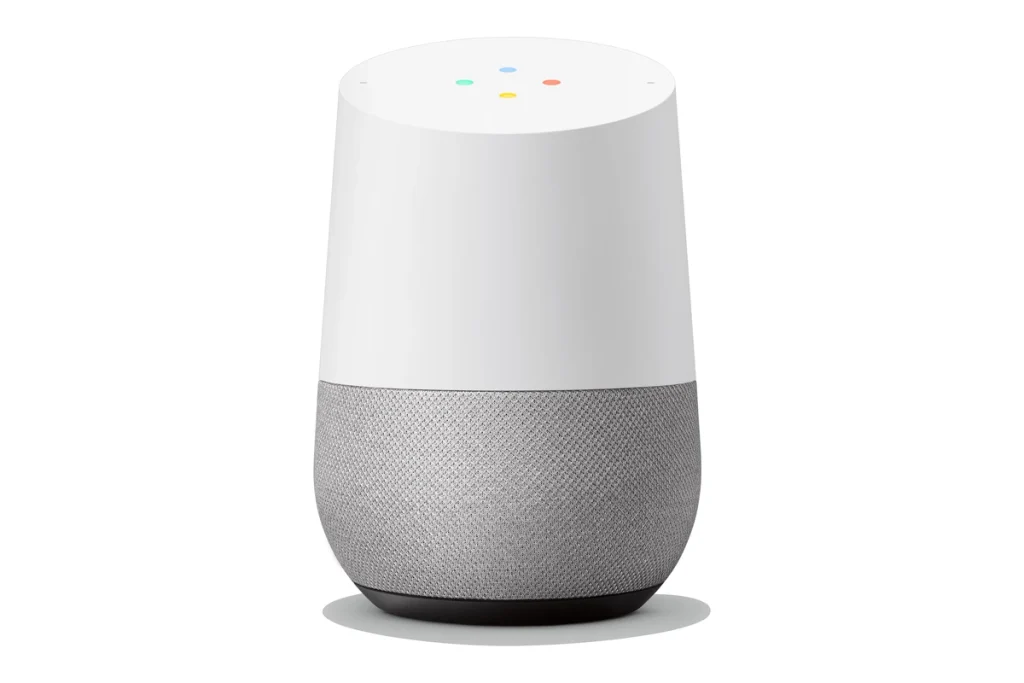
Aesthetics rule this space. Engineers must cram batteries, antennas, and logic boards into incredibly tight, visually appealing enclosures without blocking Wi-Fi signals or causing the device to overheat in a user’s pocket.
IoT and Connected Products
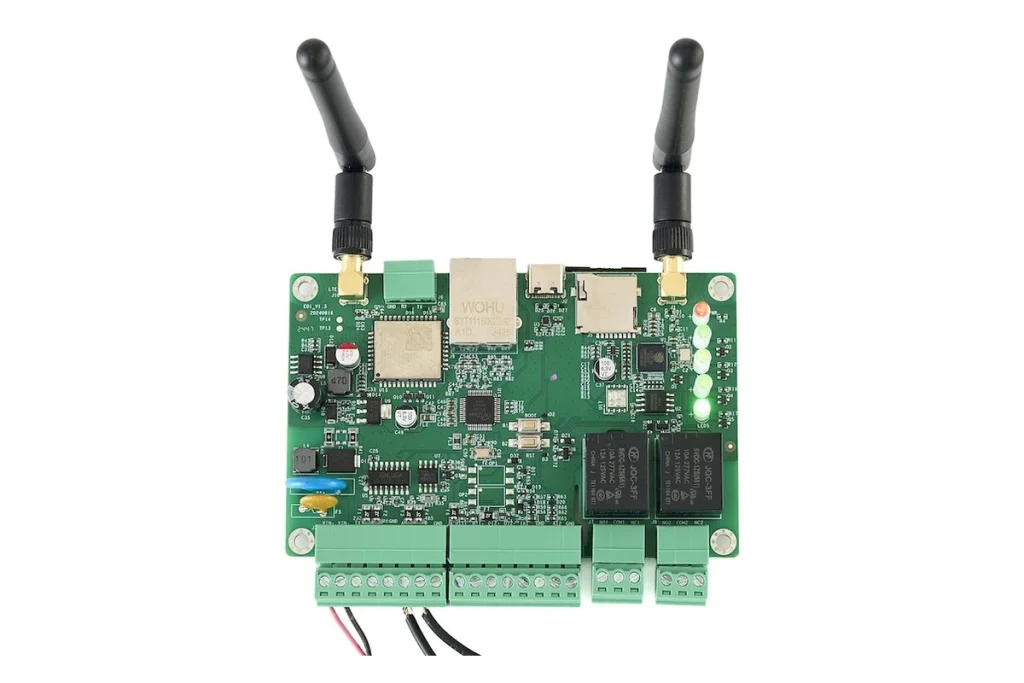
Power efficiency and connectivity are paramount. Hardware product development for IoT sensors often requires optimizing the firmware and hardware to run for years on a single battery while transmitting data via LoRa, NB-IoT, or Bluetooth Low Energy.
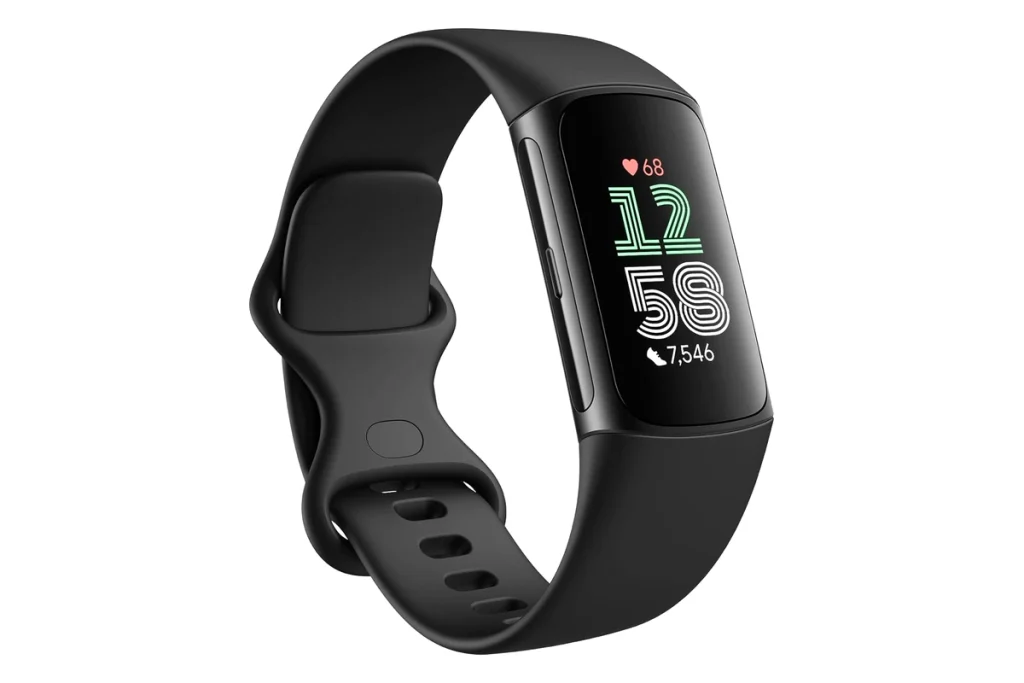
Wearable and Smart Products
These devices touch human skin. Material selection requires biocompatible plastics and silicones. The internal PCB must often flex, requiring rigid-flex circuit board design and custom battery architectures.
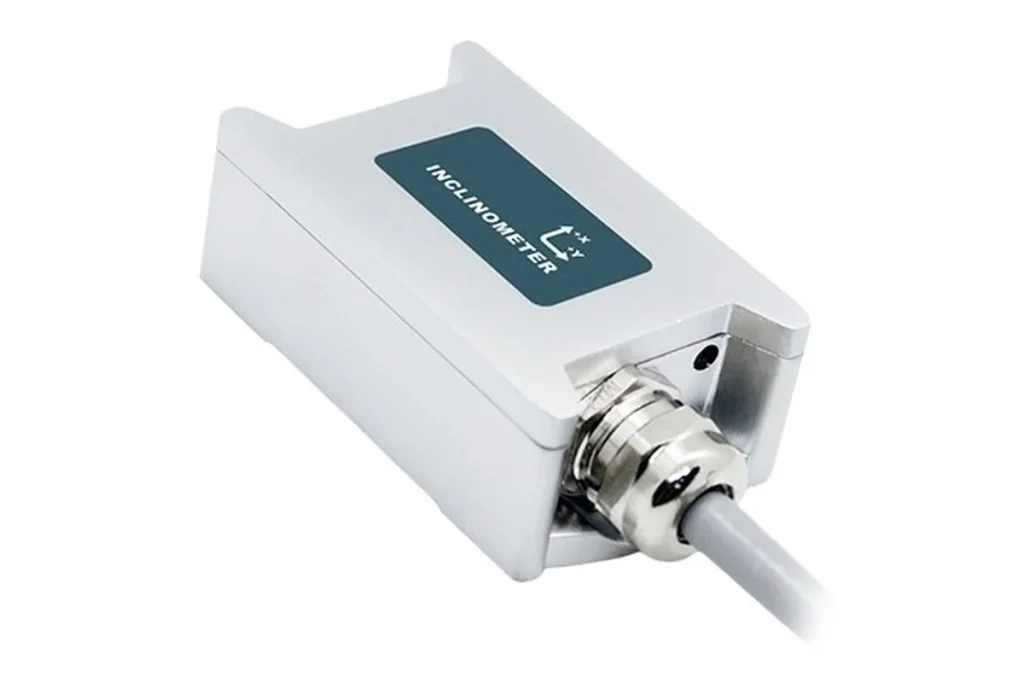
Industrial and Commercial Equipment
Forget aesthetics; these products need to survive. Engineering product design in this sector focuses on IP67/IP68 waterproofing, vibration resistance, and extreme temperature tolerance.
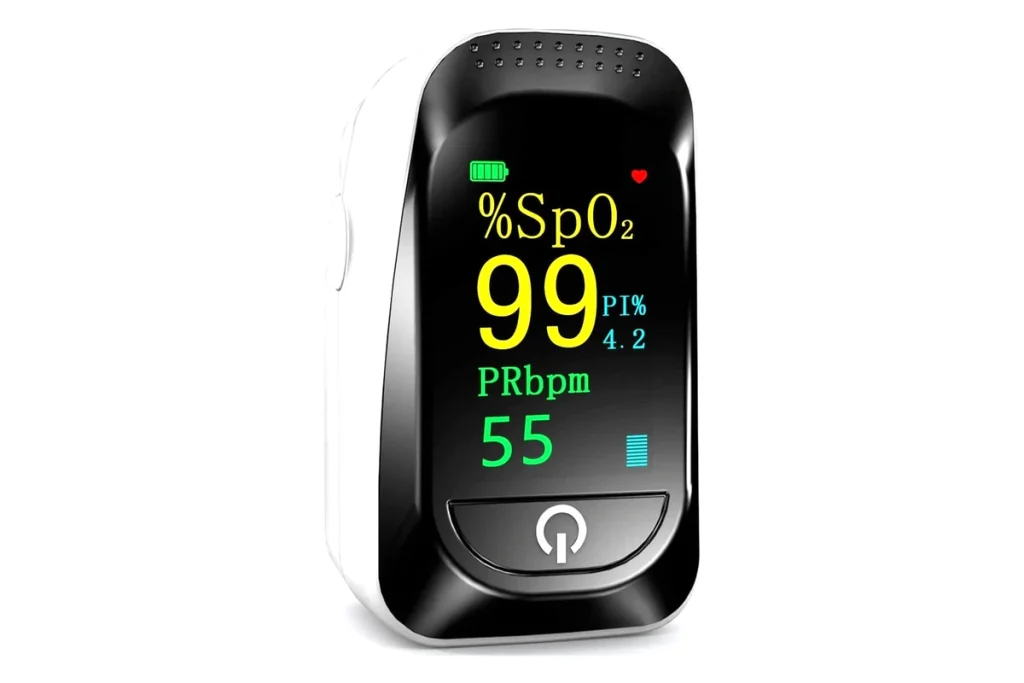
Other Specialized Hardware Products
Medical devices, automotive aftermarket parts, and specialized agricultural tech require strict adherence to regulatory standards, demanding exhaustive tolerance analysis and traceability during the engineering phase.
OEM vs. ODM for Customized Engineering Projects
Understanding the difference dictates how you approach your manufacturing strategy.
| Characteristic | OEM (Original Equipment Manufacturer) | ODM (Original Design Manufacturer) |
|---|---|---|
| Who Owns the IP? | You (The Brand) | The Manufacturer |
| Engineering Focus | DFM and production setup based on your exact design. | Customizing their existing product to fit your brand. |
| Time to Market | Slower (Building from scratch) | Faster (Modifying existing base) |
| Tooling Costs | High (You pay for all custom molds) | Low/Zero (Using existing molds) |
| Best For | Highly unique, proprietary inventions. | Fast-moving consumer goods, private labeling. |
When OEM Engineering Is the Right Approach
Choose OEM engineering services when your product’s physical design and internal architecture are your competitive advantage. You provide the detailed CAD files, and the manufacturer provides the design for manufacturing expertise to tool it up.
When ODM Engineering Is the Right Approach
Choose ODM product development when you want to get to market quickly. You leverage an ODM’s existing R&D. For example, you take their existing smart-plug architecture but ask them to design a new outer plastic shell to match your brand’s aesthetic.
Combining Custom Engineering With OEM/ODM Manufacturing
The most efficient route is finding a partner that handles both. You bring a rough concept, their engineering and manufacturing services finalize the custom design, and their OEM arm mass-produces it. This single point of accountability eliminates the blame game between your external design firm and the factory.
Related: OEM vs ODM Manufacturing: Which Is Right for Your Product?
How to Choose a Custom Engineering Partner
Selecting the wrong firm leads to products that look great in CAD but cost a fortune to manufacture.
Engineering and Manufacturing Capabilities
Do they just design, or do they build? A pure design agency will hand you beautiful files that a factory will reject. A true custom engineering partner understands exactly what their injection molding machines can handle.
Prototyping, Testing and Validation Resources
If they outsource all their prototyping, your iteration cycles will drag on for months. Look for partners with in-house 3D printing, CNC machining, and testing labs for environmental and drop testing.
Quality Management and Production Experience
Ask about their yield rates and quality control gates. ISO 9001 certification is the baseline, not the ceiling. They should have specific testing protocols like Automated Optical Inspection (AOI) for PCBs.
Supply Chain and Global Manufacturing Support
Engineering decisions rely on component availability. A firm with deep supply chain roots will not design your product around a microchip with a 52-week lead time. They handle the bill of materials (BOM) optimization seamlessly.
How Much Do Customized Engineering Solutions Cost?
Hardware development is capital intensive. Understanding the cost drivers prevents budget shock.
Key Factors That Affect Engineering Costs
The complexity of your PCBA, the need for wireless certifications, and the physical size of the product dictate the engineering hours required. Developing a simple Bluetooth tracker requires far fewer engineering services for product development than designing a motorized robotic vacuum.
Prototype, Tooling and Production Costs
Prototypes cost 10x to 100x more per unit than mass production. Steel tooling for injection molding can range from $5,000 for a simple part to over $100,000 for complex multi-cavity molds. Customized engineering services must focus on reducing these tooling costs by optimizing part geometries.
How Engineering Decisions Influence Total Product Cost
Adding a single custom-machined metal button instead of using a standard plastic injection-molded one might add $2.00 to your unit cost. Across 100,000 units, that one engineering decision costs you $200,000. Smart engineering minimizes custom parts where the user won’t notice them.
Customized Engineering Solutions by Precintl
Precintl provides end-to-end product development, bridging the treacherous gap between western brand requirements and Asian manufacturing realities.
From Product Concept to Production-Ready Hardware
We do not just hand you files. We provide engineering solutions for manufacturers, taking your raw idea through industrial design, mechanical engineering, electrical layout, and rigorous DFM.
Integrated Engineering, Prototyping and Manufacturing
Because our engineering team sits alongside our manufacturing team, feedback loops are instantaneous. If a mechanical engineer designs a part that is difficult to assemble, the factory floor manager flags it immediately, allowing for real-time adjustments before tooling begins.
Supporting OEM and ODM Product Development Worldwide
Whether you need strict contract manufacturing engineering to build your proprietary invention or want to leverage our ODM manufacturing services to quickly launch a branded device, Precintl provides the exact level of support your business model dictates.
Why Choose Precintl for Customized Engineering Solutions?
- 30 years of combined product development experience
- Engineering team members with 12+ years of NPI and mass-production experience
- In-house testing and product validation capabilities
- DFM/DFMA and NPI engineering support
- EVT, DVT and PVT development experience
- 2,000+ vetted suppliers across the manufacturing supply chain
- ISO 9001 quality management
- OEM and ODM manufacturing capabilities
- Shenzhen + Hong Kong operational support
- Global logistics and post-production support
FAQs About Customized Engineering Solutions
What are customized engineering solutions?
They are specialized product development processes where hardware architecture, mechanical enclosures, and electrical layouts are designed entirely from scratch to meet a product’s specific performance, size, and aesthetic requirements, rather than relying on off-the-shelf components.
What is included in custom engineering services?
These services typically encompass industrial design, mechanical engineering, PCB design and layout, rapid prototyping, DFM (Design for Manufacturing), tooling design, and rigorous product testing (EVT, DVT, PVT) to ensure the product is ready for mass production.
How long does custom product engineering take?
A standard consumer hardware product usually requires 6 to 12 months from initial concept to the start of mass production. Complex products involving custom RF engineering, heavy regulatory certification, or intricate moving parts can take 18 to 24 months.
How much do customized engineering services cost?
Costs vary wildly based on complexity. Developing a simple, non-connected hardware device might cost $20,000 to $50,000 in engineering time. Complex IoT devices or industrial equipment often require $100,000 to $500,000+ in engineering and prototyping before tooling even begins.
Can a manufacturer design a product from scratch?
Yes, if they have an internal R&D and engineering department. Manufacturers with robust engineering and manufacturing company capabilities, like Precintl, can take a PRD (Product Requirements Document) or even just a rough concept and engineer it completely for mass production.
What is the difference between OEM and ODM engineering?
OEM engineering involves a factory producing a product based entirely on your custom proprietary design and IP. ODM engineering involves the factory using their own pre-engineered product architectures and modifying them slightly (like changing the outer casing) to sell under your brand name.
Can customized engineering support mass production?
Yes, custom design engineering is explicitly structured to support high-volume manufacturing. The process includes specific phases like DFM and DFMA to ensure that the custom-designed parts can be molded, machined, and assembled efficiently at scale with minimal defect rates.