Looking to launch a hardware startup? Discover 20 market-tested wearable technology product ideas for new businesses, complete with engineering insights, cost breakdowns, and manufacturing strategies. Partner with Precintl for end-to-end OEM support and ODM support to turn your hardware concept into a commercial reality today.
Why Wearable Technology Is a Strong Opportunity for New Businesses
Building hardware used to require tens of millions of dollars in capital expenditure, massive teams of in-house microelectronics engineers, and years of trial-and-error manufacturing. Today, miniaturized microcontrollers, low-power wireless chips, and specialized contract manufacturing partners like Precintl have changed the landscape. Hardware startups and small businesses can take a product from CAD drawing to mass production in a fraction of the time.
Understanding user needs and selecting the right engineering architecture form the bedrock of success in the modern hardware space.
How Wearable Devices Are Evolving Beyond Fitness Trackers
Early consumer electronics in this space focused almost exclusively on basic step counting and simple sleep estimation. Today, consumer demand has shifted toward clinical-grade data collection, industrial safety systems, and specialized personal security tools. Early consumer hardware used simple 3-axis accelerometers. Modern hardware integrates multi-wavelength optical photoplethysmography (PPG) modules, electrodermal activity (EDA) sensors, and high-frequency bioimpedance circuits.
Because tech giants control the mass-market consumer smartwatch segment, new businesses find high profit margins by serving specialized target niches. Developing specialized wearable tech products designed for specific environments—such as construction sites, equestrian sports, or post-surgical recovery—allows new companies to command premium pricing without battling big-tech brands.
What Makes a Wearable Product Commercially Viable
A hardware concept becomes a sustainable business when its physical engineering aligns with market economics. Commercial viability requires a favorable ratio between the Bill of Materials (BOM) cost and the target retail price, typically aiming for a hardware gross margin between 50% and 70%. High-margin hardware accounts for scrap rates, tooling amortization, shipping logistics, and retailer margins.
Beyond physical margins, software integration plays a massive role. The most profitable wearable technology products combine reliable hardware with recurring software subscriptions (SaaS). Hardware brands that offer actionable analytics, automated compliance reporting, or predictive health alerts build long-term enterprise value beyond single-unit sales.
Key Factors to Consider Before Developing a Wearable Device
Hardware development demands rigorous planning before cutting steel molds or laying out printed circuit boards (PCBs). Power budgets dictate battery size and overall physical dimensions. A device that drains its battery in six hours fails if the user expects all-day tracking.
| Factor | Sub-Items |
|---|---|
| Power Consumption | Battery chemistry, BLE duty cycles |
| Enclosure Ergonomics | IP67/IP68 rating, skin-safe materials |
| Antenna Performance | Ground plane, body attenuation |
| Regulatory Approvals | FCC, CE, RoHS, UN38.3 lithium safety |
Engineers must also address body-attenuation during antenna design. Human skin and tissue absorb high-frequency radio waves, meaning Bluetooth Low Energy (BLE) and GPS antennas require custom tuning and proper ground plane clearance. Finally, compliance requirements like FCC, CE, RoHS, and UN38.3 battery transport standards must be factored into development timelines from day one when working with wearable devices and broad wearable technology.
Related: 15 Smart Home Product Ideas Worth Manufacturing in 2026
20 Wearable Technology Product Ideas to Consider for Startups
Launching a profitable hardware business starts with identifying a clear user problem and pairing it with reliable sensor technology. Here are 20 actionable wearable technology product ideas for startups and growing enterprises, alongside their core engineering considerations and commercial positioning.
1Smart Fitness and Activity Tracker
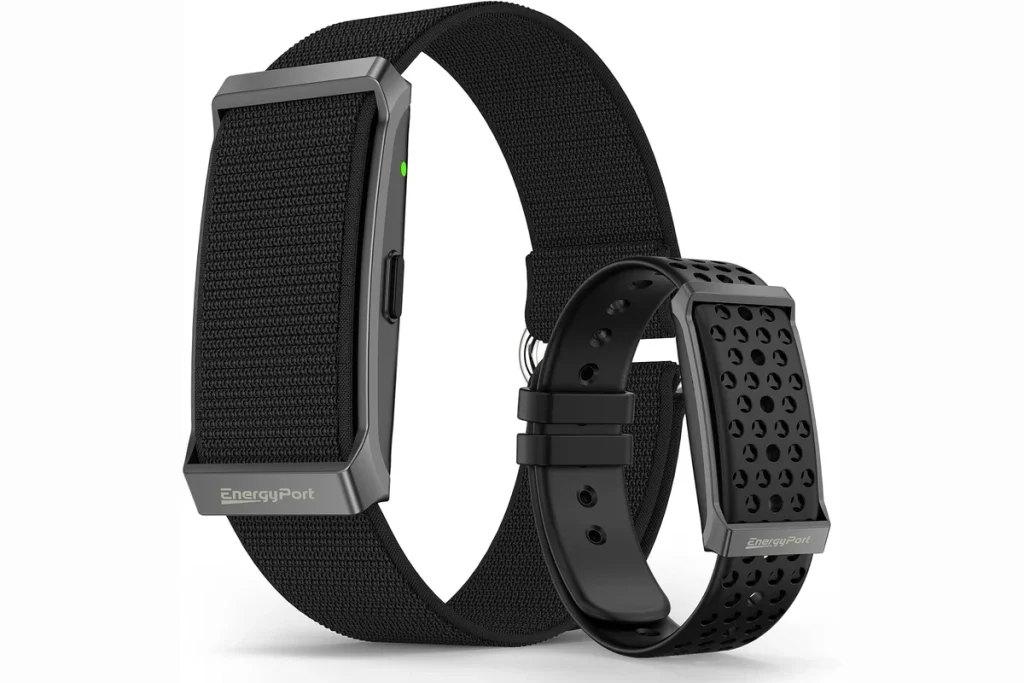
Generic fitness bands suffer from intense price competition. Instead, target high-precision tracking for niche sports such as rock climbing, swimming, or martial arts. Integrating 9-axis Inertial Measurement Units (IMUs) and force-resistive sensors allows the device to calculate grip fatigue, impact force, and stroke efficiency. Delivering specialized metrics creates distinct wearable product ideas that appeal directly to dedicated athletic communities.
2Smart Health Monitoring Wearable
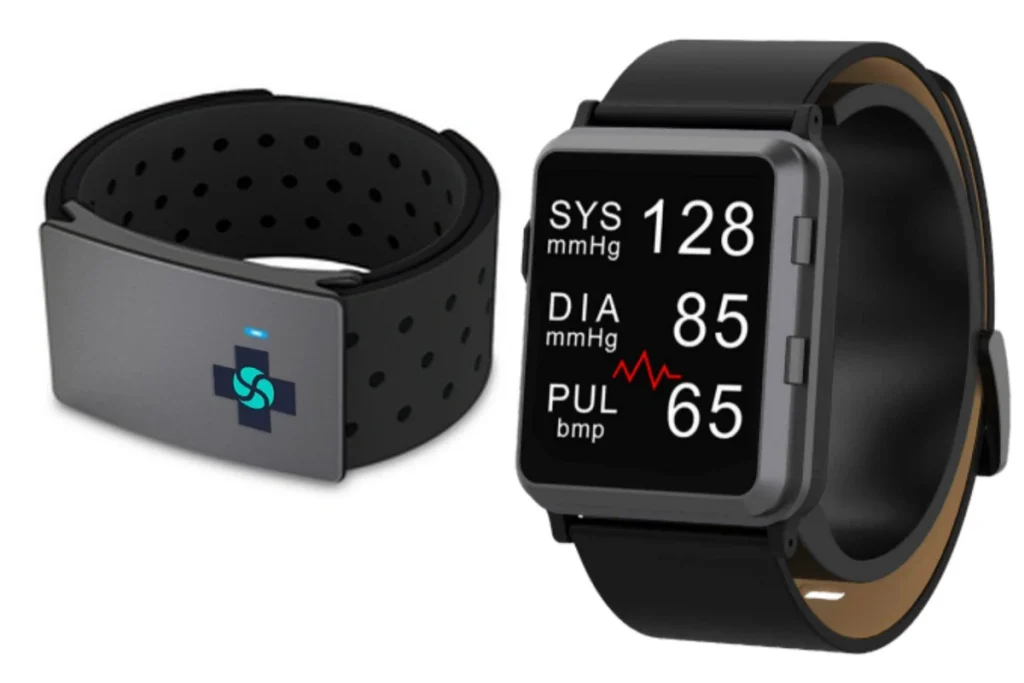
Continuous non-invasive health tracking offers immense potential for outpatient care. Designing a device that measures pulse transit time (PTT) via simultaneous ECG and optical PPG signals enables cuffless blood pressure estimation. Combining continuous tracking with cellular fallback or Bluetooth syncing builds powerful wearable business ideas aimed at remote patient monitoring platforms and corporate wellness programs.
3GPS Tracking Wearable
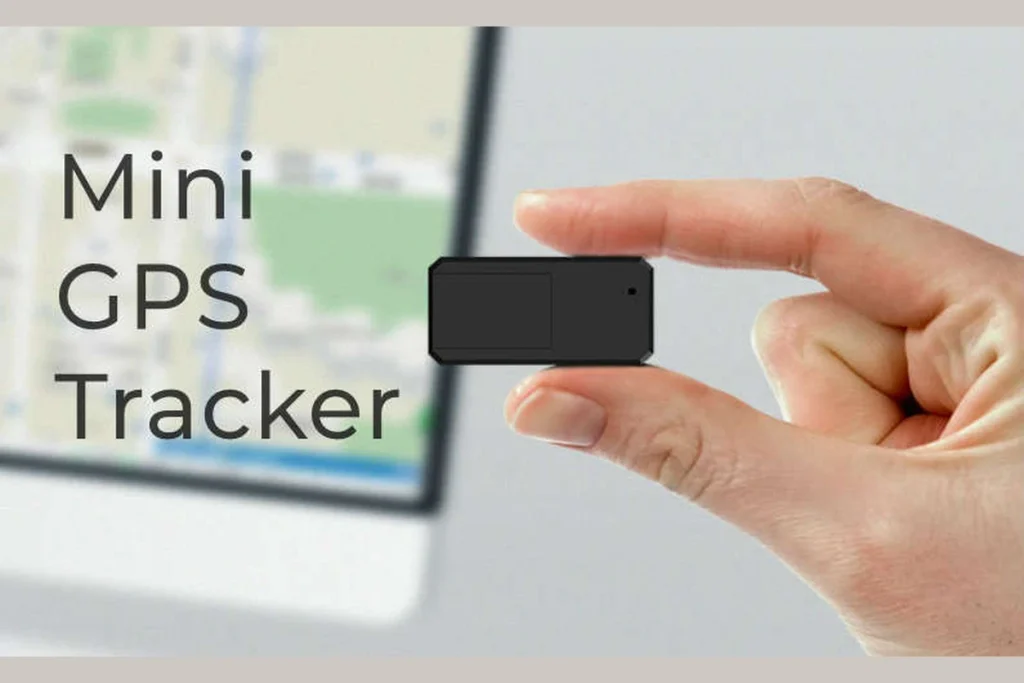
Compact location trackers provide peace of mind for families, solo travelers, and outdoor adventure sports. Utilizing ultra-low-power cellular modules (LTE-M/NB-IoT) along with satellite GPS engines keeps battery life reasonable while ensuring long-range coverage. Adding geofencing features and automatic fall detection transforms basic hardware into highly viable wearable tech business ideas.
4Smart Sleep Monitoring Device
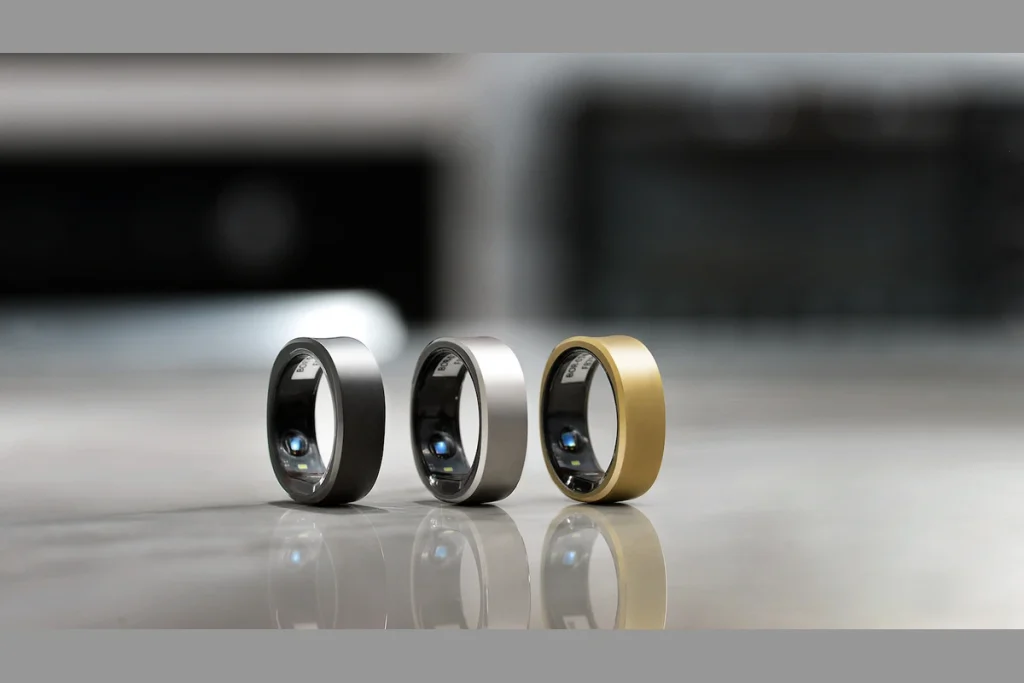
Wristbands often miscalculate sleep stages because they rely solely on movement. A ring or soft chest strap integrating dual-wavelength optical PPG, skin temperature sensors, and HRV (heart rate variability) tracking provides clinical-grade sleep staging. Utilizing continuous sensor fusion provides a prime example of innovative wearable technology that solves a widespread consumer pain point.
5Smart Ring
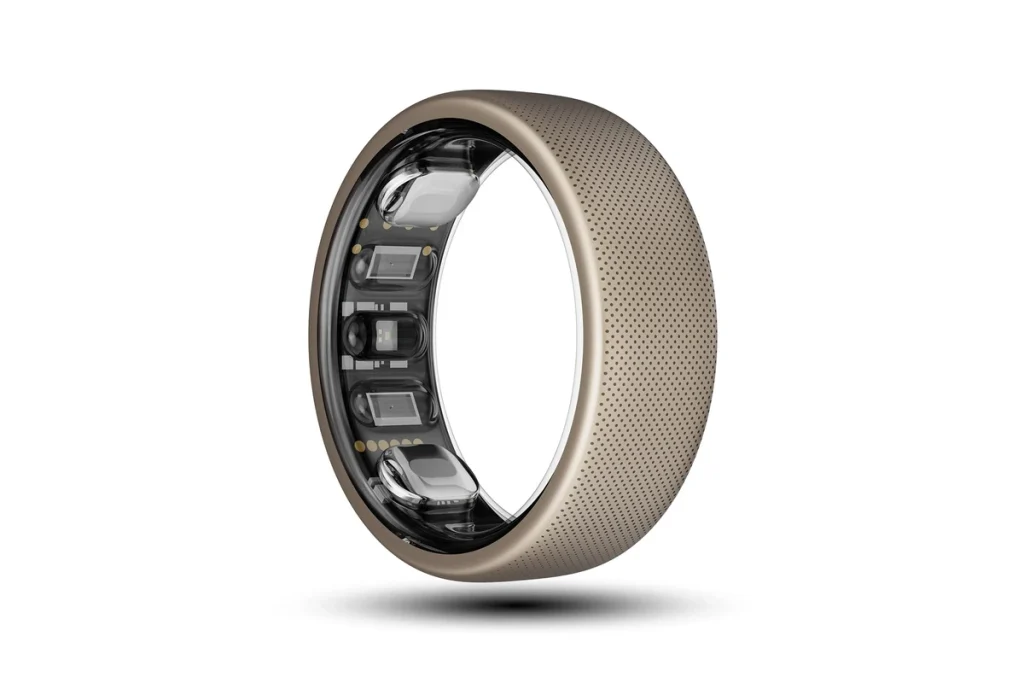
Smart rings present a compact, sleek form factor that users prefer over bulky wristwatches. Designing a smart ring requires high-density rigid-flex PCB design, micro-encapsulation molding, and ultra-small battery integration. Staying ahead of wearable technology trends means delivering subtle, 24/7 biometric and contactless payment capabilities inside a durable titanium or ceramic shell.
6Smart Posture Corrector
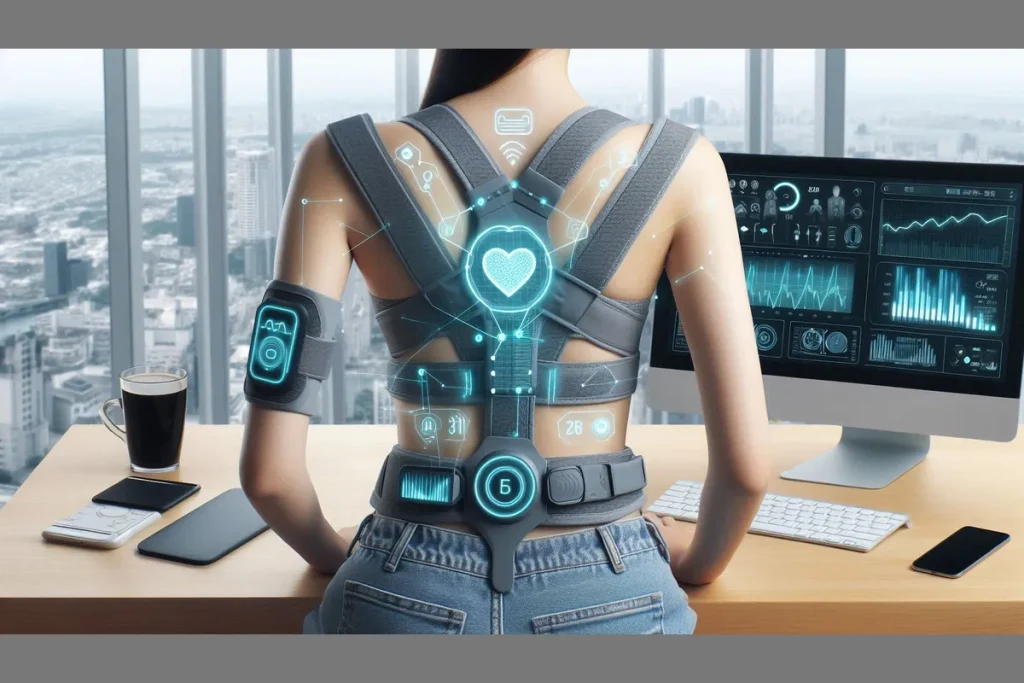
Poor desk ergonomics cause widespread chronic back pain. A lightweight sensor worn between the shoulder blades uses precision accelerometers and gyroscopes to detect slouching. Gentle vibration motors offer real-time haptic feedback, training muscle memory over time. Looking at the future of wearable technology, digital posture training offers a clean combination of simple hardware and recurring app subscriptions.
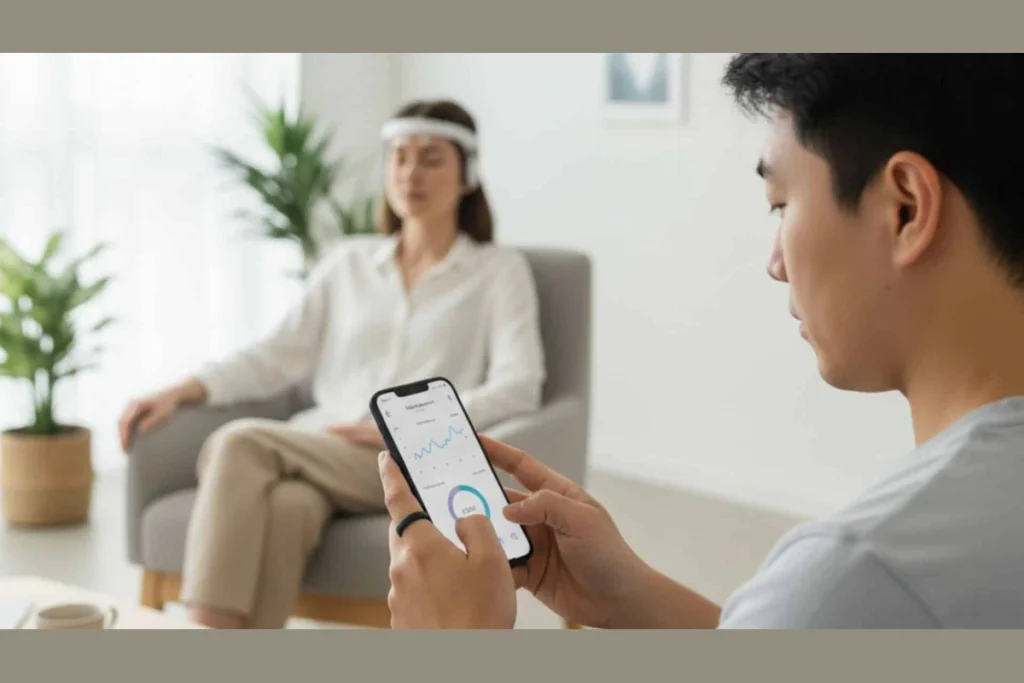
7Wearable Stress and Wellness Monitor
Measuring real-time stress levels requires tracking physiological markers beyond simple heart rate. Integrating galvanic skin response (GSR) electrodes measures subtle electrodermal activity driven by sympathetic nervous system arousal. Pairing GSR data with skin temperature drift allows smart wearable devices to notify users when stress spikes and offer real-time biofeedback exercises.
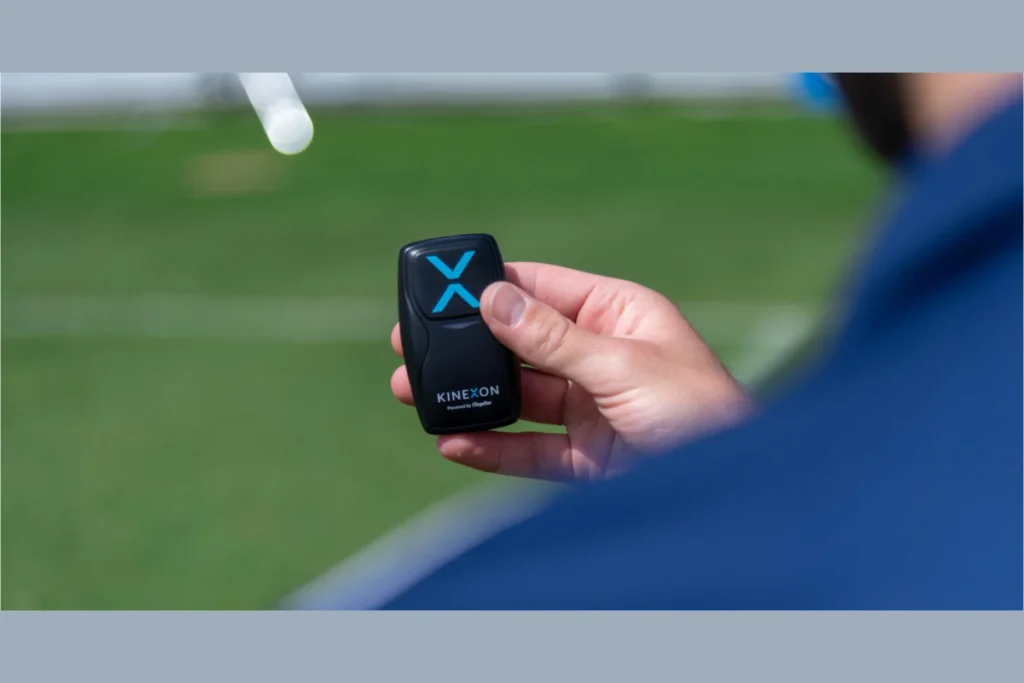
8Smart Sports Performance Tracker
Professional teams and amateur athletes look for data-driven training edges. Wearable sensor pods attached to compression wear track localized muscle oxygenation (SmO2) and sweat lactate buildup during exertion. Implementing specialized smart wearable technology helps coaches optimize training loads and prevent soft-tissue injuries.
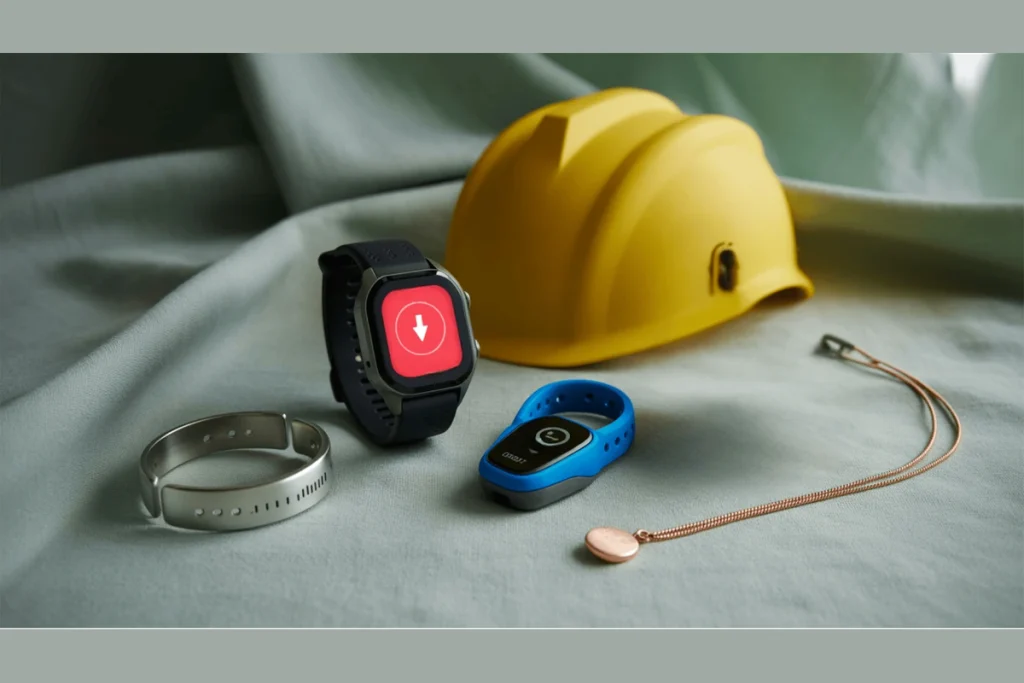
9Wearable Safety Device
Discreet personal safety hardware remains a top seller for students, night-shift workers, and outdoor runners. A concealed button sequence triggers a high-decibel alarm while activating a cellular SOS signal that broadcasts real-time GPS coordinates to emergency contacts. These products rank among the most practical wearable technology product ideas for startups due to their straightforward hardware design and high consumer demand.
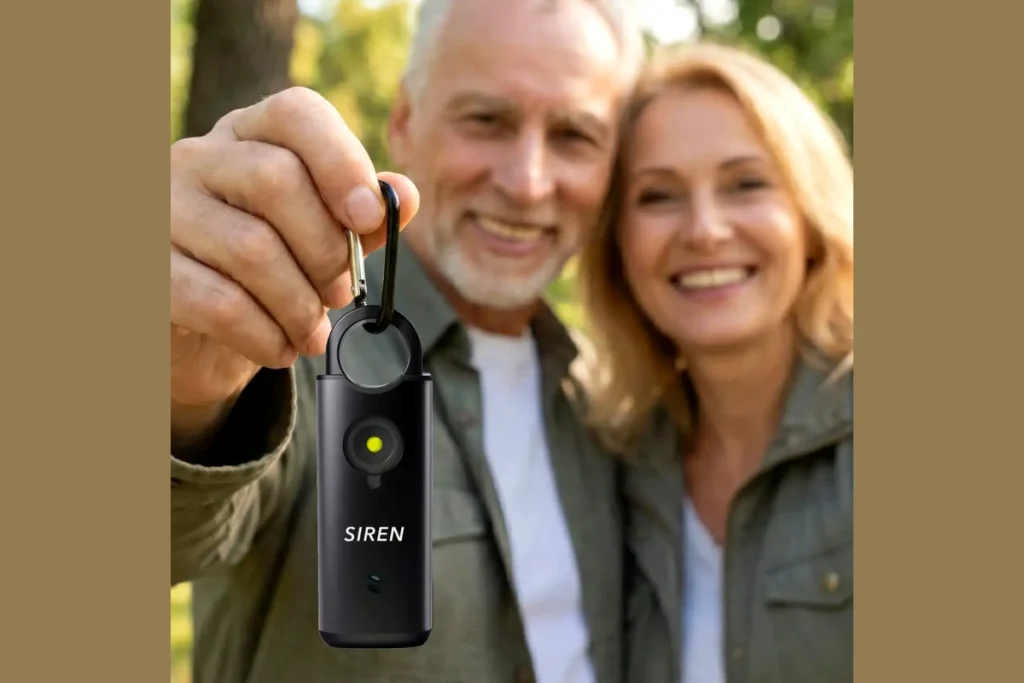
10Smart Personal Alarm Wearable
Building on personal safety hardware, personal alarm wearables integrate local Bluetooth mesh networks. When activated on a university or corporate campus, the device alerts nearby security personnel and neighboring devices simultaneously. Hardware startups exploring wearable device ideas for startups can pitch these hardware ecosystems directly to institutional buyers.
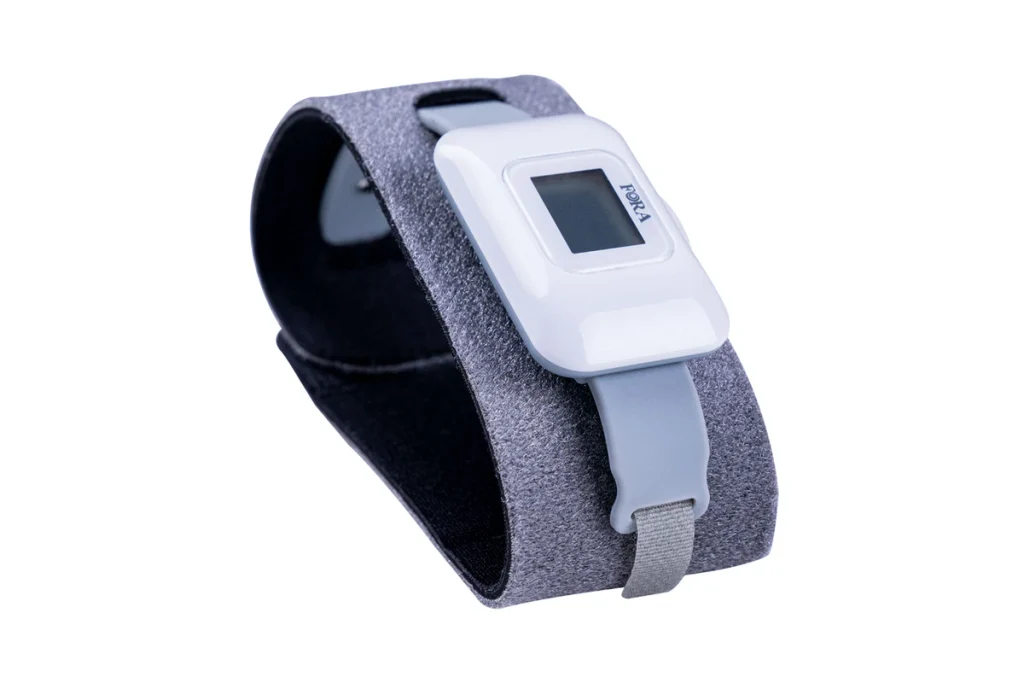
11Wearable Temperature Monitor
Continuous body temperature monitoring offers critical value for pediatric care, fertility tracking, and post-operative recovery. Soft, biocompatible silicone patches housing continuous thermistors track core temperature shifts down to 0.05°C precision. These low-power patches illustrate how wearable tech ideas for new businesses can serve immediate medical and consumer needs.
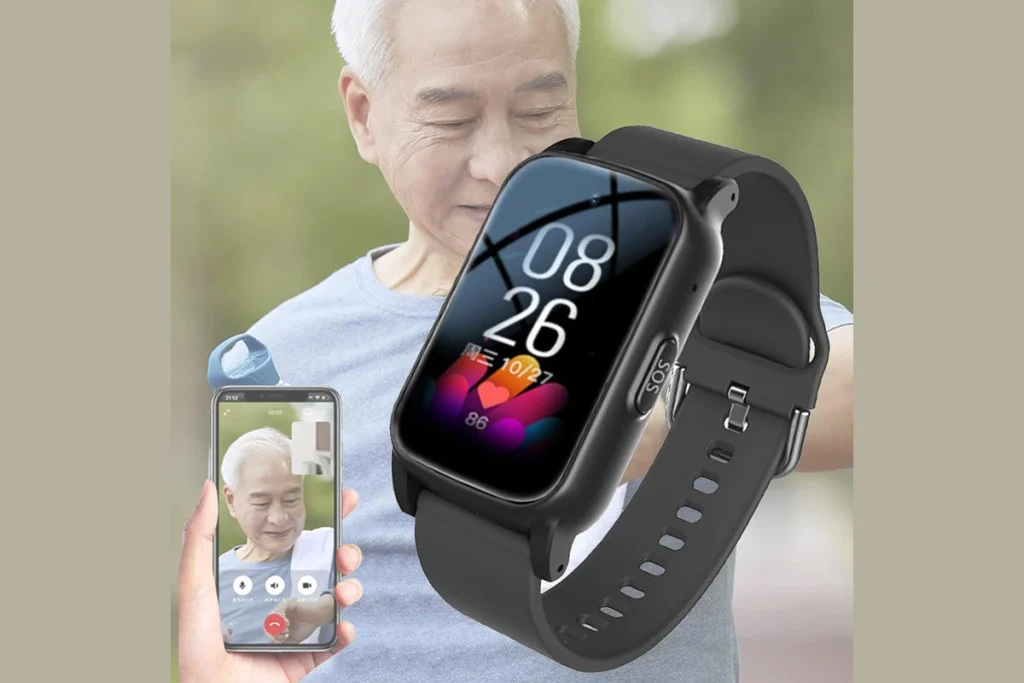
12Smart Elderly Care Wearable
Elderly care hardware must balance full-featured tracking with extreme ease of use. Integrating 6-axis motion sensors programmed with fall-detection algorithms ensures automated distress signaling if an senior user loses balance. Positioned as practical wearable product ideas for small businesses, these devices bring massive value to home healthcare agencies and family caregivers.
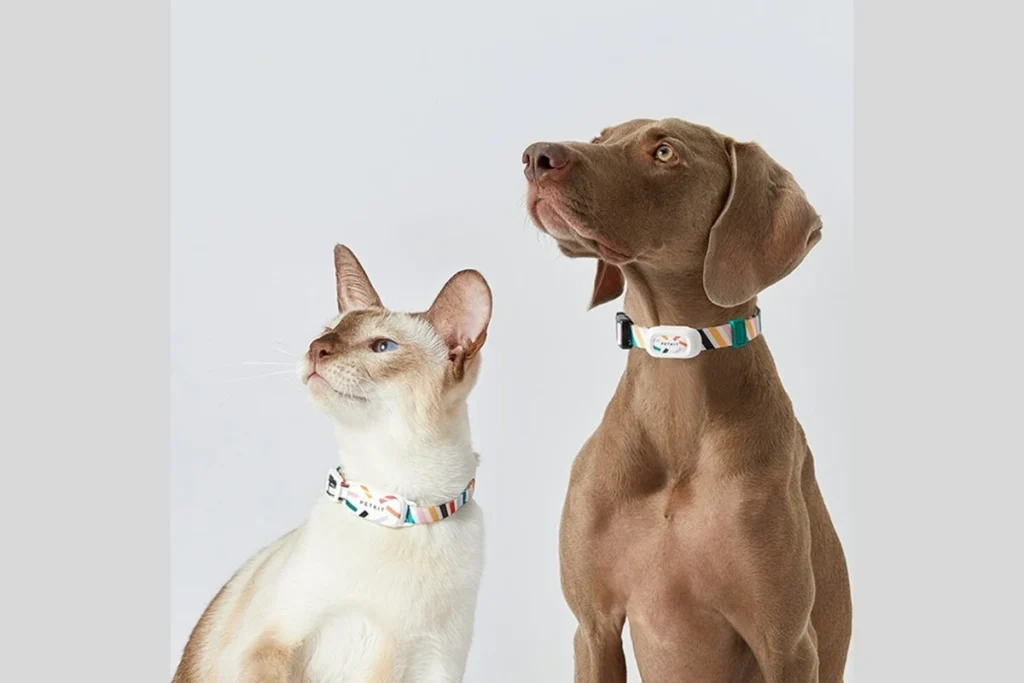
13Wearable Pet Tracking Device
Pet owners invest heavily in the health and safety of their animals. A rugged, IP68 waterproof collar attachment combining GPS, BLE, and an accelerometer tracks pet location and daily activity levels. Building robust pet tracking solutions offers scalable wearable technology business ideas with recurring monthly subscription models for location data services.
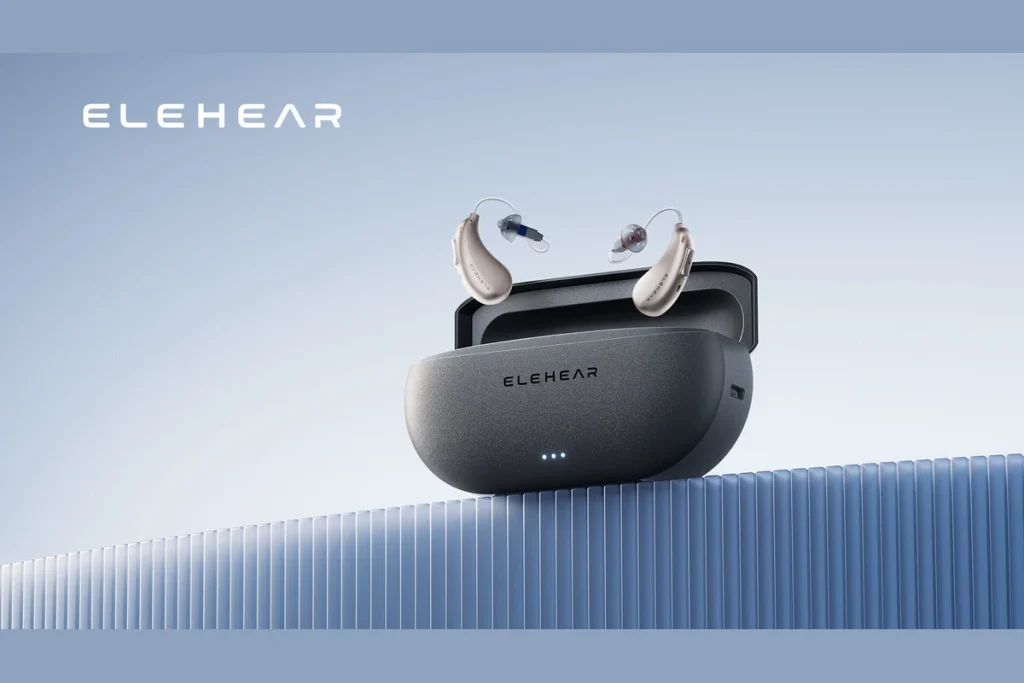
14Smart Hearing or Audio Wearable
Over-the-counter (OTC) hearables combine active noise cancellation with targeted audio enhancement. Integrating directional MEMS microphones and digital signal processors (DSPs) allows users to boost speech frequencies in noisy environments. High-performance hearables stand out among the best wearable technology products on the market today.
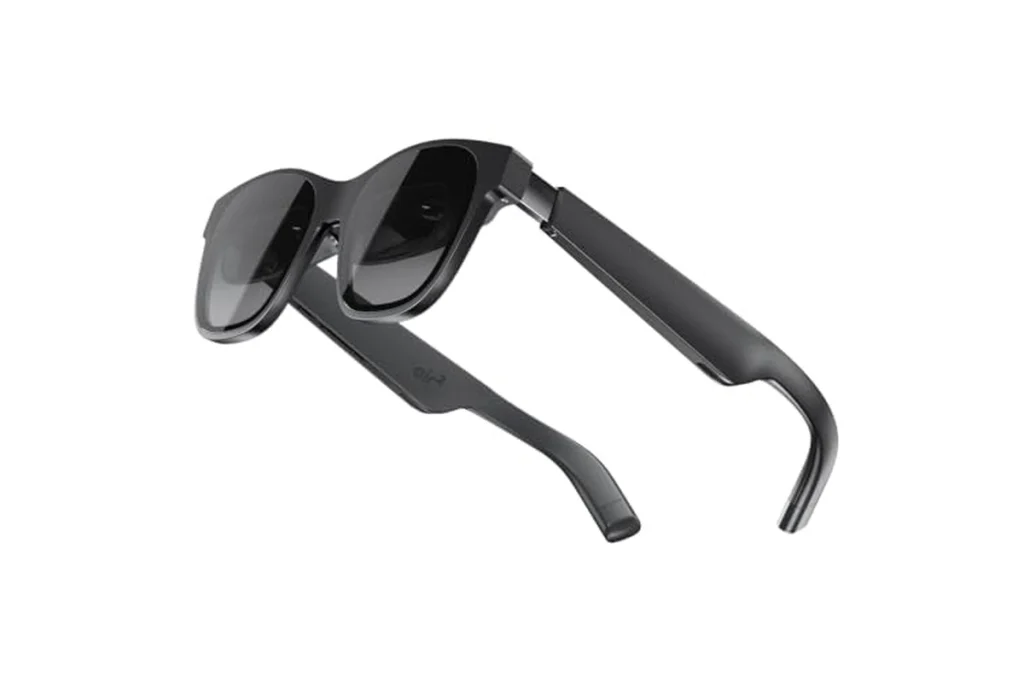
15Smart AR/AI Wearable
Smart glasses and wearable AI badges represent the cutting edge of personal hardware. Combining lightweight optics or camera sensors with low-power edge AI microprocessors enables real-time visual recognition, voice translation, and heads-up notifications. These platforms represent the best wearable devices to manufacture for enterprise field technicians and logistics operators.
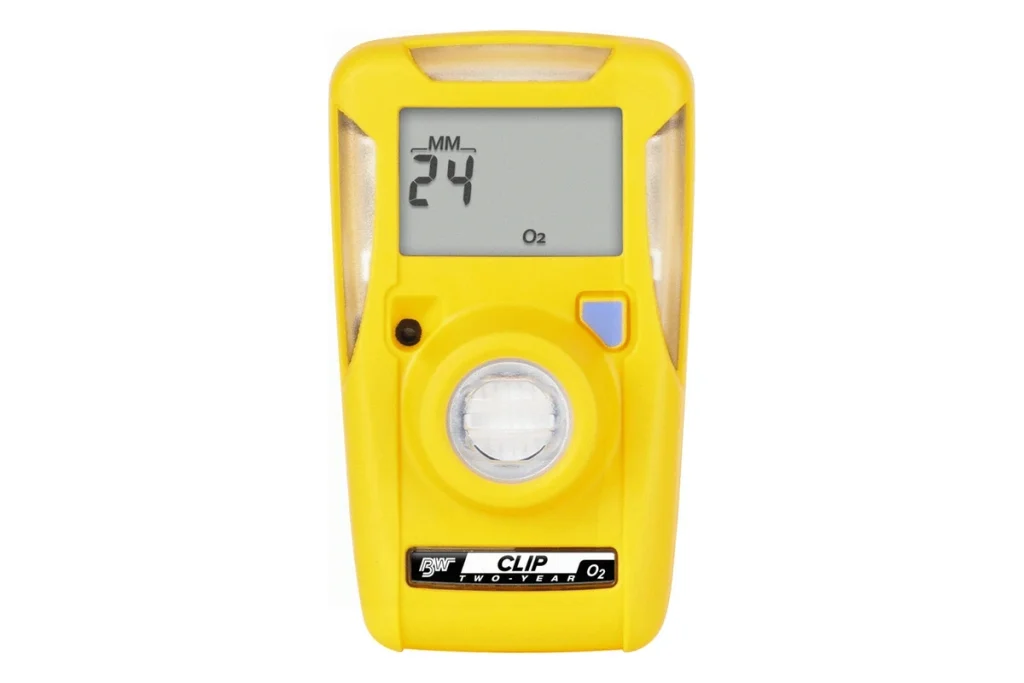
16Connected Industrial Safety Wearable
Industrial job sites require tough, reliable environmental hardware. Clip-on monitors equipped with electrochemical gas sensors detect toxic gas leaks, volatile organic compounds (VOCs), or oxygen depletion in real time. Launching new wearable technology products focused on industrial safety allows hardware brands to secure lucrative enterprise contracts.
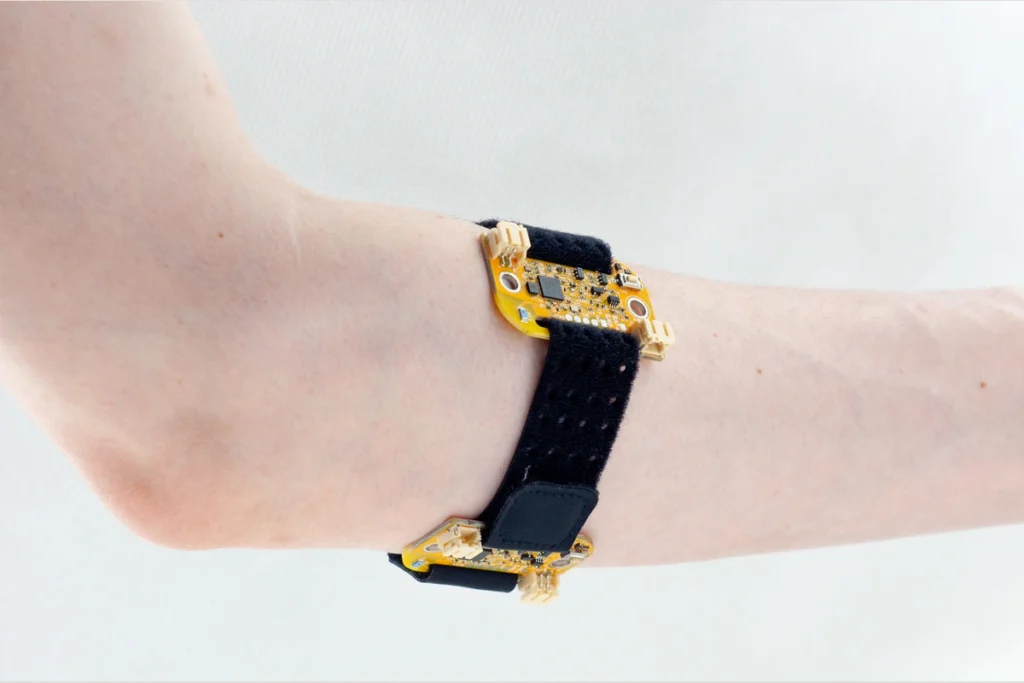
17Smart Worker Monitoring Wearable
Logistics facilities lose millions annually to repetitive strain injuries. Wearable ergonomic sensors worn on the lower back or wrist analyze lifting mechanics and alert workers to dangerous spinal torque. Implementing innovative wearable device ideas in industrial settings reduces workplace compensation claims and increases operational throughput.

18Wearable Navigation Device
Haptic navigation devices allow users to find their way without looking at a screen. Utilizing haptic vibration motors arrayed around a wristband or belt belt guides visually impaired users or outdoor hikers with intuitive directional pulses. Niche directional hardware stands out as one of the most profitable wearable technology ideas due to low competition and high user loyalty.
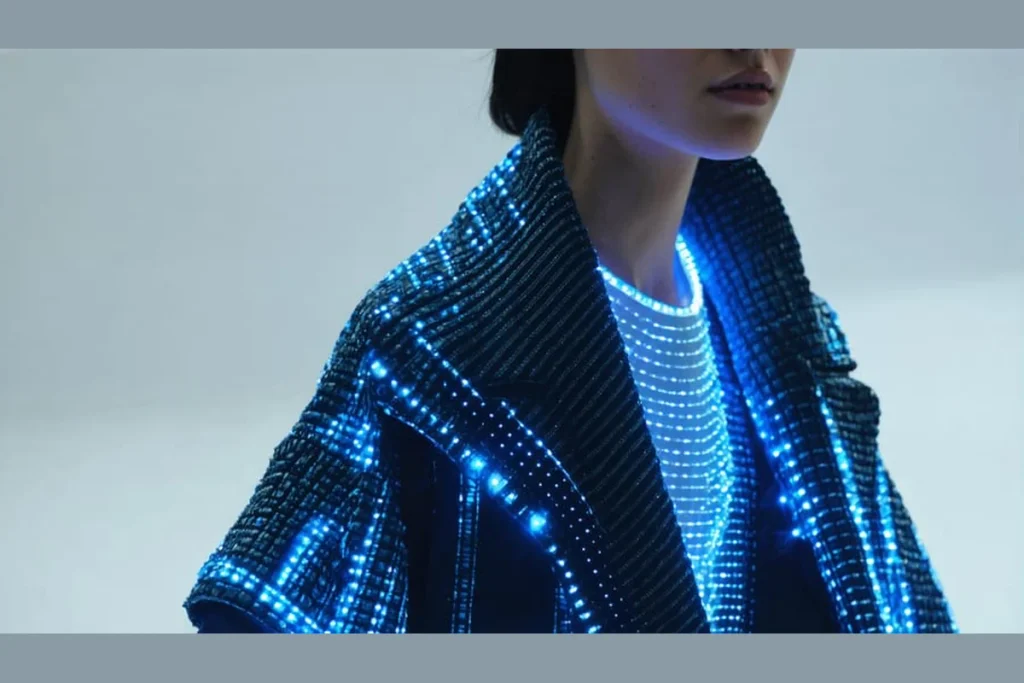
19Smart Fashion Wearable
Merging high fashion with technology involves integrating flexible micro-LEDs, conductive threads, and capacitive touch surfaces into apparel. Touch-sensitive jacket sleeves control smartphone media playback or take photos discreetly. E-textile apparel presents creative wearable technology startup ideas that capture media attention and lifestyle retail placement.
20Custom Multi-Function Smart Wearable
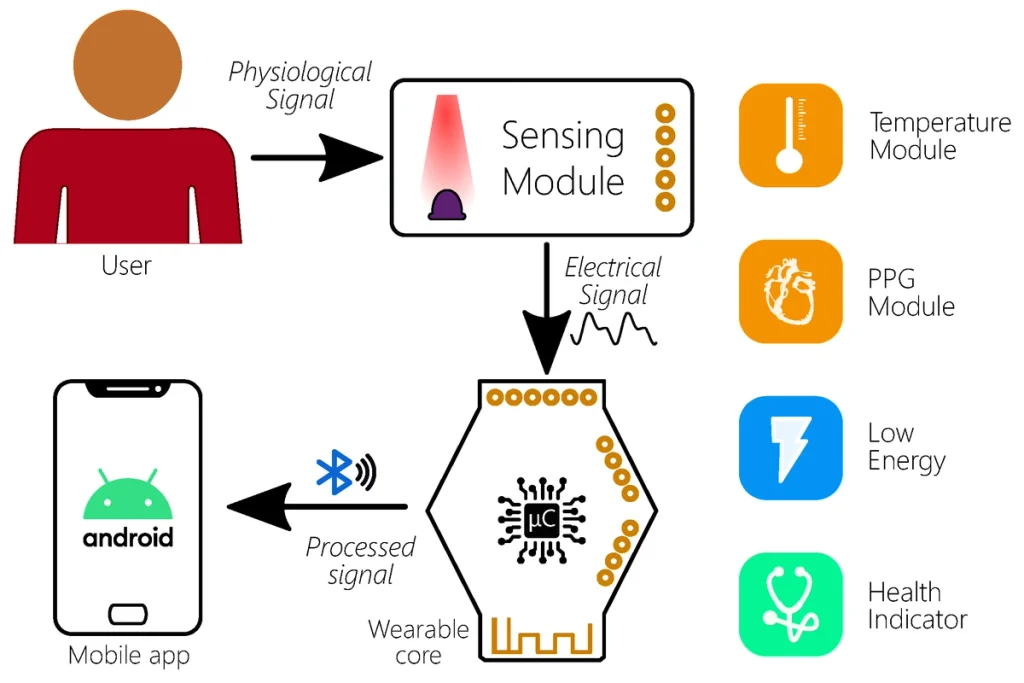
Modular wearables allow users to swap functional hardware pods into different form factors, such as wristbands, chest straps, or garment clips. A core puck contains the processor, battery, and Bluetooth chip, while specialized bases house different sensor arrays. Modular architecture provides flexible wearable electronics product ideas that scale across multiple user activities.
Related: 30 IoT Product Ideas for Startups to Launch in 2026
Comparison of Wearable Product Categories
| Category | Typical Battery Life | Key Sensors Used | Regulatory Target | Target BOM Cost Range |
| Consumer Fitness | 5 – 10 Days | 3-Axis Accelerometer, Basic Optical PPG | FCC, CE, RoHS | $12 – $28 |
| Medical / Clinical | 1 – 3 Days | Medical ECG, Dual PPG, Precision Thermistor | FDA, CE-MDR, ISO 13485 | $45 – $120 |
| Industrial Safety | 12 – 24 Hours | Gas Detectors, 9-Axis IMU, Altimeter | ATEX, IECEx, OSHA | $50 – $150 |
| Pet & Asset Tracking | 7 – 30 Days | GPS Engine, LTE-M Module, Accelerometer | FCC, CE, UN38.3 | $15 – $35 |
How to Choose the Right Wearable Product Idea for Your Business
Selecting among dozens of valid wearable technology product ideas requires evaluating your team’s expertise, budget, and route to market. Hardware development allows zero room for vague product definitions.
Identify a Specific Customer Problem
Successful hardware starts with an acute pain point. Avoid creating generic wearable gadgets ideas looking for a problem. Focus on specific issues: construction managers needing to prevent heat stroke on job sites, or physical therapists needing objective range-of-motion metrics for remote patients.
Define Your Target Market and Use Case
Outline the exact environment where the device operates. Is it exposed to saltwater, extreme heat, or continuous impact? Defining these environmental parameters early shapes the mechanical enclosure requirements, ingress protection ratings, and material selections for your smart wearable product ideas.
Evaluate Market Demand and Competition
Analyze search volume, retail shelf space, and existing patents. Entering a saturated market against established brands requires significant marketing spend. Entering a specialized niche within the broader wearable technology market allows you to dominate a category with lean resources.
Select the Right Hardware Features
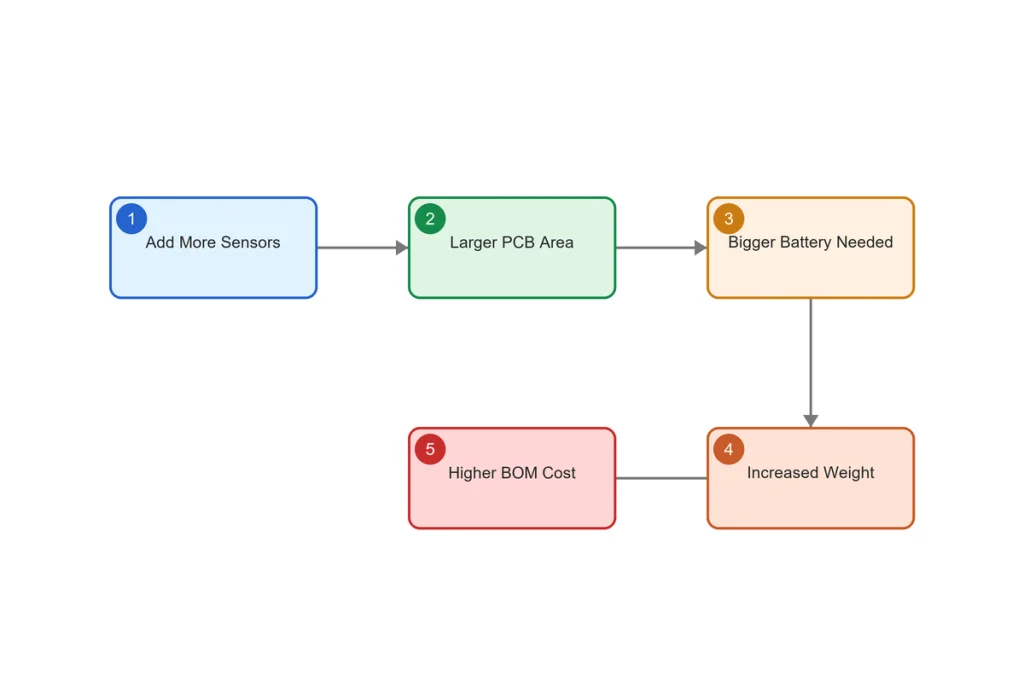
Resist feature creep. Adding additional sensors, bigger displays, or secondary wireless radios increases BOM costs, complicates PCB layout, and drains battery life. Focus on core features that directly resolve the primary user problem when developing custom wearable device ideas.
Consider Product Cost and Target Retail Price
Rule of thumb: your retail price should equal roughly 3x to 5x your total Landed Cost (BOM + Assembly + Packaging + Freight + Tariffs). If your target retail price is $199, your manufactured unit cost must remain under $40 to maintain distributor margins and marketing overhead.
Assess Technical and Regulatory Requirements
Every wireless radio radiating electromagnetic energy must pass regulatory certification. Devices operating on cellular networks require carrier approvals (PTCRB/AT&T/Verizon). Medical-claim hardware requires clinical validation trials. Factoring regulatory timeline delays into your business roadmap prevents cash-flow shortages.
Plan for Scalability From Prototype to Mass Production
Designing a hand-built prototype using off-the-shelf development boards is easy. Redesigning that prototype for high-speed automated Surface Mount Technology (SMT) assembly and plastic injection molding requires specialized engineering expertise. Always design for manufacturability (DFM) from day one.
Essential Technologies Used in Modern Wearable Devices
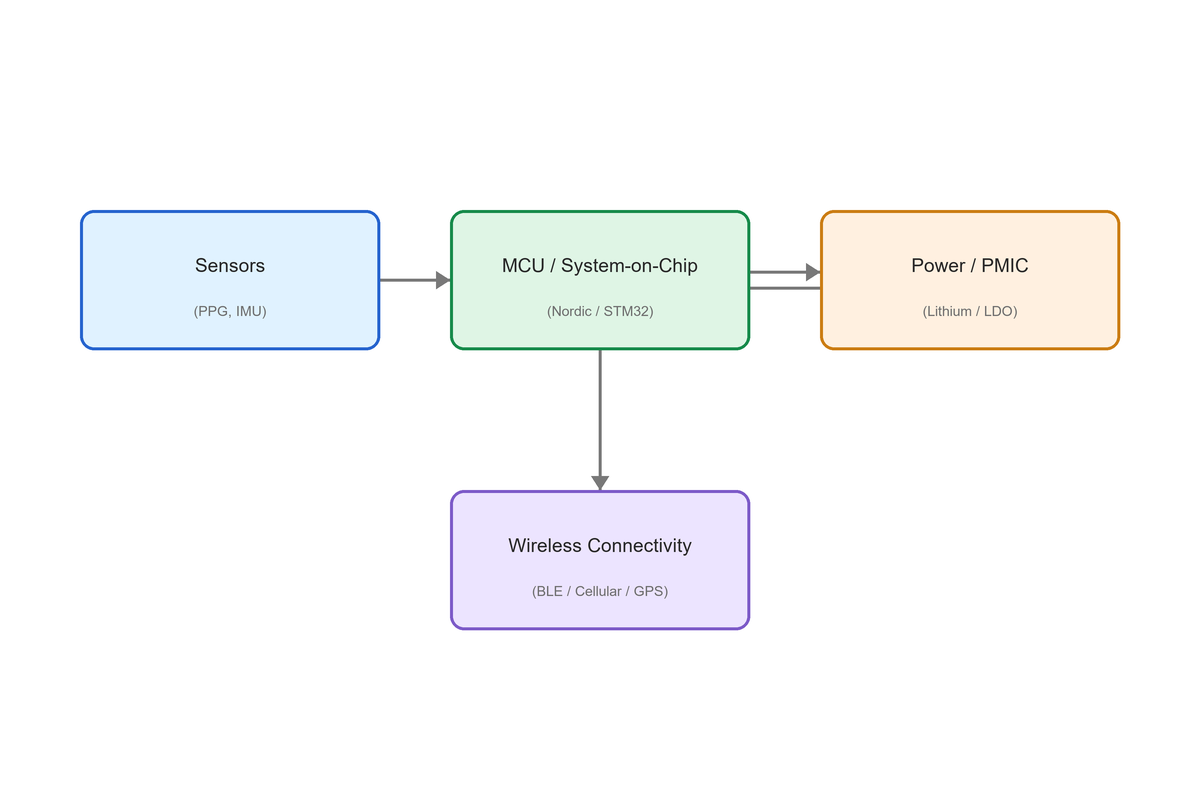
Modern wearable electronics rely on a compact stack of hardware technologies designed to operate on minimal milliwatts of power.
Sensors and Biometric Monitoring
Sensors transform physical phenomena into digital signals. Connected wearable devices utilize MEMS accelerometers to track motion, optical PPG systems to read blood volume changes, and bioimpedance circuits to measure body composition. Sensor calibration algorithms directly dictate final data accuracy.
Bluetooth, Wi-Fi, GPS, and Cellular Connectivity
Selecting wireless protocols involves balancing data throughput against power draw. Bluetooth Low Energy (BLE 5.2/5.3) serves as the industry standard for short-range phone syncing due to its micro-amp standby current. Cellular LTE-M and NB-IoT suit standalone smart devices requiring long-range communication without a paired smartphone nearby.
Microcontrollers and Embedded Systems
The microcontroller (MCU) acts as the brain of the device. Modern IoT wearable devices utilize System-on-Chip (SoC) architectures—like Nordic Semiconductor’s nRF52/nRF53 series or STM32 ultra-low-power lines—that integrate processing cores, memory, and Bluetooth radios onto a single silicon die.
Batteries and Power Management
Battery selection dictates product size and user experience. Custom-shaped Lithium Polymer (LiPo) batteries maximize internal space utilization inside curved enclosures. Specialized Power Management Integrated Circuits (PMICs) regulate charging voltages, monitor state-of-charge, and shut down idle subsystem circuits to preserve energy inside IoT wearables.
Mobile Apps and Cloud Connectivity
Hardware without soft infrastructure provides limited utility. Companion iOS and Android mobile apps parse raw hardware packets into visual graphs. Secure REST APIs and WebSockets stream data to cloud infrastructure, enabling long-term storage and cross-platform access for health wearable devices.
AI and Data Processing in Wearable Technology
Running machine learning models directly on the microcontroller—known as TinyML—allows hardware to classify motion patterns or filter out noise locally without sending raw sensor streams to the cloud. Edge processing preserves battery life and protects privacy in fitness wearable devices.
Related: 50 Innovative Electronic Product Ideas to Manufacture in 2026
From Wearable Product Idea to Finished Product
Transforming an initial drawing into a commercial hardware product follows a structured New Product Introduction (NPI) process. Skipping phases in this process almost always leads to costly tool rework or product recalls.
Product Concept and Technical Feasibility
The development journey begins by building proof-of-concept (POC) hardware using off-the-shelf development boards. This step confirms that selected sensors deliver required signal quality for your smart health devices.
Industrial Design and Mechanical Engineering
Industrial designers draft sleek, ergonomic physical forms while mechanical engineers translate those concepts into production-ready 3D CAD files. They calculate wall thicknesses, snap-fits, screw bosses, and rubber gasket compression paths to ensure structural integrity and IP67/IP68 water ingress protection for wearable sensors.
Electronics and PCB Development
Electrical engineers map out the schematic circuit diagrams, select miniature surface-mount components, and route multi-layer printed circuit boards (typically 4 to 8 layers). Routing high-density interconnect PCBs for biometric wearable devices demands strict attention to signal integrity and RF noise isolation.
Firmware and Software Integration
Firmware engineers write C/C++ code that runs directly on the microcontroller hardware. They write low-level drivers to communicate with sensors over I2C/SPI buses, manage BLE advertising states, and implement power-saving sleep modes on Bluetooth wearable devices.
Functional Prototyping
Once initial PCB layouts and CAD files complete, engineering teams produce functional prototypes. Quick-turn SMT lines assemble the circuit boards while high-resolution 3D printers or CNC machines fabricate early enclosure prototypes. These prototypes validate real-world performance for GPS wearable devices.
Engineering Validation and Design Validation
Testing proceeds through formalized validation cycles. Engineering Validation Test (EVT) units verify basic electrical and mechanical operation. Design Validation Test (DVT) units test the device inside final injection-molded enclosures under extreme thermal, drop, and water submersion conditions, ensuring high reliability for wearable monitoring devices.
Certification and Compliance Testing
Commercial hardware must pass strict electromagnetic compatibility (EMC) and safety standards before sale. Testing laboratories evaluate hardware for FCC Part 15 (USA), CE-RED (Europe), RoHS/REACH environmental safety, and UN38.3 battery shipping safety for all connected health devices.
Tooling and Production Preparation
For plastic enclosures, steel injection molds must be precision-machined via CNC and EDM processes. Mold flow analysis ensures plastic resin fills complex enclosure walls without sink marks or warping. Establishing robust tooling sets the foundation for high-yield wearable device manufacturing.
Pilot Production and Mass Manufacturing
Process Validation Testing (PVT) executes a small production run on the main factory line. PVT runs train assembly operators, validate automated testing jigs, and calculate precise line cycle times, opening the door for full-scale wearable technology manufacturing.
Quality Control and Final Product Inspection
During mass production, inline automated optical inspection (AOI), functional circuit testing (FCT), and final waterproof pressure testing ensure every shipping unit meets engineering specifications. Strict quality gates define reliable wearable electronics manufacturing.
Hardware NPI (New Product Introduction) Stages
| NPI Stage | Core Objective | Typical Sample Size | Key Deliverable |
| Concept / POC | Verify sensor viability & algorithms | 3 – 5 Units | Benchtop functional demonstrator |
| EVT (Engineering) | Validate electrical schematic & PCB layout | 20 – 50 Units | Working custom PCB in prototype case |
| DVT (Design) | Test mechanical molds & environmental seals | 50 – 200 Units | Fully sealed, certified final design |
| PVT (Process) | Verify mass assembly line speed & yields | 200 – 1,000 Units | Production-line verified units |
| Mass Production | High-volume commercial shipping | 1,000+ Units | Commercial boxed product |
OEM vs ODM for Wearable Technology Products
| Aspect | OEM | ODM |
|---|---|---|
| Design Ownership | You own CAD/Schematics | Factory owns architecture |
| Manufacturing Role | Factory builds to your spec | You white-label existing design |
When OEM Manufacturing Makes Sense
Selecting wearable device OEM services means you own 100% of the intellectual property, custom circuit schematics, firmware code, and mechanical CAD files. OEM manufacturing fits companies developing truly novel hardware designs that require unique form factors, proprietary sensor algorithms, and custom branding.
When ODM Manufacturing Is the Better Option
Choosing wearable device ODM solutions allows you to white-label an existing, pre-engineered hardware platform owned by the manufacturer. If your speed-to-market is tight and a standard smartwatch or tracker form factor fits your business model, ODM manufacturing drastically reduces upfront engineering costs.
Customization Options for Wearable Devices
Partnering with a wearable technology OEM manufacturer allows complete control over enclosure materials, custom sensor integration, display selection, and packaging design. Conversely, working with a standard supplier limits customization to surface colors, logo printing, and app-level branding.
How OEM and ODM Manufacturing Affect Development Costs and Time
ODM manufacturing offers fast market entry (3 to 6 months) and low NRE (Non-Recurring Engineering) expenses because the underlying hardware design exists already. OEM manufacturing requires higher upfront NRE costs ($50,000 to $250,000+) and longer development schedules (9 to 18 months), but yields proprietary IP and full product differentiation when managed by a qualified wearable technology ODM manufacturer.
OEM vs ODM Manufacturing Comparison
| Comparison Metric | OEM (Original Equipment Manufacturer) | ODM (Original Design Manufacturer) |
|---|---|---|
| Intellectual Property | 100% Client-Owned | Manufacturer-Owned / Shared |
| Upfront NRE Costs | Higher ($50,000 – $250,000+) | Low to None ($0 – $15,000) |
| Time to Market | 9 to 18 Months | 3 to 6 Months |
| Product Uniqueness | Fully Custom Architecture | Similar to Market Competitors |
| Unit Margin Potential | Higher at Mass Scale | Moderate |
What to Look for in a Wearable Device Manufacturer
Selecting the wrong contract manufacturing partner leads to delayed launches, budget overruns, and high failure rates. Evaluating potential manufacturing partners requires checking specific technical capabilities.
Product Design and Engineering Capabilities
A qualified custom wearable device manufacturer must maintain in-house mechanical, electrical, firmware, and RF engineers. Having cross-disciplinary engineers under one roof ensures fast resolution when mechanical casing adjustments impact antenna tuning.
Prototype and NPI Experience
Verify that the factory manages rapid prototyping and early-stage NPI in-house. A wearable electronics manufacturer with dedicated prototype production lines can iterate PCB layouts and mechanical adjustments without disrupting high-volume mass production lines.
Electronics and Embedded Development Expertise
Compact hardware demands high-density SMT assembly capabilities, including 0201 component placing, fine-pitch BGA soldering, and underfill dispensing. Partnering with an expert smart wearable device manufacturer guarantees low soldering defect rates on micro-miniaturized assemblies.
Testing and Quality Assurance Infrastructure
Inquire about factory testing equipment. Top-tier facilities house in-house RF shielded chambers, automated optical inspection (AOI) machines, environmental thermal shock chambers, and precision IPX7/IPX8 water immersion testing tanks.
Manufacturing Capacity and Supply Chain Management
Ensure the factory maintains strong relationships with top-tier component distributors (Arrow, Avnet, Future Electronics). Strong supply chain management protects your production schedules against global semiconductor shortages.
Experience With International Certifications
Your manufacturing partner must navigate international compliance pathways smoothly. Experienced teams prepare pre-compliance testing jigs that catch RF emission spikes early, preventing costly re-testing fees at official certification labs.
Ability to Support Long-Term Production
Select a manufacturing partner capable of scaling alongside your sales volume. As your orders grow from 2,000 units per batch to 100,000+ units, your partner should offer cost-down engineering proposals to lower your per-unit BOM costs over time.
Common Challenges When Developing Wearable Technology
Hardware engineering involves managing physics trade-offs. Recognizing common technical hurdles prevents expensive engineering dead ends during wearable product development.
Battery Life and Power Consumption
Users dislike charging devices daily. Achieving multi-day battery life requires aggressive firmware power management: putting microcontrollers into ultra-deep sleep modes between sensor reads and turning off power rails to idle components.
Miniaturization and Component Integration
Fitting an MCU, sensors, battery, display, and antenna into a sleek enclosure requires high-density rigid-flex PCB routing. Precision engineering in wearable device design and manufacturing prevents thermal buildup in compact enclosures.
Comfort, Ergonomics, and Wearability
If a device feels heavy, hot, or abrasive, users abandon it quickly. Selecting skin-safe, hypoallergenic materials (medical-grade silicone, biocompatible TPU, surgical stainless steel) prevents allergic contact dermatitis during custom wearable technology development.
Ergonomic Design Priorities
| Priority | Why It Matters | Contribution to Retention |
|---|---|---|
| Biocompatible Materials | Skin-safe, non-toxic, hypoallergenic | Prevents irritation, builds trust |
| Thermal Dissipation | Heat management, comfortable wear | Avoids overheating during use |
| Lightweight Balance | Reduced fatigue, improved wearability | Encourages extended daily wear |
| Outcome | Long-Term User Retention | Users keep using the product |
Wireless Connectivity and Data Reliability
Body-worn hardware faces physical signal blockage because human tissue absorbs 2.4 GHz frequencies. Proper ground plane clearance and antenna tuning during wearable device prototyping ensures stable Bluetooth pairing even when covered by clothing or submerged in water.
Sensor Accuracy and Product Performance
Motion artifacts cause significant signal noise in optical PPG biometrics. If a user runs, the sensor bounces against the skin, corrupting raw light data. Advanced motion-filtering algorithms (using concurrent accelerometer data) clean corrupt signals to preserve metric accuracy.
Waterproofing and Environmental Protection
Achieving IP67 (dustproof, temporary immersion) or IP68 (continuous submersion) ratings requires liquid silicone rubber (LSR) overmolding, ultrasonic plastic welding, and hydrophobic acoustic membranes over microphone ports.
Data Security and User Privacy
Biometric data represents highly sensitive personal information. Hardware must implement encrypted flash storage, secure BLE pairing protocols (LE Secure Connections), and encrypted cloud transmission to comply with HIPAA and GDPR standards.
Manufacturing Cost and Component Availability
Designing in single-source or end-of-life components creates immediate supply chain bottlenecks. Always select active components with multiple drop-in pin-compatible alternatives to keep production moving smoothly.
How Much Does It Cost to Develop a Wearable Device?
Budgeting accurately for wearable technology product development prevents capital shortfalls midway through development.
Factors That Influence Wearable Product Development Costs
Development budgets vary widely depending on form factor complexity, custom sensor integration, display selections, and regulatory clearance levels. A basic BLE fitness clip costs significantly less than an FDA-cleared clinical monitoring ring.
Prototype, Tooling, Certification, and Production Costs
- Engineering & Design (NRE): $30,000 – $150,000 (Industrial design, schematics, PCB routing, firmware, app development).
- Injection Mold Tooling: $15,000 – $50,000 (Steel molds for custom plastic enclosures).
- Certifications: $10,000 – $40,000 (FCC, CE, RoHS, UN38.3 testing fees).
- Initial Production Batch: $20,000 – $80,000 (Component purchasing, SMT assembly, box packaging for 1,000–5,000 units).
Strategies for Reducing Development and Manufacturing Costs
- Utilize pre-certified wireless modules (FCC/CE pre-approved BLE modules) to reduce lab testing costs.
- Select standard off-the-shelf displays and batteries rather than ordering custom shapes.
- Partner with turnkey manufacturing partners like Precintl to bundle engineering, tooling, and mass assembly under a single contract.
How to Turn a Wearable Product Idea Into a Business
Building a great product forms only half the battle; building a viable hardware enterprise requires disciplined execution.
| Step | Action | Typical Duration |
|---|---|---|
| 1. Validate Concept | Conduct user interviews & pre-sales | 2-4 weeks |
| 2. Build MVP | Create functional engineering sample | 4-8 weeks |
| 3. Test with Users | Run real-world field trials | 4-6 weeks |
| 4. Brand Positioning | Establish pricing & channel strategy | 2-4 weeks |
| 5. Prep Production | Lock tooling & factory QA checks | 4-8 weeks |
| 6. Scale Supply Chain | Optimize BOM cost & component buffer | Ongoing |
Validate the Product Concept
Before spending capital on tooling, validate buyer demand through landing page campaigns, user interviews, or B2B letter-of-intent (LOI) agreements. Ensure customers willingly pay for your solution.
Build a Minimum Viable Product
Focus early engineering exclusively on core value drivers. Produce a small batch of 20 to 50 functional engineering prototypes to validate hardware stability in real-world environments.
Test With Target Customers
Place prototypes in the hands of target users. Collect qualitative feedback on comfort, battery expectations, and app usability. Fix firmware bugs and mechanical flaws before launching expensive steel tooling.
Establish Your Brand and Product Positioning
Define clear brand messaging. Articulate how your hardware solves a specific problem faster, better, or more cost-effectively than existing alternatives.
Prepare for Commercial Production
Finalize your golden production samples, sign manufacturing service agreements, lock component pricing schedules, and establish inline quality control protocols with your production partner.
Build a Scalable Supply Chain
Establish secondary component suppliers, setup regional fulfillment hubs, and implement inventory management systems to balance working capital against incoming sales demand.
Why Choose Precintl for Wearable Technology Product Development?
Bringing complex electronic products to life requires a manufacturing partner with deep microelectronics expertise and full lifecycle capabilities. Precintl provides complete turnkey hardware development services tailored for growing startups and established brand innovators.
From Product Concept to Mass Production Under One Partner
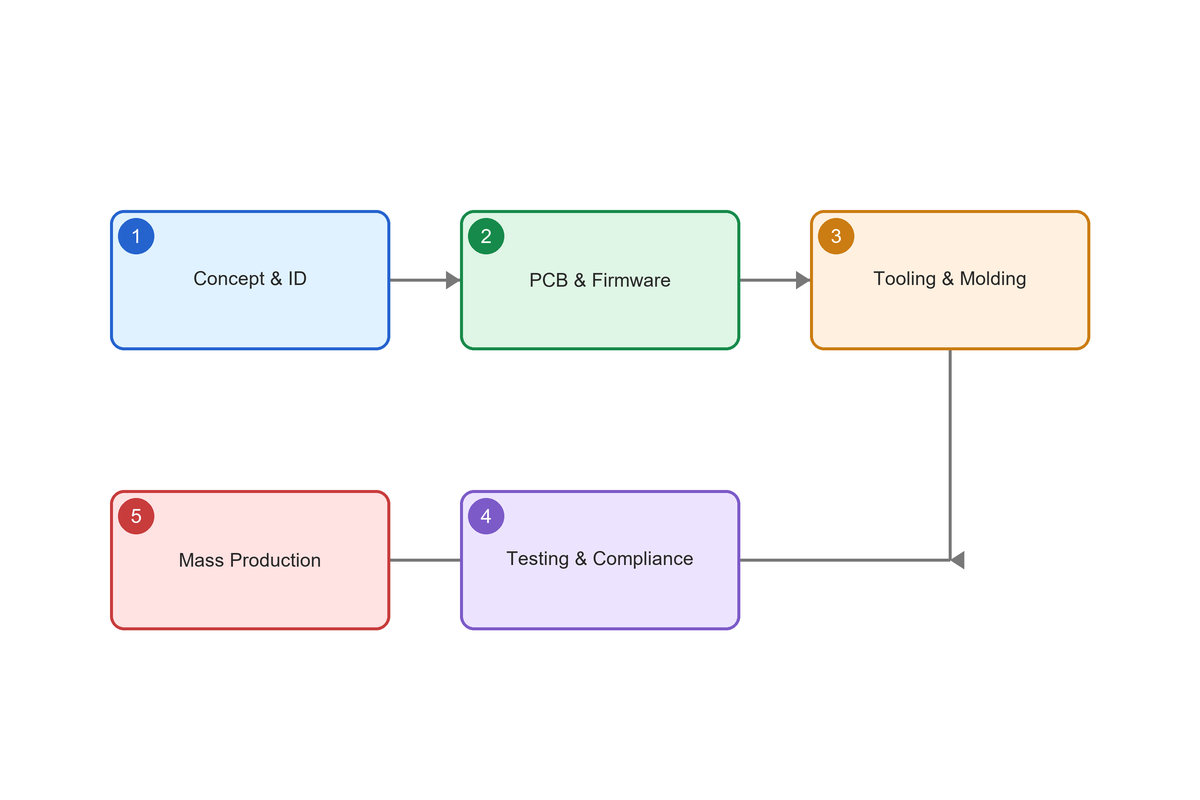
Precintl bridges the gap between early napkin sketches and commercial mass production. Handling industrial design, mechanical engineering, PCB layout, tooling, and final box-build under one roof eliminates miscommunication between separate design houses and factories.
Custom Electronics and Wearable Device Engineering
Precintl’s engineering teams specialize in high-density rigid-flex PCB design, ultra-low-power embedded firmware, miniaturized antenna integration, and multi-sensor fusion. We optimize hardware architectures specifically for low power consumption and sleek form factors.
Prototype Development and Product Validation
Precintl operates dedicated in-house prototyping facilities. We deliver high-precision 3D printed mechanical samples, CNC enclosures, and fast-turn SMT assembled circuit boards, allowing clients to validate hardware designs rapidly before committing to tooling.
OEM and ODM Manufacturing Support
Whether you require full custom OEM engineering from scratch or want to customize existing proven ODM hardware architectures, Precintl offers flexible business models that fit your development budget and launch timelines.
Quality Control and Production Reliability
Precintl maintains strict quality management standards throughout production. Utilizing automated optical inspection (AOI), functional circuit testing (FCT), automated RF testing, and 100% waterproof pressure testing guarantees every unit leaving our facility performs flawlessly in the field.
Final Thoughts: Choosing the Right Wearable Technology Opportunity
The market for specialized, application-specific hardware continues to expand rapidly. Success belongs to startups and brands that focus on clear user problems, maintain tight control over product margins, and follow disciplined hardware engineering processes.
Start With the Problem, Then Build the Product
Avoid building complex hardware simply because the technology exists. Identify a specific, painful problem in a defined market niche, calculate the economics, and engineer the simplest hardware solution that solves it elegantly.
Partner With an Experienced Wearable Product Development Team
Hardware development leaves zero margin for trial-and-error mistakes. Partnering with an experienced design and manufacturing team like Precintl saves hundreds of thousands of dollars in engineering rework, prevents regulatory delays, and ensures your hardware product arrives on market on schedule and within budget.
Frequently Asked Questions About Wearable Technology Products
What Are the Best Wearable Technology Products for Startups?
The best product opportunities for startups exist in specialized B2B or niche consumer markets—such as industrial safety sensors, specialized athletic training devices, pet safety hardware, and elderly fall monitors. These categories allow startups to secure high gross margins without competing directly against mass-market consumer tech giants.
What Is the Most Profitable Wearable Device to Develop?
Devices combining high-margin hardware (50%+ gross margin) with recurring software subscriptions (SaaS) yield the highest long-term profitability. Remote patient health monitors, enterprise worker safety equipment, and subscription-based pet GPS trackers generate continuous high-margin revenue streams.
How Much Does It Cost to Develop a Wearable Device?
Turnkey development costs generally range from $50,000 to $250,000+, depending on hardware complexity. This budget covers industrial design, PCB schematic and layout engineering, firmware development, prototype builds, plastic injection mold tooling, and mandatory regulatory compliance testing (FCC/CE).
How Long Does It Take to Develop a Wearable Product?
A typical hardware development cycle takes between 9 and 15 months from initial design concept to mass manufacturing delivery. Using pre-engineered ODM hardware platforms can shorten this timeline down to 3 to 6 months.
Can a Manufacturer Design a Custom Wearable Device?
Yes. Turnkey design and manufacturing partners like Precintl handle full custom product development—including industrial design, mechanical engineering, PCB layout, firmware creation, prototype fabrication, tooling, and mass production.
What Is the Difference Between Wearable OEM and ODM Manufacturing?
OEM (Original Equipment Manufacturing) involves building a 100% custom product based on your proprietary design and IP. ODM (Original Design Manufacturing) involves selecting an existing hardware design owned by the factory and placing your custom branding and superficial modifications onto it.
What Certifications Are Required for Wearable Electronics?
Most markets require mandatory electromagnetic compliance and environmental certifications, including FCC (USA), CE-RED (Europe), RoHS/REACH (chemical safety), and UN38.3 (lithium battery transport safety). Devices making medical claims require FDA approval or CE-MDR clearance.
How Do I Start Manufacturing a Wearable Technology Product?
Start by defining your target product specification document (PRD), outlining required sensors, battery target life, and retail price goals. Once defined, contact a qualified design and manufacturing partner like Precintl to review technical feasibility, estimate tooling costs, and map out your NPI production roadmap.