Deciding between OEM vs ODM manufacturing determines your production cost, IP ownership, and launch timeline. Learn which strategy fits your product specs and request a quote from Precintl today.
Bringing a hardware product to market requires making concrete decisions early in development. Selecting your production model directly affects upfront capital requirements, time to market, and ownership of core intellectual property. Companies typically choose between working with an original equipment manufacturer or an original design manufacturer. Understanding the structural OEM vs ODM difference helps hardware founders and procurement teams structure contracts, manage supply chain management risks, and select a reliable OEM vs ODM supplier.
OEM vs ODM Manufacturing: The Key Difference at a Glance
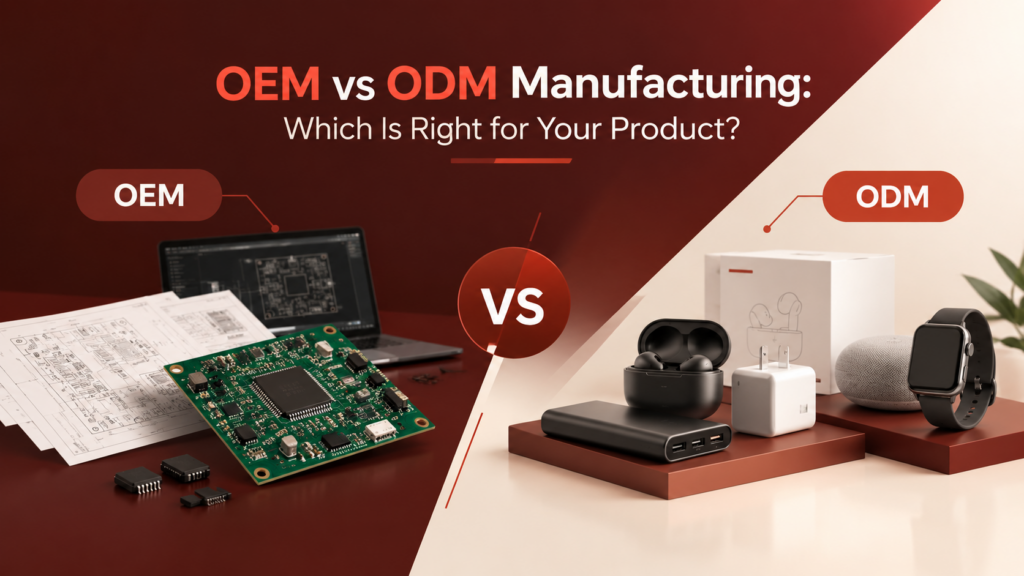
The choice between OEM vs ODM manufacturing hinges on who owns the initial product design and intellectual property. An OEM manufacturer builds hardware based strictly on technical drawings, schematics, and Bill of Materials (BOM) provided by the client. An ODM manufacturer designs and builds products internally, allowing clients to apply white-label branding or minor product customization.
OEM vs ODM: Quick Comparison
| Feature / Metric | OEM (Original Equipment Manufacturer) | ODM (Original Design Manufacturer) |
|---|---|---|
| Primary Ownership | Client owns design, schematics, and IP | Factory owns base design and internal IP |
| Upfront R&D Cost | High (full hardware and software engineering) | Low to Moderate (pre-engineered baseline) |
| Time to Market | 8 – 18+ Months | 3 – 6 Months |
| Customization Depth | Unlimited (full custom hardware development) | Moderate (enclosure tweaks, color, packaging) |
| Unit Costs | Optimized for mass production manufacturing | Higher margin per unit for low volumes |
| Tooling & Mold Needs | Custom tooling and injection molding required | Pre-existing tooling or modular modifications |
OEM and ODM: What Each Model Means for Your Business
Choosing an OEM vs ODM business model sets your operational trajectory. When you engage OEM manufacturing services, your internal team handles product engineering and hardware development before handing files off for factory execution. This grants complete operational control over every component, though it requires substantial engineering capital.
Conversely, leveraging ODM manufacturing services relies on established product platforms. An original design manufacturer lowers entry barriers by amortizing engineering costs across multiple clients. If you wonder OEM vs ODM which is right for your product, look at your internal engineering bandwidth and timeline constraints.
What Is OEM Manufacturing?
When asking what is OEM manufacturing, think of contract manufacturing executed to exact technical specifications. Under this model, your company acts as the product creator, generating CAD files, PCB layouts, and firm specifications. The OEM manufacturer provides factory floor space, machinery, assembly labor, and supply chain management to build the physical goods.
How the OEM Manufacturing Model Works
Understanding how does OEM manufacturing work begins with design transfer. You provide the factory with a comprehensive New Product Introduction (NPI) package, including step files, Gerber files, and quality control guidelines. The factory sets up production lines, sources components from validated vendors, and executes mass production. The OEM product development process requires close engineering oversight from your side to clear technical roadblocks.
What an OEM Manufacturer Provides
An OEM manufacturer provides raw fabrication, surface-mount technology (SMT) lines, assembly workers, testing jigs, and functional validation equipment. They focus on manufacturing efficiency, yield optimization, and vendor management. They do not design your circuits, draft your mechanical enclosures, or resolve fundamental architectural flaws in your engineering.
When OEM Manufacturing Is the Better Choice
Selecting OEM manufacturing makes sense when your product relies on proprietary technology or patented features that require absolute design control.
Advantages of OEM Manufacturing
- Full IP Protection: You retain 100% ownership over all CAD models, Gerber files, and source code.
- Complete Supply Chain Visibility: You approve specific component choices, down to passive resistors and integrated circuits.
- Uncompromised Differentiation: Your hardware looks, feels, and performs unlike anything else on the market.
Limitations of OEM Manufacturing
- High Initial Investment: Requires significant upfront capital for prototype development, engineering, tooling, and testing.
- Extended Development Cycles: Moving from preliminary architecture to full volume production often spans over a year.
Related: PCB Design: Complete Guide to PCB Layout, DFM, Manufacturing & Assembly
What Is ODM Manufacturing?
Understanding what is ODM manufacturing involves looking at ready-to-market solutions. An original design manufacturer develops complete hardware platforms in-house, covering mechanical layout, electronic engineering, and firmware integration. Clients purchase these designs and apply custom branding, unique packaging, or surface finish tweaks.
How the ODM Manufacturing Model Works
Learning how does ODM manufacturing work centers around selecting a pre-existing platform from a factory catalog. The factory presents baseline units that passed standard certification testing. You select a base model, specify your branding requirements, and request permitted OEM product customization options. The factory then adapts its current assembly line to produce your branded batch.
What an ODM Manufacturer Provides
An ODM manufacturer provides a complete, turn-key product infrastructure. They handle design for manufacturing (DFM), internal component sourcing, testing, regulatory approvals, and initial assembly. Their turnkey setups let companies sell finished hardware without hiring internal electrical or mechanical engineers.
When ODM Manufacturing Is the Better Choice
When evaluating when to choose ODM manufacturing, speed and cash flow rank highest. It suits companies entering established product categories where custom architecture offers diminishing financial returns.
Advantages of ODM Manufacturing
- Rapid Deployment: Go from concept approval to market delivery within a few months.
- Lower Initial Costs: Eliminates the heavy capital required for custom tooling and injection molding or ground-up engineering.
- Proven Reliability: Base architectures have already gone through iterative testing and production cycles.
Limitations of ODM Manufacturing
- Limited Intellectual Property: The factory retains core design ownership; competitors can brand the same base platform.
- Restricted Customization: Major changes to board layout or mechanical dimensions are rarely permitted.
OEM vs ODM: What Is the Difference?
Evaluating the core difference between OEM and ODM involves analyzing several operational axes, ranging from technical control to legal ownership.
| PRODUCT INTELLECTUAL PROPERTY | |
|---|---|
| OEM Model | [ Your Team ] ======= Owns Design ======> [ Factory ] |
| ODM Model | [ Factory ] <===== Retains Design ===== [ Your Team ] |
Product Design Ownership
In OEM manufacturing, product design resides entirely with the hiring company. You generate the CAD files, circuit schematics, and industrial design models. In an ODM setup, the factory owns the underlying design blueprints, schematics, and tooling rights.
Customization and Engineering Control
OEM allows total custom engineering. You dictate component selection, enclosure geometry, user interfaces, and board layouts. ODM limits adjustments to surface-level changes like exterior colors, surface textures, logo placement, and packaging.
Intellectual Property and Product Ownership
IP ownership represents a distinct legal boundary. With an OEM vs ODM manufacturer, OEM arrangements assign all IP created during production to you. Under an ODM structure, the factory guards its core design IP, granting you rights only to use your registered trademark on the finished goods.
Development Responsibility
Under an OEM model, your engineering team manages design iterations, handles initial testing, and resolves functional defects. In an ODM arrangement, the manufacturer assumes technical accountability for design validation and continuous product iterations.
Manufacturing and Supply Chain Management
OEM clients maintain direct say over supply chain sources, demanding specific component vendors to ensure quality. ODM partners handle all sub-tier suppliers independently, changing internal components to manage costs as long as external performance specs hold steady.
Development Timeline and Time to Market
ODM product development bypasses long architectural phases, allowing products to hit shelves in 3 to 6 months. OEM product design and manufacturing requires iterative prototyping, testing, and custom setup, stretching launch timelines to 12 or 18 months.
Cost Structure and Investment
OEM demands heavy upfront capital for design fees, custom tooling, and validation testing, yielding lower per-unit costs at high volumes. ODM lowers initial setup spending, though factories capture higher margins per unit.
Related: Product Design Explained: How to Turn Your Idea into a Manufacturable Product (2026)
OEM vs ODM Manufacturing Cost: What Should You Expect?
Analyzing OEM vs ODM cost structures requires separating initial non-recurring engineering (NRE) fees from ongoing unit prices.
OEM Development and Manufacturing Costs
OEM projects carry heavy NRE fees. You pay directly for schematic capture, PCB layout engineering, mechanical design, prototype runs, and dedicated factory setup. Expect initial development budgets to range from tens of thousands to hundreds of thousands of dollars before mass production manufacturing begins.
ODM Development and Manufacturing Costs
An ODM structure minimizes upfront spending because the factory amortizes original development expenses across all clients buying that platform. Upfront fees usually cover simple setup tasks, custom packaging layouts, and initial sample modifications.
Tooling, Prototyping and Engineering Expenses
Custom tooling and injection molding represents a huge cost difference in the OEM vs ODM comparison. OEM projects require custom steel or aluminum molds for unique enclosures, often costing $15,000 to $80,000+. ODM platforms use off-the-shelf molds, saving you from major upfront tooling investments.
How Production Volume Affects Unit Cost
| Model | Upfront NRE | Unit Cost Trend | Best Suited For |
|---|---|---|---|
| OEM (Original Equipment Manufacturer) | High | Lowest unit cost at scale (shallow slope) | High-volume mass production |
| ODM (Original Design Manufacturer) | Low to Moderate | Higher unit cost slope (steeper rise per unit) | Low- to mid-volume, faster time-to-market |
OEM unit costs drop sharply once volume amortizes tooling costs, making it cheaper at scale. ODM unit costs remain stable across low-to-medium volumes, offering predictable margins without demanding large minimum order quantities (MOQs).
OEM vs ODM Product Development Process
Building hardware follows a structured progression to convert ideas into physical shipments.
Concept and Product Requirements
Every project starts by defining clear requirements. Teams draft a Product Requirement Document (PRD) specifying dimensions, power consumption, environmental resistance, target BOM cost, and functional expectations.
Engineering and Industrial Design
Industrial designers create ergonomic and visual concepts while mechanical and electrical engineers build underlying physical architectures. Engineers draw circuit schematics, lay out multi-layer PCBs, and build 3D CAD models of internal assemblies.
Prototype Development
Teams build physical prototypes to test form factor and basic functionality. Early functional prototypes validate circuit behavior, while visual models confirm physical layout and user interaction.
Design for Manufacturing (DFM)
Design for manufacturing (DFM) bridges conceptual engineering and factory reality. Engineers optimize board layouts, wall thicknesses, draft angles, and component spacing to reduce defect rates during high-speed production.
EVT, DVT and PVT Validation
The validation cycle tests quality step by step:
- Engineering Validation Test (EVT): Confirms core circuitry and functional performance meet PRD requirements.
- Design Validation Test (DVT): Verifies physical durability, environmental tolerances, and visual finish using final production materials.
- Production Validation Test (PVT): Tests assembly lines at speed to identify bottleneck steps before full mass production.
Certification and Compliance Testing
Before commercial shipping, hardware undergoes lab testing for standards like FCC, CE, RoHS, and UL. Passing compliance tests verifies safety and prevents regulatory holds at customs.
Tooling and Production Readiness
Factories cut steel molds, build custom assembly fixtures, and construct dedicated test jigs during this stage. Quality teams lock down inspection criteria and train line operators.
Pilot Production and Mass Manufacturing
A small pilot production run tests line yield and assembly efficiency. Once quality engineers approve the pilot batch, the factory starts mass manufacturing to fulfill commercial purchase orders.
OEM vs ODM: Which Model Gives You More Product Control?
Determining OEM vs ODM which is better depends on the technical control your product demands.
Custom Hardware and Electronics Requirements
If your hardware relies on specialized microcontrollers, unique sensor arrays, or precise power management, OEM is essential. ODM platforms stick to standard configurations that cannot accommodate radical layout changes.
Software, Firmware and Connectivity Requirements
Custom firmware features, proprietary wireless protocols, or specialized cloud connections demand full control over hardware registers. OEM manufacturing lets your software engineers control the raw hardware architecture directly.
Mechanical Design and Enclosure Customization
Unique physical dimensions, waterproofing ratings, or premium industrial designs demand custom mechanical engineering. OEM lets you control every curve, seal, and internal mounting boss.
Branding, Packaging and User Experience
While ODM handles basic logo printing and outer box designs, true user experience differentiation demands an OEM approach. Custom unboxing flows, bespoke material finishes, and tailored indicator lights require custom manufacturing control.
When Should You Choose OEM Manufacturing?
Choosing when to choose OEM manufacturing comes down to strategic focus and competitive advantage.
Choose OEM When You Already Have a Product Design
If your in-house team already completed hardware engineering, mechanical schematics, and firmware development, you simply need a factory to build it. An OEM manufacturer executes your established blueprint efficiently.
Choose OEM When Product Differentiation Is Critical
If your product competes on novel performance features, proprietary form factors, or technical breakthroughs, ODM platforms will hold you back. OEM manufacturing builds your exact vision without compromise.
Choose OEM When You Need Full Engineering Control
Regulated industries like medical hardware, aerospace accessories, and industrial safety tools demand strict control over component traceabilities. OEM manufacturing gives you complete oversight of every sub-supplier.
Choose OEM When You Own the Product IP
If core enterprise value rests on patentable hardware innovations, you must maintain clean legal ownership. OEM manufacturing protects your IP by ensuring contract facilities never gain underlying design rights.
When Should You Choose ODM Manufacturing?
Selecting when to choose ODM manufacturing aligns with fast market entry and lean operations.
Choose ODM When You Need Faster Product Development
When speed determines market entry, building hardware from scratch takes too long. An ODM platform lets you launch branded hardware within a few months.
Choose ODM When You Need Engineering Support
If your company excels at marketing, sales, and distribution but lacks internal electrical or mechanical engineers, ODM fills the gap. The factory handles technical development while you build the brand.
Choose ODM When You Want to Customize an Existing Platform
If a standard market solution meets 90% of your product requirements, developing custom hardware wastes capital. ODM manufacturing lets you customize colors, packaging, and exterior branding at a fraction of the cost.
Choose ODM When You Want to Reduce Development Complexity
Skipping ground-up hardware engineering eliminates major operational risks. You avoid protracted prototype phases, tool redesigns, and early yield failures.
OEM vs ODM for Electronics and Smart Products
Different product verticals lean toward specific manufacturing models based on complexity and customization requirements.
Consumer Electronics
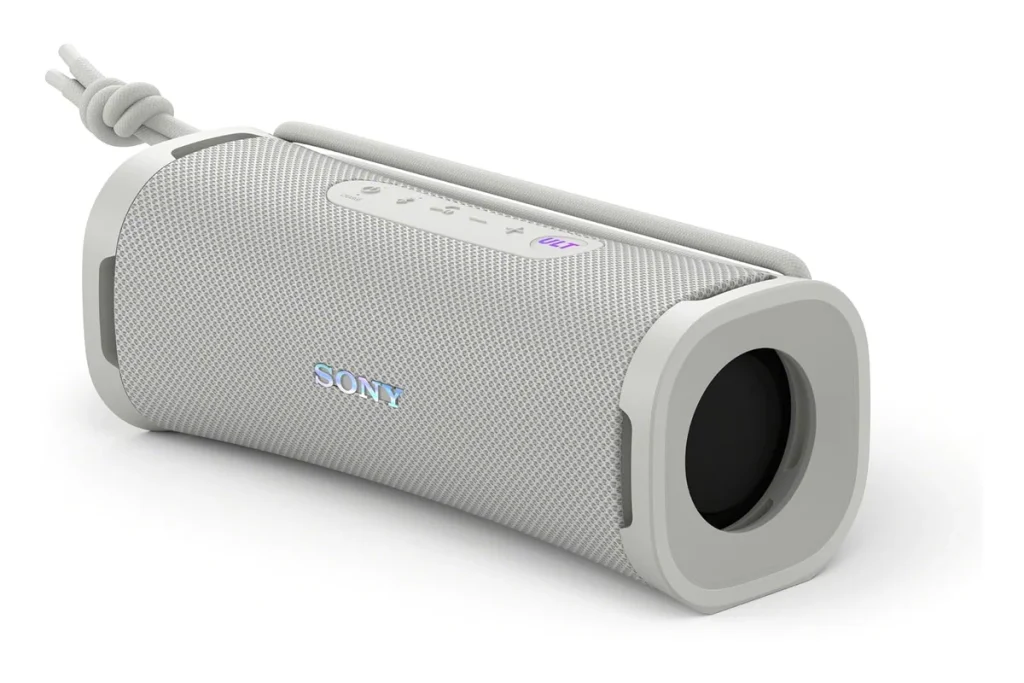
Standard gadgets like USB hubs, chargers, and basic Bluetooth speakers rely heavily on ODM manufacturing. Conversely, high-end laptops, premium headphones, and novel gaming gear use OEM setups for market differentiation.
IoT and Connected Devices
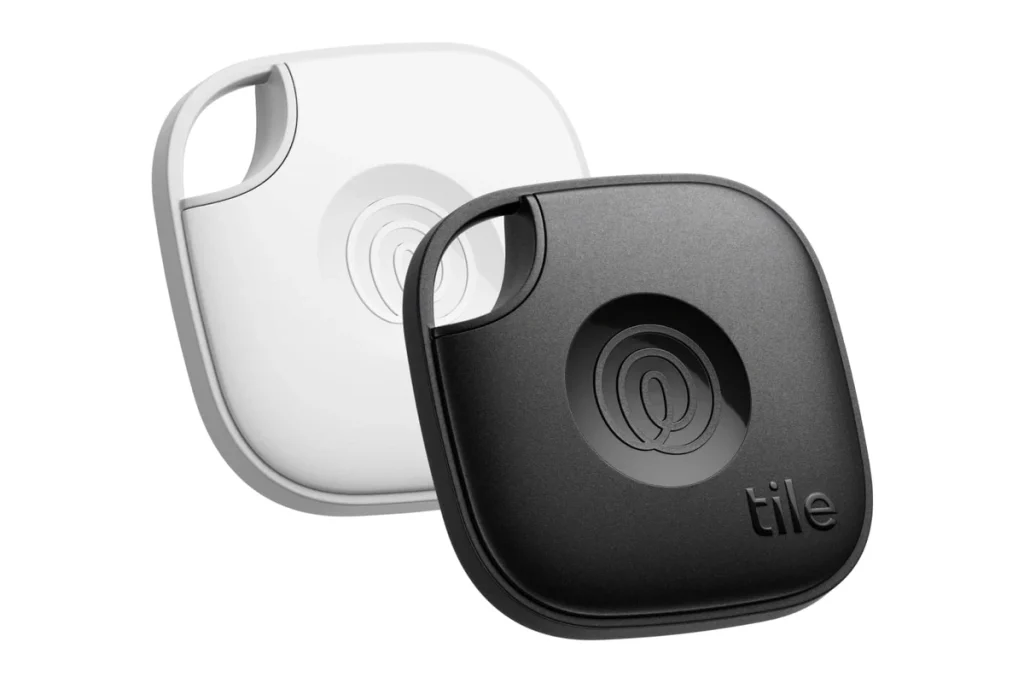
Custom IoT deployment often requires tailored radio frequency layout and low-power component selection, pushing teams toward OEM. Simple tracking tags or basic environmental sensors frequently rely on existing ODM platforms.
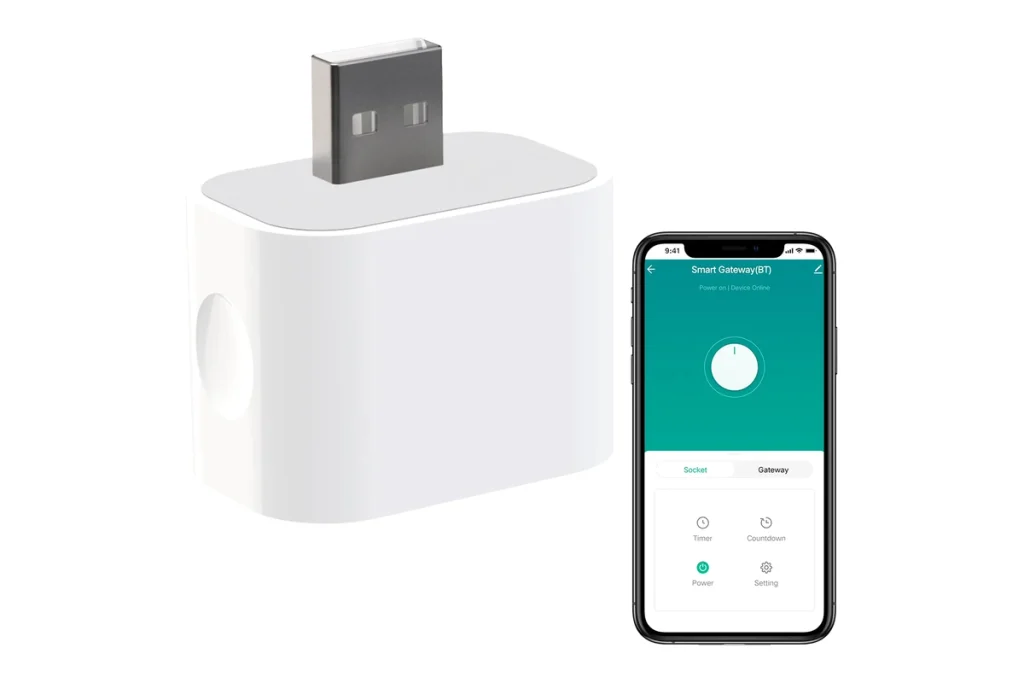
Smart Home Products
Smart plugs and standard LED controllers build easily on ODM designs. Complex home automation hubs featuring proprietary mesh protocols require custom OEM product development.
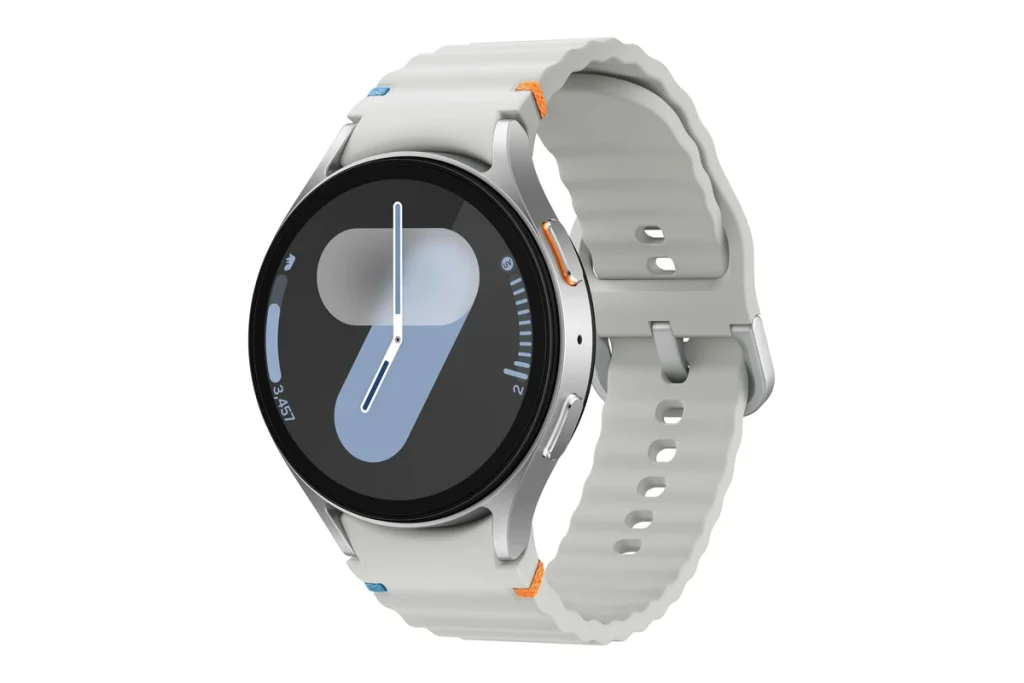
Wearable Technology
Fitness bands with unique ergonomic profiles or medical-grade biometric sensors require OEM precision. Generic step-counters and basic smartwatches often originate from white-label ODM suppliers.

Pet Technology and Smart Pet Products
Smart feeders and interactive pet toys often start on ODM bases to test market demand. Products using custom camera tracking or specialized health sensors transition into dedicated OEM manufacturing runs.
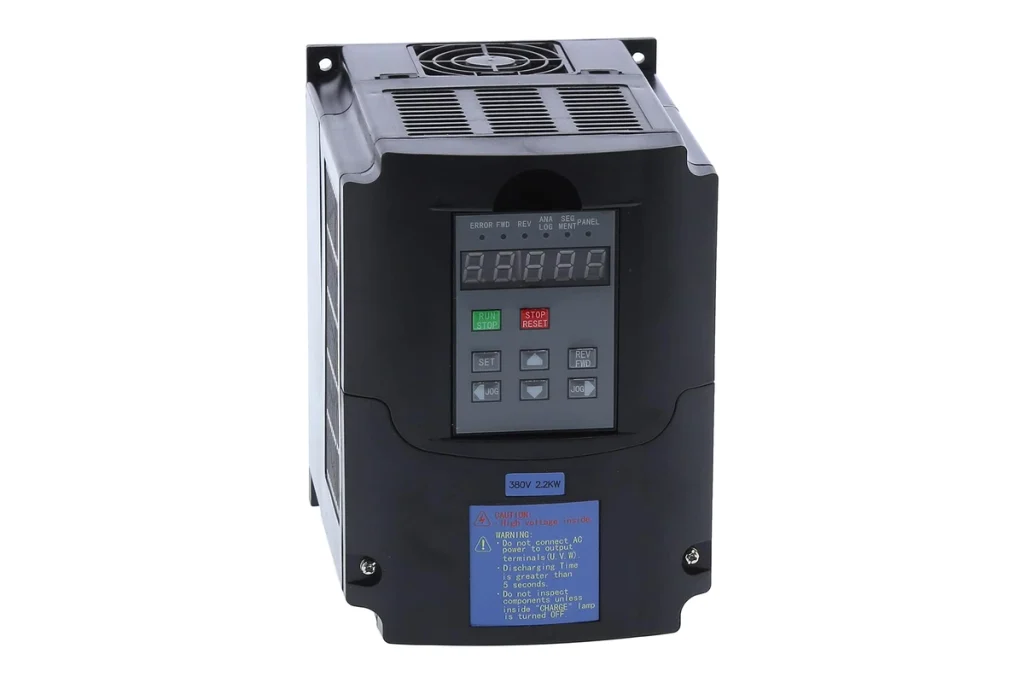
Industrial Electronics
Industrial monitors, motor controllers, and ruggedized sensors demand strict component stability and specialized certifications. This makes OEM manufacturing the standard choice for industrial applications.
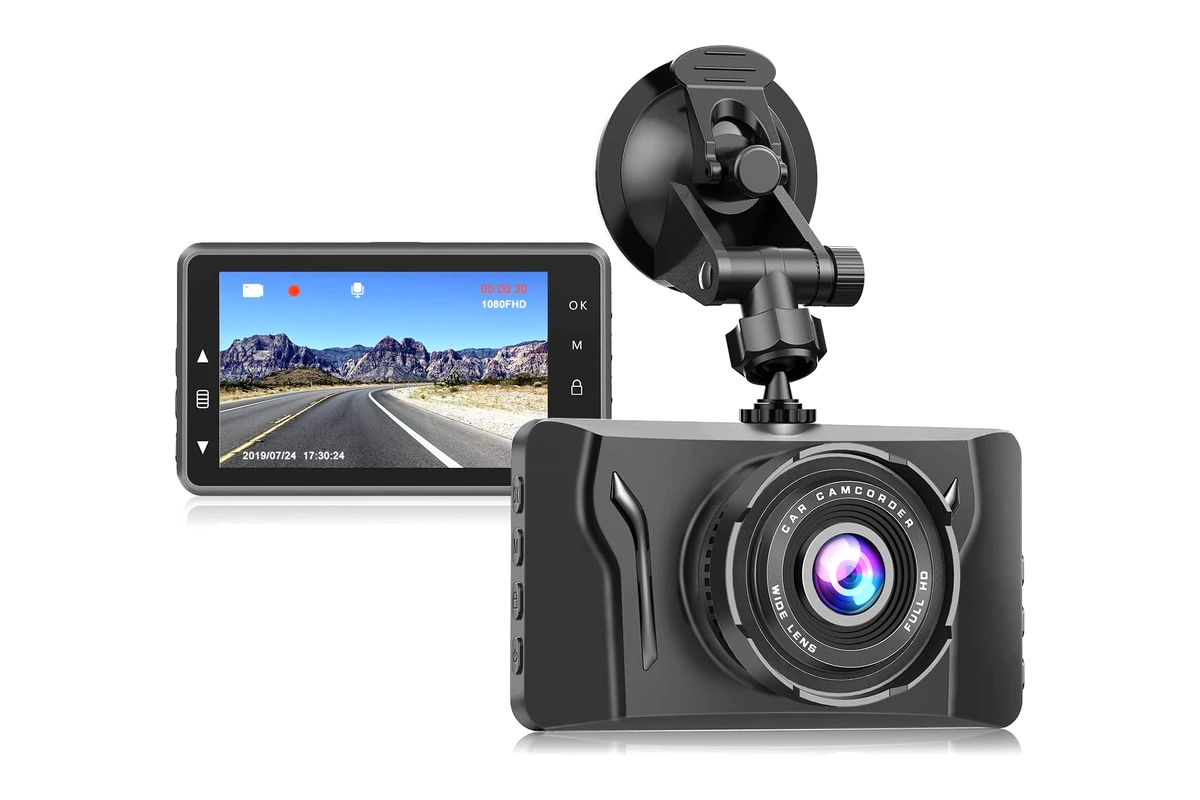
Automotive Electronics and Accessories
Dashcams and basic cabin chargers fit standard ODM offerings. Integrated vehicle telemetry units and custom diagnostic tools demand strict OEM hardware development for safety and compliance.
How to Choose Between an OEM and ODM Manufacturer
Navigating how to choose an OEM manufacturer or how to choose an ODM manufacturer requires systematically assessing your operational readiness.
Evaluate Your Product Development Stage
Map your project stage honestly. If you have production-ready CAD files, hire an OEM. If you only have a high-level product idea and market analysis, evaluate ODM suppliers.
Determine Your Required Level of Customization
Decide whether unique industrial design is crucial to sales. If standard enclosures hurt your brand positioning, budget for custom OEM tooling.
Assess Your Internal Engineering Capabilities
Executing an OEM build requires technical expertise on your team to oversee DFM, address firmware bugs, and audit production lines. Without internal technical leadership, an ODM partner provides needed engineering structure.
Compare Development Budget and Production Volume
Balance initial cash reserves against long-term unit margins. If you have limited launch capital, start with an ODM model. If you hold strong funding and project high sales volumes, OEM yields better long-term unit margins.
Review Manufacturing Capabilities and Equipment
Audit target facilities for production machinery. Look for modern SMT lines, automated optical inspection (AOI) gear, environmental testing chambers, and controlled assembly environments.
Related: 15 Smart Home Product Ideas Worth Manufacturing in 2026
Verify Quality Control and Testing Processes
A capable factory maintains strict quality gates across production:
| Step | Stage | Abbreviation |
|---|---|---|
| 1 | Incoming Components | IQC |
| 2 | In-Process Assembly | IPQC |
| 3 | Final Testing | FQC / OQC |
Require potential partners to demonstrate clear testing flows, including functional bed-of-nails testing and burn-in routines.
Evaluate Supply Chain and Component Sourcing
Ask how the factory handles component lead times and allocation risks. A well-connected OEM or ODM manufacturer leverages strong vendor relationships to secure critical silicon during supply shortages.
Check Certifications and Regulatory Support
Confirm the factory maintains relevant quality certifications like ISO 9001, ISO 13485 (medical), or IATF 16949 (automotive). Verify they can guide your hardware through regulatory compliance testing.
Review Communication, NPI and Project Management
Ensure the supplier assigns dedicated English-speaking NPI managers. Clear communication channels, weekly status reporting, and structured engineering change order (ECO) management prevent project delays.
OEM vs ODM Manufacturing: Common Mistakes to Avoid
Hardware teams often run into predictable pitfalls when negotiating manufacturing relationships.
Choosing a Manufacturer Based Only on Unit Price
Selecting a factory solely for the lowest unit quote often leads to hidden expenses. Unusually cheap quotes often hide poor component choices, low testing rigor, and high defect rates that erode long-term margins.
Starting Production Before Design Validation
Skipping full EVT/DVT testing cycles to meet aggressive launch deadlines leads to field failures. Fixing functional flaws during mass production costs vastly more than resolving them in early prototyping.
Underestimating Tooling and Certification Costs
Founders often budget for unit costs while overlooking custom tooling, test fixtures, and lab certification fees. Account for these non-recurring expenses directly in your initial funding plan.
Failing to Define Product Ownership and IP Terms
Unclear IP contracts create legal challenges. Ensure your agreement explicitly states who owns modified circuit layouts, custom firmware code, and production molds before transferring money.
Selecting a Factory Without NPI Experience
High-volume factories excel at running established assembly lines, but often struggle with early-stage development problems. Choose a partner with a dedicated NPI team equipped for iterative engineering changes.
Ignoring Long-Term Supply Chain Requirements
Failing to audit component lifecycles leads to early product redesigns when key chips reach end-of-life (EOL). Require suppliers to source long-lifecycle components with clear multi-year availability roadmap commitments.
Related: 25 Smart Pet Product Ideas for Pet-Tech Brands in 2026
OEM vs ODM Manufacturing Decision Framework
Use this structured decision framework to determine the optimal production path for your business goals.
Choose OEM If Your Priority Is Maximum Product Control
If your primary objective centers on owning proprietary technology, enforcing tight design tolerances, and building long-term enterprise value through unique hardware IP, commit to OEM.
Choose ODM If Your Priority Is Faster Product Development
If your strategic focus prioritizes entering the market fast, validating customer demand, and minimizing upfront development risks, select ODM platforms.
Consider a Hybrid OEM + ODM Approach
Many growing hardware brands adopt a hybrid strategy. They launch an initial white-label ODM product to validate sales channels and generate cash flow, then invest those profits into ground-up OEM product customization for their next generation.
Match the Manufacturing Model to Your Business Goals
Align production models with core competencies. If your team excels at brand building and marketing, leverage ODM capabilities. If core value lies in deep technical innovation, build through OEM channels.
Questions to Ask an OEM or ODM Manufacturing Partner
Interview prospective partners with targeted operational questions before signing manufacturing agreements.
Can the Manufacturer Support Product Design and Engineering?
Clarify whether the factory maintains dedicated on-site mechanical, electrical, and firmware engineers, or if they outsource technical work to third-party firms.
Does the Manufacturer Handle Prototyping and Validation?
Ask about internal prototyping equipment, rapid turnaround options, and on-site testing capabilities for early validation runs.
Can They Support EVT, DVT and PVT?
Confirm the factory follows structured validation milestones and provides detailed test reports at each phase before moving to mass production.
How Do They Manage DFM and Manufacturing Optimization?
Request examples of previous DFM feedback reports. A quality partner identifies layout flaws, component consolidation opportunities, and cost reductions before cutting molds.
How Is Intellectual Property Protected?
Review factory security measures, access controls, internal NDA enforcement, and data protection practices to safeguard your project files.
Can They Scale From Prototype to Mass Production?
Confirm the factory supports flexible initial production runs while maintaining floor capacity to scale output as your sales demand grows.
What Quality Management Systems Are in Place?
Audit quality documentation, trace assembly inspection logs, and confirm active ISO certifications to ensure consistent production quality.
Frequently Asked Questions
Which model offers better IP protection: OEM or ODM?
OEM manufacturing offers superior IP protection because your company creates and legally owns all CAD files, circuit schematics, and source code. Under an ODM arrangement, the manufacturer owns the underlying base hardware design.
Can I transition from an ODM to an OEM model later?
Yes. Many brands start with an ODM platform to quickly test market demand with minimal upfront cost. Once sales grow, they use revenue and customer feedback to engineer a fully custom OEM product from the ground up.
How do MOQs differ between OEM and ODM suppliers?
ODM suppliers usually offer lower minimum order quantities (MOQs) because they use pre-existing assembly lines and standard components. OEM manufacturers often require higher MOQs to offset the custom setup, tooling, and dedicated line configurations involved.