
Discover how an original design manufacturing (ODM) turns hardware concepts into market-ready products. Learn about processes, costs, and OEM vs ODM trade-offs in 2026. Contact Precintl to discuss your custom manufacturing project today.
Bringing hardware products to market requires capital, technical resources, and manufacturing infrastructure. Building internal engineering teams and setting up factories takes years, often pricing brands out of market opportunities. Working with an original design manufacturer ODM services gives companies an established path to transform ideas into physical products without capital expenditure on physical plants.
What is an Original Design Manufacturer?
An original design manufacturer ODM handles both product engineering and factory production. Instead of building a device design from scratch, brands partner with an ODM company that maintains pre-designed, fully tested hardware architectures. The brand adds custom branding, modifies enclosure aesthetics, or tailors software features while relying on the manufacturer for structural engineering and assembly.
Why ODM manufacturing is growing in 2026
Hardware lifecycles are shorter than ever. Electronics brands, IoT firms, and medical equipment providers require rapid iteration to maintain market share. Rising component costs and supply chain shifts make internal R&D risky for mid-sized enterprises. By leveraging turnkey manufacturing solutions, businesses bypass raw engineering bottlenecks, shorten lead times, and control baseline production budgets.
Who should consider ODM?
ODM suits businesses seeking speed and efficiency over proprietary ground-up designs:
- Hardware startups launching their first physical device on a lean budget.
- Established brands diversifying into smart devices or wearable technology without expanding internal engineering staff.
- E-commerce sellers shifting from private label manufacturing to custom product manufacturing with custom housing and firmware.
- Enterprise buyers looking for reliable outsource product manufacturing without operational overhead.
What readers will learn from this guide
This guide covers everything you need to evaluate, select, and manage an ODM partnership. You will learn how does ODM work, review the step-by-step engineering verification stages, compare OEM vs ODM vs contract manufacturing, and analyze how to choose an ODM manufacturing partner that fits your product roadmap.
What Is an Original Design Manufacturer (ODM)?
Definition of ODM Manufacturing
Original Design Manufacturing (ODM) describes a production model where a supplier owns the intellectual property or base engineering design for a product, which is then manufactured for another brand to sell. The buyer selects an existing base design, requests specific modifications, applies custom logos and packaging, and sells the unit under its brand identity.
How ODM Differs from Traditional Manufacturing
Traditional manufacturing models require the client to supply complete CAD files, bill of materials (BOM), and assembly instructions. Contract Manufacturing (CM) operates strictly as an execution engine: they build what you give them. In contrast, Original Design Manufacturing (ODM) shifts the burden of structural engineering, PCB layout, and mechanical design to the supplier. You buy a proven platform rather than designing every screw and circuit from scratch.
Why Businesses Choose ODM Over Building Products In-House
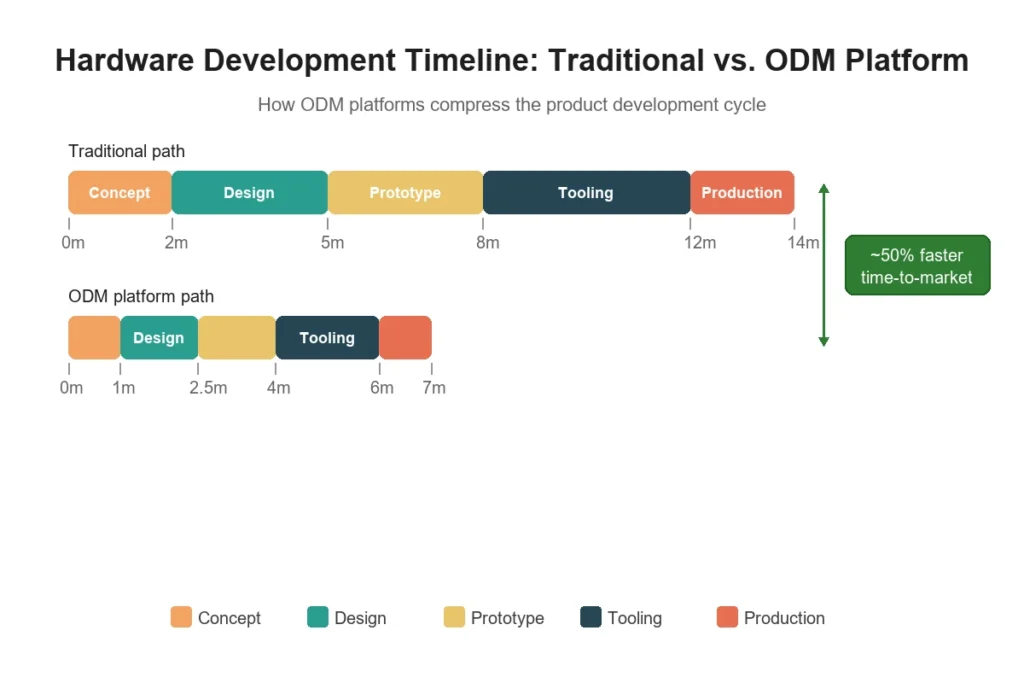
Building complex hardware internally demands electrical engineers, mechanical designers, firmware developers, and compliance managers. The financial burden of maintaining this team before shipping a single unit creates significant overhead. Choosing an experienced hardware development company allows businesses to transfer technical risk, cut development timelines by 50% or more, and direct capital toward marketing, customer acquisition, and channel distribution.
How the ODM Manufacturing Process Works
Understanding the ODM manufacturing process explained below helps buyers monitor progress, align quality standards, and avoid delayed launches.
Product Concept and Market Research
Every project starts with defining target specifications. Buyers present functional requirements, price targets, and target market certifications to the product design company. The manufacturer cross-references these requests against existing internal hardware platforms to determine the closest functional match.
Product Design and Engineering
Once the base model is selected, industrial design services refine external aesthetics, housing materials, and user interfaces. Simultaneously, Product Engineering teams modify the circuit schematics, integrate requested wireless protocols, and adapt firmware.
Prototype Development
Engineers build initial functional units through Rapid Prototyping. Using 3D printing, CNC Machining, and short-run PCB assembly manufacturer capabilities, the team produces physical prototypes to test form, fit, and basic electronic functionality.
Engineering Validation Test (EVT)
During the EVT stage, engineers verify that the physical prototype meets functional specifications. Thermal performance, signal integrity, power consumption, and primary electronic product manufacturing parameters undergo rigorous testing.
Design Validation Test (DVT)
DVT shifts focus to physical durability and regulatory preparedness. Units undergo environmental testing, drop tests, stress tests, and preliminary checks for CE Certification, FCC Certification, and RoHS Compliance. Mechanical tooling, such as Injection Molding dies, is finalized during this window.
Production Validation Test (PVT)
PVT uses mass-production tooling on actual assembly line equipment. This step verifies that the factory floor can build units at target yields, cycle times, and quality levels before launching full Mass Production.
Tooling and Manufacturing Preparation
Factory management sets up dedicated assembly lines, calibrates automated test fixtures, installs custom firmware flashing jigs, and trains assembly workers on product-specific assembly documentation.
Mass Production
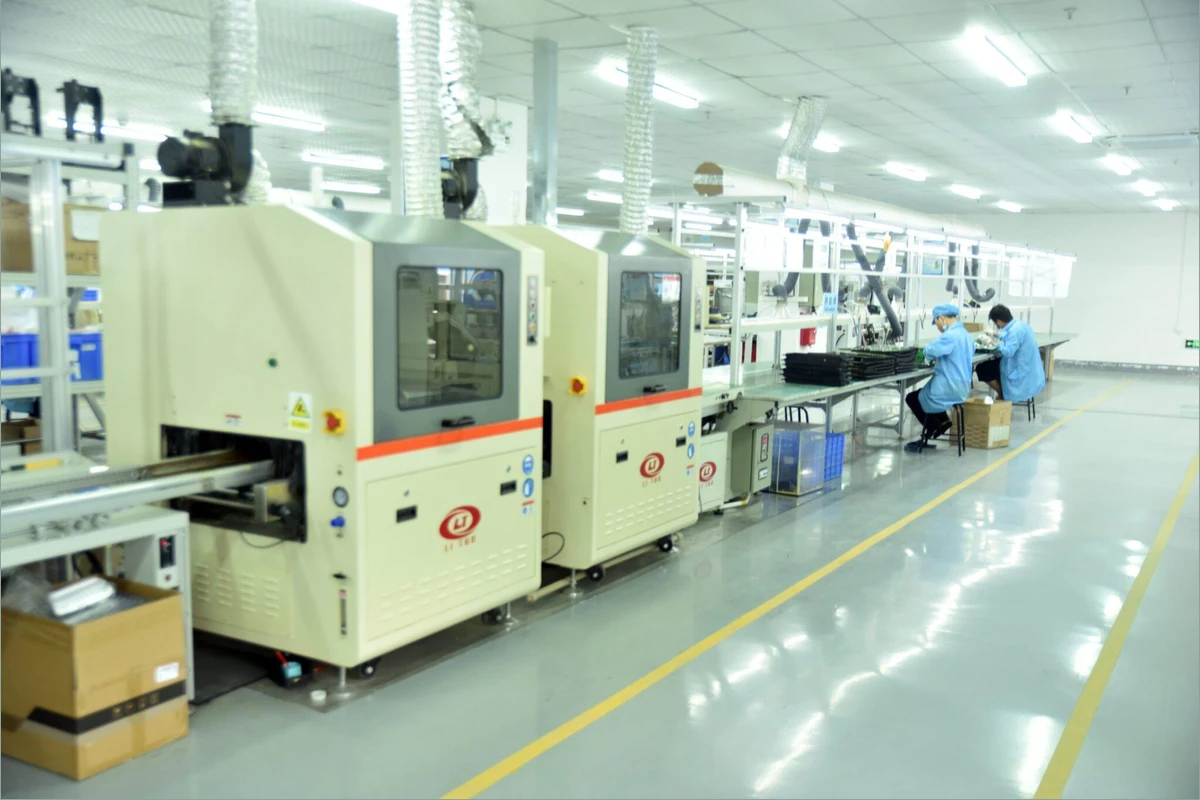
With PVT sign-off complete, full-scale production begins. SMT machines perform high-speed PCB Assembly, plastic enclosures drop from injection molds, and operators execute final assembly under controlled production schedules.
Quality Assurance and Product Inspection
Quality Assurance (QA) teams audit incoming raw materials, execute in-line inspections, and perform functional testing on finished units. Independent inspectors verify compliance against ISO 9001 standards prior to final packaging.
Global Shipping and After-Sales Support
The manufacturer packages products, arranges customs documentation, and coordinates freight through an integrated product sourcing company or logistics network. Post-delivery support covers RMA processing, spare parts supply, and firmware revisions across the product lifecycle management window.
ODM vs OEM Manufacturing: What’s the Difference?
Selecting the right partnership model requires analyzing the core structural difference between OEM and ODM.
ODM Manufacturing Explained
In ODM, the supplier provides both the design and the manufacturing capabilities. The buyer selects a ready-to-produce or easily modified architecture, keeping upfront product design and manufacturing investments minimal.
OEM Manufacturing Explained
Under Original Equipment Manufacturing (OEM), the client retains ownership of all product designs, CAD models, and engineering IP. The Original Equipment Manufacturing (OEM) factory simply manufactures the physical units according to client-provided specifications.
ODM vs OEM Manufacturing: What’s the Difference?
Selecting the right partnership model requires analyzing the core structural difference between OEM and ODM.
ODM
Original Design Manufacturer
OEM
Original Equipment Manufacturer
CM
Contract Manufacturing
Which Manufacturing Model Is Best for Your Business?
Choose ODM when speed, lower R&D investment, and proven hardware platforms are your priorities. It is the preferred option for startups, growing brands, and companies looking to shorten development cycles while minimizing engineering risk.
Choose OEM if your business already owns a proprietary product design and requires complete control over intellectual property, engineering specifications, and product architecture.
Choose Contract Manufacturing (CM) when your engineering work is already complete and you simply need a trusted manufacturing partner capable of producing your product efficiently at scale.
Advantages of Working With an Original Design Manufacturer
Partnering with an ODM manufacturer yields distinct financial and operational advantages for growing hardware brands.
Faster Time to Market
Using pre-engineered hardware platforms cuts months off the design cycle. Instead of spending a year troubleshooting circuit board architecture, you begin at the prototype stage and ship within three to six months.
Lower Product Development Costs
Non-recurring engineering (NRE) costs plummet under an ODM workflow. The factory amortizes core platform development across multiple clients, letting you launch custom hardware without taking on six-figure engineering bills.
Reduced Engineering Risks
Designing new circuit layouts from scratch carries high failure risks during regulatory testing. Because an established ODM company reuses validated circuit layouts, baseline design flaws are eliminated before your production run starts.
Access to Experienced Product Designers
Top manufacturers maintain in-house teams specialized in industrial design services, thermal management, and radio-frequency (RF) integration. You gain immediate access to high-tier engineering without full-time payroll commitments.
Easier Product Customization
Modern ODM models support flexible housing modifications, custom surface finishes, laser-etched branding, tailored packaging, and custom firmware defaults—giving off-the-shelf platforms a distinct, brand-aligned feel.
Scalable Manufacturing Capacity
Established factories hold high-volume component allocations and automated production lines. As demand surges, an ODM manufacturing company scales output without requiring you to invest in hardware assembly infrastructure.
Supply Chain Efficiency
Top suppliers maintain direct relationships with silicon vendors and passive component makers. Integrated supply chain management minimizes component lead-times and protects your margins against spot-market price spikes.
Better Quality Control
Factories running the same platform repeatedly develop highly refined assembly steps and automated functional testing routines. This repetition delivers reliable defect-free yields compared to single-run custom setups.
Potential Challenges of ODM Manufacturing
While benefits are substantial, managing operational trade-offs requires clear strategy and strict contracts.
Product Differentiation
Because ODMs offer base platforms to multiple clients, competitors might buy similar core hardware. Overcome this by investing in custom enclosure tooling, distinct software UI, unique material finishes, and proprietary feature add-ons.
Intellectual Property Considerations
Determining who owns specific engineering modifications can become complex. Ensure your contract explicitly states that custom firmware adjustments, unique housing tooling, and branded software assets remain your company’s exclusive IP.
Manufacturing Flexibility
ODM platforms rely on specific component selections. Requesting radical changes to underlying microcontrollers or mainboard layouts can compromise benefits of ODM manufacturing, effectively turning an ODM project back into an expensive OEM rework.
Supplier Selection Risks
Working with an unvetted supplier opens your business to component swapping, missed deadlines, or substandard soldering quality. Conducting independent factory audits mitigates these liabilities early.
How to Avoid Common ODM Mistakes
Mitigate project risk by locking down functional requirements specifications upfront, auditing factory operations directly, requesting un-populated PCB samples, and establishing clear milestone-based payments tied to quality pass rates.
Which Industries Benefit Most From ODM Manufacturing?
ODM frameworks power a massive cross-section of global commercial hardware.

Consumer Electronics
Audio equipment, power banks, desktop accessories, and chargers rely heavily on established ODM base platforms to keep pace with rapid product rotation cycles.
Smart Home Devices
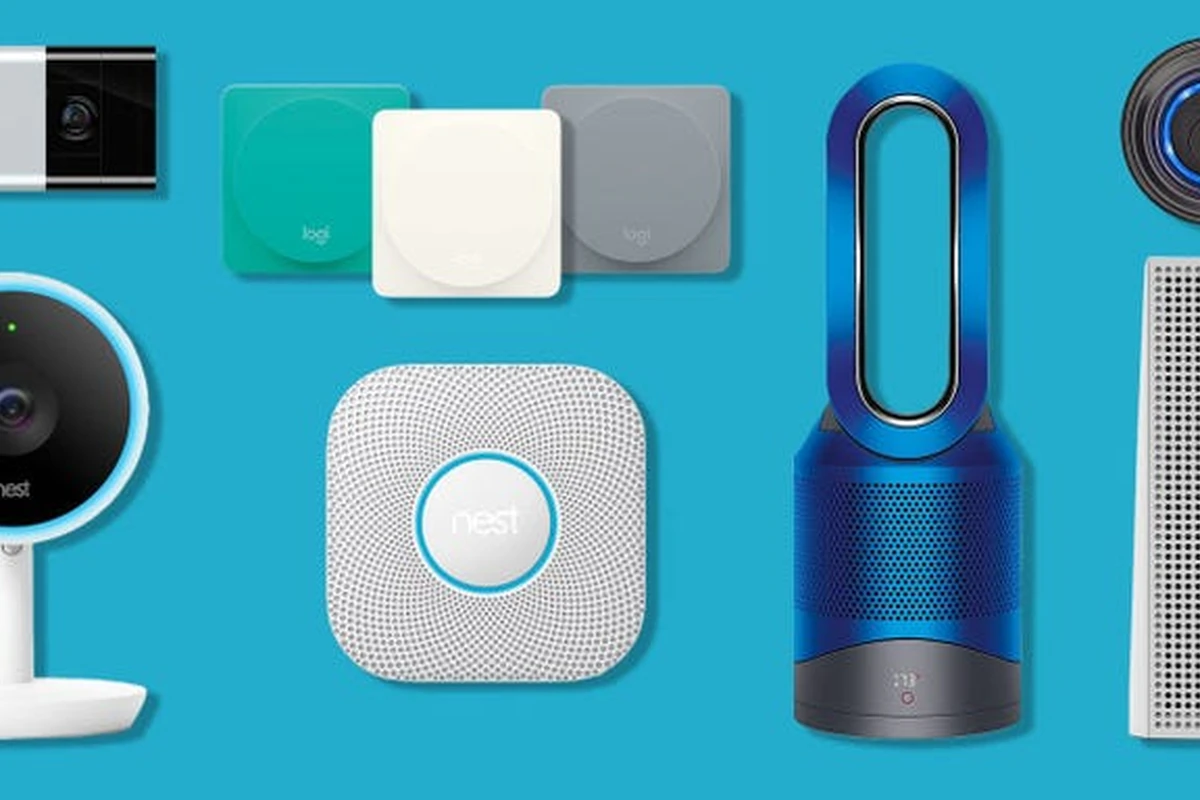
Smart plugs, lighting controls, security cameras, and environmental sensors share foundational microcontrollers and wireless modules, making them natural candidates for ODM platforms.
IoT Products
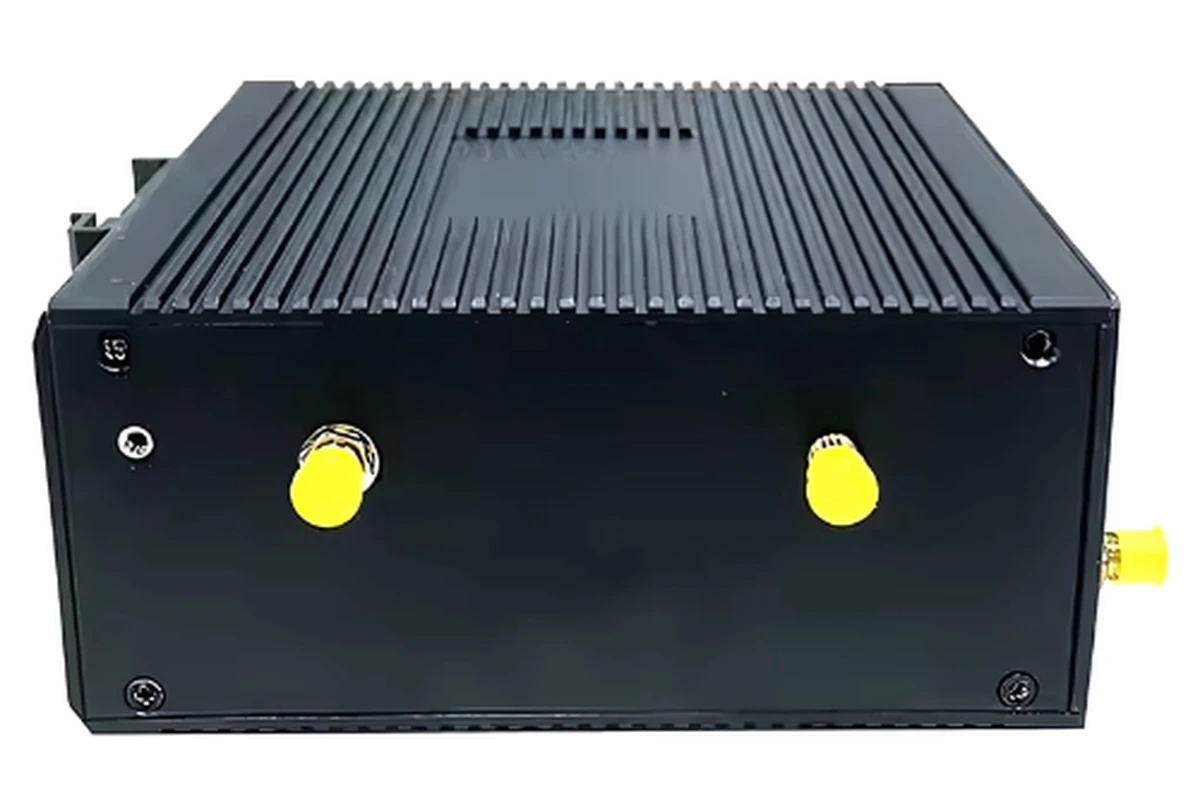
Asset trackers, environmental monitoring nodes, and smart meter gateways benefit from pre-certified cellular and LoRaWAN hardware engineered by an iot product manufacturing company.
Wearable Technology
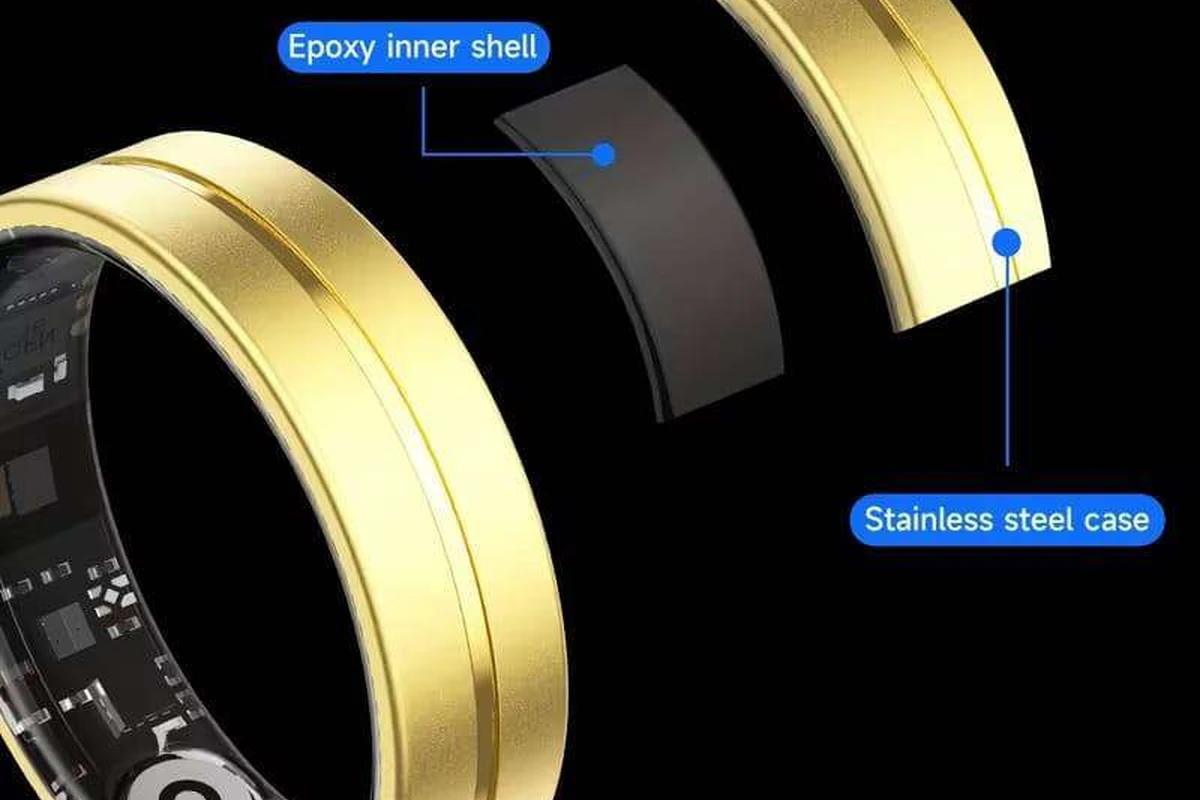
Fitness bands, health trackers, and smart rings require dense micro-miniaturization. A specialized wearable device manufacturer provides validated ultra-low-power circuits and ergonomic casings out of the box.
Pet Technology
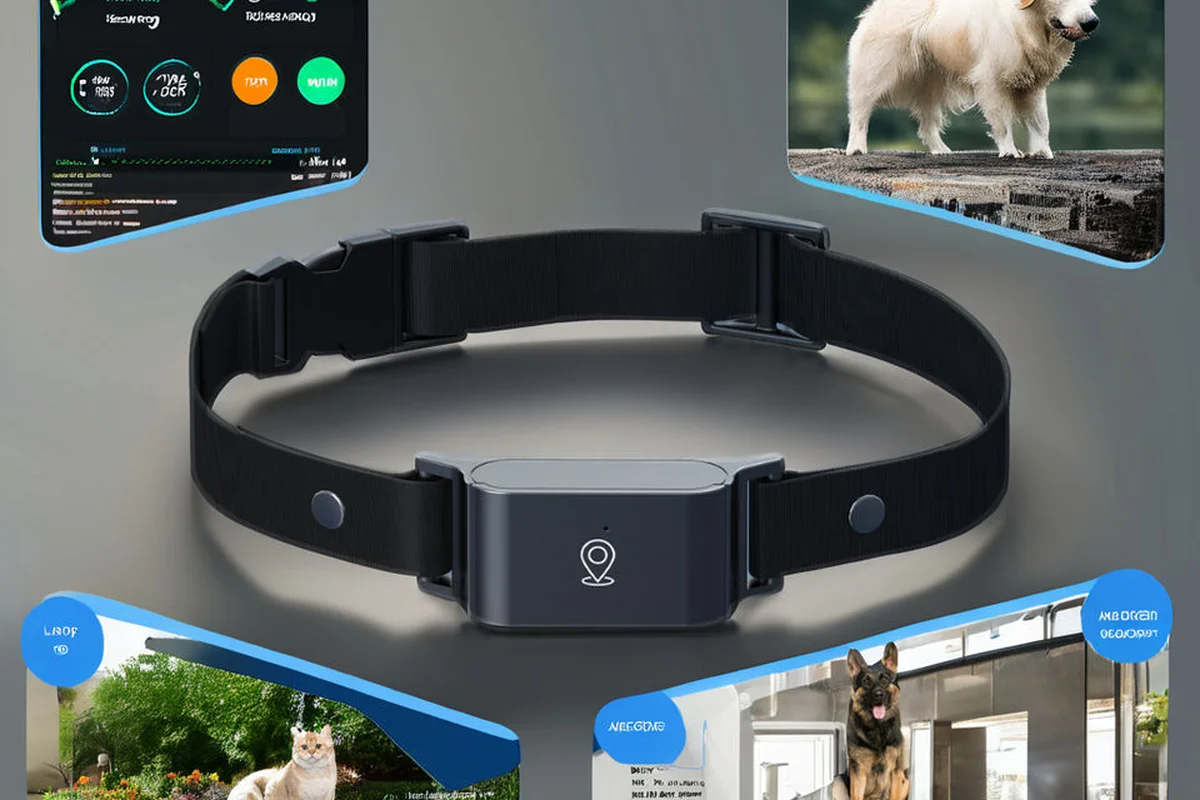
Automated feeders, GPS collar trackers, and smart pet toys leverage existing electronic platforms, enabling pet tech brands to focus energy on app development and marketing.
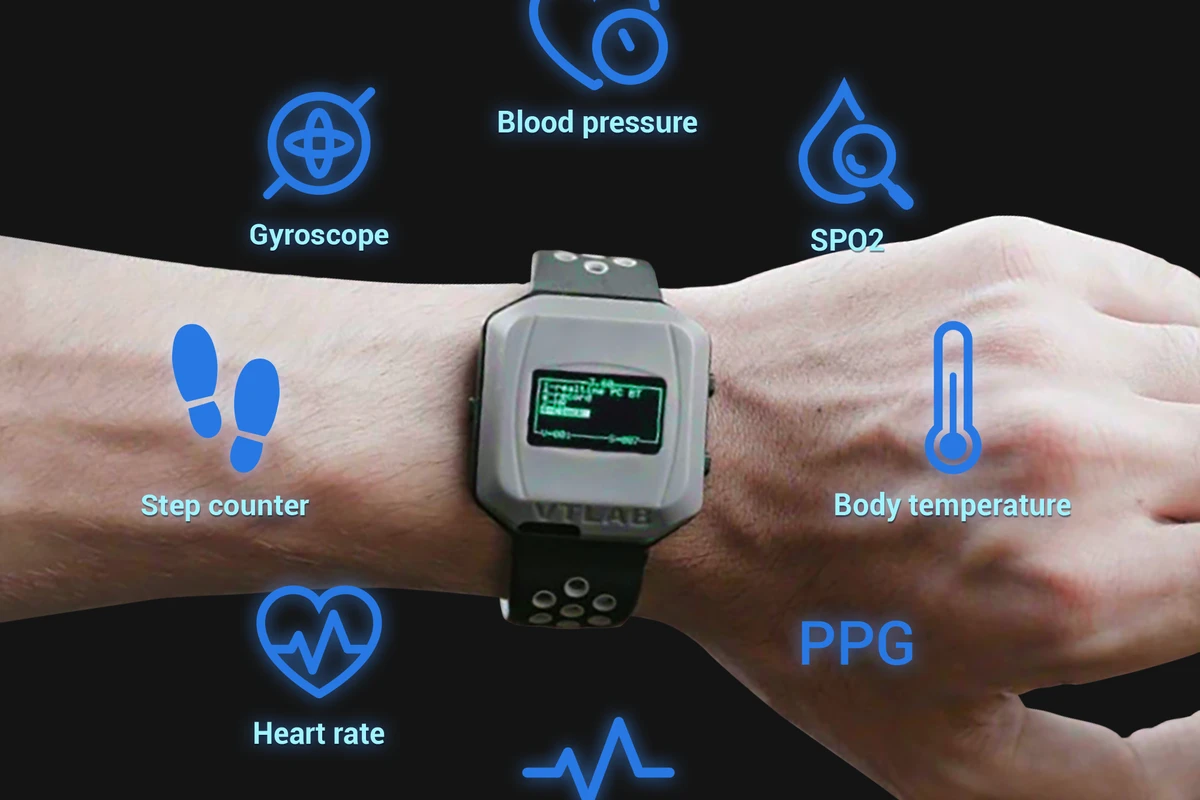
Medical Devices
Non-invasive diagnostic tools, wellness monitors, and medical display accessories utilize pre-certified reference designs to navigate complex healthcare regulatory approvals efficiently.
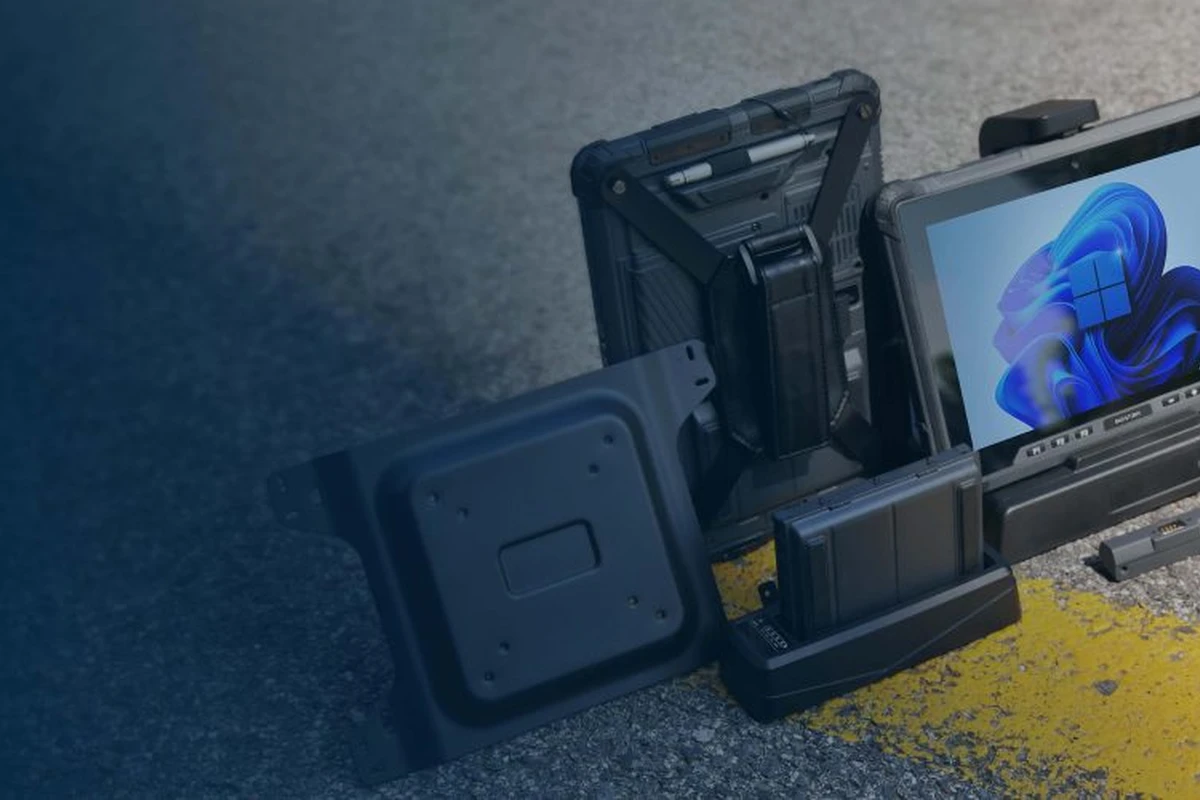
Industrial Electronics
Rugged handhelds, industrial controllers, and system interface modules rely on proven thermal and vibration-tested ODM platforms designed for harsh environments.
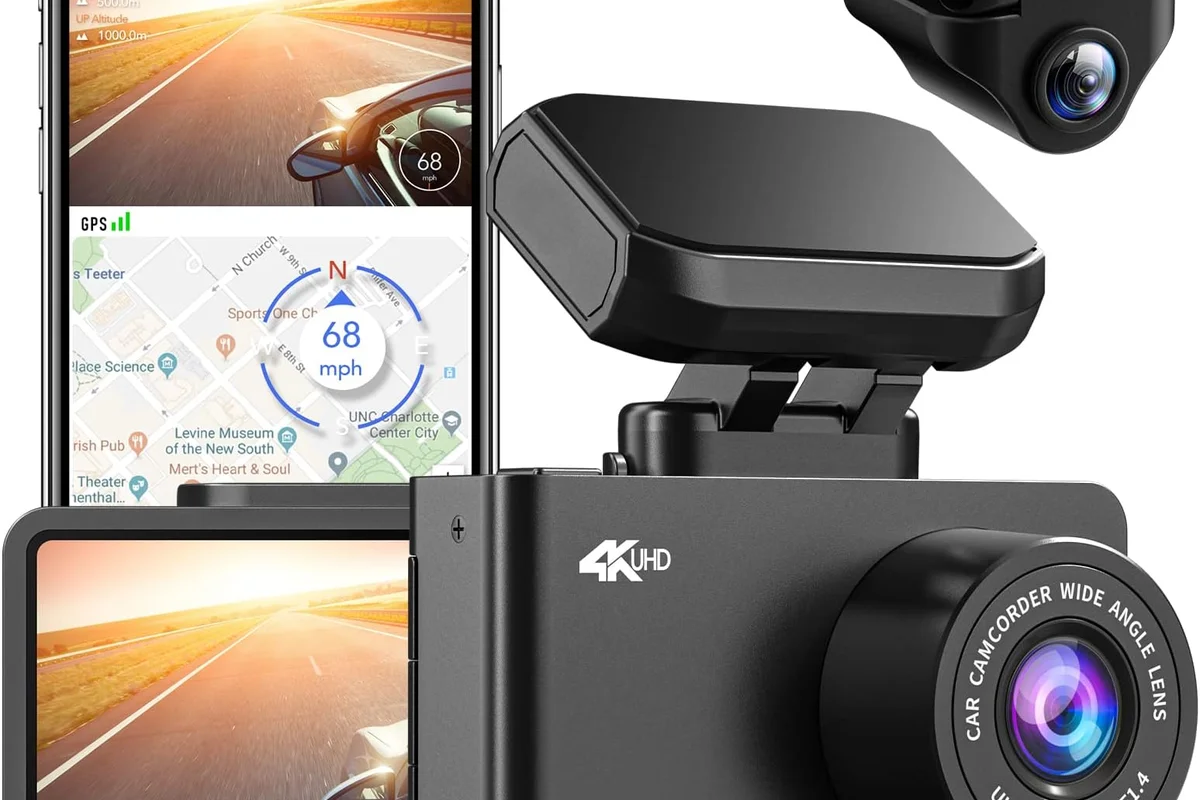
Automotive Accessories
Dash cameras, OBD-II diagnostic tools, and wireless phone chargers use specialized automotive-grade ODM sub-assemblies built to withstand extreme vehicle cab temperature swings.
How to Choose the Right ODM Manufacturing Partner
Evaluating potential partners requires analyzing technical depth, operational history, and quality controls.
Product Design Capabilities
Verify that the vendor maintains a dedicated product design company unit capable of handling mechanical design, plastic flow analysis, and industrial product design modifications.
Engineering Expertise
Review team qualifications across firmware development, RF tuning, power optimization, and multi-layer PCB design to ensure they can handle unexpected technical roadblocks.
Manufacturing Experience
Choose an established global manufacturing partner with proven history shipping products in your specific category. Relevant experience shortens onboarding and troubleshooting cycles.
Certifications and Compliance
Confirm the plant holds ISO 9001 certifications along with demonstrated success executing CE Certification, FCC Certification, and RoHS Compliance testing for international destinations.
Prototype Development Capabilities
Assess the factory’s in-house Rapid Prototyping setup. A vendor with integrated SLA 3D printing and quick-turn CNC Machining produces prototypes faster than one that outsources sample builds.
Factory Audits and Quality Systems
Inspect factory QA procedures. Look for automated optical inspection (AOI), in-circuit testing (ICT), aging burn-in rooms, and full trace-ability systems across component lots.
Supply Chain Management
Examine component sourcing depth. A vendor with robust supply chain management manufacturing relationships absorbs component shortages without halting line production.
Communication and Project Management
Language barriers and time zone delays destroy deadlines. Demand a dedicated fluent project manager who provides weekly milestone logs, engineering reports, and testing metrics.
Production Capacity
Ensure the factory’s line capacity fits both your initial minimum order quantities (MOQs) and your projected forecast over the next two years without bottlenecking.
Long-Term Manufacturing Support
Hardware demands ongoing maintenance. Your supplier must commit to sustaining engineering support, firmware patches, and end-of-life component replacement for years post-launch.
Questions to Ask Before Choosing an ODM Manufacturer
When choosing an ODM manufacturer, clear initial vetting eliminates costly mid-project surprises.
Can You Handle Product Design and Engineering?
Confirm whether the factory employs full-time engineering and manufacturing services teams internally or relies on third-party design firms for technical modifications.
Do You Offer Prototype Development?
Ask about turnaround times and costs for initial prototype development services. Verify whether prototyping happens on production-grade lines or separate engineering labs.
What Testing Processes Do You Follow?
Inquire about internal Design Verification Testing routines. Demand specifics on environmental chamber exposure, ESD immunity testing, and drop/vibration protocols.
How Do You Protect Intellectual Property?
Ask for non-disclosure agreements (NDAs) governed by appropriate legal jurisdictions before sharing proprietary specifications or market strategy documents.
What Certifications Do You Have?
Request official certificate copies for ISO 9001 and specific product category safety marks directly from the custom electronics odm manufacturer.
Can You Scale Production Internationally?
Verify the supplier’s experience shipping to North American, European, and Asian ports, including compliance with international customs regulations.
Why Businesses Worldwide Partner With Precintl for ODM Manufacturing
Navigating global production requires a trusted partner that bridges technical capability with transparent execution. Precintl provides complete design to manufacturing services tailored for global brands and scaling technology firms.
Complete Product Development Under One Roof
Precintl integrates conceptual design, engineering design, tooling, assembly, and testing within one unified organization—eliminating finger-pointing between separate design houses and assembly plants.
Industrial Design and Engineering Expertise
Our engineers specialize in turning complex requirements into elegant physical products. From thermal modeling to RF optimization, our design to manufacturing approach delivers reliable hardware.
Prototype to Production
We handle your product journey from initial rapid prototyping to full mass production services without friction or data loss during design transfers.
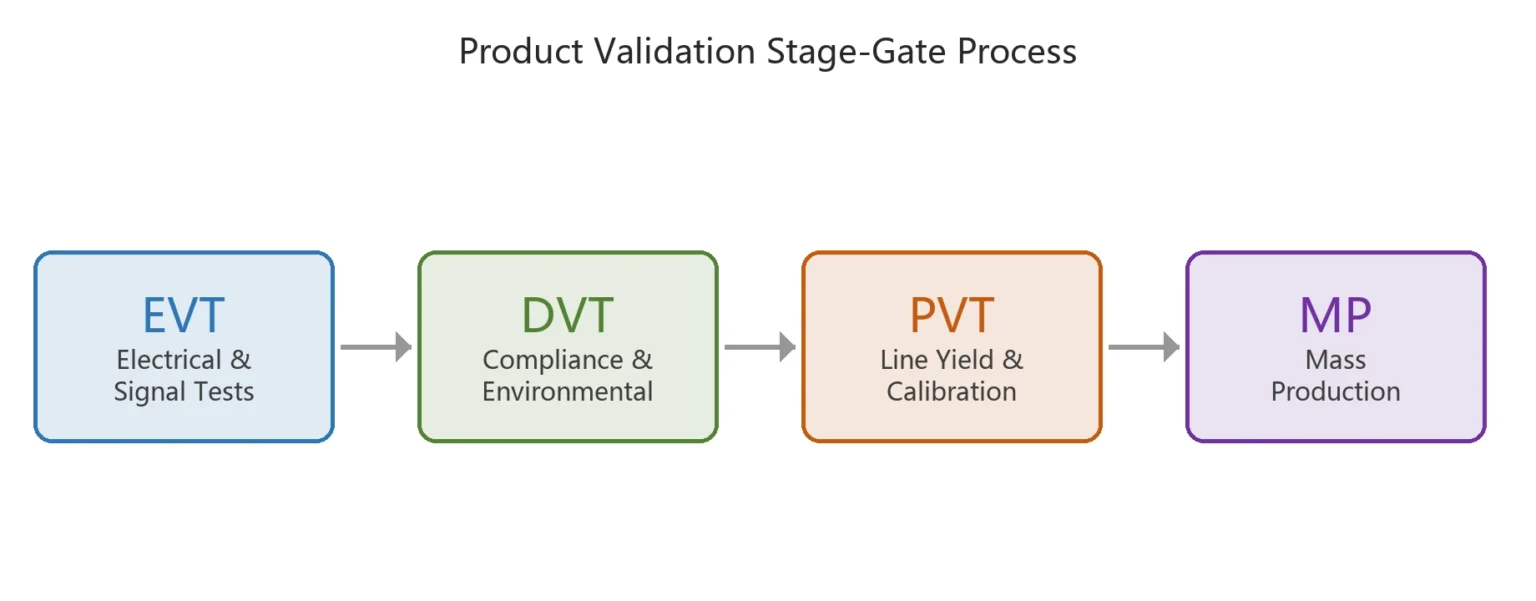
Comprehensive EVT, DVT, and PVT Testing
Precintl enforces rigorous quality checkpoints across all production stages:
- EVT (Engineering Validation Test): Verifying baseline schematic, power, and board-level performance.
- DVT (Design Validation Test): Subjecting units to rigorous environmental, drop, and compliance stress testing.
- PVT (Production Validation Test): Calibrating mass assembly line tooling and yield ratios.
Global Component Sourcing Network
Through our deep supply chain network, we secure tier-one components directly from primary manufacturers, protecting your project from counterfeit parts and spot-market price volatility.
Reliable Quality Control Processes
Operating under strict ISO 9001 guidelines, Precintl enforces zero-defect quality systems. Every unit undergoes automated functional testing, firmware validation, and burn-in screening before packing.
Manufacturing in Shenzhen With Global Standards
Located in the global hardware capital, Precintl combines the speed and supply chain advantages of manufacturing in Shenzhen with international engineering, quality management, and communication standards.
Flexible OEM and ODM Solutions
Whether you require off-the-shelf platform modifications or custom hardware build-outs, our flexible business models adapt to your budget, volume targets, and intellectual property requirements.
Dedicated Project Management Team
Every Precintl client works with a dedicated project manager who provides real-time updates, clear engineering documentation, and proactive risk management across every build phase.
End-to-End Supply Chain Management
We manage raw material procurement, component warehousing, customs clearing, and final worldwide logistics—delivering complete turnkey manufacturing solutions to your warehouse door.
Helping Startups and Established Brands Launch Faster
From hardware startups introducing novel smart device ODM manufacturer projects to established enterprise brands expanding product lines, Precintl minimizes development risk and accelerates revenue cycles.
Ready to Bring Your Hardware Product to Market?
Whether you’re exploring ODM manufacturing, custom product development, or full-scale production, our engineering and manufacturing specialists are ready to help you move from concept to mass production with confidence.
ODM Manufacturing Trends Shaping 2026
Modern hardware manufacturing continues to adapt to technological shifts and changing global markets.
AI-Assisted Product Development
Factories leverage machine learning algorithms to optimize PCB trace routing, predict thermal hot-spots, and run structural stress simulations in hours rather than weeks.
Smart Manufacturing
Industry 4.0 automation brings real-time IoT tracking to assembly lines. Automated optical inspection equipment instantly flags micro-soldering flaws, driving mass production yield rates higher.
Sustainable Manufacturing Practices
Global regulations require greener production. Leading vendors adopt lead-free solders, recyclable housing polymers, energy-efficient tooling, and minimal packaging designs to maintain RoHS Compliance.
Connected IoT Devices
As wireless protocols mature, demand surges for integrated multi-protocol hardware supporting Matter, Wi-Fi 6E, Bluetooth 5.4, and cellular IoT within compact ODM base designs.
Smaller Production Runs
Flexible manufacturing platforms allow brands to initiate product lines with lower minimum order quantities, mitigating upfront inventory risks while testing market traction.
Faster Product Iteration Cycles
Modular base platforms enable manufacturers to swap out main processors or wireless modules without redesigning entire physical enclosures, speeding up generational updates.
Digital Supply Chain Management
Real-time component tracking dashboards give brands full visibility into raw material stocks, lead times, and shipping schedules across every level of production.
Common Mistakes Businesses Make When Selecting an ODM Partner
Avoiding systemic procurement missteps keeps your hardware launch on schedule and within budget.
Choosing Based Only on Price
Selecting a factory strictly on the lowest unit quote frequently leads to surprise charges, sub-standard component substitutions, and high field-failure rates later on.
Ignoring Engineering Capabilities
A plant with strong assembly capability may lack internal design engineers. If your project needs firmware tweaks or board redesigns, ensure the partner has real hardware product development engineers on staff.
Skipping Factory Verification
Relying solely on an original design manufacturer website without executing independent audits or third-party inspections risks partnering with middleman trading companies rather than direct factories.
Weak Product Documentation
Failing to establish clear functional specifications, mechanical tolerances, and quality acceptance criteria leads to disputes regarding what constitutes a defective unit.
Overlooking Compliance Requirements
Delaying safety and radio certifications until after mass production can lead to customs seizures, hefty fines, or complete product recalls.
No Long-Term Manufacturing Strategy
Launching a single production batch without planning for future engineering updates, component end-of-life cycles, or warranty repairs damages long-term brand credibility.
How an ODM Project Moves from Idea to Market
To illustrate how Original Design Manufacturing works in practice, consider the following example based on a typical ODM product development workflow.
Case: Smart GPS Pet Tracker
A growing pet technology startup wanted to introduce a GPS pet tracker for the North American market. Rather than investing significant time and capital into developing a completely new hardware platform, the company selected an established ODM platform with proven GPS, Bluetooth, and cellular connectivity.
Instead of redesigning the underlying electronics, the project focused on customizing the enclosure, optimizing battery performance, integrating a branded mobile application, and refining the user experience.
The development process followed a structured manufacturing workflow:
- Product requirements and feature planning
- Industrial design customization
- Prototype development and functional verification
- Engineering Validation Test (EVT)
- Design Validation Test (DVT)
- Production Validation Test (PVT)
- Pilot production
- Mass manufacturing and worldwide shipment
Because the core hardware platform had already been engineered and validated, the customer reduced development risk, shortened the overall product development timeline, and entered production significantly faster than would typically be possible with a fully custom hardware design.
Important Note
While every project has unique technical requirements, this example demonstrates why many businesses choose ODM manufacturing when speed, cost efficiency, and proven engineering platforms are key priorities.
Why Trust Precintl?
Selecting an ODM manufacturing partner involves far more than comparing unit pricing. Successful hardware products require experienced engineering, reliable manufacturing systems, transparent communication, and consistent quality management throughout the product lifecycle.
At Precintl, our teams support customers throughout every major stage of product commercialization, including:
- Product concept evaluation and feasibility analysis
- Industrial design and mechanical engineering
- Electronic hardware and PCB development
- Prototype development and engineering validation
- EVT, DVT, and PVT verification processes
- Tooling, pilot production, and mass manufacturing
- Global component sourcing and supply chain management
- ISO 9001 quality management practices
- Functional testing and production quality control
- Worldwide logistics and post-production support
Final Thoughts: Is ODM Manufacturing Right for Your Business?
Original Design Manufacturing offers an efficient path for companies seeking to bring high-quality hardware products to market quickly and cost-effectively. By leveraging pre-engineered base platforms, established component supply chains, and factory-tested assembly workflows, businesses focus their capital on product innovation, brand development, and market expansion.
When evaluating how to choose an ODM manufacturing partner, prioritize proven engineering depth, transparent quality control systems, and strong project management capabilities. Partnering with an experienced vendor like Precintl secures the hardware expertise and production infrastructure needed to launch your next product with complete confidence.
Frequently Asked Questions
The primary difference lies in design ownership. In OEM (Original Equipment Manufacturing), the client provides the complete custom design and retains full IP, while the factory simply manufactures the physical product. In ODM (Original Design Manufacturing), the factory provides a pre-engineered base product design that the client can customize, brand, and sell under their own name.
An original design manufacturer (ODM) is a company that designs, engineers, and manufactures products that are ultimately branded and sold by another company. This setup allows brands to bring physical hardware products to market without operating internal manufacturing plants or building core electronic architecture from scratch.
An OEM manufactures products strictly based on client-supplied designs. An ODM designs and builds products that clients rebrand and sell. An OBM (Original Brand Manufacturer) creates its own designs, manufactures them in its own factories, and markets them under its own proprietary brand names directly to consumers or distributors.
Yes, ODM manufacturing is well-suited for startups because it dramatically reduces upfront research and development costs and cuts time-to-market. Startups leverage established ODM hardware architectures to launch professional, market-ready products with limited capital investments.
ODM manufacturing is widely used across consumer electronics, smart home devices, IoT hardware, wearable technology, pet technology, medical monitors, industrial electronics, and automotive accessories. Any sector requiring standardized electronic components and rapid release cycles benefits from ODM models.
Choose the right partner by evaluating their internal engineering capabilities, factory quality management certifications (such as ISO 9001), experience in your specific product category, communication responsiveness, and testing rigor (EVT/DVT/PVT). Conducting direct or third-party factory audits before signing contracts is strongly recommended.
Helpful Manufacturing Resources
If you’re evaluating ODM manufacturing or planning a new hardware product, the following trusted industry resources can help you better understand global manufacturing standards, quality systems, compliance requirements, and electronics engineering best practices.
ISO 9001
International quality management standards widely adopted throughout modern manufacturing.
IEC
Global standards for electrical equipment, electronic devices, industrial systems, and smart products.
UL Solutions
Product safety certification, testing procedures, and compliance guidance for electronics.
IPC
PCB design, electronics assembly, soldering quality, and manufacturing standards.
NIST
Engineering research, manufacturing innovation, cybersecurity, and supply chain guidance.
GS1
Global product identification, traceability, logistics, and supply chain standards.