Smart Home Product Opportunities to Watch in 2026
The global smart home hardware sector is shifting away from simple app-controlled gimmicks toward autonomous, energy-aware, and interoperable hardware. Brands looking to capture market share in 2026 must evaluate potential smart home products ideas based on utility, unit economics, and recurring software value.
What Makes a Smart Home Product Worth Manufacturing?
A viable hardware concept must solve a tangible problem—reducing utility bills, preventing catastrophic property damage, or improving family safety. When analyzing smart home product ideas to manufacture, hardware brands must evaluate four metrics:
- BOM-to-Retail Margin Ratio: Target a bill of materials (BOM) cost that allows a 4x to 5x retail markup to absorb firmware development, cloud hosting, certification, and retail channel margins.
- Installation Friction: Products requiring specialized high-voltage electricians face higher customer acquisition costs than DIY or low-voltage hardware.
- Interoperability Standards: Modern buyers reject single-app ecosystems. Support for open standards reduces consumer churn.
- Hardware-Enabled Services: Products capable of driving recurring revenue (such as premium AI cloud storage or emergency monitoring alerts) offer significantly higher lifetime value (LTV).
Smart Home Trends Creating New Product Opportunities
The smart home market trends heading into 2026 are driven by rising electricity costs, changing insurance requirements, and hardware consolidation. Consumers no longer buy smart home gadgets merely for novelty; they demand actionable savings and automated security.
Insurance carriers are offering discounts for homes equipped with accredited risk-mitigation devices, such as smart water shut-off valves and verified fire detection hardware. Concurrently, energy grid volatility is making real-time load management a core feature for residential properties. Capitalizing on these smart home industry trends 2026 requires building reliable, low-power hardware that functions offline while offering rich cloud connectivity when online.
How AI, IoT and Matter Are Changing Connected Homes
Three technological shifts define modern smart home technology:
- Edge AI: Machine learning algorithms now run directly on low-power Microcontroller Units (MCUs). Local inference reduces latency, eliminates cloud API fees, and protects consumer privacy.
- Matter over Thread: The widespread adoption of Matter eliminates proprietary hub lock-in. Matter smart home devices communicate locally across mesh networks without relying on continuous internet connectivity.
- Predictive Automation: Rather than relying on rigid user-created schedules, smart home automation now uses ambient sensors to learn occupant habits and optimize energy, lighting, and climate controls dynamically.
1. Smart Energy Monitoring Devices
What the Product Does
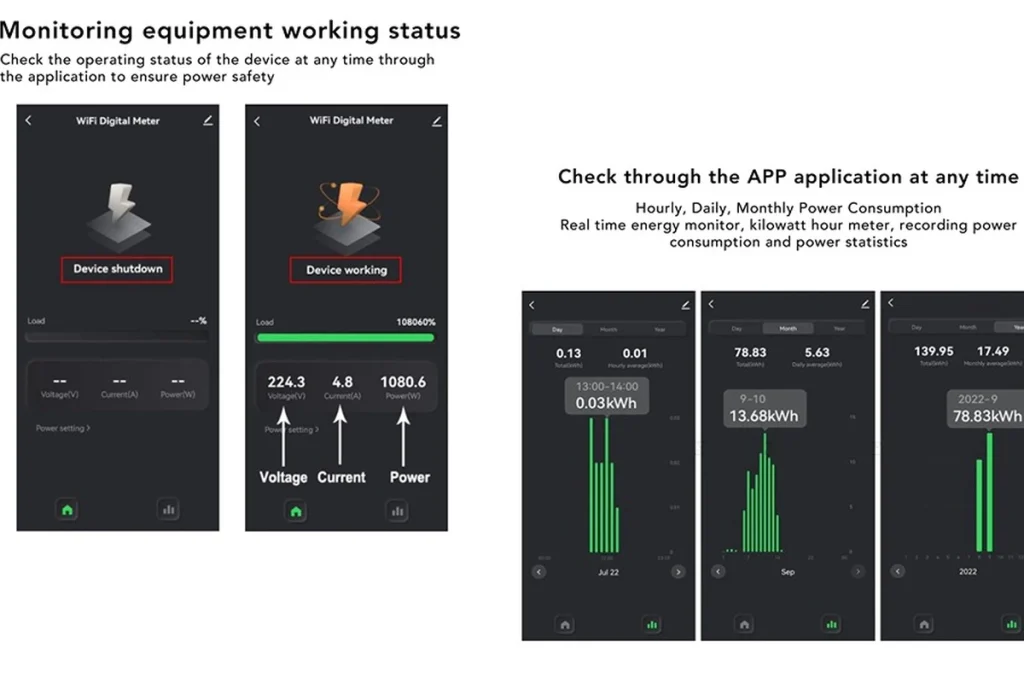
Smart energy monitors attach to a home’s main breaker panel or individual appliance circuits. They capture voltage and current waveforms at high sampling frequencies, giving homeowners real-time visibility into power usage, active electrical loads, and phantom power draw.
Key Features and Technologies
To stand out among smart energy monitoring devices, hardware should incorporate current transformers (CTs) or Rogowski coils coupled with high-precision analog-to-front-end (AFE) chips. Key capabilities include:
- High-frequency current sampling (up to 10 kHz) for load disaggregation.
- Dual connectivity: Wi-Fi smart home devices for high-throughput cloud streaming and Bluetooth smart home devices for seamless local setup.
- Real-time kilowatt-hour (kWh) cost calculation and utility rate tier integration.
Manufacturing and Development Considerations
Enclosure design must meet strict UL 94-V0 flame-retardant standards due to proximity to high-voltage panels. Mainboard layouts require galvanic isolation between high-voltage sensing lines and low-voltage MCU computing circuits.
2. AI-Powered Smart Security Cameras
Core Functions and Use Cases
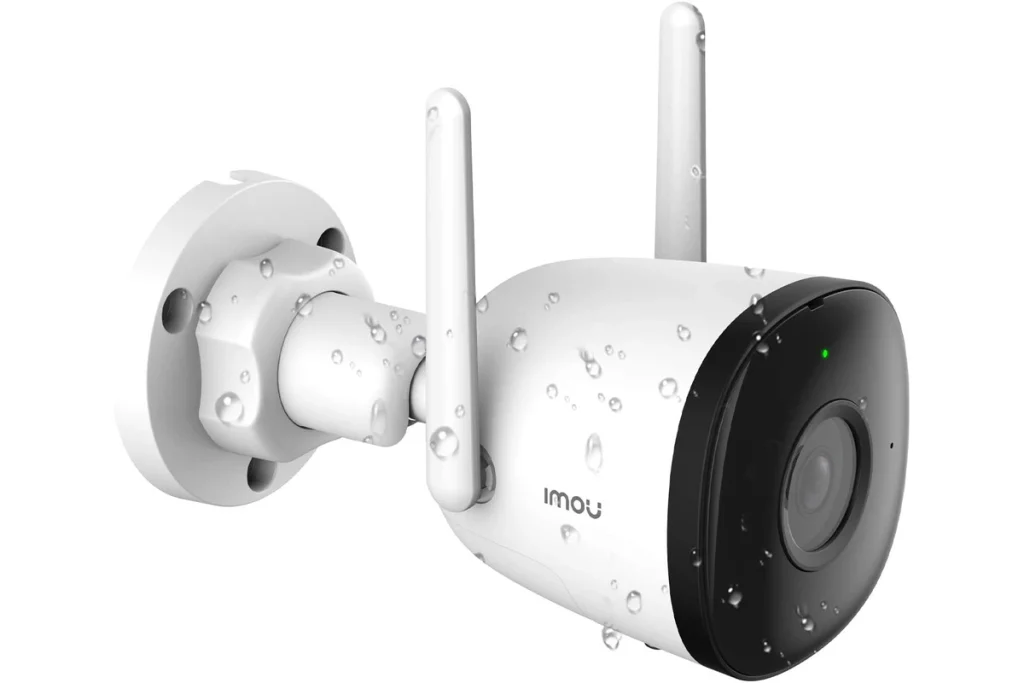
Traditional motion-detecting cameras flood users with false alarms triggered by passing cars or wind-blown trees. Next-generation smart security devices process video frames locally to distinguish between family members, delivery personnel, vehicles, and pets.
AI, Computer Vision and Connectivity Requirements
Modern smart home cameras rely on System-on-Chip (SoC) architectures with integrated Neural Processing Units (NPUs) delivering 1.0 to 4.0 TOPS (Trillions of Operations Per Second) at low power draw.
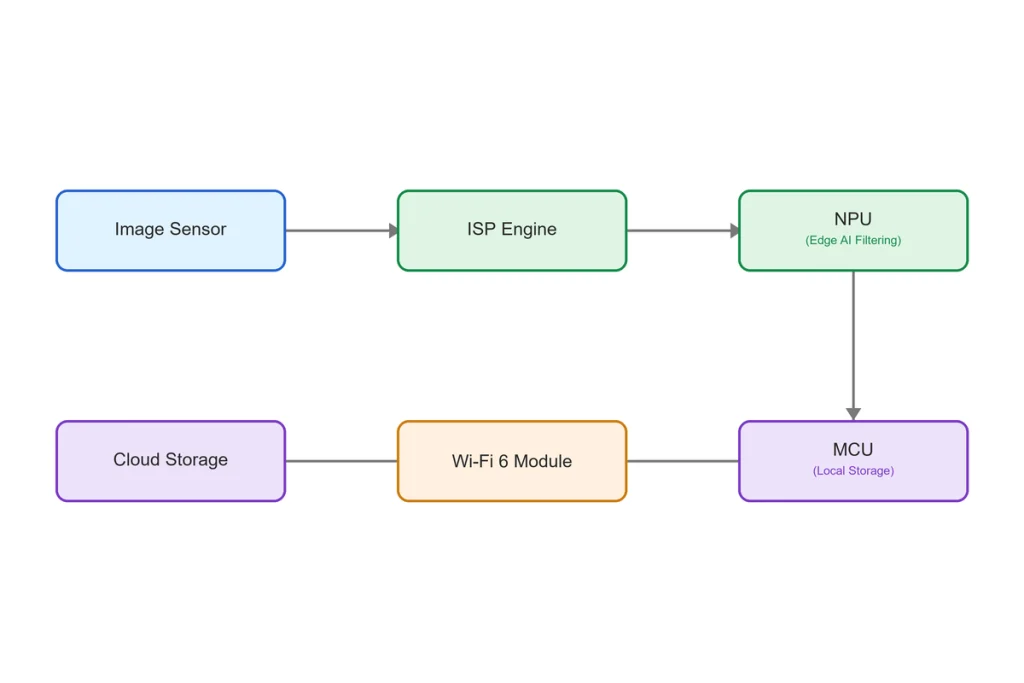
Integrating hardware-level H.265 video encoding ensures efficient local storage to microSD cards while minimizing bandwidth consumption on residential networks.
Product Development Considerations
Heat dissipation is a primary failure mode in compact outdoor camera housings. Utilizing aluminum die-cast heat sinks integrated directly into the outer chassis ensures long-term operational stability under direct sunlight.

3. Smart Water Leak Detection Systems
How Smart Leak Detection Works
Water damage claims represent one of the highest expenses for residential property insurers. Smart leak detection systems combine point-of-detection floor sensors with motorized main-line shut-off ball valves.
Sensors, Alerts and Wireless Connectivity
Effective smart water leak detectors use gold-plated sensing probes to detect ambient moisture and electrical conductivity changes. Sub-GHz wireless protocols (such as LoRa or Thread) are ideal for penetrating concrete basement walls where standard Wi-Fi signals degrade.
Opportunities for Custom Product Development
Hardware creators can capture commercial and multi-family residential markets by designing modular shut-off valves with battery-backup systems and integrated pressure-drop testing capabilities to detect micro-leaks behind drywall.
4. Smart Air Quality Monitors
Air Quality Parameters to Measure
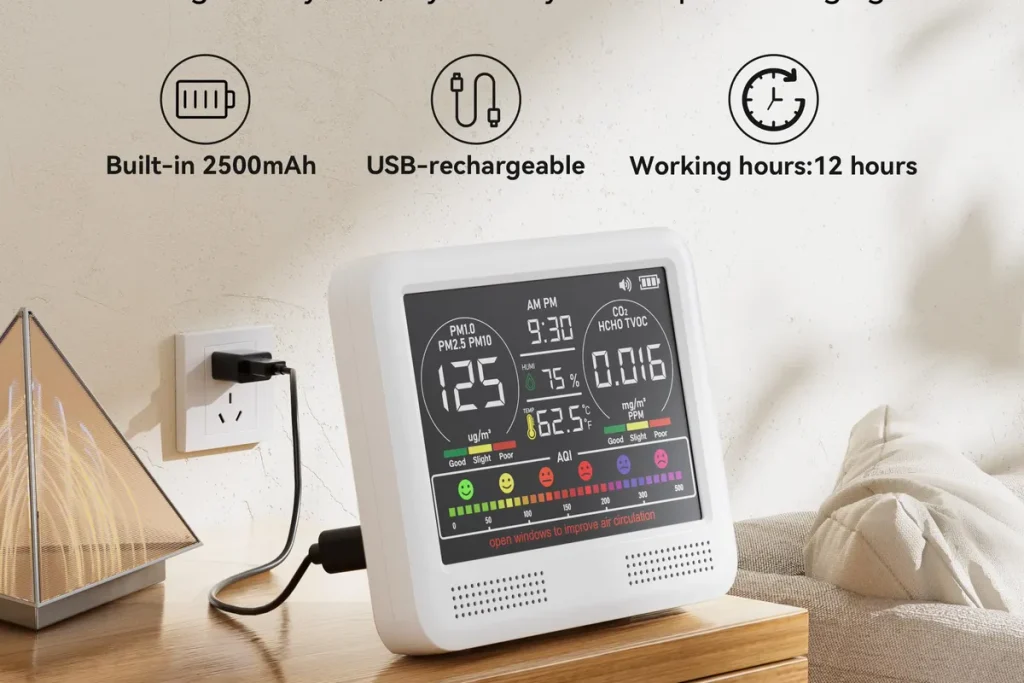
Indoor environmental quality is a growing health priority. Commercial-grade smart air quality monitors track multiple environmental parameters simultaneously:
- Particulate Matter (PM1.0, PM2.5, PM10) via laser scattering sensors.
- Total Volatile Organic Compounds (tVOC) via metal-oxide semiconductor sensors.
- Carbon Dioxide ($CO\_2$) using Non-Dispersive Infrared (NDIR) optical sensors.
- Temperature and relative humidity.
Sensors, Data Processing and Mobile Connectivity
Integrating multiple gas and particle sensors into a single enclosure requires careful thermal management. Heat generated by Wi-Fi modules or internal power regulators can skew ambient temperature readings and drift $CO\_2$ sensor calibration curves.
Designing an Accurate and Manufacturable Device
Isolating sensor chambers with physical baffles and implementing active firmware calibration algorithms ensures accurate field performance. Pre-calibrating sensor modules prior to final board assembly streamlines mass assembly testing.
5. Smart Door Locks and Access Control Devices
Popular Smart Lock Features
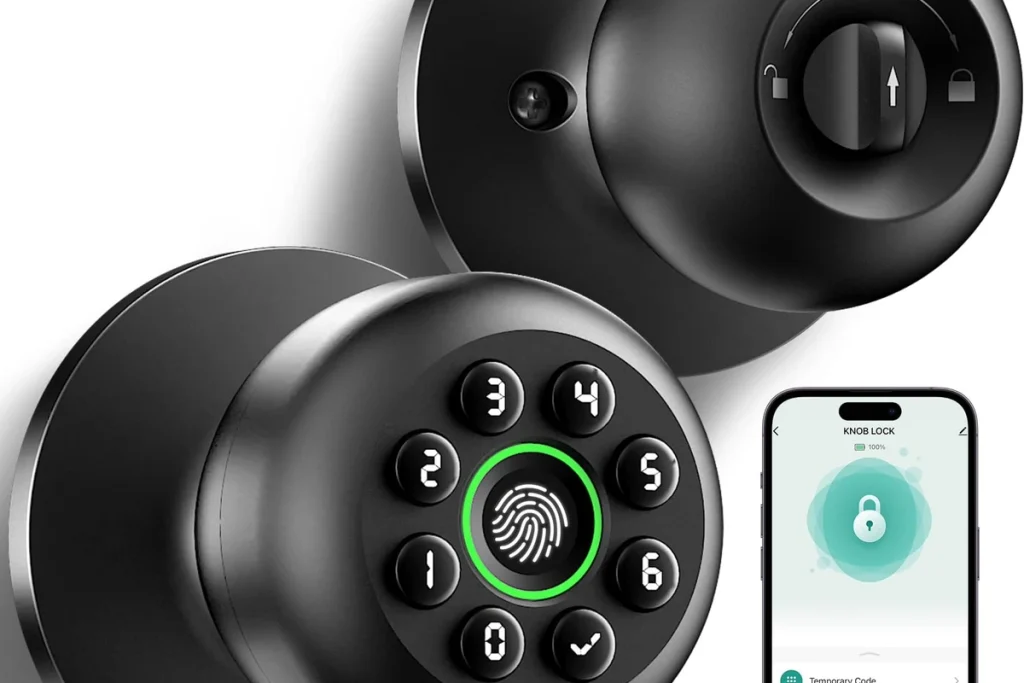
Modern smart door locks are evolving beyond keypads. Keyless entry hardware now integrates multi-modal authentication options, including capacitive fingerprint readers, dynamic digital keys, and automated proximity unlocking.
Biometric, Bluetooth, Wi-Fi and NFC Technologies
Designing reliable access control requires multi-protocol integration:
- NFC (Near Field Communication): Enables tap-to-unlock functionality using smartphones or smartwatches.
- Bluetooth Low Energy (BLE): Handles local key exchange and battery-efficient device provisioning.
- Wi-Fi / Thread: Connects the lock to broad home automation networks for remote access management.
Security and Manufacturing Requirements
Mechanical lock cylinders must meet ANSI/BHMA Grade 1 or Grade 2 structural standards. Electronic control boards require secure element hardware (such as ATECC608A chips) to store encryption keys locally, preventing side-channel hardware hacks.
6. Smart Smoke and Carbon Monoxide Detectors
Why Connected Safety Devices Matter
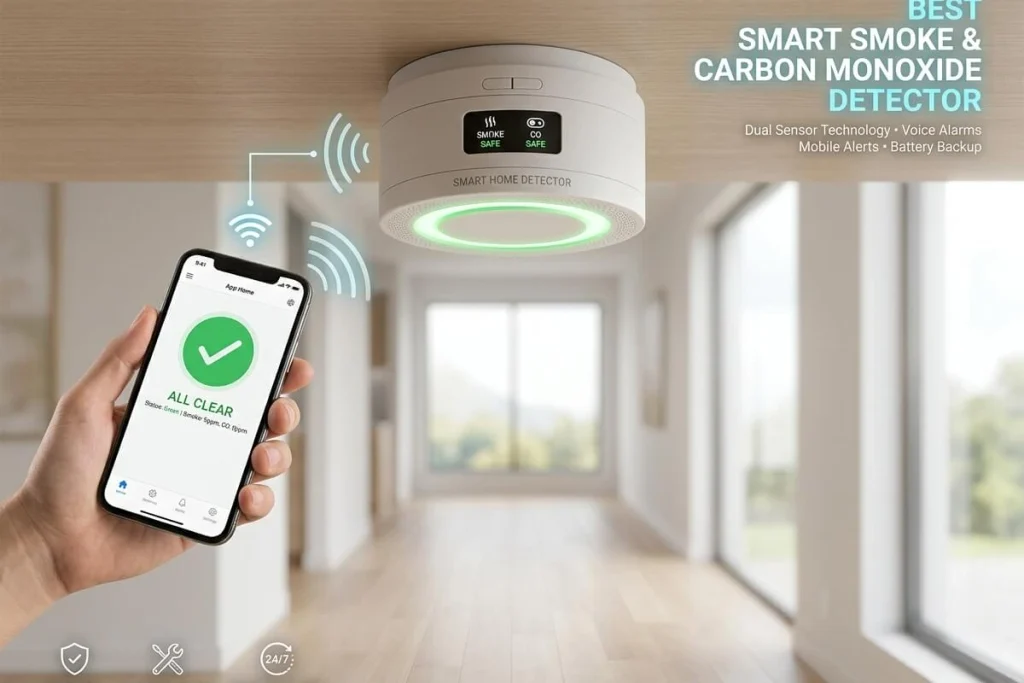
Traditional ionization or photoelectric smoke alarms sound locally but fail to alert homeowners who are away. Connected smart smoke detectors send immediate push notifications, trigger home lighting paths during fires, and shut off HVAC blowers to prevent smoke distribution.
Sensors, Alarms and Real-Time Notifications
Combining dual-spectrum photoelectric smoke chambers with electrochemical carbon monoxide sensors provides fast detection of both smoldering fires and invisible gas leaks. Piezoelectric sounders must maintain an 85 dB alarm output at a 10-foot distance under backup battery power.
Reliability, Testing and Certification Considerations
Safety products face stringent global regulatory oversight. Devices sold in North America must pass UL 217 (Smoke) and UL 2034 (Carbon Monoxide) testing, requiring precision manufacturing calibration facilities for smoke chamber testing.
7. Smart Home Energy Management Systems
Monitoring and Optimizing Household Energy Use
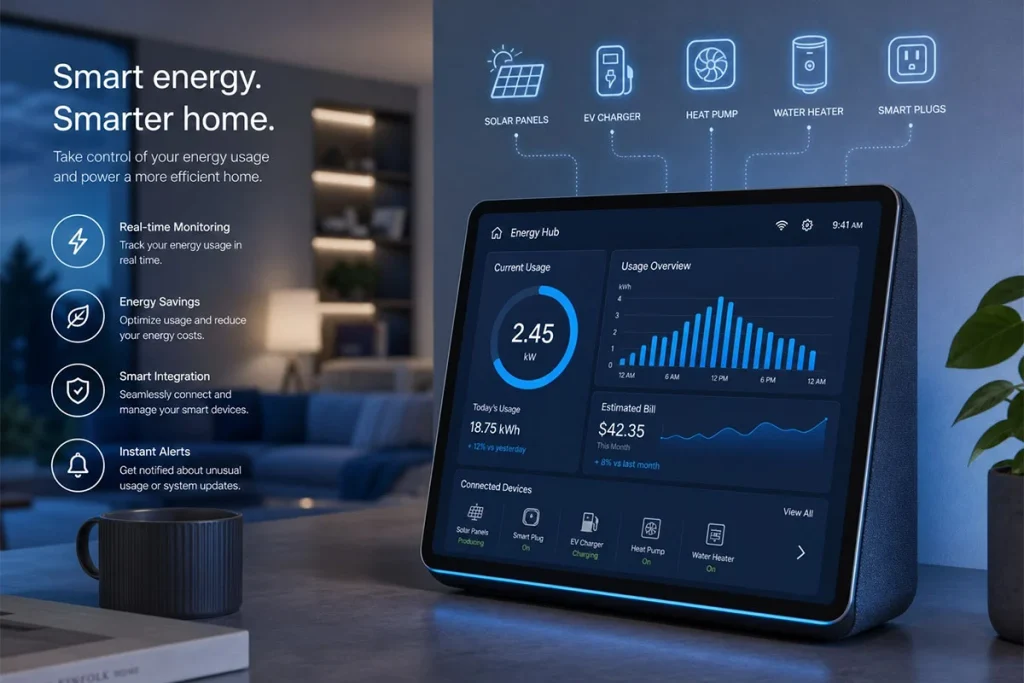
As residential solar arrays, battery storage systems, and electric vehicle (EV) chargers proliferate, homes require intelligent load-shifting control panels. Comprehensive energy management hardware coordinates high-draw appliances to operate during off-peak utility pricing windows.
Hardware, Sensors and Software Integration
These systems require multi-channel power metering circuits combined with solid-state relay arrays. Integrating Modbus, CAN bus, or Zigbee communication bridges enables direct handshake protocols with solar inverters and battery storage gateways.
Designing for Energy Efficiency and Scalability
System architecture must support modular expansions. A base control unit should allow DIN-rail expansion modules, enabling electrical contractors to scale monitoring channels based on home circuit complexity.
8. Smart Lighting and Ambient Control Devices
Smart Lighting Product Opportunities
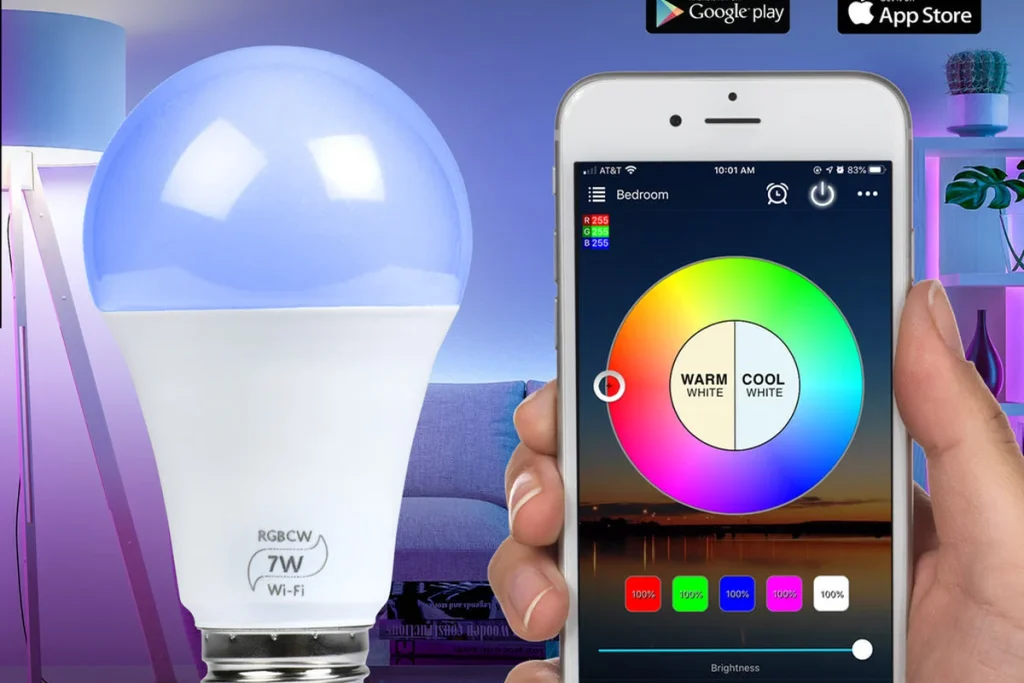
While basic color-changing bulbs are commoditized, high-margin opportunities exist in architectural smart lighting devices, such as low-voltage magnetic track lighting, smart wall dimmers, and ambient circadian lighting controllers.
Dimming, Automation, Sensors and Voice Control
Modern smart wall switches must support neutral and no-neutral wiring configurations using MOSFET or Triac phase-cut dimming technology. Integrated radar presence sensors allow lights to adjust automatically when someone enters a room.
Custom Hardware Development for Smart Lighting
Developing custom capacitive touch glass plates and tactile feedback mechanisms gives lighting brands a distinct physical interface. Partnering with an experienced smart home OEM ensures smooth plastic tooling and exact surface finishing.
9. Smart Plugs and Intelligent Power Controllers
Features Consumers Expect From Smart Plugs
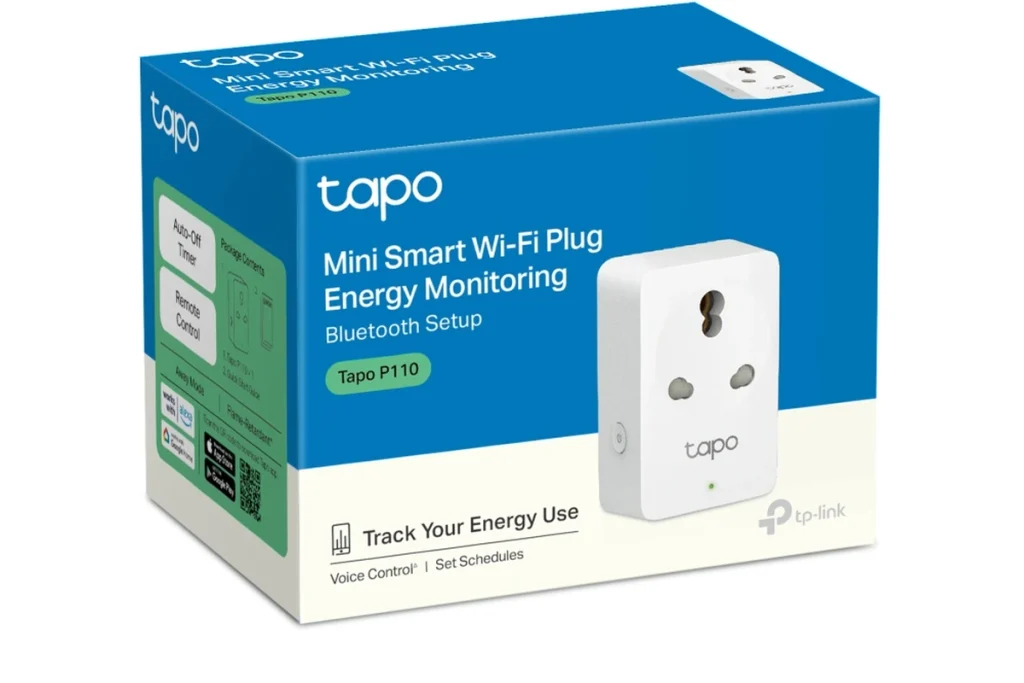
Basic power toggles are no longer sufficient. High-value smart plugs incorporate energy metering, customizable timer schedules, over-current thermal protection, and compact form factors that leave adjacent wall outlets unobstructed.
Power Monitoring and Remote Control
Integrating shunt resistors and power measurement ICs (such as the HLW8012 or ADE7953) enables smart plugs to measure real-time wattage, current, and total voltage stability.
| Feature / Hardware Spec | Entry-Level Smart Plug | High-Margin Commercial Smart Plug |
|---|---|---|
| Form Factor | Single Outlet, Plastic Housing | Dual Compact, Flame-Retardant PC-ABS |
| Relay Rating | 10A Resisting Load | 15A/16A Heavy Duty with Thermal Cutoff |
| Sensing Capabilities | On/Off State Only | High-Precision Voltage, Current, kWh Power Monitoring |
| Wireless Protocol | 2.4 GHz Wi-Fi Only | Matter over Thread + Bluetooth Low Energy |
| Microcontroller | Basic 8-bit / Early ESP8266 | 32-bit RISC-V SoC with Secure Element |
Electrical Safety and Manufacturing Considerations
Plugs must endure strict thermal cycles under maximum electrical loads. Ultrasonic welding of outer plastic enclosures prevents user tampering and guarantees mechanical strength during plug insertion and removal.
10. Smart Thermostats and Climate Controllers
Automated Temperature and Climate Management
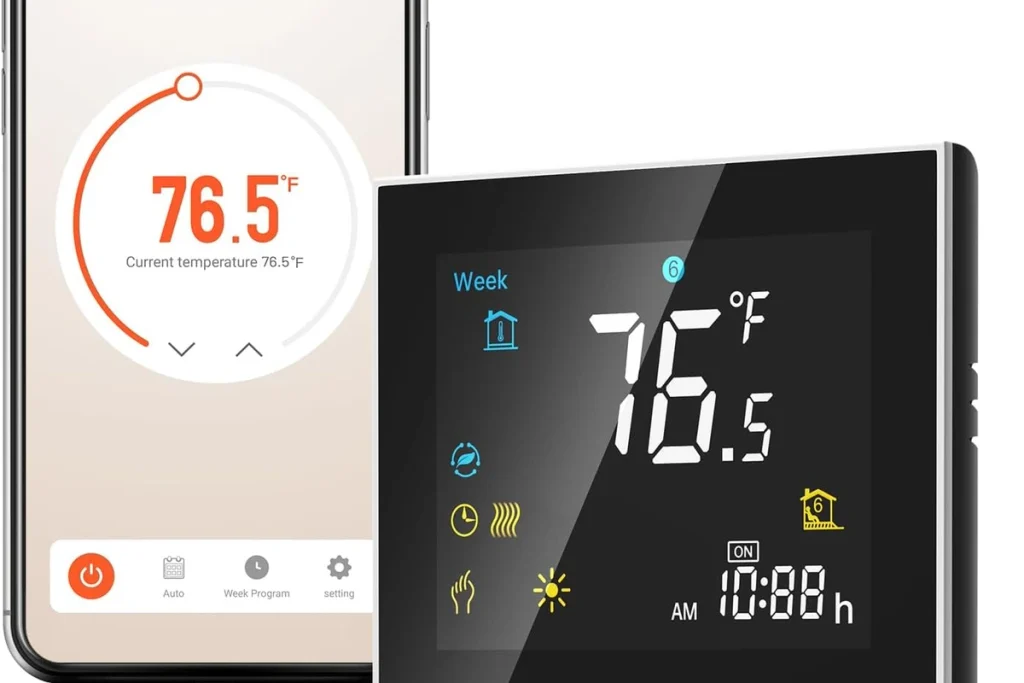
Modern smart thermostats balance thermal comfort against energy efficiency. By utilizing occupancy detection and weather forecasting feeds, these controllers adjust HVAC staging proactively rather than reactively.
Sensors, Algorithms and Connected Controls
Climate control hardware requires accurate temperature sensing ($+0.5^\circ\text{C}$ tolerance) and humidity detection. Sub-base terminal assemblies must support standard HVAC control wires ($R, C, W, Y, G, O/B$) with automatic wire-detection circuitry.
Designing Smart HVAC Control Hardware
Displays are a core consumer touchpoint. High-contrast IPS LCD panels with ambient light sensing provide an appealing aesthetic, while low-power E-ink screens offer long battery life for wireless remote thermostat extensions.
11. Matter-Compatible Smart Home Hubs
Why Smart Home Hubs Still Have Product Potential
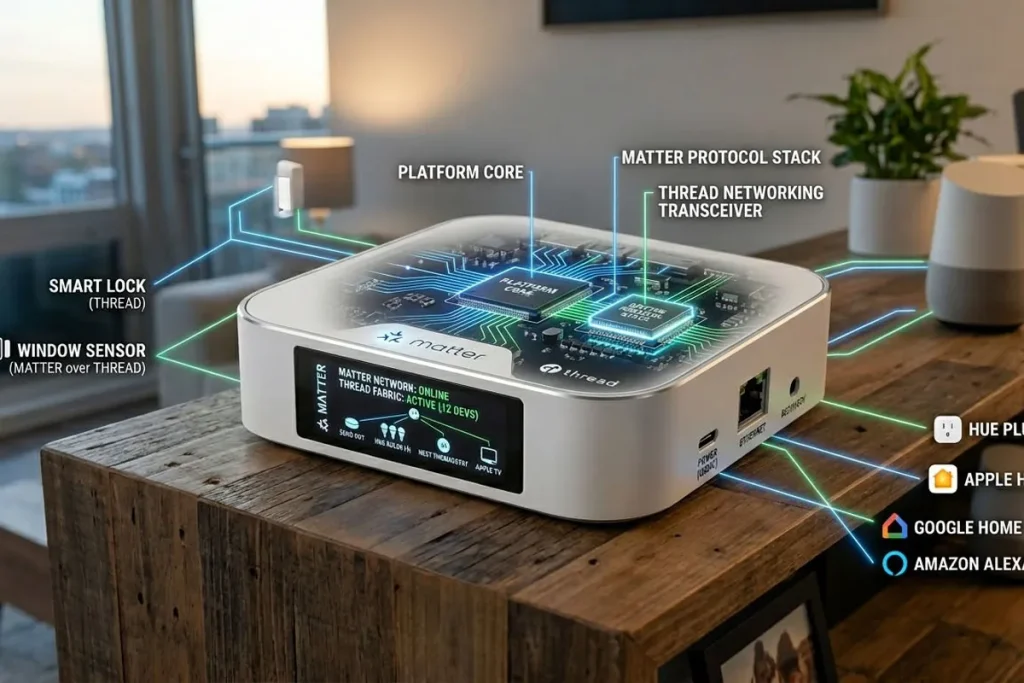
Despite protocol convergence, hardware gateways remain critical for translating local device communication, processing edge automation rules, and bridging legacy Zigbee or Z-Wave hardware to modern IP-based Matter networks.
Matter, Thread, Wi-Fi and Bluetooth Integration
Multi-protocol smart home hubs require co-processor architectures. A primary SoC handles network routing and Linux-based edge processing, while dedicated radio co-processors handle Thread networks, Zigbee protocols, and BLE connections without radio interference.
Hardware and Interoperability Considerations
Antenna layout and RF isolation are critical engineering hurdles. Board designers must place shielding cans over wireless SoCs and optimize trace layout to prevent 2.4 GHz co-existence interference between Wi-Fi, Thread, and Bluetooth radios.
12. Smart Pet Monitoring Devices
Connected Pet Tracking and Home Monitoring
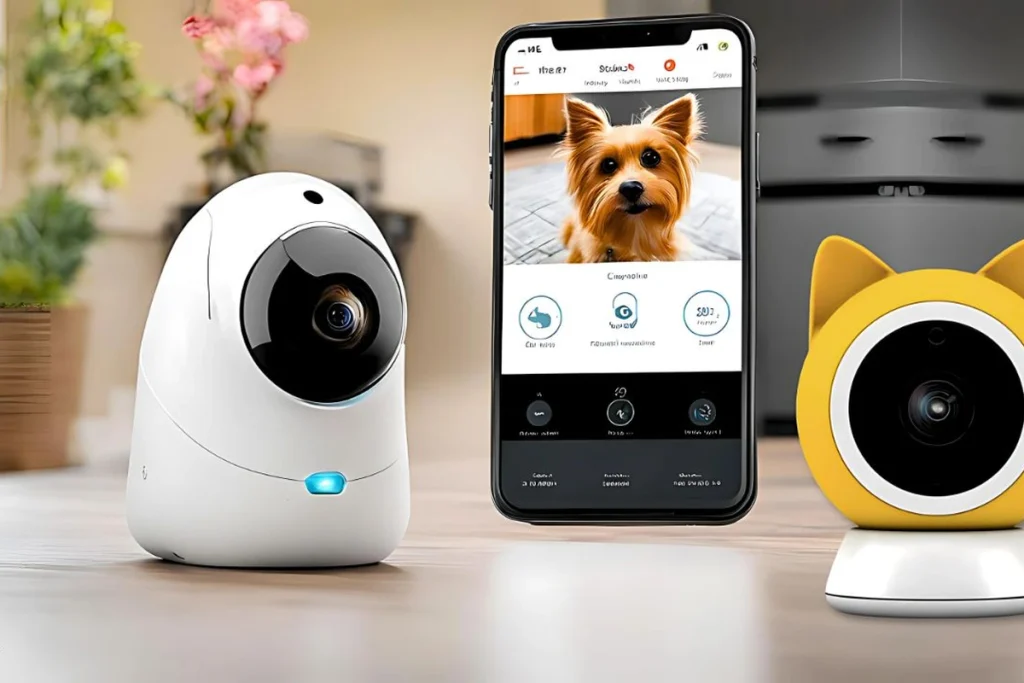
Pet owners represent a high-spending demographic seeking dedicated home hardware. Specialized smart pet devices include automated climate-controlled pet doors, smart feeders with weight scales, and interactive room monitors.
Sensors, Cameras, GPS and Two-Way Communication
Interactive pet monitoring hardware integrates wide-angle camera modules, time-of-flight (ToF) proximity sensors, and two-way audio systems with echo cancellation to clear background room noise.
Opportunities for Custom Pet-Tech Products
Designing ruggedized, water-resistant enclosures (IP67-rated) with easy-to-clean mechanical food dispensers allows hardware startups to enter direct-to-consumer and veterinary markets with premium offerings.
13. Smart Indoor and Outdoor Sensors
Motion, Temperature, Humidity and Occupancy Sensing
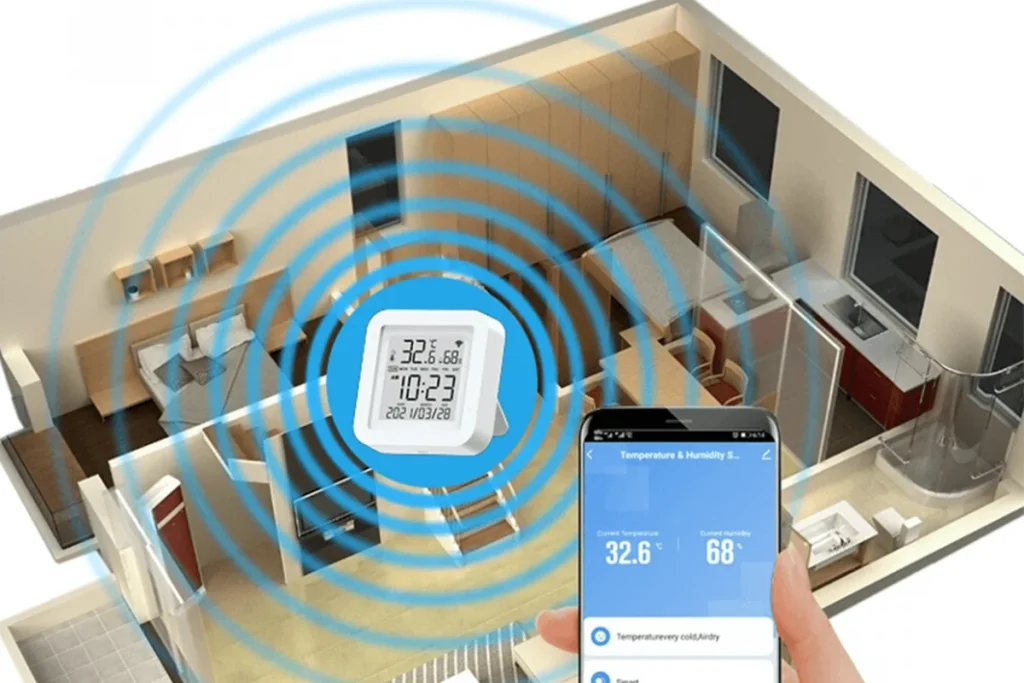
Compact smart sensors for home automation serve as the sensory network for connected properties. Passive Infrared (PIR) sensors are being replaced by millimeter-wave (mmWave) radar sensors capable of detecting human breathing even when a subject is sitting completely still.
Wireless Sensor Networks for Connected Homes
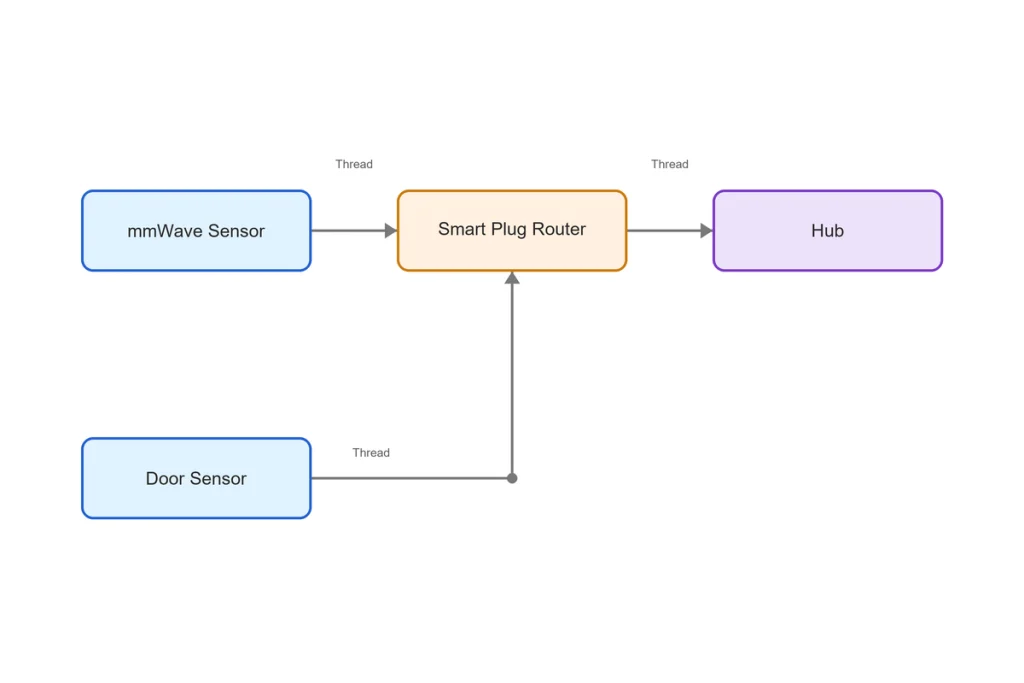
Using mesh networking protocols like Thread enables micro-sensors to pass signals through intermediate powered node devices (like smart plugs or light switches) to reach central gateways across large properties.
Developing Compact and Low-Power Sensor Devices
Battery life dictates product reviews. Utilizing Ultra-Low Power microcontrollers that draw microamps in sleep modes enables coin-cell ($CR2032$) operated sensors to function for 2 to 3 years without battery replacements.
14. Smart Home Safety and Well-Being Devices
Emerging Opportunities in Home Monitoring
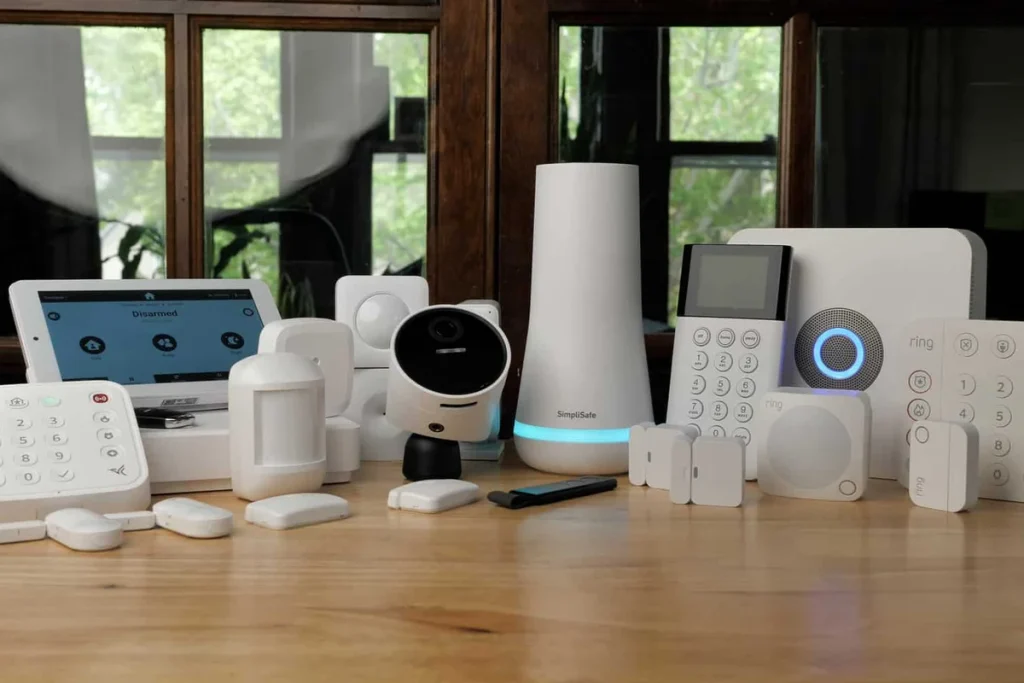
Aging-in-place technology represents a major growth category within connected home devices. Non-intrusive safety systems monitor senior well-being without relying on invasive wearable bands or intrusive cameras.
Presence Detection, Activity Monitoring and Alerts
Wall-mounted mmWave radar modules track fall events, movement speeds, and room occupancy patterns in real time. Integrated environmental sensors monitor unusual routine disruptions, sending soft alerts to family caregivers.
Privacy, Reliability and User-Centered Design
By processing radar point-cloud data completely on local edge hardware, these well-being monitors protect personal privacy while delivering reliable health alerts.
15. AI-Enabled Home Automation Controllers
How AI Can Make Home Automation More Intelligent
Centralized home automation products are moving away from manual app interfaces toward contextual automation. AI controllers synthesize multi-sensor inputs to execute complex multi-room adjustments automatically.
Voice, Sensor and Context-Aware Automation
Incorporating local far-field microphone arrays and offline Voice Processing Units (VPUs) allows consumers to issue voice commands directly to AI smart home devices without cloud latency or privacy exposure.
Developing Custom AI-Enabled Hardware
High-performance automation hardware requires robust processing power, combining multi-core ARM processors, local flash storage for event logging, and gigabit Ethernet for low-latency router connections.
Related: 50 Innovative Electronic Product Ideas to Manufacture in 2026
How to Turn a Smart Home Product Idea Into a Real Product
Transforming a raw hardware concept into mass-produced market inventory requires a structured engineering roadmap. Skiping engineering phases frequently leads to costly mold revisions or product recalls.
Define the Customer Problem and Product Requirements
Document all engineering constraints in a Product Requirement Document (PRD). Define key specifications: target retail price, operating environment, power sources, battery life expectancy, target dimensions, and wireless connectivity ranges.
Select the Right Electronics, Sensors and Connectivity
Select the main MCU, sensor ICs, power management integrated circuits (PMICs), and wireless communication modules. Balance component costs against long-term availability to avoid component obsolescence during mass production runs.
Create the Industrial and Mechanical Design
Industrial designers construct 3D CAD models balancing visual ergonomics with internal mechanical constraints. Mechanical engineers design internal snap fits, screw bosses, structural ribs, and heat distribution channels.
Build and Test the First Prototype
Construct functional benchtop prototypes using development boards, 3D-printed enclosures (SLA/FDM), and hand-soldered wiring. Validate core hardware functionality, sensor precision, and firmware stability before laying out custom printed circuit boards.
Optimize the Design for Manufacturing
Design for Manufacturing (DFM) bridges prototype design and mass production. Engineers adjust wall thicknesses, draft angles, and rib designs in CAD files to prepare plastic parts for high-volume injection molding.
Complete EVT, DVT and PVT Validation
The New Product Introduction (NPI) process requires three validation gates:
- Engineering Validation Test (EVT): Verifies that custom PCB layouts, power circuits, and basic mechanical assemblies function according to specification.
- Design Validation Test (DVT): Verifies environmental tolerances, drop resistance, waterproofing, and mechanical aesthetics using production-intent materials.
- Production Validation Test (PVT): Tests the mass production line, assembly jigs, quality control fixtures, and line yield efficiency at low production volumes.
Complete Required Certification and Compliance Testing
Electronics hardware sold globally must pass regional safety and radio compliance testing:
- FCC / CE / RED: Electromagnetic interference and intentional radio radiation testing.
- RoHS / REACH: Environmental chemical safety compliance for raw materials.
- Matter / Zigbee / Bluetooth SIG: Official wireless protocol interoperability certifications.
Move From Pilot Production to Mass Manufacturing
Once PVT yields pass 98% efficiency and regulatory certifications are secured, steel injection molds undergo final hardening, SMT assembly lines ramp up, and full-scale factory production commences.
What Technologies Should Your Smart Home Product Support?
Choosing the right wireless architecture determines your product’s power profile, bill of materials cost, and setup experience.
Wi-Fi and Bluetooth
Wi-Fi provides high bandwidth for video streaming and rapid data uploads but carries high power consumption. Bluetooth Low Energy (BLE) offers minimal power draw and simple mobile phone pairing, making it the standard protocol for local setup routines.
Matter and Thread
Matter is an application layer standard that allows cross-brand hardware compatibility. Thread is an IPv6-addressable, low-power mesh networking protocol designed specifically for IoT smart home devices, eliminating single-point hub failures.
Zigbee and Other IoT Protocols
Zigbee and Z-Wave remain widely deployed in established security and lighting networks due to their low power draw and reliable sub-GHz penetration. However, new smart home product development projects increasingly favor Matter over Thread for future-proof ecosystem compatibility.
Mobile App and Cloud Integration
Hardware requires intuitive cross-platform mobile apps (iOS/Android) and resilient cloud infrastructure (AWS IoT Core / Google Cloud IoT) for remote control, firmware-over-the-air (FOTA) security updates, and telemetry analytics.
AI and Edge Computing
Running neural network models directly on local MCU chips eliminates cloud compute charges, speeds up device response times to under 50 milliseconds, and guarantees system functionality even during internet outages.
How Much Does It Cost to Develop a Smart Home Product?
Hardware development capital requirements vary widely based on mechanical complexity, custom electronic engineering, and production volumes.
Product Design and Engineering Costs
Industrial design, PCB layout engineering, firmware development, and mechanical design typically cost between $25,000 and $80,000 for standard smart hardware devices.
Prototype and Testing Expenses
Iterative 3D printing, rapid PCB fabrication (PCBA prototypes), and internal pre-compliance testing require an estimated budget of $5,000 to $15,000.
Tooling and Production Setup
Hardened steel injection molds for plastic enclosures represent a major upfront capital expense, ranging from $15,000 for compact housings up to $60,000+ for multi-part, complex device assemblies.
Electronics, Components and BOM Costs
| Typical Smart Device BOM Breakdown | ||
|---|---|---|
| Component Category | Cost Share | Cumulative |
| Microcontroller / Wireless Module | ~35% | 35% |
| Sensors & Analog Front-End | ~25% | 60% |
| Power Supply & Passives | ~15% | 75% |
| PCB, Enclosure, Mechanicals | ~15% | 90% |
| Packaging & Accessories | ~10% | 100% |
The Bill of Materials (BOM) covers raw physical component costs per unit:
Factors That Change the Final Manufacturing Cost
- Order Volumes: Minimum Order Quantities (MOQs) directly dictate per-unit component pricing tiers.
- Enclosure Finishes: In-mold decoration (IMD), soft-touch paint coats, and laser etching add labor and material costs.
- Component Sourcing: Sourcing off-the-shelf certified radio modules costs more per unit than designing discrete radio chips on-board, but saves tens of thousands of dollars in upfront certification fees.
OEM vs ODM for Smart Home Product Manufacturing
| Metric / Parameter | OEM OEM (Original Equipment Manufacturing) | ODM ODM (Original Design Manufacturing) |
|---|---|---|
| Design Ownership | Brand owns 100% custom CAD & Schematics | Manufacturer owns underlying base platform |
| Upfront NPI Cost | Higher ($50k – $150k+ for tooling & NPI) | Lower ($5k – $20k for minor customization) |
| Time to Market | 9 to 14 Months | 3 to 6 Months |
| Customization Flexibility | Unlimited custom enclosures & hardware specs | Limited to housing colors, branding, & app UI |
| Best For | Novel smart home inventions & unique IP | Fast market entry & proven product categories |
When OEM Manufacturing Is the Better Choice
Partnering with an IoT OEM manufacturer is ideal when developing proprietary hardware technology, novel mechanical interactions, or unique form factors where full intellectual property ownership is paramount.
When ODM Manufacturing Makes More Sense
Working with an experienced smart home ODM manufacturer allows brands to launch proven hardware categories quickly. Selecting a qualified IoT ODM manufacturer leverages pre-certified electronic designs, drastically reducing development risk, tooling expenses, and launch timelines.
Customizing an Existing Smart Home Platform
ODM manufacturing allows for efficient platform modification. Brands can customize exterior plastic colors, apply laser-etched logos, integrate custom firmware drivers, and package hardware in brand-tailored retail boxes without rebuilding base electronic architecture.
Developing a Completely New Smart Home Device
When existing market platforms cannot meet your functional specs, partnering with a full-service smart home product development company like Precintl provides end-to-end custom engineering—from blank-sheet schematic design to turnkey mass production.
Related: 30 IoT Product Ideas for Startups to Launch in 2026
How to Choose a Smart Home Product Development Partner
Engineering and Electronics Development Capabilities
Ensure your hardware partner maintains in-house engineering teams proficient in high-speed PCB layout, RF circuit design, firmware programming (C/C++, FreeRTOS), and antenna optimization.
Prototype and Testing Infrastructure
Verify that your manufacturing partner maintains dedicated prototyping labs equipped with SMT placement lines, 3D printing equipment, CNC mills, and environmental testing chambers for rapid iteration.
DFM, NPI and Production Engineering Expertise
A competent smart home manufacturing company must demonstrate a disciplined NPI framework. Experienced manufacturing engineers spot potential assembly defects during early CAD phases, saving time and capital during tooling.
Component Sourcing and Supply Chain Capability
Your manufacturing partner should maintain direct relationships with major tier-one semiconductor suppliers (such as Espressif, Nordic Semiconductor, STMicroelectronics, and Texas Instruments) to secure component allocations and favorable BOM pricing.
Quality Control and Mass Production Capacity
Inspect factory certifications including ISO 9001 (Quality Management) and ISO 14001 (Environmental Management). Review automated optical inspection (AOI) protocols, functional circuit testing (FCT) jigs, and burn-in testing procedures.
Experience With Global Product Requirements
Choose an experienced smart home device manufacturing partner with a proven track record of guiding electronic products through FCC, CE, RoHS, and Matter compliance certifications for international distribution.
Final Thoughts: Choosing the Right Smart Home Product Opportunity in 2026
The most successful profitable smart home products launched in 2026 will not be overly complex gadgets looking for a problem. They will be reliable, beautifully engineered hardware solutions that reduce energy costs, protect homes from water and fire damage, or simplify daily living routines through ambient, friction-free automation.
Evaluating smart home business ideas requires looking beyond software marketing concepts to analyze hardware feasibility, unit economics, regulatory pathways, and manufacturing risk. Whether you are executing high-potential smart home startup ideas or expanding an established hardware catalog, working with a capable hardware engineering partner ensures your vision transitions seamlessly from initial CAD concept to mass retail distribution.
Ready to Turn Your Product Idea Into Reality?
Get expert support for product design, engineering, prototyping, and manufacturing.
Common Questions About Manufacturing Smart Home Products
01 What are the best smart home products to manufacture in 2026?
The best smart home products to build in 2026 focus on energy efficiency and risk mitigation. Smart energy monitors, AI edge security cameras, smart water leak shut-off systems, and Matter-compatible climate controllers offer strong profit margins, clear consumer utility, and high market demand.
02 Which smart home products have the most growth potential?
Smart energy management hardware, matter-over-thread sensors, and AI-driven home safety monitors present exceptional smart home product opportunities. High grid energy costs and insurance carrier discounts drive rapid consumer adoption in these categories.
03 How do I start developing a smart home device?
Begin smart home device development by detailing your product specifications in a comprehensive Product Requirement Document (PRD). Validate market demand with clear user research, create initial benchtop prototypes, and partner with a specialized IoT product manufacturer like Precintl to handle electronics engineering, DFM, tooling, and mass production.
04 How much does it cost to manufacture a smart home product?
Initial smart home product manufacturing costs depend heavily on the production strategy. Customized ODM base platforms require between $10,000 and $30,000 for branding and initial pilot production. Ground-up custom OEM hardware development typically requires $60,000 to $150,000+ to cover industrial design, custom PCB engineering, steel injection molds, and global regulatory testing.
05 What technologies should a new smart home device support?
New smart home products 2026 should support Matter over Thread or Wi-Fi 6 for network connectivity, alongside Bluetooth Low Energy (BLE) for rapid mobile phone onboarding. Integrating low-power edge AI processing directly on the MCU further improves performance while eliminating ongoing cloud latency and API costs.
06 Is OEM or ODM better for a smart home startup?
ODM manufacturing is typically superior for early-stage smart home products to manufacture when capital and time-to-market are limited. Using pre-certified ODM platforms reduces upfront tooling costs and launches products in months. OEM manufacturing is the preferred route when developing unique, proprietary smart home inventions requiring custom mechanical designs and full IP ownership.
07 Can Precintl design and manufacture a completely new smart home product?
Yes. Precintl is a full-service smart home product development company providing turnkey hardware engineering, smart home OEM, and smart home ODM services. Precintl handles every stage of hardware realization—from industrial design, schematic layout, and firmware development to custom tooling, regulatory certification, and high-volume factory mass production. Contact our engineering team today to evaluate your smart home hardware project.