Discover top smart pet product ideas for 2026 and complete engineering blueprints to build them. Contact Precintl to bring your hardware concepts to market today.
Smart Pet Technology Market in 2026
Building hardware for the global pet sector requires a deep understanding of hardware engineering and user expectations. Pet owners view domesticated animals as central family members, driving record demand for electronic care solutions. Brands entering this hardware segment must balance physical durability, RF performance, battery longevity, and strict regulatory compliance to win market share.
Why Smart Pet Products Are Growing
Rising disposable income, urban pet care challenges, and humanization trends propel the demand for smart pet products. Owners working long hours rely on hardware automation to handle daily routines like feeding, hydration, and monitoring. This behavioral shift turns simple plastic accessories into complex hardware platforms requiring cellular connectivity, edge computing, and precise sensor integration.
Key Pet-Tech Trends Shaping New Product Development
The market demands actionable hardware features over simple gimmicks. Shifts in pet tech trends 2026 point toward micro-miniaturization, extended battery life using low-power MCUs, local AI inferencing on microcontrollers, and multi-protocol connectivity (Wi-Fi 6, BLE 5.3, and Cellular IoT). Integrating these elements allows hardware brands to offer proactive health alerts rather than basic reactive tracking.
What Pet Owners Expect From Connected Devices
Pet owners expect reliable performance, rugged construction, and intuitive mobile applications. Products must survive exposure to water, mud, chewing, and high-impact drops. Furthermore, users require hassle-free setup, accurate sensor telemetry, and minimal battery charging frequency. Devices that fail to maintain reliable cloud connectivity quickly end up returned or discarded.
Opportunities for Pet-Tech Startups and Established Brands
Both agile pet-tech startups and legacy consumer brands can capture margin in high-value niches like health diagnostics, automated feeding, and real-time tracking. Startups can innovate rapidly on unique features, while established brands leverage existing distribution channels. Partnering with experienced engineering and production teams reduces capital risk and time to market for complex electronic hardware.
Related: 20 Best Connected Device Ideas for Hardware Startups
25 Smart Pet Product Ideas Worth Developing in 2026
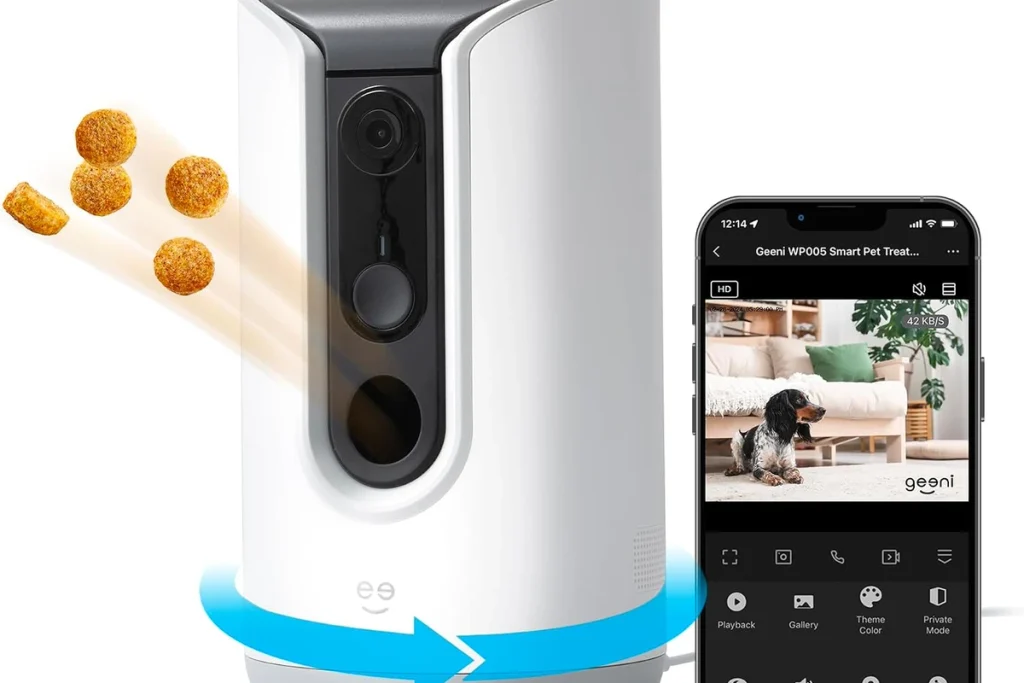
AI-Powered Smart Pet Camera
An indoor monitoring camera built with an integrated NPU (Neural Processing Unit) for real-time video analytics. The system detects specific behaviors such as excessive barking, pacing, or vomiting, triggering targeted push notifications to pet owners via cloud services.
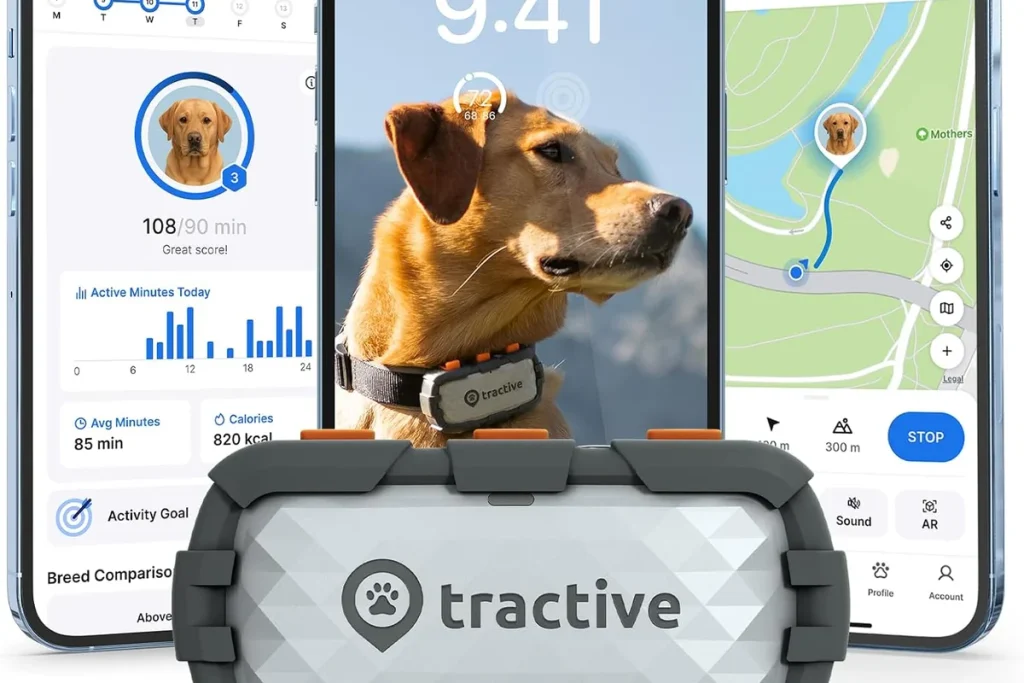
GPS Pet Tracking Device
A compact GPS pet tracker utilizing multi-constellation GNSS (GPS, GLONASS, Galileo, BeiDou) paired with LTE-M/NB-IoT fallback. Designed with robust power management algorithms to deliver real-time location updates while maintaining weeks of standby operation.
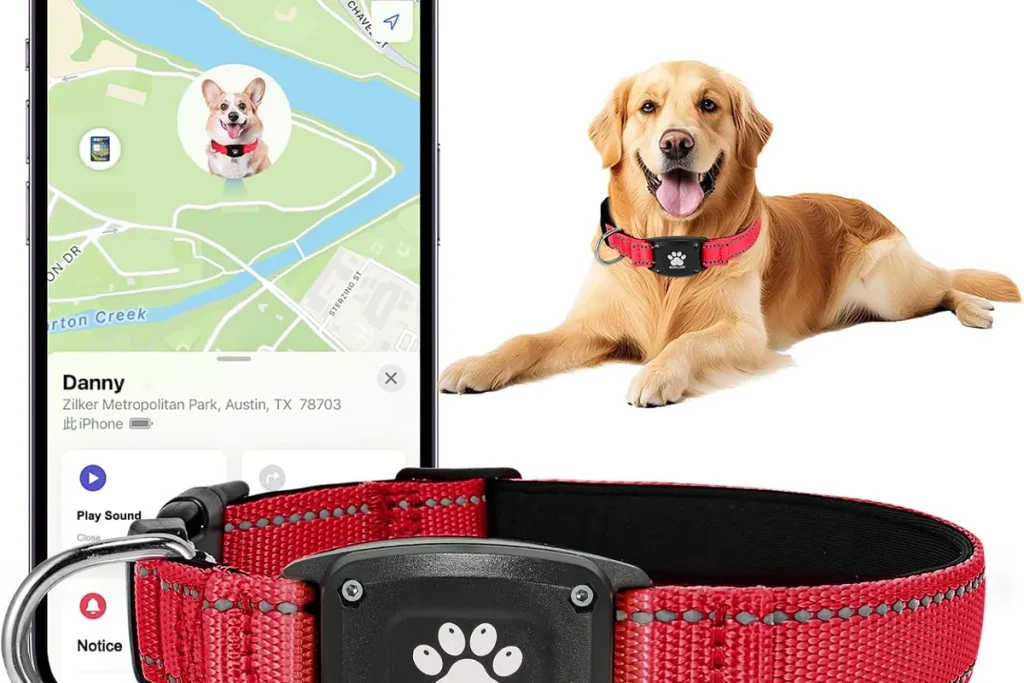
Smart GPS Pet Collar
A fully integrated smart pet collar housing flexible PCBAs, internal antennas, and a rugged, waterproof TPU enclosure. This device operates as a dedicated GPS dog collar, combining geofencing features with activity monitoring in an ergonomic form factor.
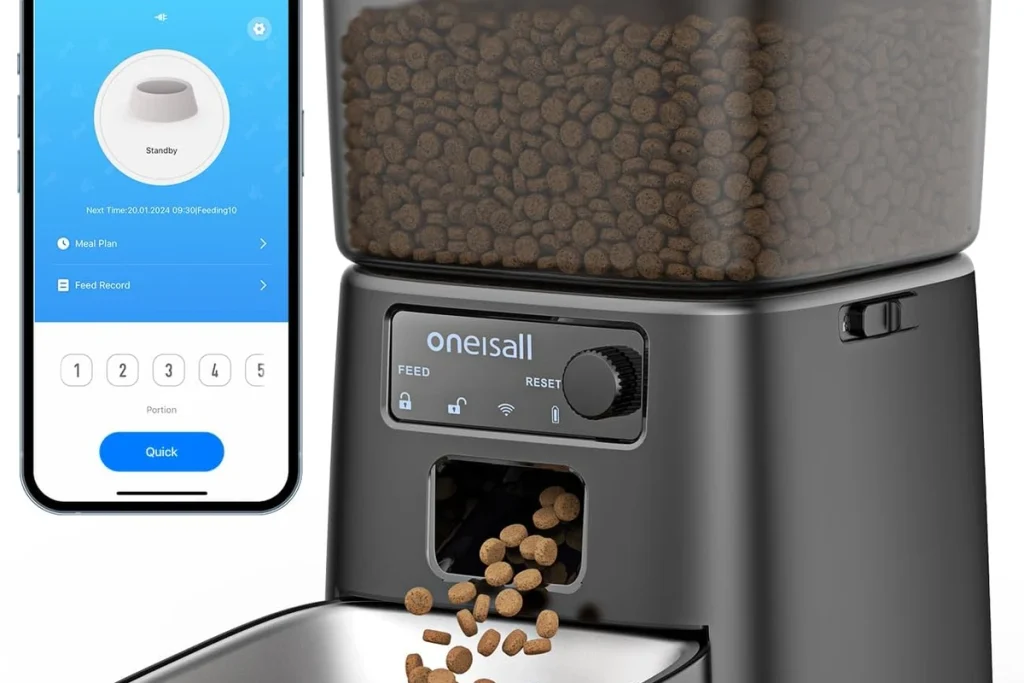
Automatic Smart Pet Feeder
An automated food dispenser featuring load-cell weight sensors, jam-resistant dual-rotor motors, and Wi-Fi connectivity. Using a smart pet feeder or automatic pet feeder design allows owners to schedule precise meal portions and receive low-inventory alerts directly on their smartphones.
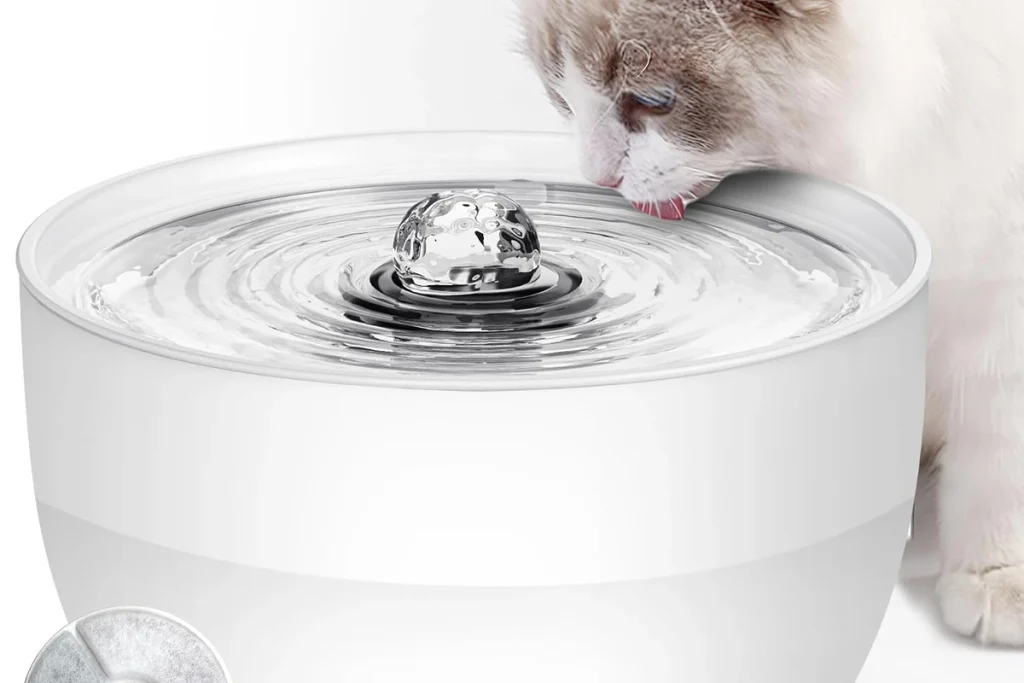
Smart Pet Water Fountain
A circulating hydration system with integrated UV-C sterilization, water level sensing, and TDS (Total Dissolved Solids) quality monitoring. A smart pet water fountain encourages hydration while giving owners actionable metrics on daily liquid consumption.
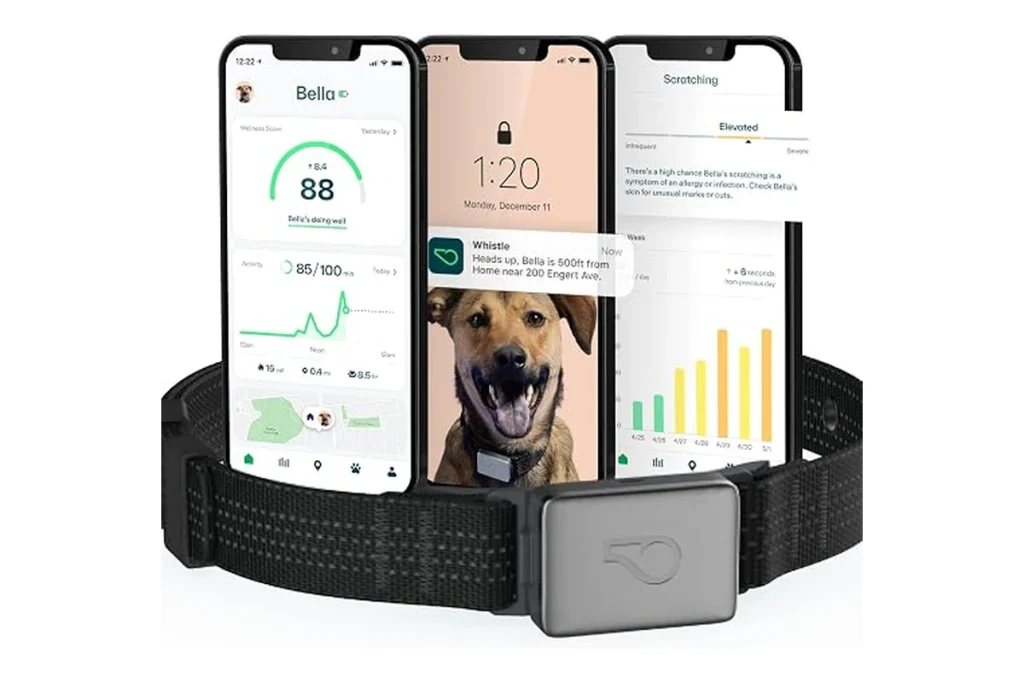
Pet Activity and Fitness Tracker
A lightweight collar attachment featuring a 6-axis IMU (accelerometer + gyroscope) to classify pet movements like walking, running, scratching, and sleeping. This pet activity tracker syncs via Bluetooth Low Energy to build daily health baselines.
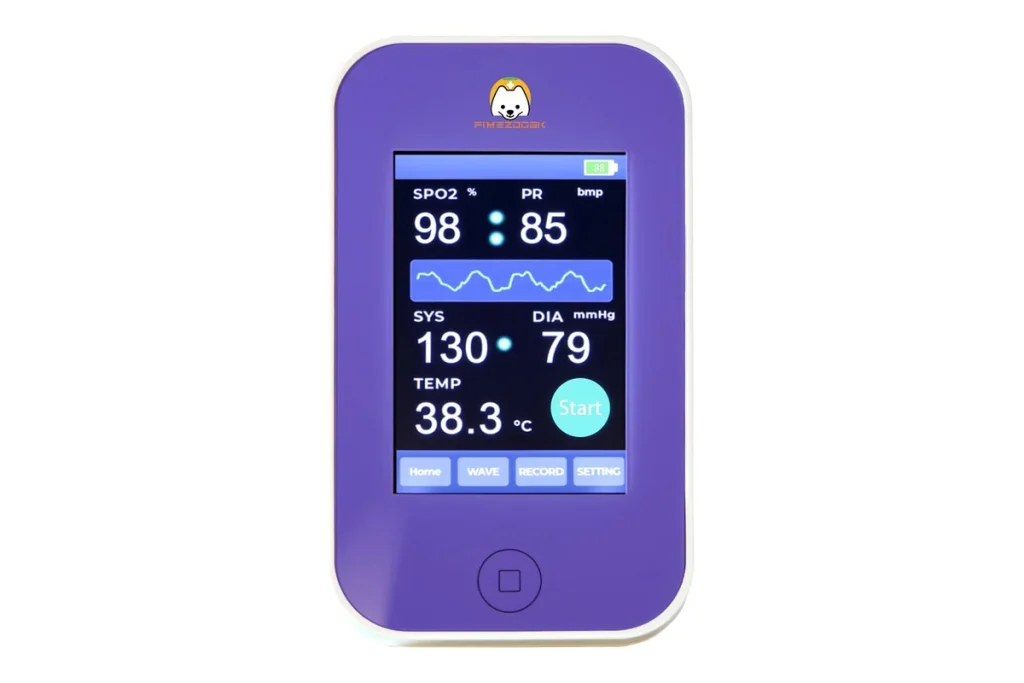
Smart Pet Health Monitor
A non-invasive medical monitor evaluating vital metrics like resting heart rate and respiratory rate through micro-radar or optical sensors. Serving as a dedicated pet health monitor, it aids in the early detection of chronic conditions.
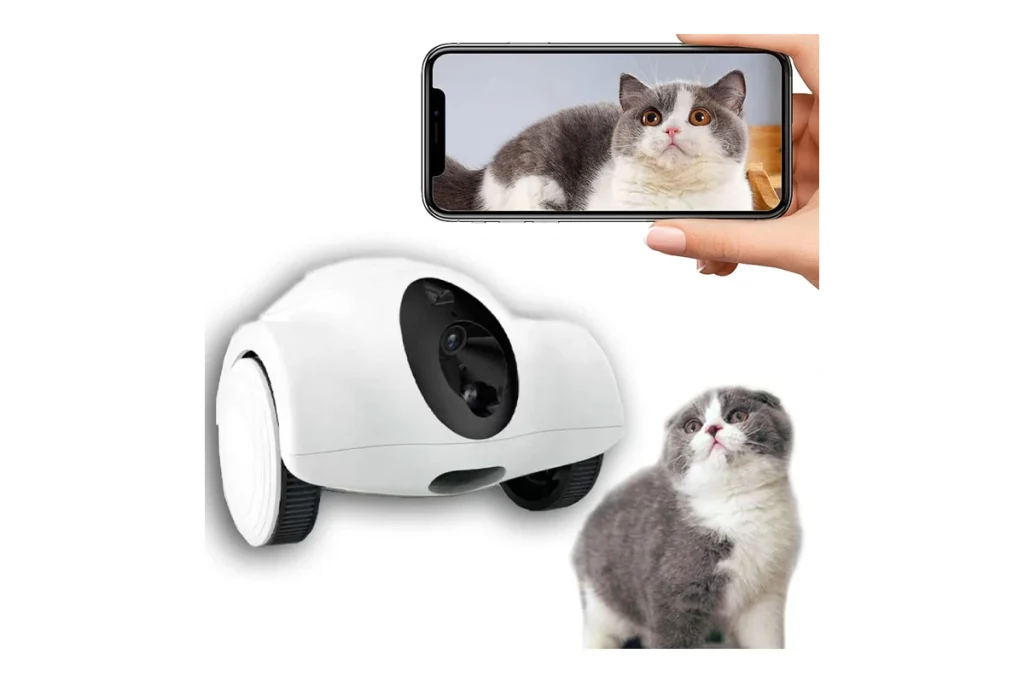
AI-Based Pet Behavior Monitor
An advanced monitoring hub that processes audio and motion data locally using edge machine learning models. It flags anxiety behaviors, separation stress, and compulsive habits without sending continuous raw audio feeds to external servers.
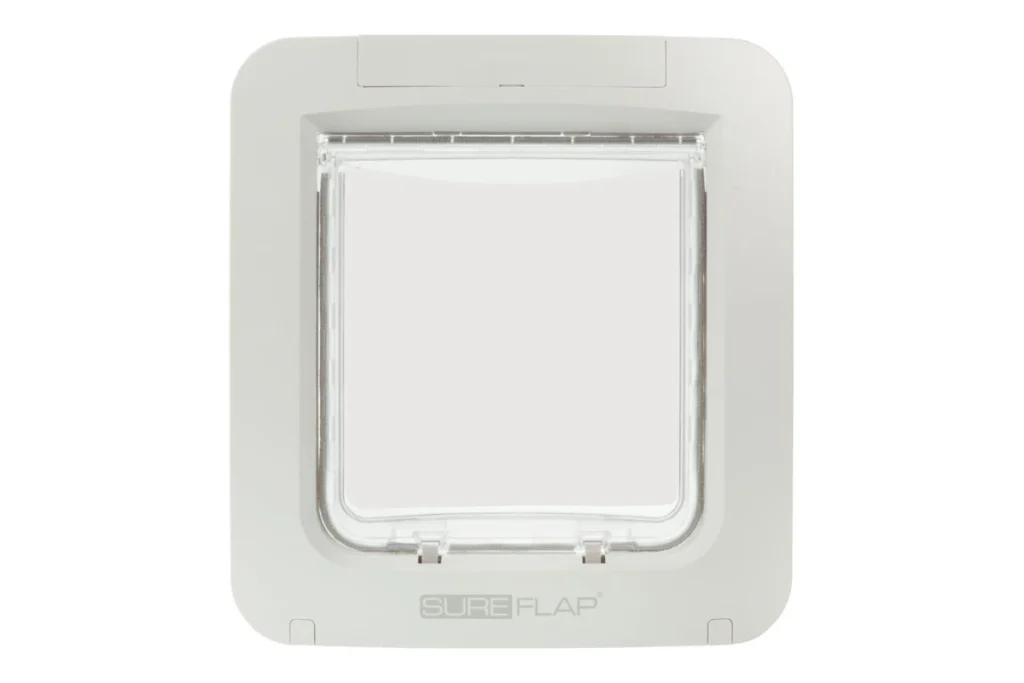
Smart Pet Door
A secure entry portal controlled by RFID microchip scanning or ultra-wideband (UWB) proximity detection. It grants selective access to specific household pets while blocking wildlife and strays from entering the residence.

Automatic Interactive Pet Toy
A self-navigating play system equipped with optical obstacle avoidance, random motion algorithms, and dynamic surface traction. It keeps indoor animals physically engaged while owners are away from home.
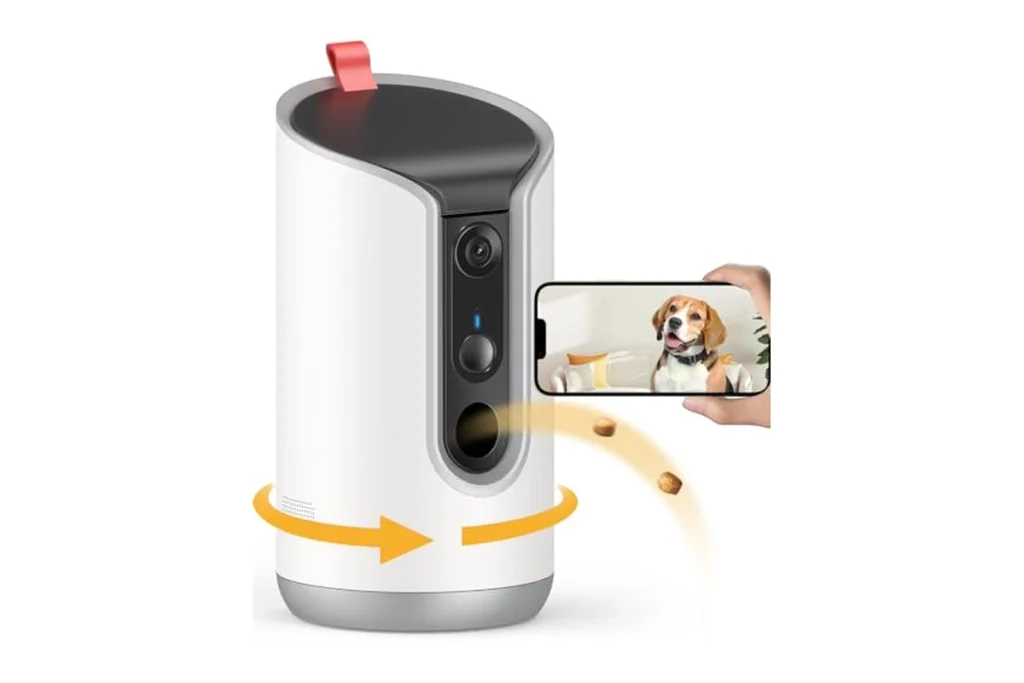
Smart Treat Dispenser
A compact desktop device combining remote video streaming with a motor-driven treat ejection system. Incorporating a high-definition smart pet camera or AI pet camera module enables owners to interact with and reward pets remotely.
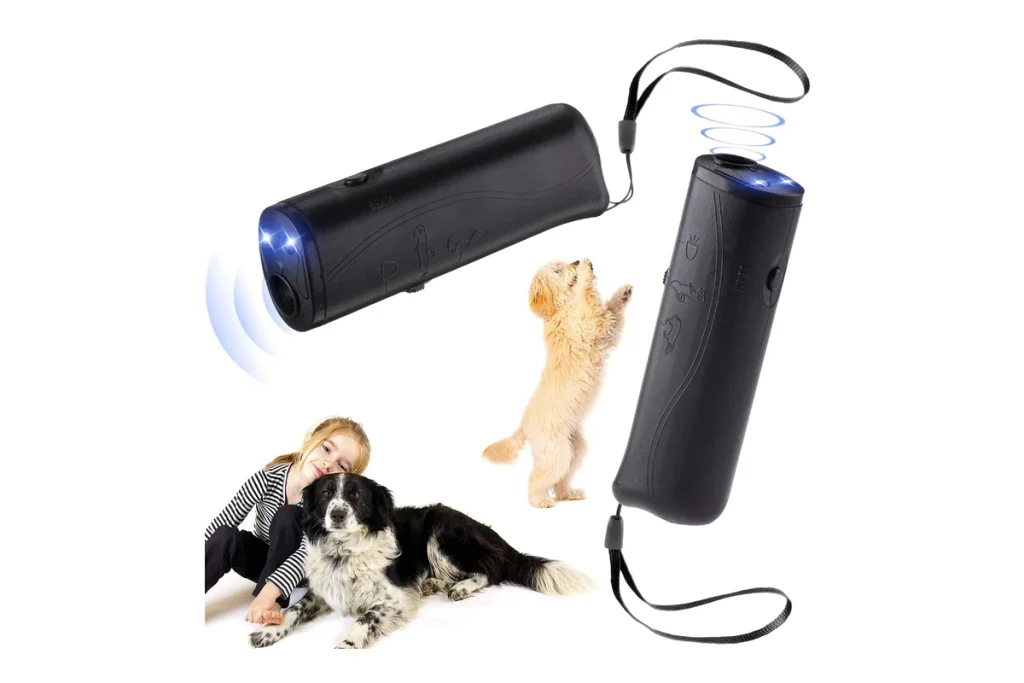
Connected Pet Training Device
A positive-reinforcement training tool using ultrasonic feedback tone sequences and automated treat rewards triggered by sound recognition algorithms or manual app inputs.
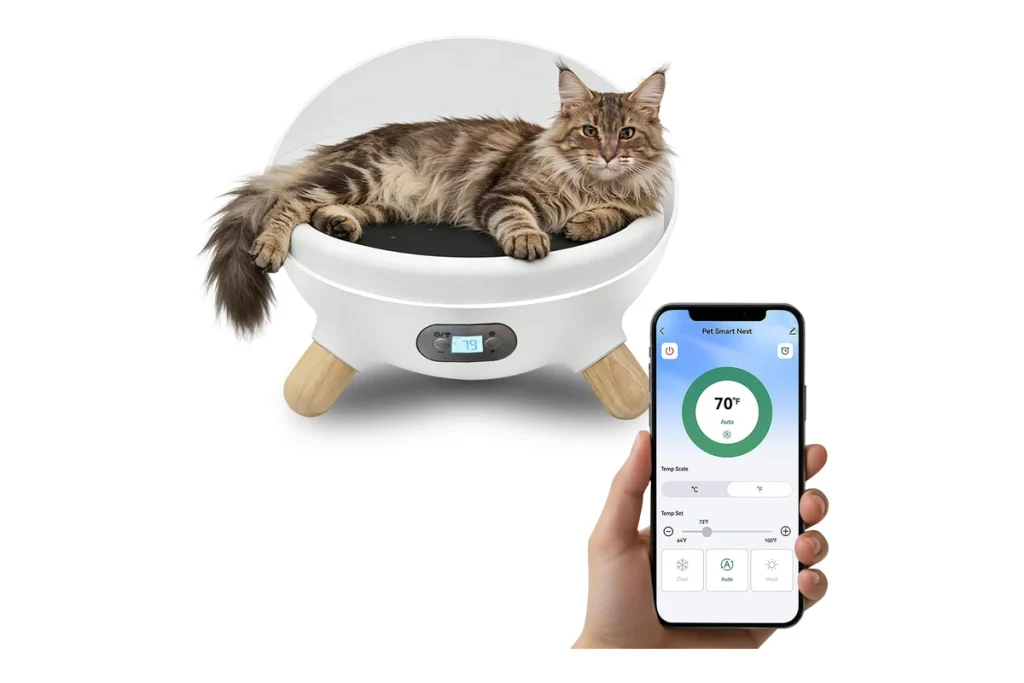
Smart Pet Bed
An ergonomic pet bed featuring embedded PTC heating elements and thermoelectric cooling modules. Internal pressure sensors record sleeping patterns and body weight fluctuations over extended timeframes.
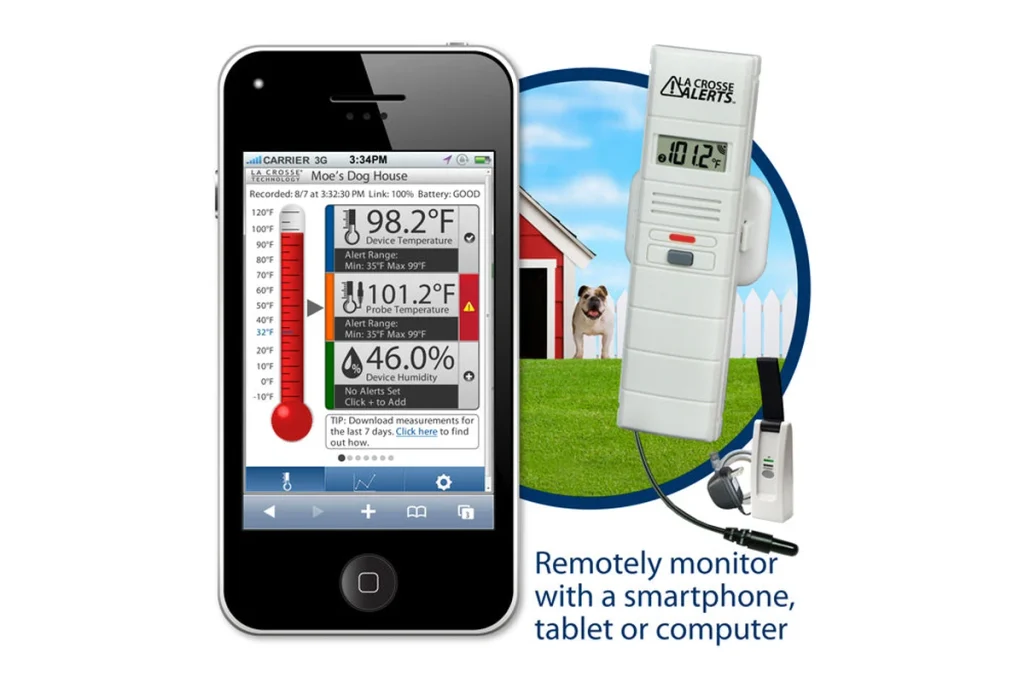
Pet Temperature and Environment Monitor
A compact environmental sensor cluster measuring localized ambient temperature, humidity, and air quality within crates, kennels, or specific pet rooms, issuing instant alerts if parameters exceed safe thresholds.
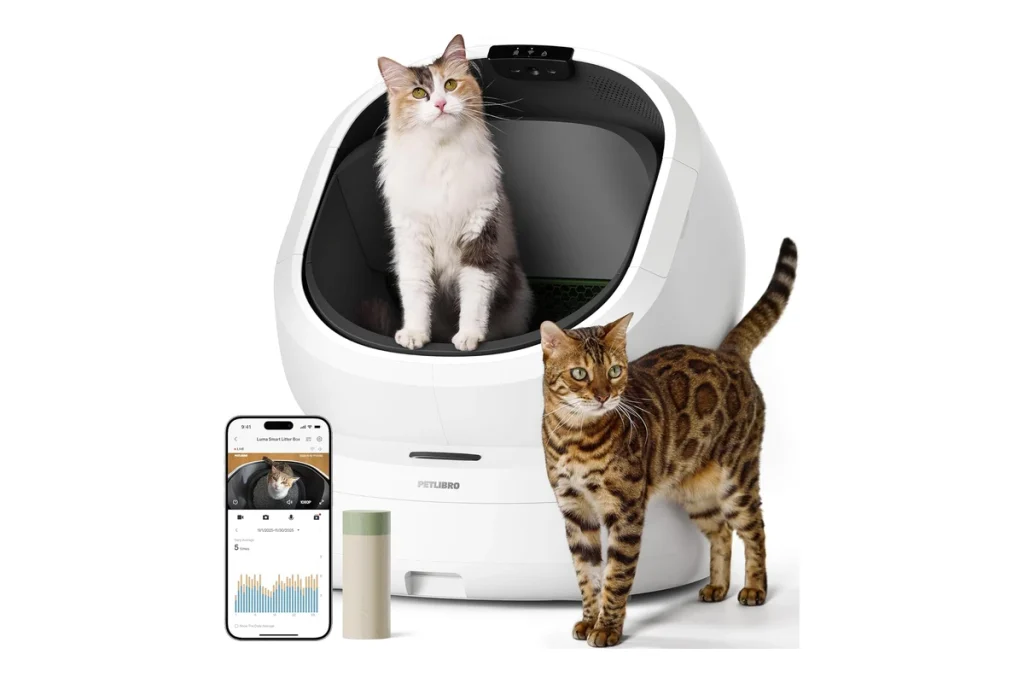
Smart Litter Box
An enclosure utilizing multi-sensor weight arrays to track feline usage frequency, duration, and body weight changes, highlighting subtle behavioral shifts that suggest urinary tract issues.
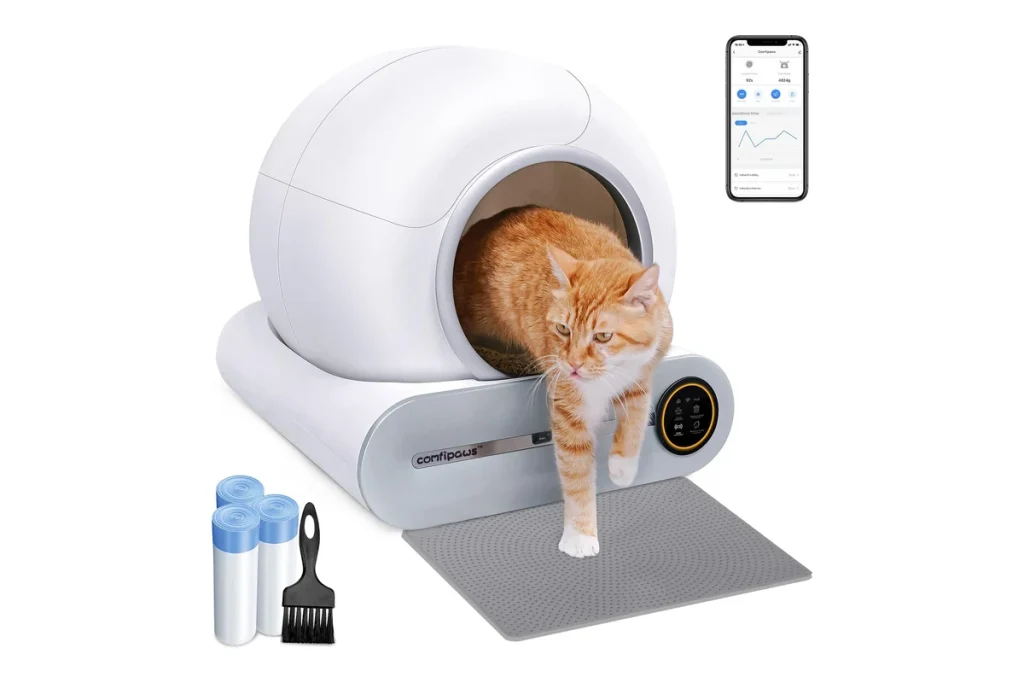
Automatic Self-Cleaning Pet Toilet
A mechanical sanitation system that automatically isolates waste after each use into sealed carbon-filtered receptacles, equipped with pinch-detection safety sensors to ensure pet protection during cycle rotation.
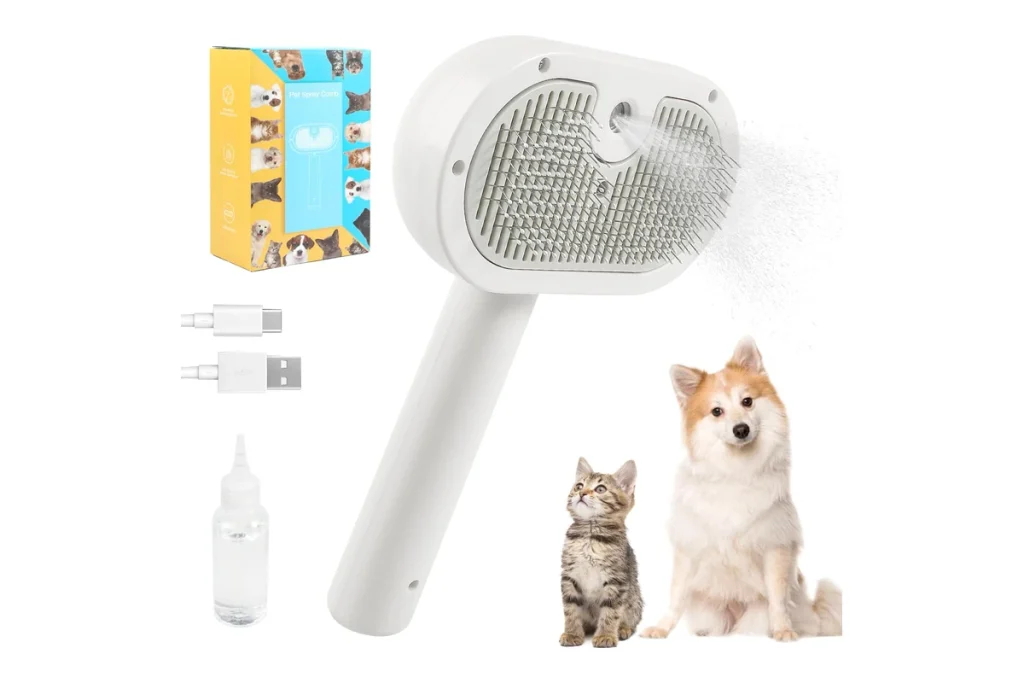
Smart Pet Grooming Device
An electric grooming brush integrated with suction airflow, pelt condition monitoring, and coat density sensors to collect loose fur while measuring skin health indicators.
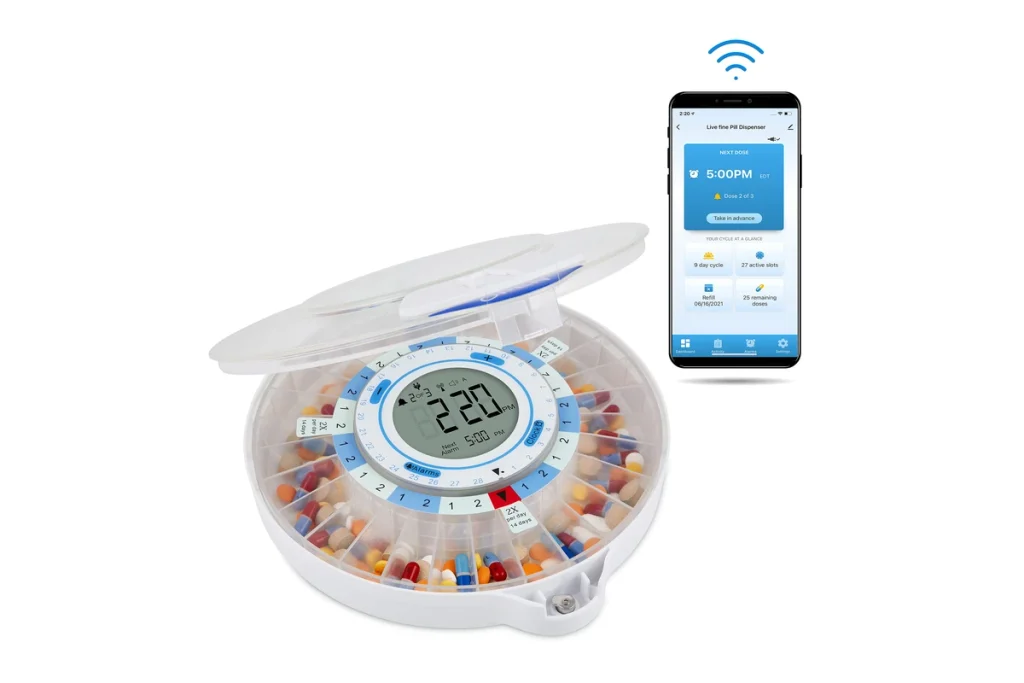
Connected Pet Medication Dispenser
A tamper-resistant automated dispenser that releases liquid or pill dosages at scheduled intervals, alerting owners and veterinary portals if a dose remains uncollected.

Smart Pet Location Beacon
A short-range, ultra-low-power Bluetooth Low Energy and UWB beacon designed for high-density indoor localization, aiding owners in locating pets inside large residential spaces or multi-story structures.
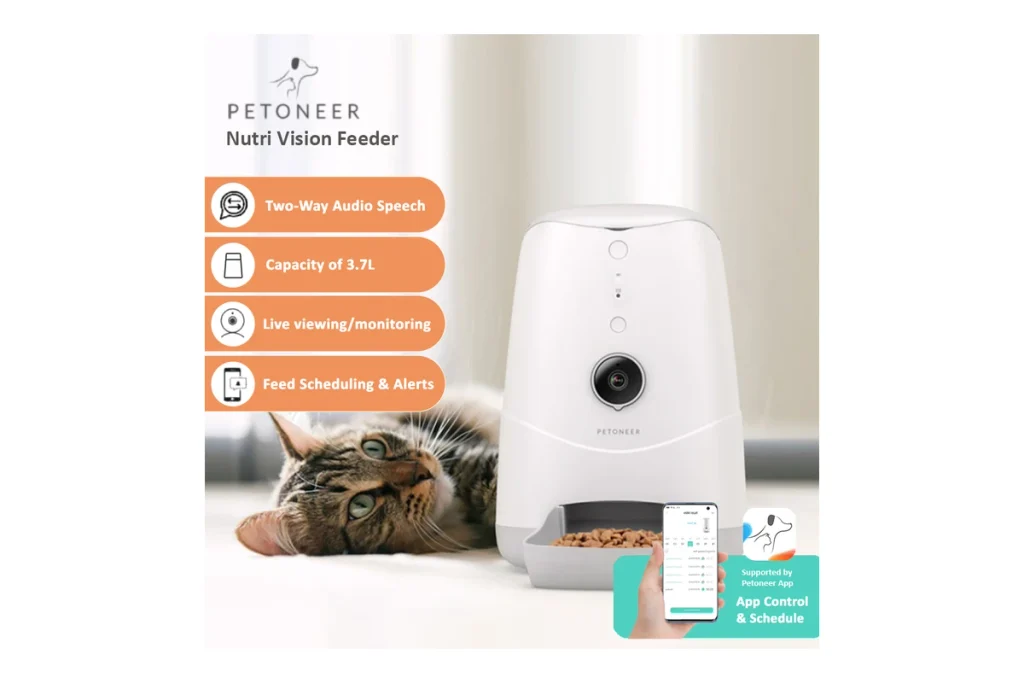
AI Pet Feeding and Nutrition Monitor
A nutrition management system utilizing computer vision to identify which specific pet approaches a dish, measuring exact food volume intake to optimize dietary plans in multi-pet households.

Smart Pet Anti-Lost Device
A secondary safety tag leveraging crowd-sourced tracking networks and audible piezo alerts to help owners locate lost pets in dense suburban environments.
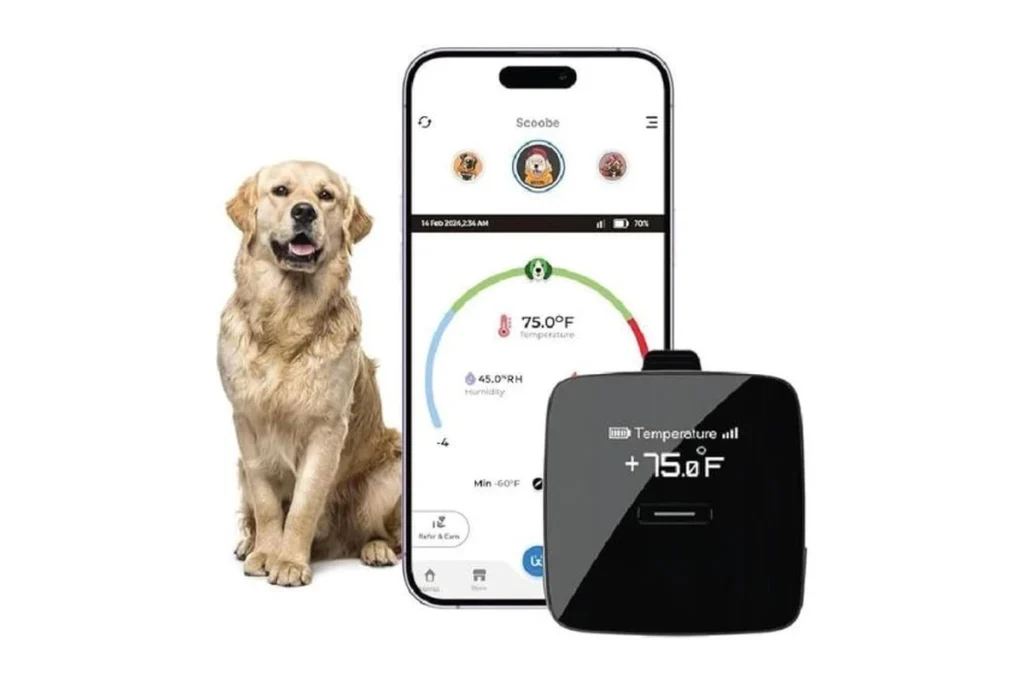
Connected Pet Safety Monitor
A specialized safety node for outdoor enclosures or vehicles that monitors ambient thermal conditions, carbon monoxide levels, and structural door closures to prevent accidents.
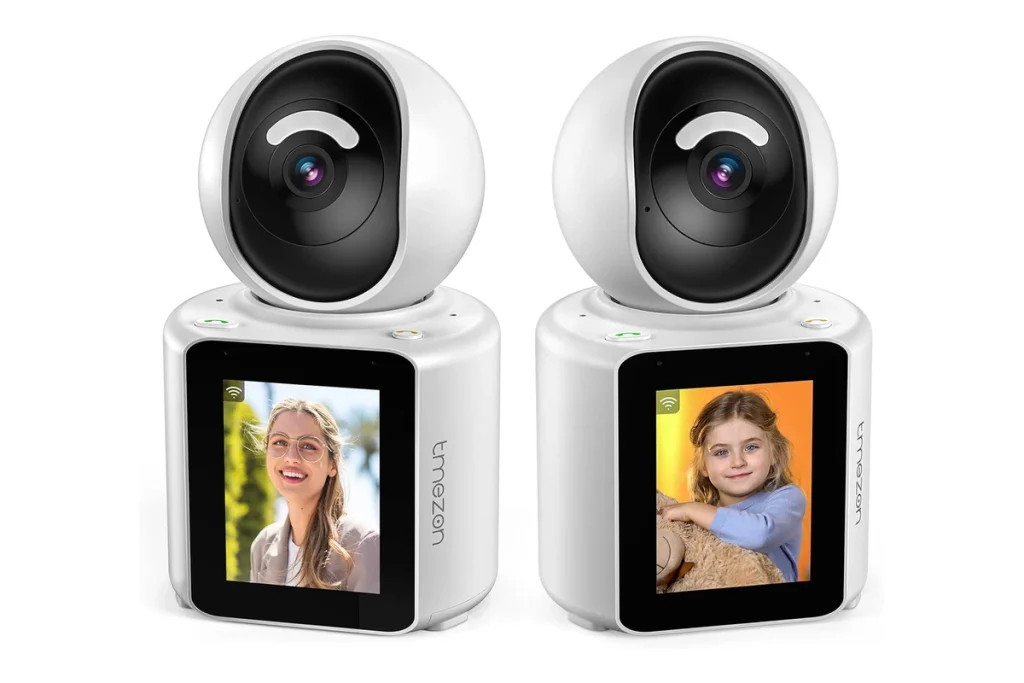
Smart Pet Camera With Two-Way Communication
A high-definition camera system housing noise-canceling dual-microphone arrays and full-duplex speaker hardware, enabling clear, low-latency audio interaction between owners and their animals.
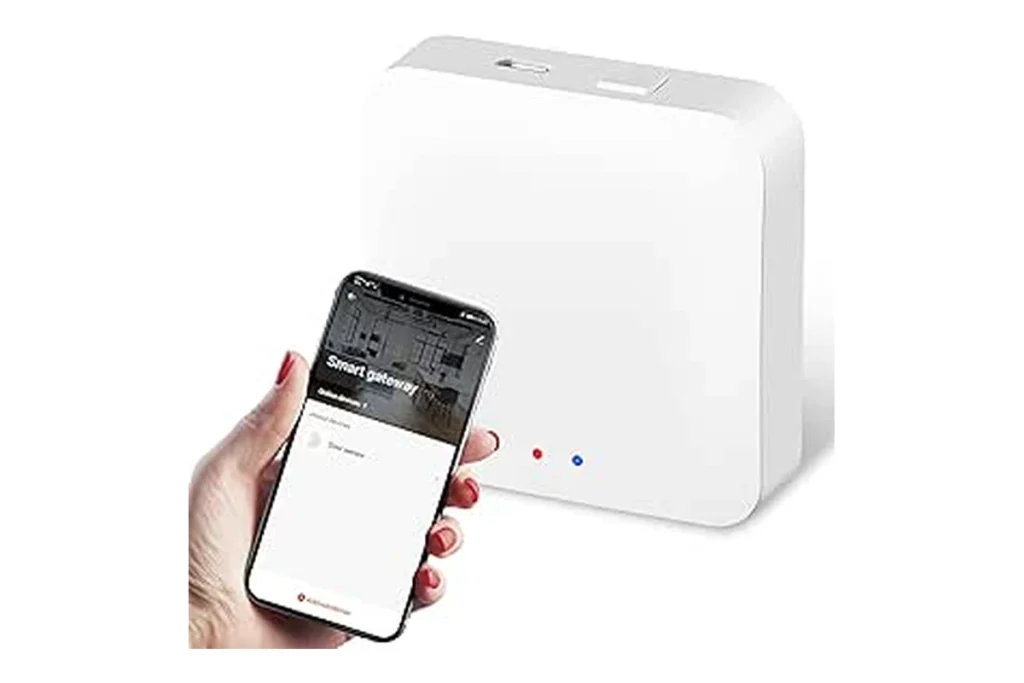
Multi-Pet Smart Monitoring System
A unified hardware gateway that collates telemetry from multiple collars, feeders, and environment sensors across a residence, providing consolidated data reporting over localized mesh networks.
Integrated Smart Pet Care Hub
A centralized hardware dock combining automated food dispensing, hydration filtration, health metrics tracking, and cloud connectivity into a single streamlined station for modern households.
Related: 10 Best Consumer Electronics Products You Can Manufacture
Technologies Behind Modern Smart Pet Products
To transform pet tech product ideas into commercial hardware, engineering teams combine specific wireless standards, microcontrollers, and sensor arrays. Choosing the correct technology stack directly governs unit cost, battery life, and enclosure size.
| SENSORS | HARDWARE ENGINE | CONNECTIVITY | CLOUD |
| 6-Axis IMU | Low-Power MCU (Nordic / ESP32) | BLE 5.3 | AWS IoT |
| Optical Vital | Local Edge AI (NPU) | Cellular | Mobile App |
| Weight Load Cell | Wi-Fi 6 | Analytics |
Data Flow: Sensors → Hardware Engine → Connectivity → Cloud
IoT Connectivity for Connected Pet Devices
Selecting the right wireless protocol depends on operational range and power consumption targets. Devices deployed outdoors demand cellular protocols, whereas stationary home appliances use localized Wi-Fi networking.
| Protocol | Power Consumption | Operational Range | Target Hardware Use Case |
| LTE-M / NB-IoT | Moderate – High | Global (Cellular) | Outdoor GPS pet tracker & boundary collars |
| BLE 5.3 | Ultra-Low | Up to 100 meters | Wearable pet technology & activity tags |
| Wi-Fi 6 (2.4/5GHz) | High | Local Area Network | Smart pet camera & stationary home hubs |
| Ultra-Wideband (UWB) | Low – Moderate | Precision Indoor (<10m) | Micro-location tags & selective smart doors |
GPS and Location Tracking Technology
Modern GPS dog collar hardware relies on multi-GNSS receivers paired with assisted GPS (A-GPS) server links. A-GPS dramatically reduces Time-To-First-Fix (TTFF) from minutes to seconds, reducing power drain on compact batteries.
Bluetooth Low Energy for Pet Wearables
Bluetooth Low Energy (BLE) forms the backbone of compact, long-lasting collar attachments. BLE 5.3 allows high-throughput burst data transfers for activity logs while maintaining micro-amp standby currents.
Wi-Fi Connectivity and Cloud Platforms
High-bandwidth hardware, such as an AI pet camera or automated video treat dispenser, requires dual-band Wi-Fi connectivity. Cloud services hosted on AWS IoT or Microsoft Azure manage video streaming pipelines, device provisioning, and over-the-air (OTA) firmware updates.
AI and Computer Vision for Pet Monitoring
Edge AI chips allow cameras and feeders to run localized neural networks. Processing vision algorithms locally eliminates cloud bandwidth expenses and guarantees real-time response times for tracking pet movements and intake.
Sensors for Activity, Health, and Environment Monitoring
- Accelerometer / Gyroscope (IMU): Captures motion vectors to quantify step counts, resting cycles, and sudden impacts.
- Load Cells: Measure milligram weight changes in feeding bowls and litter systems.
- Optical & Radar Sensors: Measure micro-surface shifts to monitor pulse and breathing patterns non-invasively.
- Environmental Sensors: Track ambient humidity, temperature levels, and volatile organic compounds (VOCs).
Mobile Apps and Pet-Tech User Interfaces
Hardware usability depends heavily on companion iOS and Android applications. Effective interfaces streamline initial BLE pairing via Wi-Fi Easy Connect, present clear telemetry graphs, and deliver instantaneous push alerts.
Battery Management and Low-Power Design
Power management circuits must feature low quiescent current draw down to sub-microamp levels. Combining low-power microcontrollers (such as Nordic Semiconductor nRF series) with tuned firmware sleep modes maximizes operational lifespans.
Related: 20 Wearable Technology Product Ideas for New Businesses
How to Choose the Right Smart Pet Product Idea
Deciding which smart pet product ideas to take into physical production requires systematically evaluating market demand, technical feasibility, and unit economics.
Identify an Unsolved Pet Owner Problem
Product failure often stems from solving problems that pet owners do not actually care about. Successful hardware addresses tangible pain points: preventing lost pets, identifying health decline early, or automating repetitive feeding duties during long work shifts.
Evaluate Market Demand and Competition
Analyze search volume trends, rival consumer reviews, and active crowdfunding drives. Pinpoint functional gaps in competing products—such as short battery lifespans, fragile housings, or unreliable cloud connectivity—and target those specific vulnerabilities.
Define the Target Pet and Customer
Hardware design constraints vary drastically between species and breeds. A tracker for a 4 kg cat requires extreme weight reduction and miniaturized PCB design, whereas a device built for a 45 kg dog permits larger battery cells but demands exceptional structural impact resistance.
Determine Essential Features Versus Nice-to-Have Features
Scope creep expands hardware development costs and delays launch timelines. Focus initial engineering sprints on core functional drivers—such as basic location tracking or reliable meal dispensing—before adding secondary display panels or RGB LED elements.
Consider Connectivity, Battery Life, and Reliability
Choose hardware components based on real-world operating environments. Outdoor trackers demand waterproof sealing and high-efficiency RF antennas, while indoor items prioritize consistent home network reconnection protocols.
Evaluate Product Cost and Target Retail Price
Establish target manufacturing Bill of Materials (BOM) costs early. As a general rule, target retail pricing should equal roughly 3x to 4x landed manufacturing BOM costs to leave margin for shipping, retail distribution, marketing, and cloud platform maintenance.
Assess Regulatory and Certification Requirements
All electronic products emitting radio frequency energy require mandatory testing. Factor testing timelines and expenses for FCC, CE, RoHS, and REACH compliance into early project schedules.
Smart Pet Product Design and Development Process
Transforming a concept into a scalable, market-ready device requires a structured engineering roadmap. Skip steps, and costly tooling modifications or field recalls become inevitable.
| Phase | Steps |
|---|---|
| Design & Engineering | Concept & Arch → Industrial Design → Engineering (EE/ME) → Firmware/App |
| Validation & Production | Prototypes (EVT) → Validation (DVT) → Production Setup (PVT) → Mass Mfg |
Product Concept and Technical Feasibility
Map core features to physical hardware components. Conduct feasibility studies on power draw, battery dimensions, processing loads, and antenna placements to confirm the product idea works within physical limits.
Industrial Design and User Experience
Industrial designers create ergonomic, aesthetically pleasing enclosures. Designers balance visual appeal with practical requirements: waterproofing gaskets, button accessibility, LED indicator placement, and bite-resistant surfaces.
Electronics and Hardware Engineering
Electrical engineers map out schematic diagrams, choose active and passive components, and execute PCB layout design. Key priorities include optimizing RF trace path routing, power rail distribution, and minimizing board footprint.
Firmware and Embedded Software Development
Embedded developers write low-level code controlling onboard peripherals, power states, dynamic sensor sampling rates, and wireless network stacks. Firmware must be stable, secure, and capable of safe over-the-air updates.
Mobile App and Cloud Integration
Simultaneously, software teams develop the companion smartphone app and cloud infrastructure back-end. Secure REST or MQTT APIs handle communication between physical hardware, cloud databases, and mobile user interfaces.
Prototype Development and Functional Testing
Build preliminary functional prototypes using 3D-printed enclosures and quick-turn PCB assemblies. Test early hardware iterations against fundamental user expectations to catch major design flaws early in development.
Testing and Validation for Smart Pet Devices
Rigorous validation guarantees that connected pet devices remain functional under demanding physical conditions.
| EVT (Engineering) | DVT (Design & Environmental) | PVT (Production Line) |
|---|---|---|
| PCB Functionality | IP67/IP68 Waterproofing | Assembly Yields |
| Firmware Logic | Drop / Bite Impact | Quality Fixtures |
Engineering Validation Testing (EVT)
EVT verifies that the core electrical schematics and custom PCB design operate correctly. Engineers test power rails, signal integrity, microcontrollers, and initial firmware features on benchtop setups.
Design Validation Testing (DVT)
DVT confirms that the custom PCBA fits perfectly inside production-grade injection-molded plastic enclosures. Testing at this stage focuses on real-world stress: waterproofing, environmental temperature swings, drop tests, and vibration survival.
Production Validation Testing (PVT)
PVT runs the hardware through final factory assembly lines at lower volumes. This stage tests mass-production tooling, optimizes assembly line speed, and refines automated test fixture procedures.
Reliability and Environmental Testing
Subject devices to harsh environmental testing: thermal shock chambers (-20°C to +60°C), salt spray exposure, UV deterioration, and drop testing on hard concrete surfaces from heights of 1.5 meters or more.
Connectivity and Battery Testing
Measure antenna radiation patterns inside anechoic chambers to confirm radio performance. Conduct battery discharge profiling across varying ambient temperatures to verify real-world battery life statements.
Certification and Compliance Testing
Submit final production-equivalent units to accredited laboratories for regulatory testing, including FCC (USA), CE (Europe), IC (Canada), UN38.3 (Lithium battery transport safety), and RoHS/REACH environmental material compliance.
Related: 50 Innovative Electronic Product Ideas to Manufacture in 2026
Manufacturing Considerations for Pet-Tech Products
Transitioning from lab prototypes to high-volume manufacturing requires focused attention to production engineering and material selection.
| MANUFACTURING WORKFLOW | |||
|---|---|---|---|
| Material Selection | Injection Tooling | SMT Assembly | QA / Testing Line |
| (PC+ABS / TPU) | (Steel Molds) | (Pick & Place) | (Optical / Functional) |
Selecting Materials for Pet-Safe Products
Materials must be non-toxic, durable, and resistant to scratching or biting. Use food-grade ABS, polycarbonate blends (PC+ABS) for structural rigid housings, and medical-grade silicone or TPU overmolds for flexible, comfortable collar assemblies.
Design for Manufacturing and Assembly
Optimize part geometry for high-volume production. Incorporate draft angles on enclosure walls, ensure uniform wall thickness to prevent sink marks during plastic injection, and minimize total screw count using snap-fit structures where appropriate.
Component Sourcing and Supply Chain Planning
Source key active components (microcontrollers, sensors, cellular modules) through franchised distributors to avoid counterfeit parts. Identify secondary component options to prevent production halts during global supply shortages.
Tooling and Injection Molding Requirements
Invest in high-grade hardened steel molds (P20 or NAK80 steel) for high-volume plastic injection molding. Proper mold design prevents flash, warping, and cosmetic defects across hundreds of thousands of production cycles.
PCB Assembly and Electronics Manufacturing
In Electronics Manufacturing, Automated Surface Mount Technology (SMT) lines place microscopic components onto bare PCBs. High-resolution Automated Optical Inspection (AOI) and X-ray inspection verify solder joint integrity on dense BGA packages.
Quality Control During Production
Establish rigorous Quality Control (QC) checkpoints across every stage: incoming raw material inspections (IQC), in-process assembly checks (IPQC), and final outbound quality assurance (FQA) testing on finished goods.
Scaling From Prototype to Mass Production
Ramp up factory volumes in controlled batches. Moving from a pilot run of 500 units to full mass production runs of 10,000+ units allows engineering teams to resolve hidden assembly line bottlenecks without risking scrap materials.
OEM vs ODM for Smart Pet Product Development
Choosing the right development model dictates your upfront capital expense, engineering control, and time to market.
| Comparison Factor | OEM (Original Equipment Manufacturing) | ODM (Original Design Manufacturing) |
| Design Ownership | Brand owns 100% custom IP and tooling | Manufacturer owns base hardware design |
| Upfront NRE Cost | Higher ($50k – $200k+) | Lower ($5k – $20k) |
| Time to Market | 9 to 18 Months | 3 to 6 Months |
| Product Differentiation | Total control over aesthetics & features | Rebranded white-label base platforms |
| Ideal Target Client | Brands seeking unique, proprietary IP | Startups launching proven concepts fast |
When OEM Manufacturing Makes Sense
Choose OEM pet products development when your brand requires a fully proprietary physical design, custom hardware features, and unique software architecture. OEM gives you exclusive intellectual property ownership, ensuring competitors cannot copy your exact hardware housing or circuitry.
When ODM Manufacturing Is a Better Choice
Selecting ODM pet products is ideal when you want to launch market-ready hardware quickly with reduced upfront engineering costs. Choosing pre-engineered white-label platforms allows brands to customize cosmetic trims, logo prints, and packaging while skipping core hardware development phases.
Customization, Branding, and Intellectual Property
OEM models offer total freedom over industrial aesthetics and functional features. Conversely, ODM solutions focus on custom colorways, laser-engraved logos, custom packaging, and minor firmware configurations over existing internal hardware frameworks.
Comparing Development Cost, Time, and Control
OEM path demands significantly higher upfront non-recurring engineering (NRE) investment and longer development lead times, but yields total market differentiation. ODM dramatically reduces initial development costs and time to market, sacrificing design exclusivity.
How Much Does It Cost to Develop a Smart Pet Product?
Estimating complete hardware budgets requires accounting for both upfront engineering development costs and ongoing per-unit manufacturing costs.
Major Factors That Influence Development Cost
Upfront capital needs depend directly on hardware complexity, mechanical features, waterproof sealing requirements, custom mobile app features, and radio frequency certification targets.
| UPFRONT DEVELOPMENT COST DISTRIBUTION | |
|---|---|
| Engineering & Firmware | 35% |
| Tooling & Molds | 35% |
| Testing & Certification | 20% |
| Prototypes | 10% |
Prototype and Engineering Costs
Initial concept refinement, industrial design rendering, schematic creation, 3D printing, and rapid prototype PCB fabrication generally require between $15,000 and $50,000 depending on device complexity.
Tooling and Production Setup Costs
Precision steel injection molds for plastic enclosures represent a major capital expense, ranging from $12,000 for simple small enclosures to well over $60,000 for multi-cavity, complex overmolded structures.
Electronics, Components, and Connectivity Costs
Sourcing premium microcontrollers, optical sensors, GNSS modules, and battery cells directly impacts unit costs. High-performance modules increase BOM costs but reduce firmware development headaches.
Certification and Testing Expenses
Mandatory FCC, CE, and UN38.3 testing lab fees typically cost between $10,000 and $30,000 per device, depending on the number of wireless transmitters operating inside the enclosure.
Factors That Affect Per-Unit Manufacturing Cost
- Order Volumes: Larger manufacturing runs drastically lower unit costs across plastics, assembly labor, and component sourcing.
- Component Sourcing: Buying microcontrollers and sensors directly from Tier-1 manufacturers reduces unit BOM costs.
- Assembly Complexity: Intricate manual wiring or gluing increases factory labor time per unit.
How to Choose a Smart Pet Product Manufacturing Partner
Selecting an experienced hardware production partner directly determines product reliability, margin targets, and overall brand reputation.
Evaluate Product Development and Engineering Capabilities
Ensure the manufacturer maintains an in-house team of mechanical, electrical, and firmware engineers rather than relying entirely on outsourced subcontractors.
Check Prototype-to-Mass-Production Experience
Verify that the production plant has successfully scaled complex IoT consumer devices from initial EVT prototypes to high-volume mass production runs without quality degradation.
Verify Quality Control and Testing Processes
Inspect the factory’s quality infrastructure: check for ISO 9001 certifications, optical inspection equipment, automated functional test rigs, and standardized burn-in testing chambers.
Assess Component Sourcing and Supply Chain Capabilities
A capable pet product manufacturing partner maintains strong relationships with global semiconductor distributors, guaranteeing component access and volume pricing advantages.
Confirm Communication, IP, and Project Management Processes
Clear English communication pipelines, dedicated project management teams, and legally binding Intellectual Property (IP) protection agreements are non-negotiable requirements when manufacturing overseas.
Ask About MOQ, Lead Times, Tooling, and Production Capacity
Clarify Minimum Order Quantity (MOQ) demands, tooling mold fabrication timelines, component lead times, and total monthly factory output capacity before signing production contracts.
Related: Product Design Explained: How to Turn Your Idea into a Manufacturable Product (2026)
Common Challenges When Developing Smart Pet Products
Balancing Features With Product Cost
Adding secondary displays, additional sensors, and multi-protocol radios increases consumer appeal, but inflates BOM cost and selling prices. Keep hardware streamlined focused on core user needs.
Managing Battery Life in Connected Devices
Cellular tracking devices consume significant battery power during signal transmission. Hardware engineers must balance battery pack capacity (and associated physical weight) against intelligent firmware sleep routines to achieve multi-week battery life.
Designing for Pet Durability and Daily Use
Animals subject wearable devices to extreme physical impacts, bite forces, mud, and water immersion. Enclosures require impact-resistant resin selections, thick structural walls, and IP67/IP68 silicone gasket seals.
| IP Code | Dust Protection | Liquid Immersion Protection |
|---|---|---|
| IP65 | Dust Tight (No Ingress) | Water Jets From Any Direction |
| IP67 | Dust Tight (No Ingress) | Continuous Immersion Up to 1m Depth (30 mins) |
| IP68 | Dust Tight (No Ingress) | Continuous Immersion Beyond 1m Depth (Custom) |
Maintaining Reliable Wireless Connectivity
Tiny collar devices place antenna traces close to animal tissue, which naturally absorbs RF energy. Antenna design requires careful tuning and clearance planning to maintain strong wireless ranges.
Protecting Pet and User Data
Smart cameras and trackers collect personal user schedules, home video streams, and location histories. Hardware and cloud pipelines must employ encrypted flash memory, secure boot protocols, and TLS 1.3 data transmission.
Managing Certification and Compliance Requirements
Failing radio emission tests or using non-compliant battery cells can completely block shipments at customs. Conduct pre-compliance testing early during EVT and DVT stages to avoid expensive re-engineering cycles.
Why Pet-Tech Brands Work With Precintl
Precintl provides full-service engineering, design, and manufacturing solutions customized specifically for brands building electronic hardware.
End-to-End Smart Pet Product Development
Precintl handles the entire hardware product lifecycle from initial hand-drawn concepts to full mass production, eliminating coordination headaches between separate design houses and assembly plants.
From Product Concept to Functional Prototype
Our engineering team converts raw product ideas into physical, fully functional working prototypes using fast-turn 3D printing, CNC machining, and rapid PCBA fabrication.
Engineering, Verification, and Certification Support
Precintl guides client designs through EVT, DVT, and PVT testing stages, ensuring full compliance with global regulatory standards like FCC, CE, RoHS, and UN38.3.
OEM and ODM Manufacturing for Pet-Tech Brands
Whether you need fully custom OEM product development or cost-effective ODM white-label manufacturing, Precintl offers flexible manufacturing structures aligned with your capital budget.
Supply Chain and Mass Production Management
Precintl leverages extensive global supply chain networks to source genuine Tier-1 components, negotiate volume pricing, and maintain steady material flows to our production lines.
Quality Control From Pilot Run to Mass Production
Our dedicated quality control engineers monitor every step on the assembly floor, conducting automated functional testing, waterproofing validation, and visual inspections on every production unit.
Why Trust Precintl for Smart Pet Product Development?
Product Development Experience Across Connected Devices
Precintl brings years of hardware engineering experience spanning IoT electronics, wearable sensor platforms, low-power wireless devices, and ruggedized consumer products.
Engineering-Led Approach to Product Feasibility
We evaluate all incoming projects with an engineering mindset. We analyze thermal constraints, battery limits, RF performance, and component costs before you invest in tooling.
Prototype, EVT, DVT, and PVT Validation
Our structured validation workflow minimizes manufacturing risks. Every hardware iteration passes strict testing hurdles before moving to the next production phase.
OEM & ODM Manufacturing Capabilities
With modern SMT lines, plastic injection tooling equipment, and dedicated assembly facilities, Precintl scales production seamlessly from small pilot runs to hundreds of thousands of units. Explore our OEM manufacturing and ODM manufacturing capabilities.
Quality, Compliance, and Production Management
We enforce strict quality control standards throughout assembly, ensuring every shipped device meets safety regulations and operational standards.
From Your Pet-Tech Idea to a Production-Ready Product
Precintl bridges the gap between early hardware ideas and physical, high-margin products sold in global retail markets. Contact Precintl to discuss your product development requirements.
Final Thoughts
The market for connected devices continues to expand as owners seek proactive health tracking, safety automation, and convenient daily care systems. Succeeding in this competitive market requires more than just a clever idea—it demands careful mechanical design, low-power firmware optimization, robust wireless performance, and dependable high-volume manufacturing. By selecting the right hardware stack and partnering with an experienced manufacturing partner like Precintl, brands can rapidly build high-margin smart pet devices that deliver long-term value to pet owners worldwide.
Frequently Asked Questions About Smart Pet Products
What are the most promising smart pet products for 2026?
The most promising opportunities center around low-power GPS and cellular location trackers, AI-powered behavioral cameras, automated health metrics monitors, and smart self-cleaning systems.
What smart pet products are in high demand?
Automated feeders, smart hydration fountains, GPS location collars, and interactive pet cameras show high consumer demand due to their ability to assist busy working pet owners.
How much does it cost to develop a smart pet device?
Developing a custom smart pet device generally costs between $30,000 and $150,000+ depending on device complexity, plastic injection tooling mold costs, firmware features, and wireless certification fees.
How long does it take to develop a smart pet product?
A custom OEM hardware development cycle typically spans 9 to 18 months from initial design concept to mass production. Using existing ODM base platforms can shorten this timeline to 3 to 6 months.
What technologies are used in smart pet devices?
Smart devices rely on microcontrollers, Bluetooth Low Energy (BLE), LTE-M/NB-IoT cellular radios, Wi-Fi, multi-constellation GNSS (GPS), 6-axis accelerometers, load-cell sensors, and optical vital monitoring sensors.
Can a manufacturer customize an existing pet-tech product?
Yes. Through ODM manufacturing models, brands can customize existing hardware platforms with unique exterior colors, surface finishes, laser-etched logos, tailored mobile apps, and custom retail packaging.
What is the difference between OEM and ODM pet products?
OEM (Original Equipment Manufacturing) involves building a completely custom product with exclusive brand-owned intellectual property. ODM (Original Design Manufacturing) rebrands pre-engineered base platforms developed by the manufacturer.
What certifications may smart pet products require?
Electronic pet devices emitting radio frequencies generally require FCC (North America), CE (Europe), IC (Canada), RoHS/REACH (material safety), and UN38.3 (Lithium battery air transport) certifications.
How can startups manufacture smart pet products?
Startups can turn hardware concepts into real products by partnering with an experienced OEM/ODM contract manufacturer like Precintl. Experienced manufacturing partners manage hardware engineering, component sourcing, prototyping, testing, and mass assembly under one roof.