Get precision custom aluminum extrusions for your OEM/ODM products. Precintl provides design, tooling, CNC machining, and finishing. Request a quote today!
Developing hardware components demands precision, tight tolerances, and scalable manufacturing methods. Engineers rely on custom aluminum extrusions to build structural frames, thermal management systems, and complex product enclosures. Forging raw aluminum billets into specific geometric shapes requires specialized tooling, controlled thermal treatments, and rigorous machining.
Precintl engineers and manufactures these components, bringing 30 years of product development expertise to every project. We align material selection, structural geometry, and finishing requirements directly with your end-use application.
Custom Aluminum Extrusion Services: What We Provide
Transforming a 2D drawing into a mass-produced physical part requires an integrated approach. Our custom aluminum extrusion services cover the entire production lifecycle, handling everything from initial geometry optimization to final packaging.
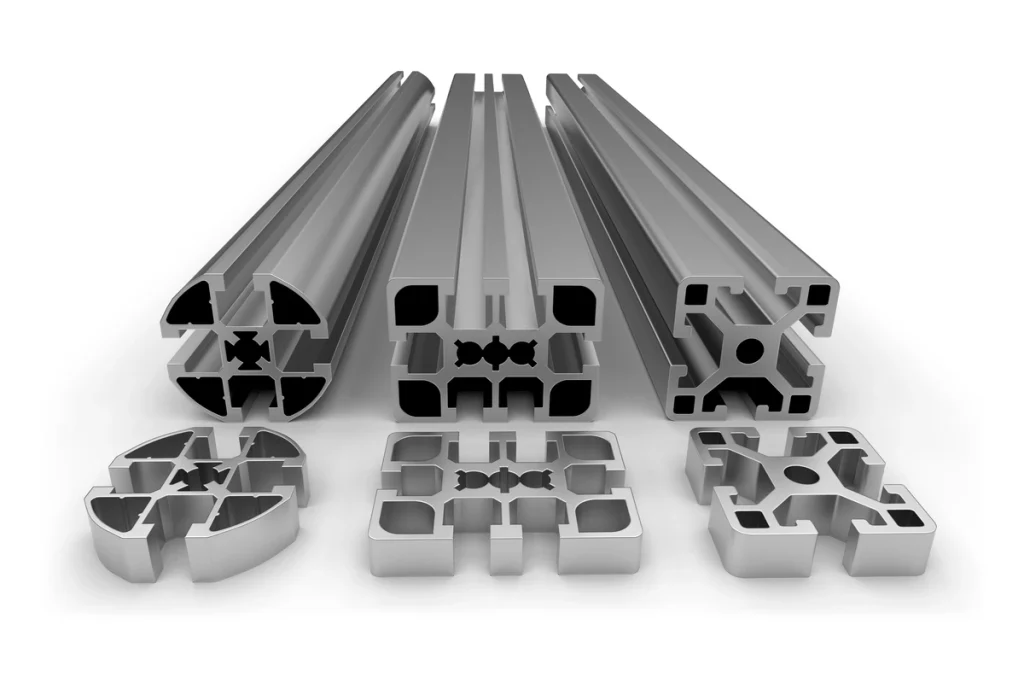
Custom Aluminum Profile Design and Engineering
A successful product starts with robust aluminum profile design. We analyze structural loads, thermal dissipation needs, and aesthetic requirements. Our engineering team refines your custom aluminum profile design to ensure manufacturability, reducing unnecessary weight while maintaining mechanical integrity.
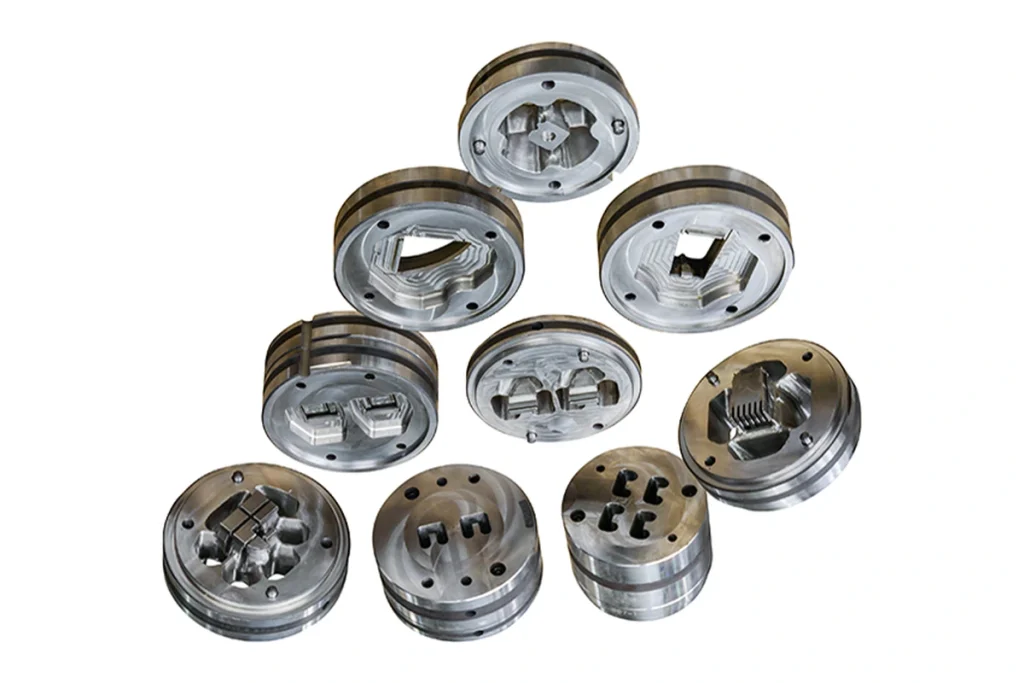
Extrusion Die and Tooling Development
Pushing heated aluminum through steel requires a high-quality aluminum extrusion die. We engineer durable H13 steel dies built to withstand high pressure and repeated use. Proper aluminum extrusion tooling controls the metal flow, guaranteeing uniform wall thickness and preventing warping during the initial formation.
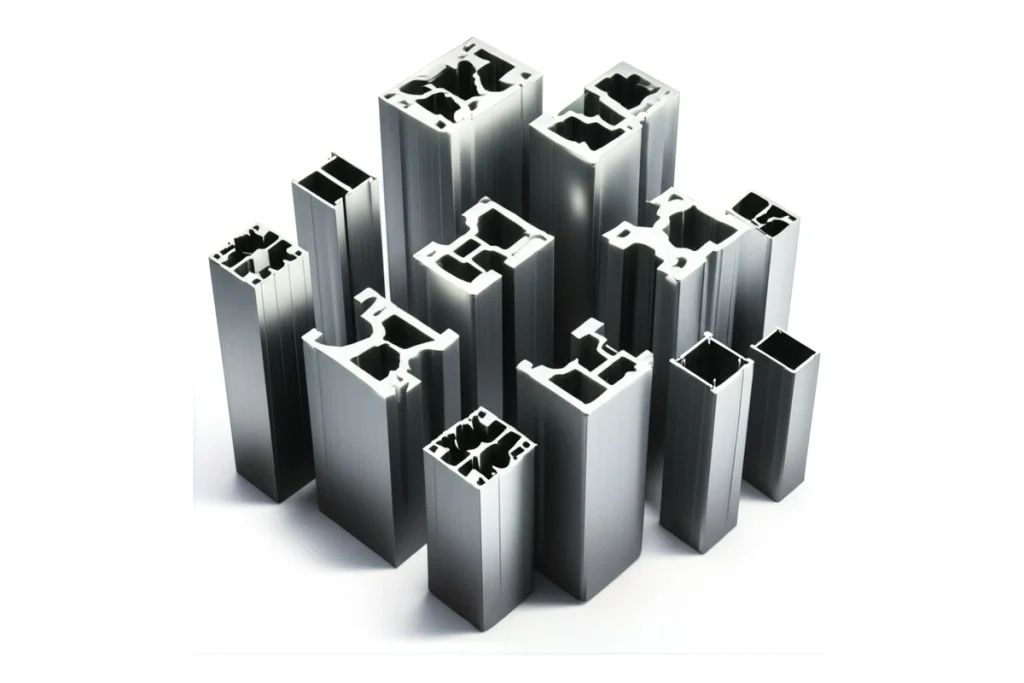
Prototype and Low-Volume Aluminum Extrusion
Testing physical geometry before mass production limits financial risk. We supply aluminum extrusion prototype runs to validate form, fit, and function. Managing low-volume aluminum extrusion production runs helps hardware teams complete necessary design iterations and physical testing without committing to massive inventory orders immediately.
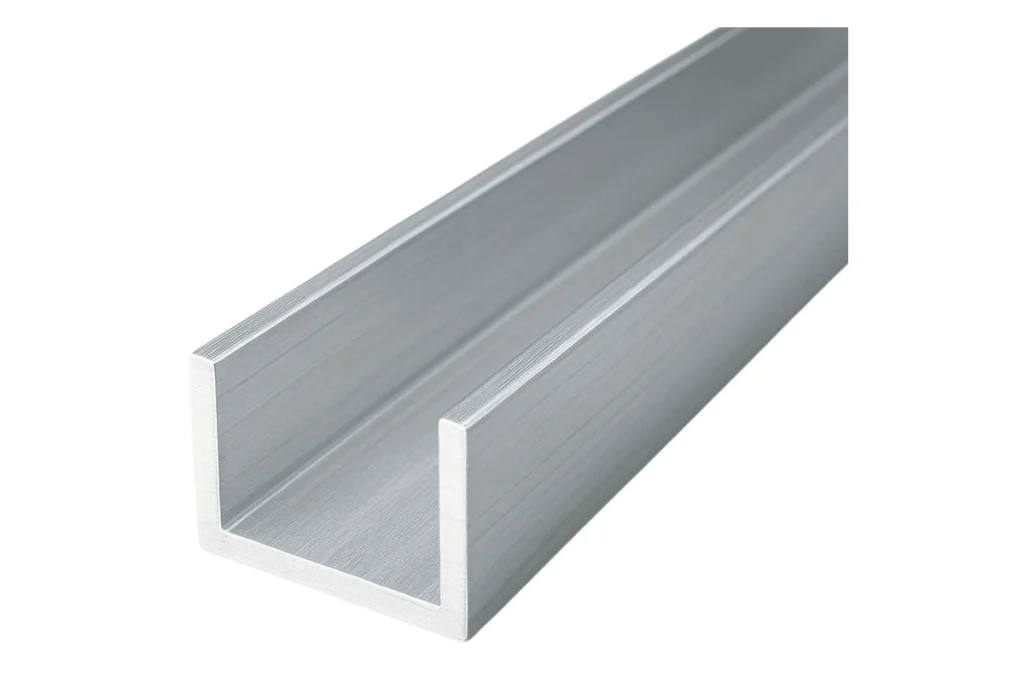
High-Volume Aluminum Extrusion Manufacturing
When the design achieves validation, we scale operations for aluminum extrusion mass production. As a dedicated custom aluminum extrusion manufacturer, Precintl maintains the production consistency required for tens of thousands of units, ensuring batch-to-batch repeatability and predictable lead times.
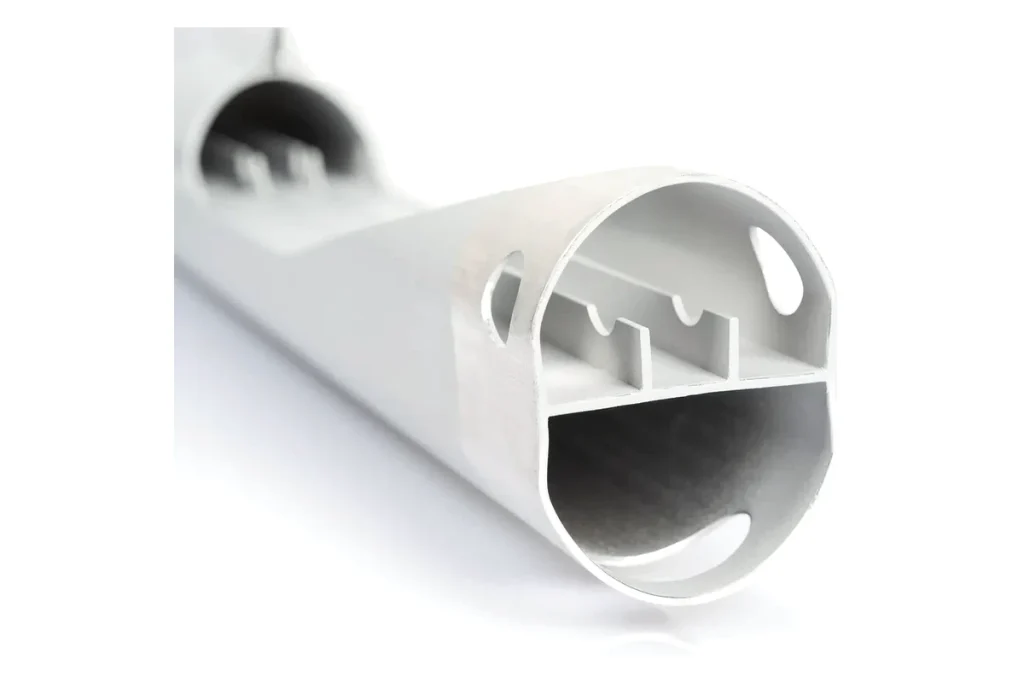
CNC Machining and Secondary Fabrication
Raw profiles rarely represent the final product. We perform CNC machining aluminum extrusions to add mounting holes, intricate pockets, and precision threads. Focused aluminum extrusion machining turns a basic extruded shape into a ready-to-assemble mechanical component.
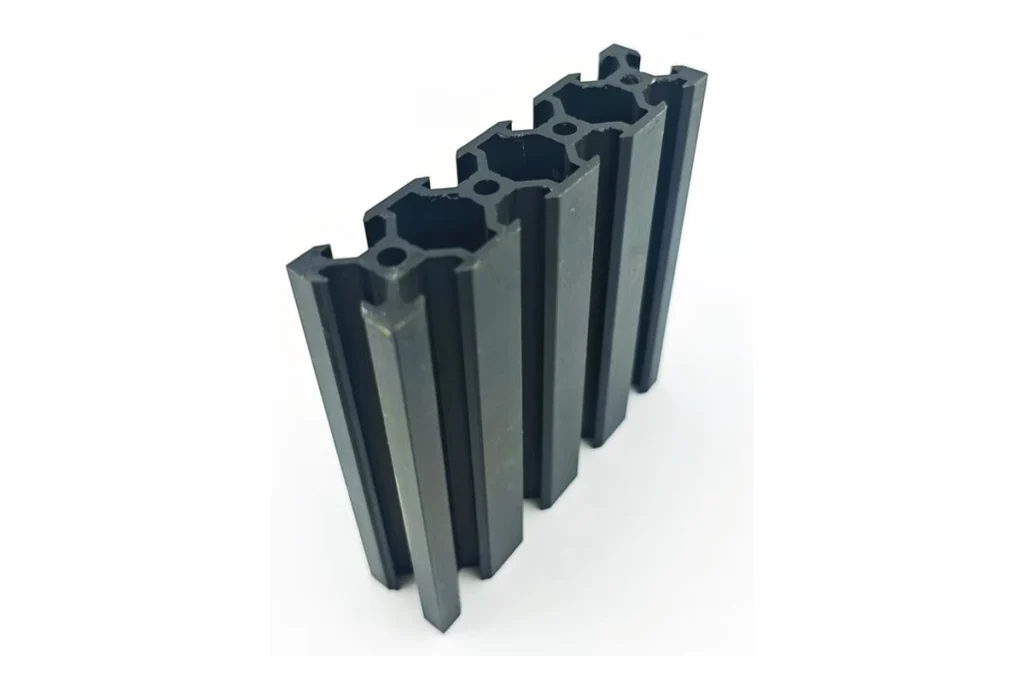
Surface Finishing and Assembly
Exposed metal requires protection from corrosion and wear. We apply durable aluminum extrusion surface finishing treatments, including sandblasting and polishing. Adding an anodized aluminum extrusion layer hardens the exterior surface and introduces specific colors, matching your branding and industrial design requirements.
Related: Customized Engineering Solutions: Complete Guide to Services, Design & Manufacturing
How Custom Aluminum Extrusion Works
Manufacturing custom metal components follows a strict, sequential methodology. Bypassing any step introduces dimensional errors and mechanical failures.
Design Review and DFM Analysis
Every project begins with aluminum extrusion DFM (Design for Manufacturing). We review draft angles, wall thicknesses, and hollow cavities. Dedicated aluminum extrusion engineering flags potential extrusion choke points, preventing die breakage and poor surface quality before production begins.
Aluminum Alloy and Temper Selection
Metals behave differently based on their chemical composition and thermal treatment. Proper aluminum extrusion alloy selection dictates the final yield strength and machinability. We define the specific aluminum extrusion temper—such as T5 or T6—to lock in the required mechanical properties through controlled heating and rapid cooling.
Die Manufacturing and Profile Extrusion
Toolmakers cut the specific profile shape into a blank steel disc to create the custom extrusion die. Operators heat the aluminum billet and push it through the die using a hydraulic press. This aluminum profile extrusion process forces the metal to inherit the die’s shape.
Cutting, Machining and Post-Processing
Extruded lengths often span dozens of feet. Saws cut these lengths into manageable pieces based on the aluminum extrusion manufacturing process requirements. Post-processing steps like stretching align the grain structure and straighten the metal before it heads to CNC centers for detailed fabrication.
Inspection, Testing and Production Approval
Quality control dictates the success of a manufacturing run. An experienced aluminum extrusion company measures tolerances using coordinate measuring machines (CMM) and visual inspections. We approve the production batch only when every dimension matches the engineering drawings.
Custom Aluminum Extrusion Profile Design Guidelines
Designing for extrusion differs heavily from designing for injection molding or standard CNC machining.
Wall Thickness, Corners and Radii
Uniform aluminum extrusion wall thickness prevents distortion during the cooling phase. Abrupt transitions between thick and thin sections cause uneven cooling rates, leading to sink marks and internal stress. Designers should always add radii to sharp internal and external corners to improve metal flow through the die.
Tolerances and Critical Dimensions
Every manufacturing method has inherent variation. Defining strict aluminum extrusion tolerances ensures mating parts fit together perfectly. Providing a detailed aluminum extrusion CAD file allows our engineers to set realistic tolerance bands for critical features like mating grooves and snap-fits.
Cross-Section Geometry and Structural Requirements
The shape of the aluminum extrusion cross section dictates its load-bearing capacity. Hollow sections offer excellent torsion resistance but complicate die design. Solid profiles prove easier to extrude but may add unnecessary weight to the final product. Smart extruded aluminum design balances these structural trade-offs.
Designing Profiles for Efficient Manufacturing
Following established aluminum extrusion design guidelines reduces die wear and production bottlenecks. Avoid deep, narrow channels and unbalanced asymmetrical shapes. Sound aluminum extrusion design results in faster press speeds, lower scrap rates, and reduced per-unit costs.
Aluminum Alloys for Custom Extrusion
Selecting the correct raw material defines the component’s success in the field.
6063 Aluminum for General and Architectural Profiles
Architectural applications and cosmetic enclosures typically rely on a 6063 aluminum extrusion. This alloy provides an excellent surface finish and accepts anodizing exceptionally well. Specifying a 6063-T5 aluminum extrusion delivers sufficient strength for window frames, heat sinks, and standard consumer goods.
6061 Aluminum for Structural and High-Strength Applications
Projects requiring high yield strength and structural rigidity demand a 6061 aluminum extrusion. Structural frames, automotive components, and aerospace parts frequently utilize a 6061-T6 aluminum extrusion because the T6 tempering process maximizes the material’s tensile strength and durability under heavy loads.
Choosing the Right Aluminum Alloy for Your Product
Comparing 6061 vs 6063 aluminum reveals distinct operational differences: 6063 extrudes faster and looks better, while 6061 handles heavier physical stress. Reviewing various aluminum extrusion alloys ensures the chosen extruded aluminum alloy aligns directly with your product’s mechanical and cosmetic targets.
| Alloy | Primary Use Cases | Strength Level | Surface Finish Quality | Machinability |
|---|---|---|---|---|
| 6063 | Heat sinks, enclosures, trim | Medium | Excellent | Good |
| 6061 | Structural frames, automotive | High | Good | Excellent |
Aluminum Extrusion Finishing and Secondary Services
Raw metal requires additional processing to meet consumer expectations and functional demands.
Anodizing and Protective Finishes
Anodizing creates an oxide layer on the metal’s surface, preventing rust and wear. This electrochemical process is highly requested for custom aluminum extrusions due to its durability. The porous nature of the anodic layer allows dyes to penetrate, offering deep, permanent colors that will not chip or peel.
Powder Coating and Custom Colors
A powder coated aluminum extrusion offers extreme impact resistance. We apply dry powder electrostatically and cure it under heat, forming a tough skin over the metal. This finish hides minor surface defects and provides thousands of exact RAL color matches.
CNC Machining, Drilling and Tapping
Standard extrusions require specific mounting points. Achieving a precision aluminum extrusion involves secondary CNC routing, drilling, and tapping to create threaded holes. This prepares the component for immediate assembly on the production line.
Cutting, Bending and Assembly
Some profiles require complex manipulation after the press. Aluminum extrusion fabrication includes stretch-bending profiles to specific curvatures or cutting them at precise angles. We handle mechanical assembly, combining the extruded parts with sheet metal or plastic components.
Custom Aluminum Extrusion Applications
Engineers across multiple industries leverage extruded metal to solve specific hardware challenges.
Electronic Enclosures and Housings
Protecting sensitive PCBs from environmental damage requires rigid, sealed aluminum extrusion enclosures. Extruded housings provide natural EMI/RFI shielding, making them standard in industrial automation devices, routers, and embedded computing systems. Explore electronic product ideas for related hardware inspiration.
Heat Sinks and Thermal Management Components
Processors and LEDs generate extreme heat. An aluminum heatsink extrusion maximizes surface area through closely spaced fins. The metal rapidly pulls heat away from the electronic components and dissipates it into the surrounding air, preventing thermal throttling.
Industrial Frames and Structural Components
Machine builders and automation specialists rely heavily on aluminum structural profiles. These thick, rigid components feature T-slots and modular mounting channels, allowing rapid assembly of conveyor systems, robotic workcells, and heavy-duty workstations.
Consumer Electronics and Smart Products
Sleek, high-end devices require custom aluminum profiles to achieve their premium aesthetic. Audio equipment, smart home hubs , and laptop chassis use tightly toleranced extrusions to achieve seamless panel gaps and smooth exterior finishes.
Lighting, Automotive and Other Product Applications
The automotive industry uses aluminum alloy profiles to reduce vehicle weight without sacrificing crash safety. LED lighting manufacturers depend heavily on specific aluminum extrusion applications to build linear light fixtures that double as structural supports and thermal managers. Discover IoT product ideas and connected device ideas for more hardware concepts.
Custom Aluminum Extrusion vs Standard Aluminum Profiles
Off-the-shelf structural shapes work well for generic tasks, but high-performance products require customized geometry.
When a Custom Profile Makes More Sense
Using standard 80/20 extrusions or basic tubing limits your design possibilities. A custom extrusion design integrates specific mounting bosses, hinge points, and snap-fits directly into the metal. Engineers switch to custom aluminum extrusion profiles when off-the-shelf options force them into heavy, compromised assemblies.
Customization, Tooling and Production Considerations
Investing in custom extrusion tooling pays off during mass production. Instead of bolting three separate standard parts together, you extrude one complex shape. You simply submit your detailed aluminum extrusion drawing, and we manufacture the die. The initial tooling fee is offset rapidly by reduced assembly time and fewer secondary machining operations.
How Much Do Custom Aluminum Extrusions Cost?
Pricing depends on material weight, geometric complexity, and post-processing requirements.
Aluminum Material and Profile Complexity
Heavier profiles consume more raw aluminum billet, driving up the baseline cost. Consulting an aluminum extrusion design guide helps engineers reduce unnecessary wall thickness. Complex shapes with multiple hollow voids slow down the press speed, increasing the machine-hour costs.
Extrusion Die and Tooling Costs
Tooling represents the primary upfront investment for custom aluminum extrusions. Solid profile dies cost significantly less than complex hollow profile dies. However, compared to plastic injection molds, extrusion dies are incredibly inexpensive, often ranging from hundreds to a few thousand dollars depending on the circle size.
Machining, Finishing and Order Volume
Adding threaded holes and tight-tolerance CNC pockets increases the per-part price. Applying anodizing or powder coating through custom aluminum extrusion services adds a finishing surcharge. Ordering in larger volumes disperses the machine setup costs, drastically lowering the unit price.
How to Reduce Custom Extrusion Costs
Eliminate unnecessary tight tolerances and simplify the cross-section. Engage with aluminum extrusion services early in the design phase to remove features that cause die wear. Consolidate multiple mating parts into a single extrusion to cut down on downstream assembly labor.
Quality Control for Custom Aluminum Extrusions
Strict verification protocols separate functional hardware from useless scrap.
Dimensional and Visual Inspection
Operators use calipers, micrometers, and optical comparators to verify the physical dimensions of aluminum extrusion profiles. Visual inspections catch surface defects like die lines, scratches, and blistering before the parts move to the finishing department.
Material and Surface-Finish Verification
Spectrometers confirm the chemical composition of the raw billet during aluminum extrusion manufacturing. Gloss meters and cross-hatch adhesion tests ensure powder coats and anodized layers meet the required specification and will not flake in the field.
Tolerance and Production Consistency
A reliable aluminum extrusion supplier tracks tool wear over thousands of cycles. We monitor press temperature and extrusion speed continuously to guarantee the 10,000th part matches the exact dimensions and mechanical properties of the first part.
Quality Control for OEM/ODM Production
Hardware brands demand tight integration. Managing OEM aluminum extrusion production requires comprehensive First Article Inspection (FAI) reports. We document every dimension and material certificate, integrating these records directly into your broader product quality management system .
Choosing a Custom Aluminum Extrusion Manufacturer
Your supply chain partner dictates your product launch timeline and hardware quality.
Engineering and DFM Capabilities
A factory that simply presses metal without reviewing the CAD files will produce bad parts. A competent custom aluminum profiles manufacturer actively flags design flaws. They modify wall thicknesses and radii to ensure the metal flows correctly through the die on the first try.
Tooling, Production and Finishing Capabilities
Managing multiple vendors for extrusion, machining, and painting introduces severe logistical risks. Working with a facility that controls the entire aluminum extrusion process under one roof guarantees accountability. They handle the raw billet pressing, the CNC routing, and the final anodizing directly.
Quality Management and Inspection Systems
High yield rates require strict oversight. Buyers sourcing custom aluminum extrusions expect an ISO 9001 certified environment. The manufacturer must possess the in-house metrology equipment required to verify tight tolerances and provide documented inspection reports for every shipment.
Prototyping to Mass Production Support
Many factories only care about massive orders. Finding a partner who supports low-volume custom aluminum extrusion allows you to test the market with smaller batches. Once the product gains traction, the manufacturer should have the machine capacity to scale instantly to high-volume production.
Custom Aluminum Extrusion Services from Precintl
Precintl bridges the gap between complex engineering concepts and reliable mass production.
From Product Concept to Production-Ready Aluminum Profile
We take rough CAD models and optimize them for the press. If your product requires custom aluminum extrusions, our engineering team refines the geometry, engineers the tooling, and presses the metal to your exact specifications.
Integrated OEM/ODM Engineering and Manufacturing
We act as an extension of your hardware team. Precintl handles the mechanical design, vendor management, and physical assembly. You focus on your software and market strategy while we manage the physical hardware production.
Prototype, NPI and Mass Production Support
Hardware development requires distinct phases. We handle the rapid prototyping, navigate the difficult New Product Introduction (NPI) phase, and set up the quality control frameworks required for flawless mass production.
Custom Products Beyond Standard Aluminum Profiles
We do not just supply metal bars. We manufacture fully finished enclosures, complex thermal management modules, and structural chassis components ready for final product assembly.
Precintl Custom Manufacturing Expertise
Precintl operates as a complete hardware development and manufacturing hub. We build physical products for global brands, ensuring reliability from the first sketch to the final shipping container.
Engineering-Led Product Development
- 30 years of product development experience
- Experienced NPI and mass-production engineering team
- DFM and manufacturability reviews
End-to-End OEM/ODM Manufacturing
- Product design and engineering
- Prototyping and validation
- Tooling and production
- CNC machining and finishing
- Quality inspection and mass production
Manufacturing Infrastructure
- Shenzhen and Hong Kong operations
- In-house testing capabilities
- 2,000+ vetted suppliers
- ISO 9001 quality management
- Global logistics and production support
Custom Product Development Beyond Extrusions
Beyond extrusion, we manage plastic injection molding, sheet metal stamping, PCB assembly, and final product packaging. We deliver turnkey hardware solutions directly to your distribution centers.
Frequently Asked Questions
What are custom aluminum extrusion services?
These services encompass the specific design, tooling creation, pressing, machining, and surface finishing of raw aluminum into specific, proprietary geometric profiles tailored to a client’s specific product requirements.
How do I design a custom aluminum extrusion profile?
You begin by defining the structural and thermal requirements of the part. Maintain uniform wall thicknesses, add generous internal radii, avoid deep narrow channels, and consult with an extrusion engineer to finalize the 2D CAD cross-section.
Which aluminum alloy is best for custom extrusion?
Use 6063 for components requiring intricate details, cosmetic surface finishes, and moderate strength, like heat sinks or aesthetic enclosures. Use 6061 when the application demands high structural rigidity and load-bearing capacity.
How much does a custom aluminum extrusion die cost?
Tooling typically costs between $500 and $3,000 depending on the profile’s complexity, the presence of hollow voids, and the diameter of the required steel die.
What is the MOQ for custom aluminum extrusion?
Minimum Order Quantities (MOQ) depend on the manufacturer and the weight of the profile, but typically range from 500 kg to 1,000 kg per production run to justify the machine setup time.
Can aluminum extrusions be CNC machined and anodized?
Yes. Post-extrusion processing routinely includes CNC milling for precise hole placement and threading, followed by anodizing to create a hard, durable, and cosmetically appealing exterior surface.
Can Precintl manufacture custom aluminum extrusion components for OEM products?
Yes. Precintl handles the complete OEM manufacturing process, integrating your extruded components with plastics, electronics, and standard hardware to deliver a fully assembled, ready-to-ship final product.