Master the complete NPI process from EVT, DVT, and PVT to mass production. Learn howPrecintlturns hardware designs into scalable products with expert engineering support.Contact usto start your builds!
Taking an electronic device or hardware product from an initial concept to full-scale mass production involves significant risk. Every stage demands careful balance between design choices, performance targets, and production constraints. Hardware teams often face unexpected component lead times, assembly line bottlenecks, or sudden compliance failures right before launch.
Understanding how structured new product introduction manufacturing works mitigates these risks. Following a standardized development pipeline transforms abstract engineering concepts into reliable, high-yield products manufactured efficiently at scale.
What Is NPI Manufacturing?
What Does NPI Mean in Manufacturing?
NPI stands for new product introduction. In hardware manufacturing, the NPI process covers every step required to transform an initial product design into a fully realized, market-ready physical product. Rather than launching directly into high-volume manufacturing, the process uses structured build phases to test hardware functionality, validate assembly methods, and confirm supply-chain readiness.
Why New Product Introduction Matters
Skipping rigorous engineering validation stages often causes catastrophic production failures. Early design flaws cost very little to fix on CAD models or early prototypes. The same flaws discovered during mass production can halt assembly lines, scrap thousands of finished units, and burn through capital. Systematic NPI engineering establishes process capability, optimizes factory yields, and protects product quality before commitment to large component orders.
NPI vs Product Development vs Manufacturing
Product development focuses primarily on proof-of-concept creation, industrial design, and architectural schematics. Manufacturing handles high-speed production of finalized hardware. NPI engineering bridges the gap between both worlds. It adapts raw design files to real factory environments, establishing the tooling, assembly instructions, and quality controls needed to manufacture products consistently.
NPI Manufacturing Process: From Product Idea to Mass Production
| Step | Stage |
|---|---|
| 1 | PRD & Concept |
| 2 | Prototyping |
| 3 | DFM Review |
| 4 | EVT Build |
| 5 | DVT Testing |
| 6 | PVT Pilot |
| 7 | Mass Production |
Product Requirements and Feasibility
Every successful development effort starts with a clear product requirements document (PRD). This document details functional requirements, physical dimensions, environmental tolerances, target unit costs, and launch schedules. Manufacturing engineers review the PRD against available technology to evaluate feasibility before committing design resources.
Product Design and Prototyping
Designers create initial CAD models and schematics. Engineering teams build functional proof-of-concept prototypes to verify core features. These early units use rapid prototyping methods like 3D printing and quick-turn PCB assembly.
DFM and Production Engineering
Before building functional validation hardware, engineers run detailed design for manufacturing (DFM) and design for assembly (DFA) reviews. DFMA analysis adjusts mechanical tolerances, reduces fastener counts, and ensures components fit standard surface-mount technology (SMT) lines and assembly fixtures.
EVT, DVT and PVT
The hardware build sequence moves through three distinct phases:
- EVT (Engineering Validation Test): Proves the design works functionally.
- DVT (Design Validation Test): Proves the product meets durability, environmental, and regulatory standards.
- PVT (Production Validation Test): Proves the factory can assemble the product reliably at speed.
Production Ramp-Up and Mass Production
Once the pilot run confirms stable factory yield, mass production begins. The plant ramps up output incrementally while tracking quality control metrics to ensure consistent execution.
EVT — Engineering Validation Test
What Is EVT?
The EVT phase serves as the first attempt to build a fully functional product using the intended form factor and electronics. It transitions loose benchtop prototypes into cohesive functional hardware setups.
EVT Objectives and Testing
EVT testing focuses on core functional hardware testing. Engineers check thermal behavior, power draw, signal integrity, and firmware integration.
–
EVT Build and Engineering Changes
EVT builds typically range from 20 to 50 units. Because design adjustments happen frequently during this phase, teams track circuit changes and mechanical tweaks via an engineering change order (ECO) process to keep technical documentation synced.
EVT Exit Criteria
To complete the EVT phase, the design must meet all primary functional targets outlined in the PRD without major hardware bugs.
DVT — Design Validation Test
What Is DVT?
The DVT phase validates that the final product design handles real-world environments while meeting strict regulatory standards.
DVT Design and Reliability Testing
DVT prototypes use final production materials and custom tooling (such as early injection molding runs). Testing turns rigorous:
- Environmental testing: Thermal cycling, humidity chambers, and dust exposure.
- Reliability testing: Drop tests, vibration rigs, and button-lifecycle actuators.
- Functional testing: Full-feature validation across temperature extremes.
Certification and Compliance
DVT build units undergo official compliance testing. Engineers submit final hardware to certified labs for FCC, CE, RoHS, and UL certification testing.
DVT Exit Criteria
A successful DVT exit requires passing all safety and environmental tests, securing required regulatory certifications, and finalizing the engineering bill of materials (BOM).
PVT — Production Validation Test
What Is PVT?
The PVT phase tests the manufacturing process itself rather than the core product design. It confirms that operators can assemble hardware quickly and correctly using final assembly fixtures and work instructions.
PVT Pilot Production
PVT relies on a formal pilot production run on the actual mass production line. The build usually ranges from 100 to 500 units, executed at full production speed.
–
Production Line and Quality Validation
Engineers calculate key performance metrics during this run:
- First article inspection: Detailed verification of initial off-line units.
- Production yield: Percentage of units passing all line checks without rework.
- Process capability: Statistical verification that machinery performs consistently within design tolerances.
PVT Exit Criteria
PVT ends when the factory achieves target production yields, validates custom test fixtures, and freezes all manufacturing bill of materials (MBOM) data.
EVT vs DVT vs PVT: Key Differences
Understanding the transition across phases helps keep hardware budgets and schedules on track.
| Phase | Primary Focus | Build Quantity | Tooling Used |
| EVT | Functional validation & core feature operation | 20 – 50 units | Soft tooling, 3D prints, CNC machining |
| DVT | Environmental durability, reliability & regulatory certification | 50 – 200 units | Off-tool parts, bridge tooling, final PCB assembly |
| PVT | Production line speed, yield optimization & worker instructions | 100 – 1,000+ units | Production tooling, automated test fixtures |
EVT vs DVT vs PVT by Purpose
- EVT: “Does the hardware design work?”
- DVT: “Is the product rugged, safe, and compliant?”
- PVT: “Can the factory build this product efficiently at scale?”
EVT vs DVT vs PVT by Testing and Production
EVT relies on manual hardware validation on engineering benches. DVT shifts to automated environmental and stress chambers to test mechanical endurance. PVT focuses on line-rate functional testing and statistical quality control.
When to Move From EVT to DVT to PVT
Never rush between phases to meet arbitrary marketing dates. Move to DVT only when core electrical and mechanical functions prove stable. Transition to PVT only after resolving design flaws that could cause field returns or regulatory rejections.
DFM and Engineering Requirements During NPI
Design for Manufacturing and Assembly
Applying DFMA principles early simplifies fabrication. DFM minimizes complex geometry that slows down CNC machining or requires overly intricate injection molding tooling. DFA simplifies component orientation to speed up manual PCB assembly and housing insertion.
BOM, CAD and Engineering Documentation
Accurate documentation forms the backbone of factory handoffs:
- CAD files: Clean, fully dimensioned 3D models and 2D drawings.
- Engineering BOM: Detailed itemization of all electrical and mechanical components.
- MBOM: The factory-facing breakdown organized by assembly sequence and operational routing.
Tooling, Fixtures and Production Preparation
Custom assembly fixtures align delicate components accurately during production. Custom test fixtures automate PCB programming, RF calibration, and functional pass/fail verification directly on the factory floor.
Managing Engineering Changes
Design revisions require clear tracking. Teams issue an engineering change notice (ECN) to communicate part changes, vendor substitutions, or tolerance updates across the factory floor without halting production.
NPI Testing and Product Validation
| Step | Stage |
|---|---|
| 1 | Functional Testing |
| 2 | Environmental & Drop Tests |
| 3 | EMC/Safety Certs |
| 4 | Line Pass/Fail Gates |
Functional and Performance Testing
Functional verification ensures the product executes all firmware commands, charges correctly, and maintains target battery life under varied workloads.
Mechanical, Environmental and Reliability Testing
Reliability tests expose hardware to harsh operating conditions. Products endure drop impacts, thermal shock cycling (-40°C to +80°C), ingress protection checks, and keypress endurance setups.
Electrical, EMC and Safety Testing
Electromagnetic compatibility (EMC) testing ensures hardware does not generate unwanted radio interference or succumb to static discharge. Safety tests check creepage, clearance, and thermal limits to protect users.
Production Test Fixtures and Quality Control
Automated test beds run custom diagnostic scripts on every board. These fixtures log test data automatically to support quality control analysis and track yield trends across shifts.
From PVT to Mass Production
Production Readiness
Achieving production readiness means all component sourcing channels are locked, assembly staff are trained, and factory quality gates are active.
Manufacturing Yield and Process Control
Engineers monitor first-pass yield constantly. High yields indicate smooth assembly, while recurring defects trigger root-cause analysis to refine process capability.
Production Ramp-Up
During manufacturing ramp up, the factory scales output volume step-by-step—moving from small batch runs to full multi-shift capacity over several weeks.
Mass Production Quality Management
Mass production relies on incoming component inspections, active inline monitoring, and statistical process control to keep final product quality stable over extended manufacturing runs.
Common NPI Challenges and How to Avoid Them
Design Changes and DFM Problems
Late design changes break schedules and burn capital. Eliminate this issue by running thorough DFM reviews alongside your manufacturing partner before cutting steel for production tooling.
Component and Supply Chain Risks
Single-sourced components create major bottlenecks if lead times spike unexpectedly. Address supply-chain readiness early by identifying second-source alternates for critical passives, connectors, and ICs.
Testing and Certification Delays
Failing compliance testing forces costly board re-layouts and resets launch timelines. Pre-screen prototypes during the DVT phase at un-certified local labs to catch emissions issues early.
Low Production Yield
Unexpected assembly errors drop production yields during pilot runs. Address these by optimizing custom work instructions, simplifying assembly steps, and refining custom holding fixtures.
NPI Manufacturing Cost and Timeline
What Determines NPI Development Cost?
Total NPI investment depends directly on product complexity, mechanical enclosure requirements, custom PCB layer counts, and regulatory compliance scopes.
EVT, DVT and PVT Costs
- EVT Cost: Driven mainly by quick-turn prototype builds, CNC parts, and hand assembly.
- DVT Cost: Driven by bridge tooling, environmental lab access, and official regulatory certification fees.
- PVT Cost: Driven by final steel injection molding production tooling, high-volume material orders, and automated test fixture builds.
What Affects the NPI Timeline?
Standard NPI timelines run between 6 to 18 months. Long-lead component sourcing, tooling modifications, and compliance test re-runs are the most common factors causing timeline extensions.
NPI Manufacturing for Different Products
 01
01
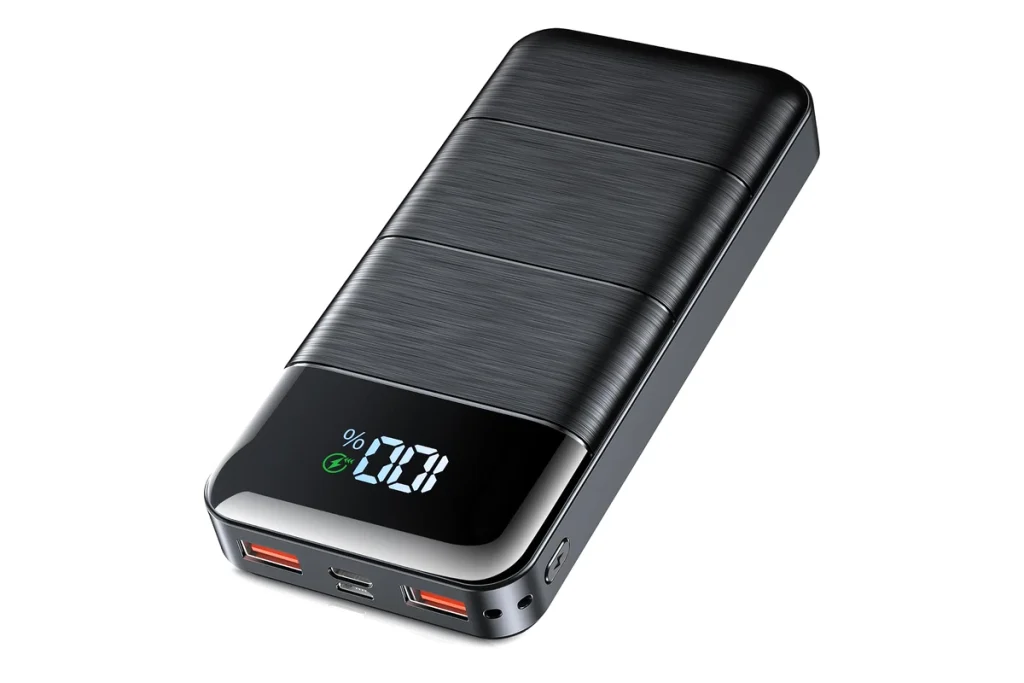
Consumer Electronics and Smart Devices
Consumer electronics require slick industrial designs, tightly packed internal layouts, and fast time-to-market cycles. High volume demands intense DFM focus to squeeze out assembly time.
Explore Consumer Electronics Products →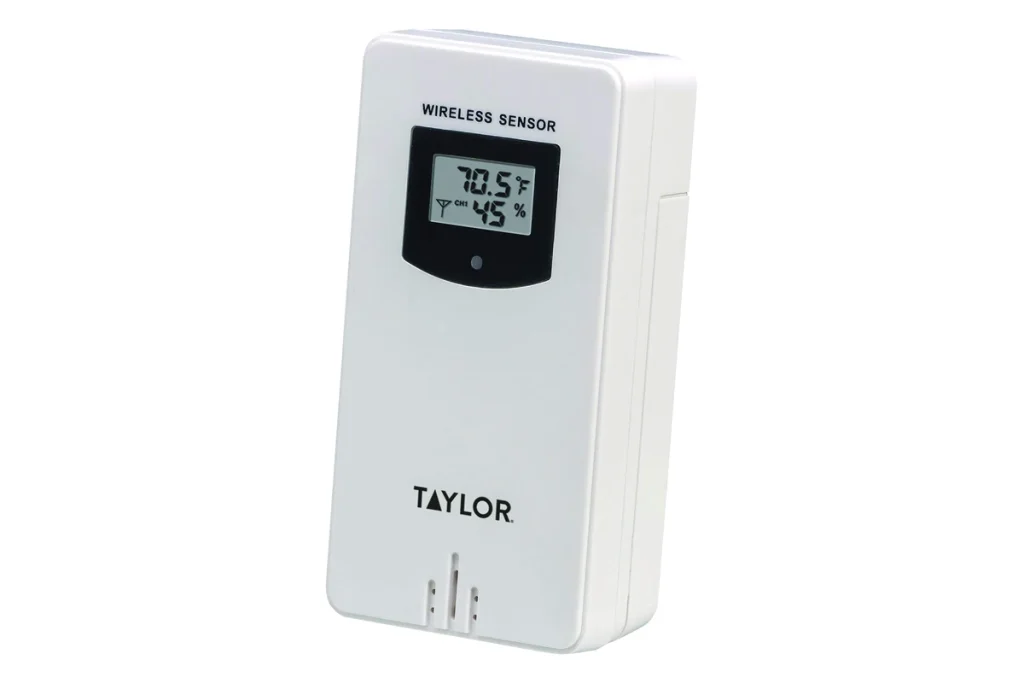 02
02
IoT and Connected Products
IoT products need careful RF tuning, antenna placement verification, and power-consumption optimization to preserve long battery life in field deployments.
Explore IoT Product Ideas →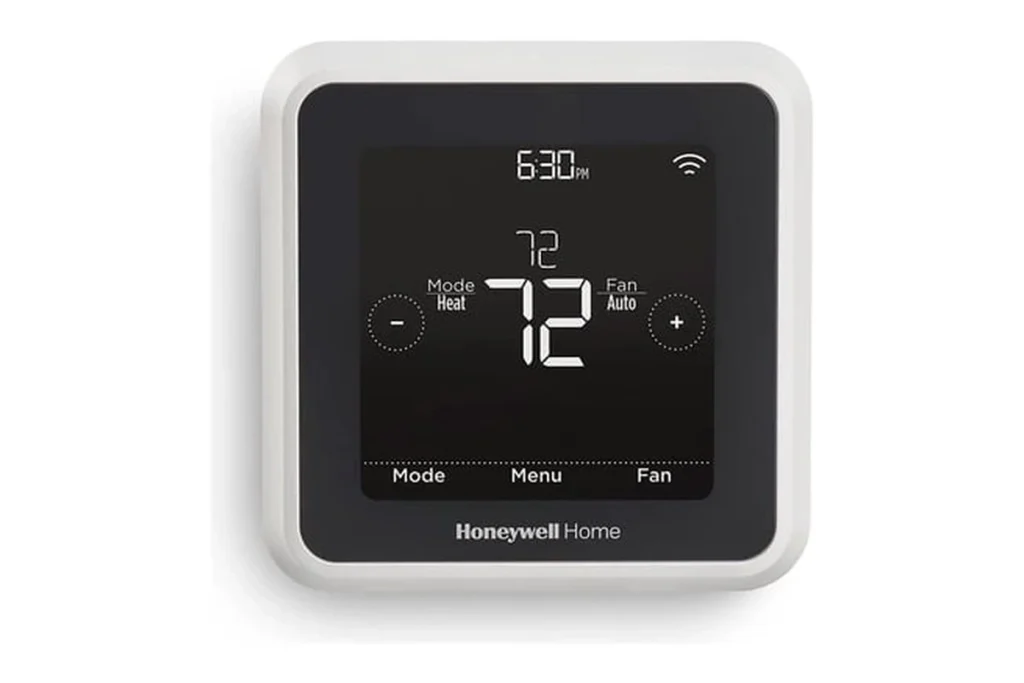 03
03
Wearables and Smart Home Products
Wearables demand miniature PCB design, specialized waterproofing checks, and skin-safe material choices. Smart home devices require rock-solid wireless connectivity and strict electrical safety validation.
 04
04
Industrial and Commercial Products
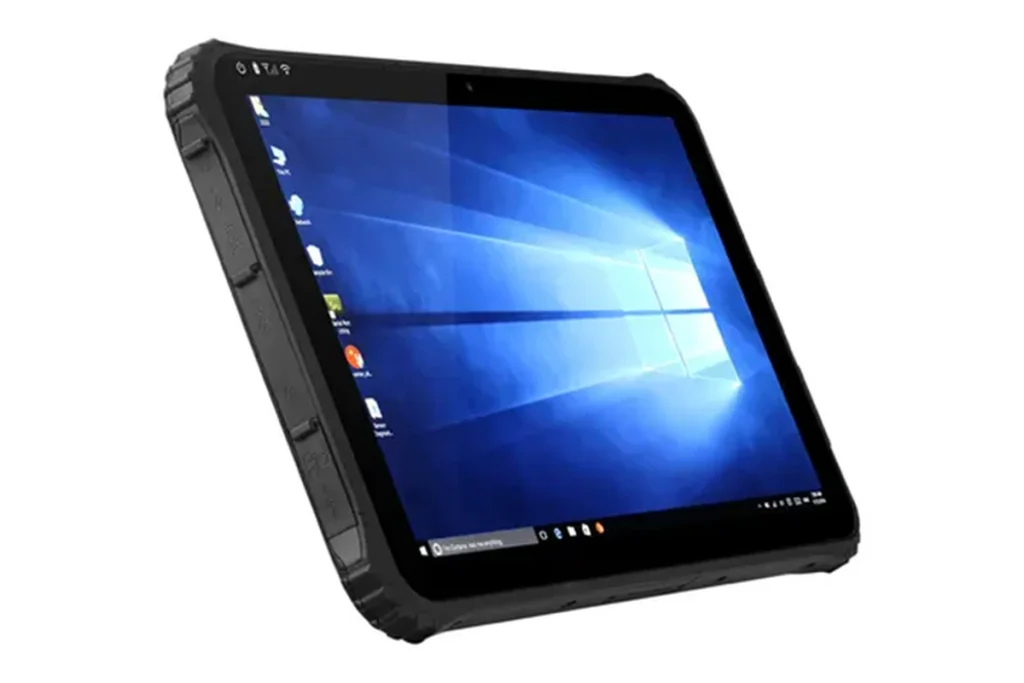
Industrial hardware prioritizes extreme ruggedness, wide operating temperature ranges, long component lifecycles, and strict reliability testing over compact aesthetic form factors.
Explore Electronic Product Ideas →OEM vs ODM for NPI Manufacturing
NPI Responsibilities in OEM Manufacturing
In original equipment manufacturing (OEM), you supply the complete design files and intellectual property. The manufacturer focuses strictly on production engineering, supply chain, and physical assembly execution.
NPI Responsibilities in ODM Manufacturing
In original design manufacturing (ODM), the partner handles both product design and manufacturing. They adapt their existing white-label platforms or build custom solutions based on your high-level product requirements.
When to Use an Integrated OEM/ODM Partner
Working with an integrated partner like Precintl brings design engineers and plant operations onto the same team. This tight collaboration speeds up DFM updates, simplifies component sourcing, and prevents miscommunication during handoffs.
Related: OEM vs ODM Manufacturing: Which Is Right for Your Product?
Why Choose Precintl for NPI Manufacturing?
Precintl offers complete end-to-end manufacturing services that bridge product development and high-volume mass production.
Product Design and Engineering
Our engineering staff reviews your hardware architecture to ensure your concept translates smoothly into a buildable physical product.
Prototyping, EVT, DVT and PVT
We guide your hardware through every validation gate, managing prototype builds, functional testing setups, and pilot runs with transparent communication.
DFM, Tooling and Manufacturing
Our team optimizes your designs using proven DFMA principles, builds high-precision injection molding tooling, and prepares custom assembly lines for smooth production.
Testing, Quality Control and Mass Production
With comprehensive quality control protocols, automated test fixtures, and experienced supply chain management, Precintl guarantees high yields and consistent hardware quality.
NPI Manufacturing Checklist
Product and Engineering Readiness
EVT Readiness Checklist
DVT Readiness Checklist
PVT Readiness Checklist
Mass Production Readiness Checklist
Frequently Asked Questions About NPI Manufacturing
01 What is NPI in manufacturing?
NPI (New Product Introduction) is the structured engineering process used to transform a product concept into a fully validated, mass-produced physical hardware item.
02 What are the 4 stages of NPI?
The core stages include detailed product design/DFM, Engineering Validation Testing (EVT), Design Validation Testing (DVT), and Production Validation Testing (PVT) leading into mass production.
03 What is the difference between EVT, DVT and PVT?
EVT validates that the design functions as intended. DVT validates that the product passes environmental, durability, and safety standards. PVT validates that the factory can build the product reliably at full speed.
04 What happens after PVT?
After passing PVT exit criteria, the product enters mass production and manufacturing ramp up, scaling volume to meet commercial demand.
05 How many units are typically built during EVT, DVT and PVT?
EVT builds usually range from 20 to 50 units. DVT builds typically range from 50 to 200 units. PVT runs generally range from 100 to 1,000+ units on the production line.
06 How long does NPI take?
A typical NPI schedule lasts between 6 and 18 months, depending on hardware complexity, custom tooling lead times, and regulatory approval requirements.
07 How much does NPI manufacturing cost?
Costs vary based on mechanical tooling requirements, component costs, and certification scope. Early prototype runs cost less per phase, while permanent production tooling and certifications represent larger upfront capital investments.
08 What is the role of DFM in NPI?
DFM ensures the product design accommodates real-world factory capabilities, reducing production costs, preventing assembly defects, and boosting manufacturing yields.
09 Can an OEM/ODM manufacturer handle the entire NPI process?
Yes. An experienced partner like Precintl handles every stage from initial design review and prototyping to full mass production and quality management.
10 What products can go through an NPI process?
Any manufactured hardware item—including consumer electronics, IoT devices, wearables, medical hardware, and industrial equipment—benefits from a structured NPI framework.