Discover 50 market-ready electronic product ideas to manufacture in 2026. Learn hardware engineering, development costs, and production strategies from PRECINTL. Contact us to start your custom manufacturing build today!
Hardware innovation moves at a rapid pace. Hardware brands and engineering teams require viable product strategies that align real market demand with realistic manufacturing capabilities. Selecting the right concept determines whether a venture scales profitably or suffers costly delays during production.
What Makes an Electronic Product Idea Worth Manufacturing in 2026?
A viable electronic product solves a concrete user problem through stable hardware and optimized unit economics. High-margin electronics in 2026 prioritize energy efficiency, component availability, reliable wireless connectivity, and clear software integration. Products that rely on proprietary components or overly complex enclosures face supply chain friction before reaching mass scale.
How to Identify Electronics With Real Market Potential
Evaluating market potential requires analyzing search volumes, competitor teardowns, and existing utility gaps. The strongest innovative electronic products upgrade everyday tools with localized processing or lower operational power requirements. Looking at return rates and negative user reviews on existing market products highlights specific hardware design flaws that your product can solve.
What Businesses Should Consider Before Developing a New Electronic Product
Before launching new electronic product ideas, engineering teams must evaluate Bill of Materials (BOM) target costs, compliance standards, and lead times for core ICs. Failing to factor in early non-recurring engineering (NRE) costs or regulatory certifications like FCC, CE, and RoHS routinely delays launch schedules by months.
How to Choose the Right Electronic Product Idea
Selecting a commercial concept demands balancing customer expectations with practical engineering limits.
Market Demand and Target Customer
Define your buyer profile early. Are you designing B2B industrial monitors or consumer electronics product ideas? B2B customers prioritize long-term durability, exact sensor accuracy, and system integration. Consumer markets demand polished industrial design, intuitive user interfaces, and competitive pricing.
Problem-Solving Potential and Product Differentiation
Products that fail usually offer cosmetic variations rather than functional improvements. Focus on fixing key performance issues—such as extending battery life from 2 days to 14 days, implementing edge computing to run without cloud reliance, or reducing enclosure size through advanced PCB design. These technical upgrades create true market differentiation and support higher retail margins when evaluating the best electronic products to manufacture.
Technology Readiness and Component Availability
Never build a commercial device on unstable, unproven chips or single-sourced components. Choose microcontrollers (MCUs) and wireless modules with active production cycles, strong documentation, and multiple functional equivalents across global distributors. This safeguards your production line against sudden supply chain disruptions when managing electronic products to manufacture.
Manufacturing Complexity and Production Cost
Complex mechanical assemblies, multi-layer rigid-flex PCBs, and overmolded seals increase scrap rates during assembly. Designing for lower manufacturing complexity keeps assembly line worker hours low and yields high. Calculating target BOM costs upfront ensures your retail price point leaves healthy profit margins for distributors and electronics products to make and sell.
Scalability From Prototype to Mass Production
A working prototype built on a breadboard or 3D-printed enclosure does not equal a commercial product. Evaluate how easily your design translates to injection molding, automated surface-mount technology (SMT) lines, and automated functional testing. Building with scalable architecture ensures profitable electronic products maintain structural consistency from batch 1 to batch 100,000.
Related: Original Design Manufacturing (ODM): Complete Guide for Businesses in 2026
50 Innovative Electronic Product Ideas for 2026
Here is a curated list of high-potential concepts across major hardware sectors, updated with modern connectivity and engineering trends for new electronics products 2026.

1. AI-Powered Personal Assistant Device
A dedicated desktop or pocket hardware hub featuring local voice-processing microcontrollers for offline voice commands. Implements smart product ideas that keep personal data local without continuous cloud latency.

2. Smart Pet Health and Activity Tracker
A lightweight collar module using 9-axis IMU sensors and low-power Bluetooth (BLE) to track pet movement, heart rate, and rest patterns. Excellent example of practical smart device ideas for pet care brands.

3. Advanced GPS Pet Tracker
Combines GPS, cellular IoT (NB-IoT/LTE-M), and geofencing to send real-time coordinates over extended ranges without rapid battery depletion.
4. Smart Home Energy Monitor
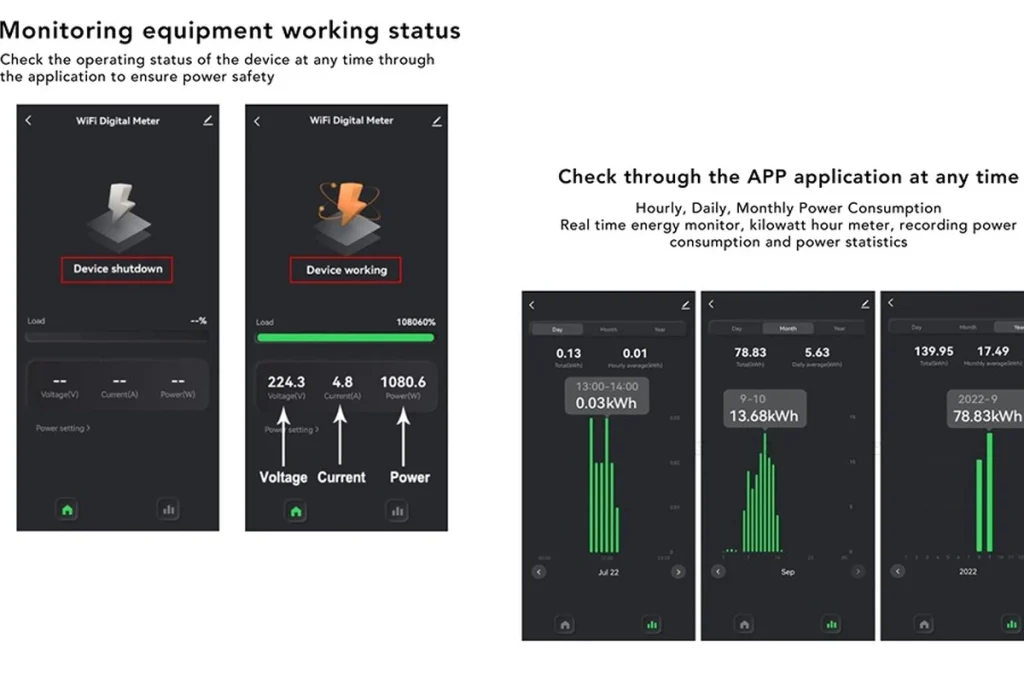
A DIN-rail mounted electrical panel monitor using current transformers (CT sensors) to measure circuit-level energy consumption. Delivers actionable smart electronics products to homeowners looking to cut utility bills.
5. AI Security Camera
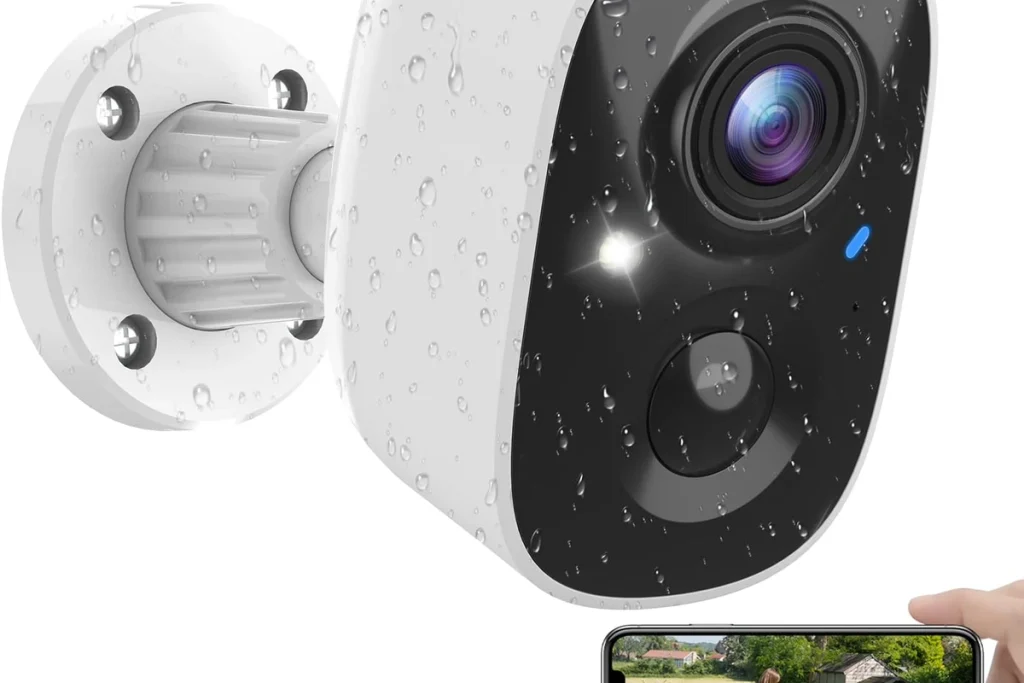
An outdoor camera running on-device computer vision models on low-cost NPU chips to distinguish people, vehicles, and animals locally. Fits the demand for innovative smart devices in home safety.

6. Smart Door and Access Controller
Keyless access panel incorporating NFC, biometric fingerprint detection, and encrypted Bluetooth authentication. Ideal for smart home devices to manufacture for rental and commercial properties.

7. Smart Water Leak Detector
Compact, battery-operated probes placed under sinks and water heaters using sub-GHz wireless protocols to alert homeowners before pipe breaks cause flooding. A prime selection among IoT product ideas.
8. Intelligent Indoor Air Quality Monitor
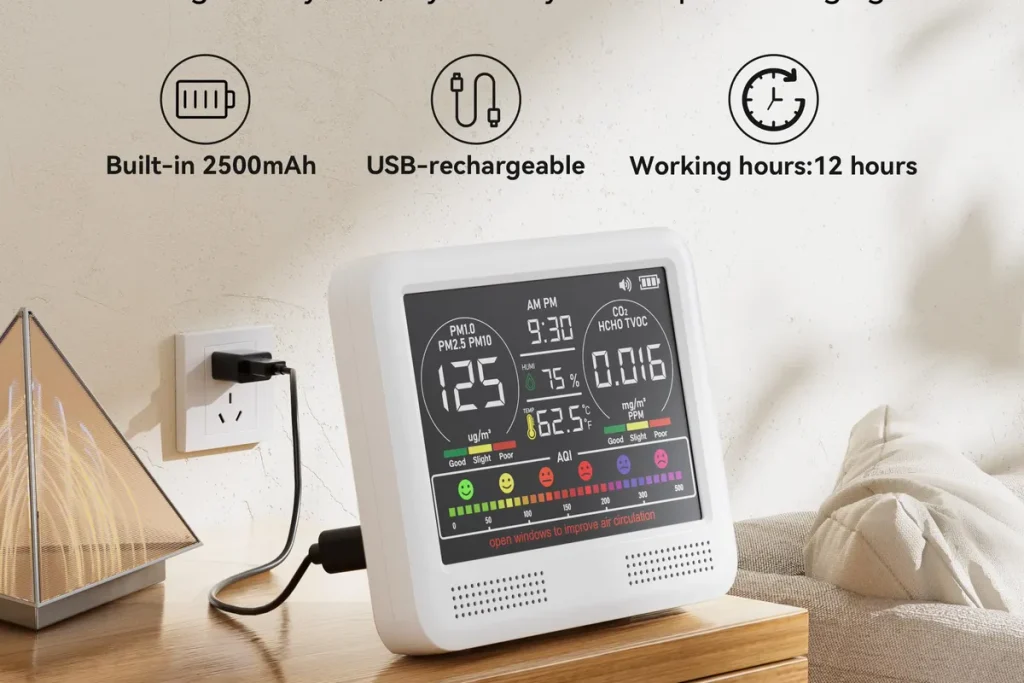
A desktop monitor integrating particulate (PM2.5), TVOC, CO2, and humidity sensors with an e-paper display. High-value concept among IoT device ideas for office and home wellness.

9. Smart Sleep Monitoring Device
An under-mattress piezoelectric sensor pad that tracks heart rate, respiration, and movement patterns without forcing users to wear a watch to bed.
10. Wearable Health and Fitness Tracker
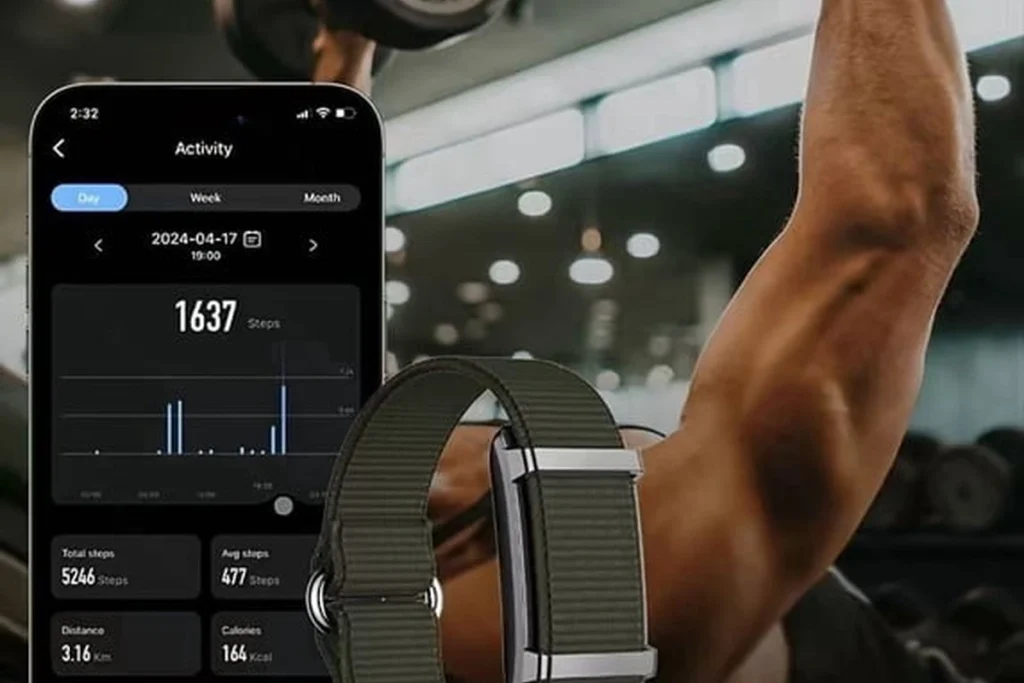
An ergonomic wristband incorporating PPG optical sensors for continuous SpO2 and pulse rate monitoring. Leverages wearable technology ideas focused on preventive health.

11. Smart Posture Correction Device
A compact upper-back sensor that provides gentle haptic vibration feedback whenever the user slouches. Demonstrates practical wearable device ideas with simple mechanical design.

12. AI-Powered Elderly Care Device
A non-intrusive radar device that detects falls across living spaces without cameras, alerting caregivers automatically. Strong utility among AI powered devices.
13. Smart Medication Reminder
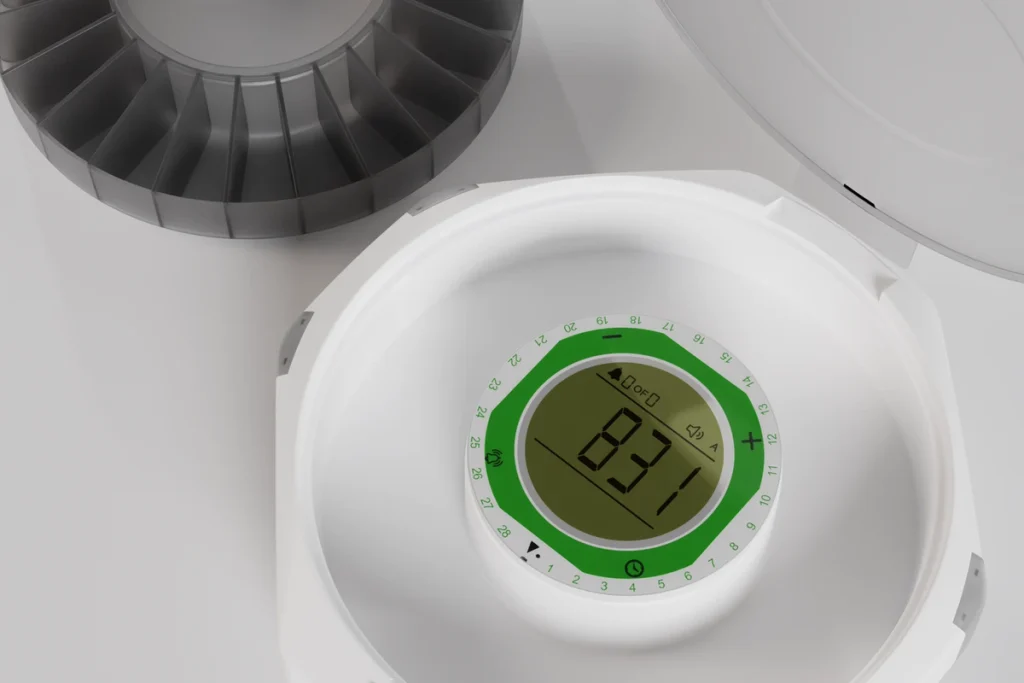
An automated pill dispenser featuring motorized compartment rotation, audible alerts, and cellular connectivity to notify family members of missed doses.

14. Connected Baby Monitoring Device
A crib-side sensor pod measuring ambient room temperature, sleep positioning, and breathing sounds using localized processing. Expands on connected device ideas.
15. Smart Personal Safety Device
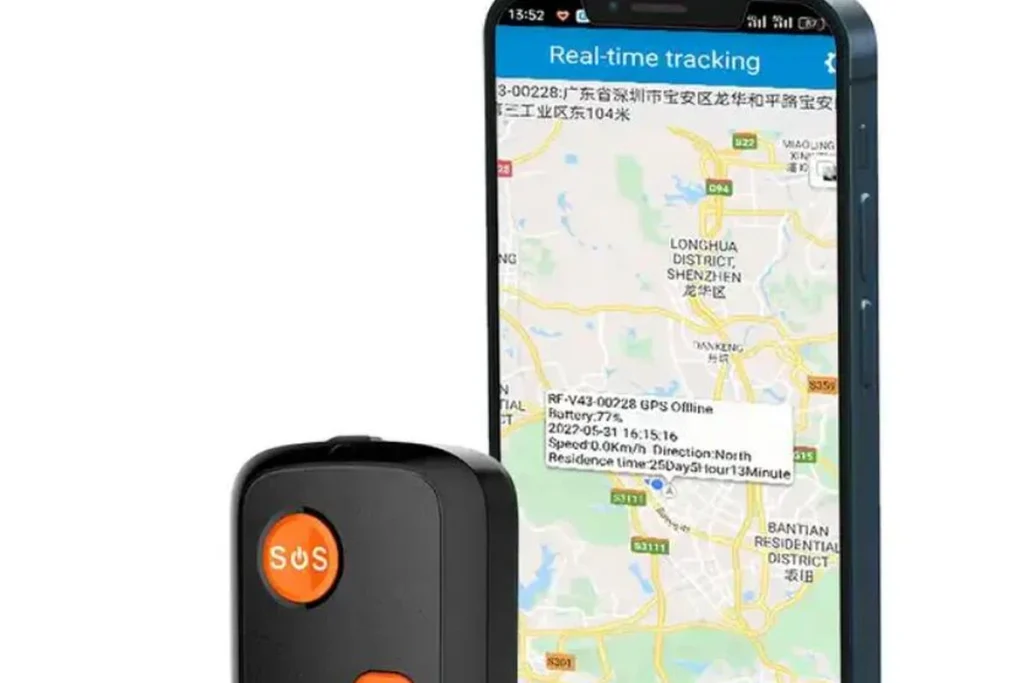
A discreet keyfob button that transmits real-time GPS coordinates and activates emergency siren tones upon a double-press action. A vital option among electronic device ideas.
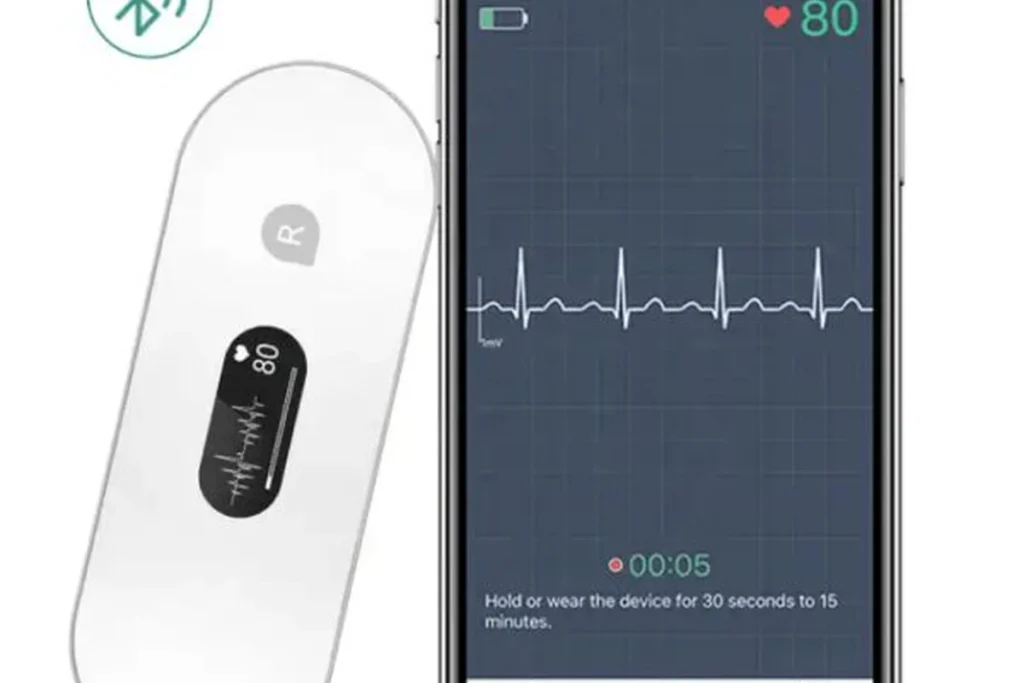
16. Wireless Health Monitoring Device
A portable ECG device that captures single-lead heart rhythms and sends PDF reports directly to smartphone apps. Expands target markets for hardware product ideas.

17. Smart Fitness Training Sensor
A clip-on accelerometer and gyroscope module for gym equipment that counts exercise reps, tracks barbell speed, and measures set duration. Great entry point for hardware startup ideas.

18. Connected Smart Scale
A multi-frequency bioelectrical impedance scale featuring Wi-Fi sync and high-precision load cells. A staple across connected products in home wellness.

19. Smart Kitchen Appliance Controller
A retrofittable smart dial module that connects legacy stovetops and ovens to timers and automatic shutoff alerts. Demonstrates flexible smart home product ideas.

20. Food Freshness Monitoring Device
A handheld probe using electrochemical gas sensors to detect amine levels in meat and fish, confirming food safety before consumption.

21. Smart Refrigerator Sensor
An internal camera and temperature sensor module that logs food inventory and alerts users before perishables expire.

22. Intelligent Plant Monitoring System
A soil probe measuring moisture, electrical conductivity (nutrient level), and ambient light with BLE connectivity for indoor gardeners.
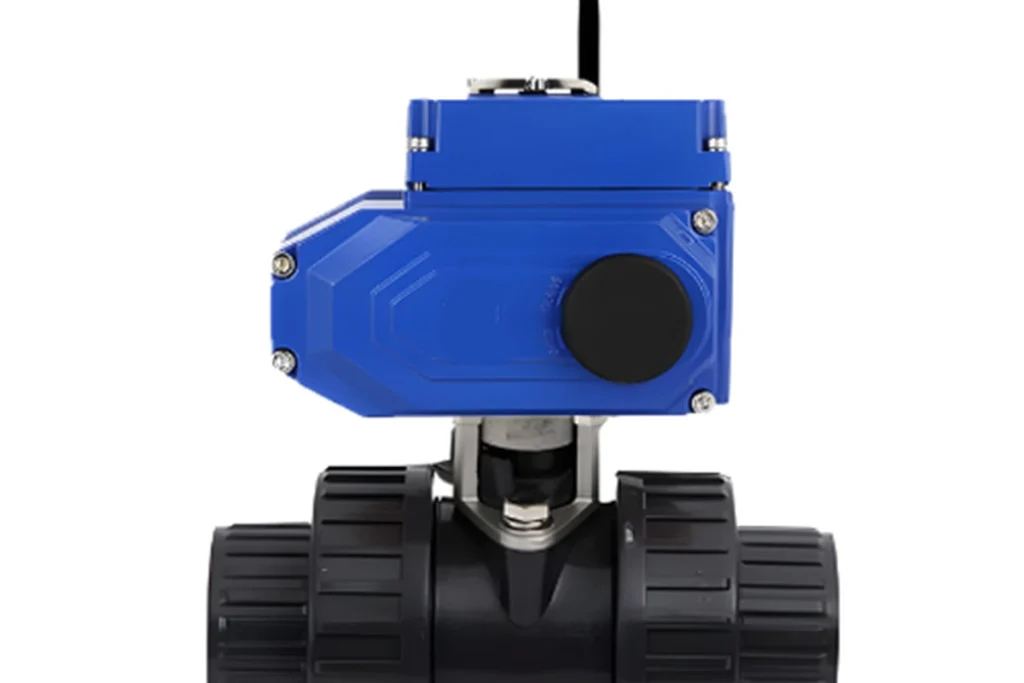
23. Smart Garden Irrigation Controller
A multi-zone valve controller that syncs weather forecasts via Wi-Fi to stop lawn sprinklers during rainy periods.
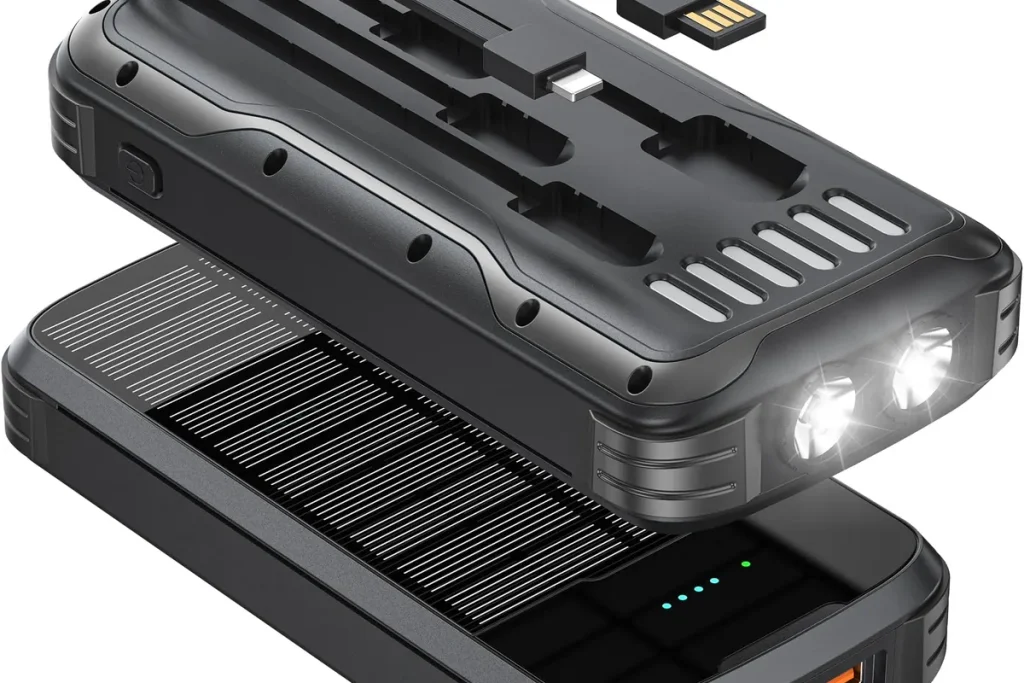
24. Portable Solar Power Management Device
A ruggedized power bank featuring Maximum Power Point Tracking (MPPT) charge controllers and high-efficiency solar cells. Represents accessible product ideas for electronics startups.
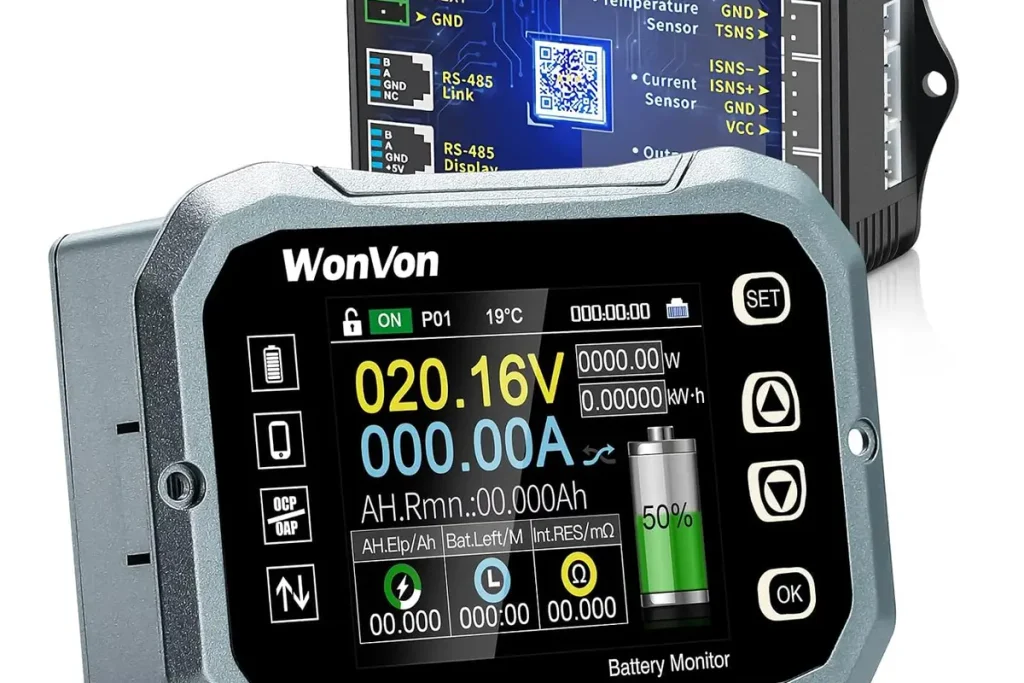
25. Smart Battery Monitoring System
A modular sensor array attached to deep-cycle lithium batteries to track cell voltage, temperature balance, and state of health. Fits electronics startup product ideas in energy storage.
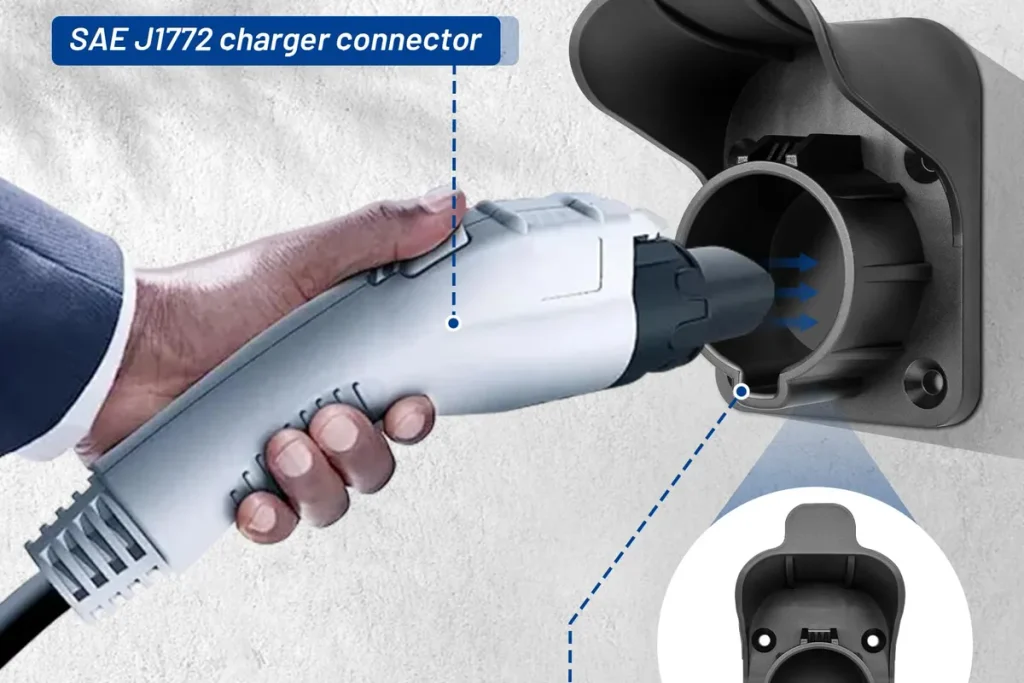
26. Portable EV Charging Accessories
Compact Type 2 / J1772 charge cables with integrated thermal monitoring and current control microcontrollers. High growth potential among new hardware product ideas.
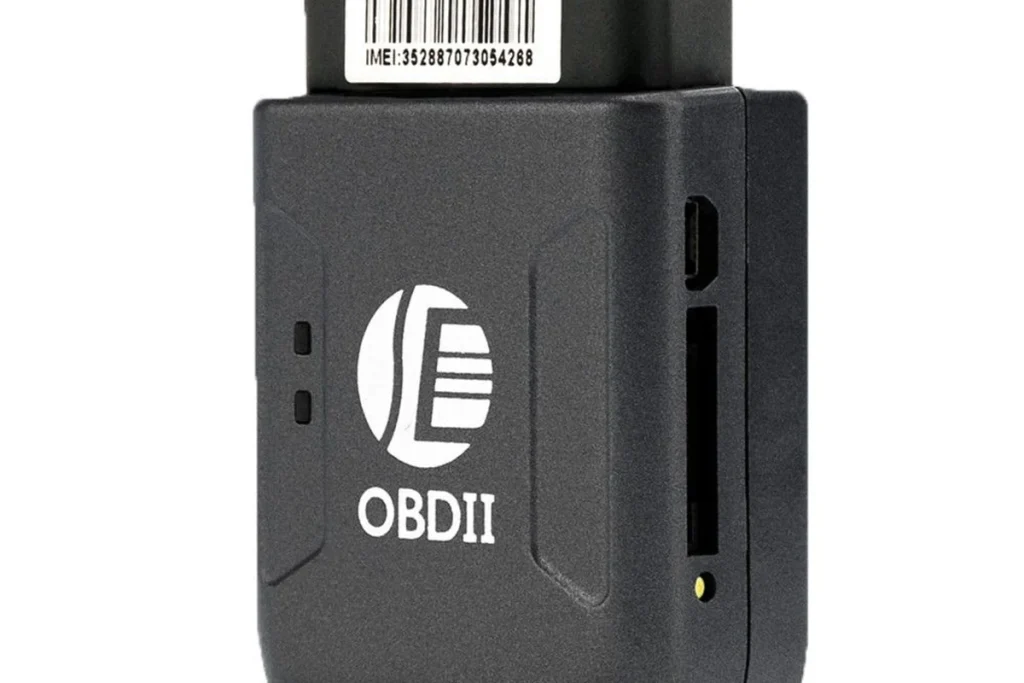
27. Smart Vehicle Tracking Device
An OBD-II plug-and-play tracker with integrated CAN-bus decoding, cellular data transfer, and internal backup batteries.
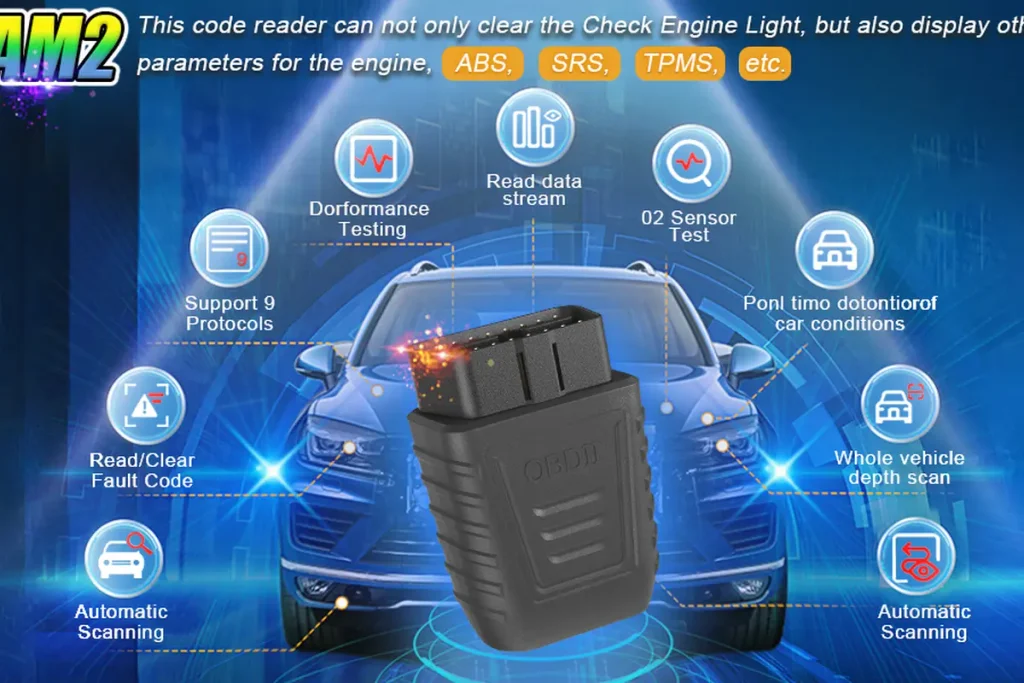
28. Connected Vehicle Diagnostic Device
A handheld diagnostic code reader featuring Bluetooth connectivity to display plain-language engine repair instructions on mobile apps.
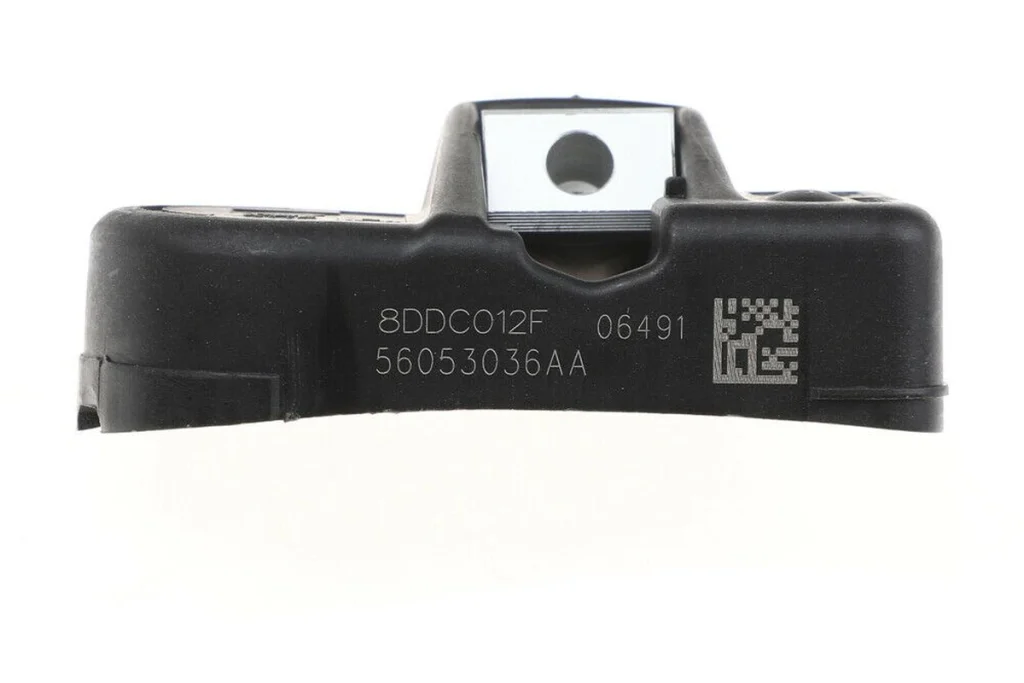
29. Smart Tire Pressure Monitoring Device
External stem-cap pressure transducers that stream real-time psi and temperature readings to motorcycle and auto dashboards.
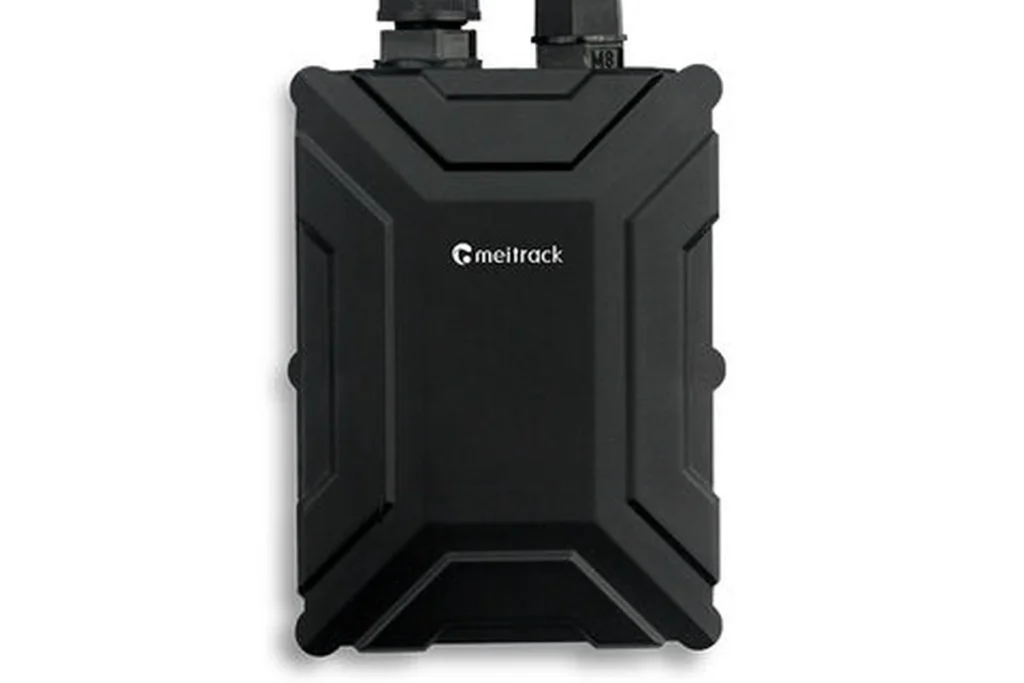
30. Fleet Tracking and Monitoring Device
A heavy-duty IP67-rated GPS and telematics box tailored for commercial trailers, featuring multi-year battery life and solar trickle charging.
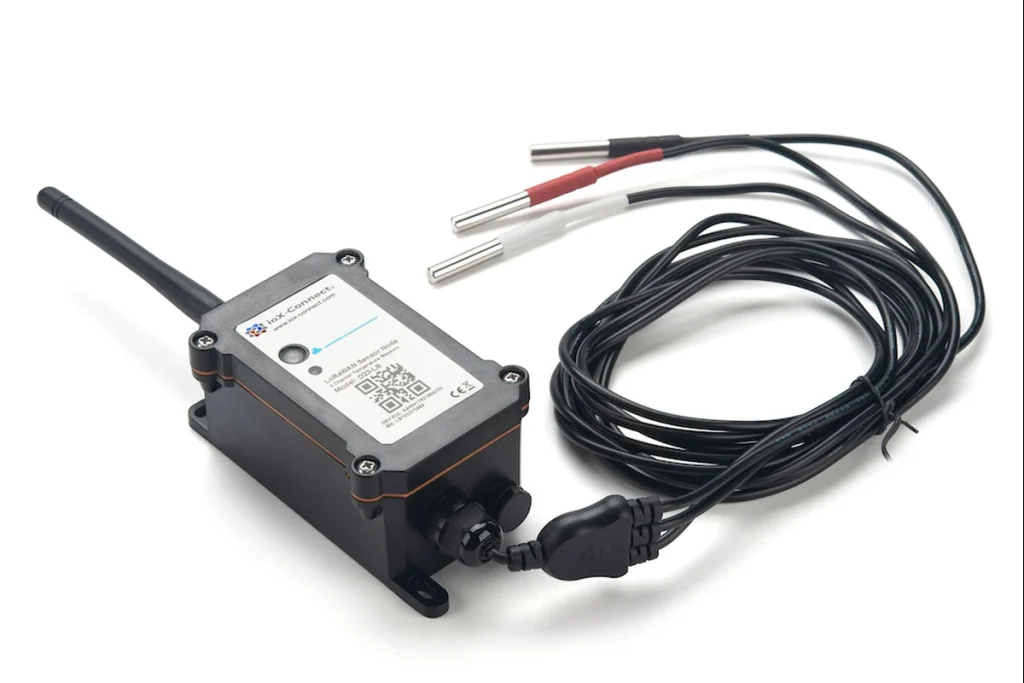
31. Industrial IoT Sensor
A rugged vibration and temperature sensor pod designed for factory motors, utilizing LoRaWAN for long-range transmission. Outstanding candidate for IoT products to manufacture.
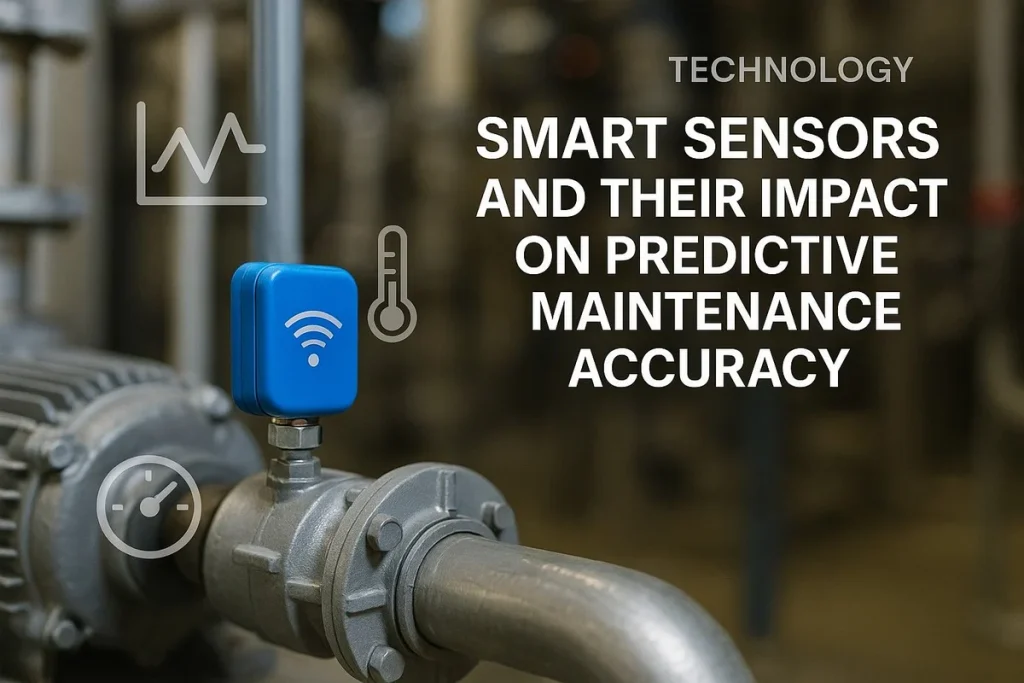
32. Predictive Maintenance Sensor
A magnet-mounted edge processor that analyzes acoustic emissions from industrial pumps to detect bearing wear before mechanical failure occurs.

33. Smart Asset Tracking Device
A ultra-thin tracking label incorporating printed batteries and cellular triangulation for cargo container visibility.
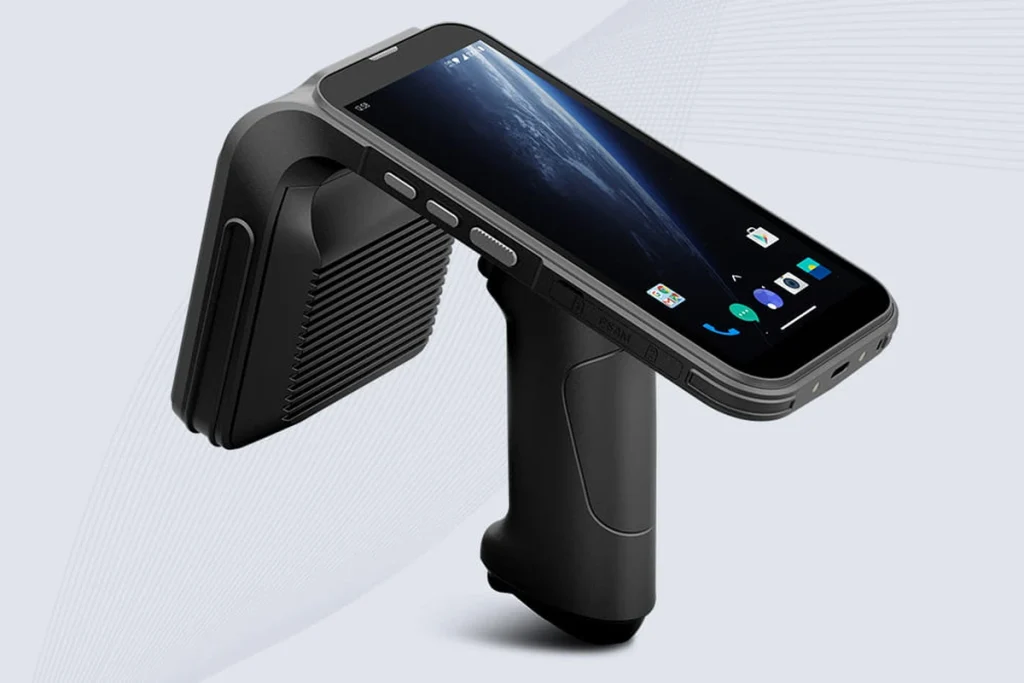
34. Warehouse Inventory Tracking Device
A high-performance RFID reader attachment for handheld scanners, designed to process hundreds of item tags per second across pallet racks.
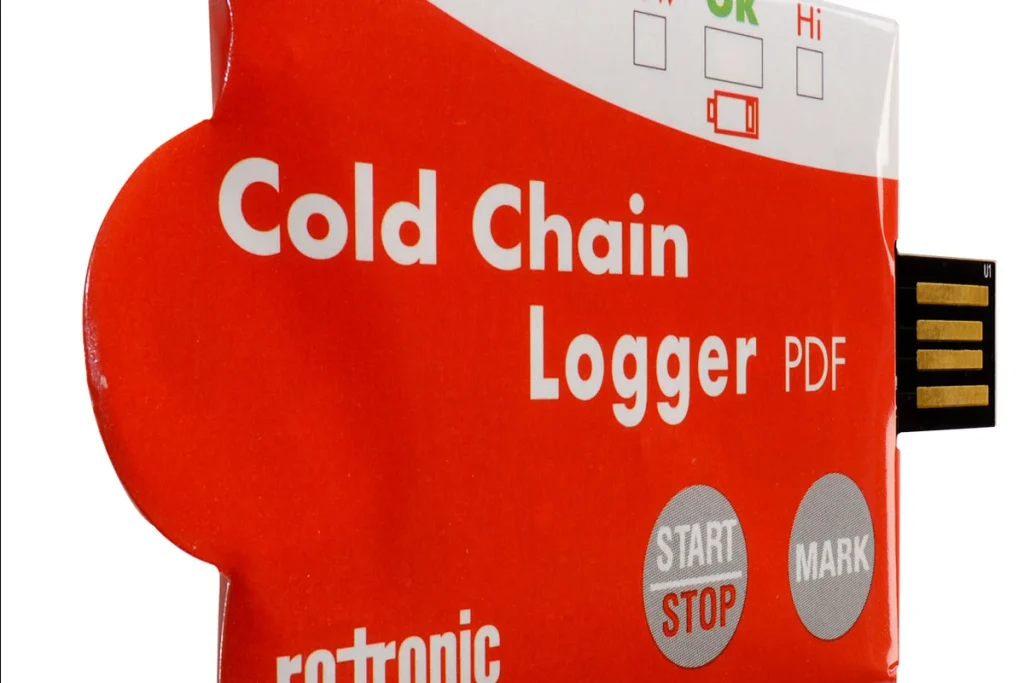
35. Wireless Temperature Monitoring System
A cold-chain monitor with calibrated RTD probes that logs pharmaceutical storage temperatures to meet regulatory compliance.
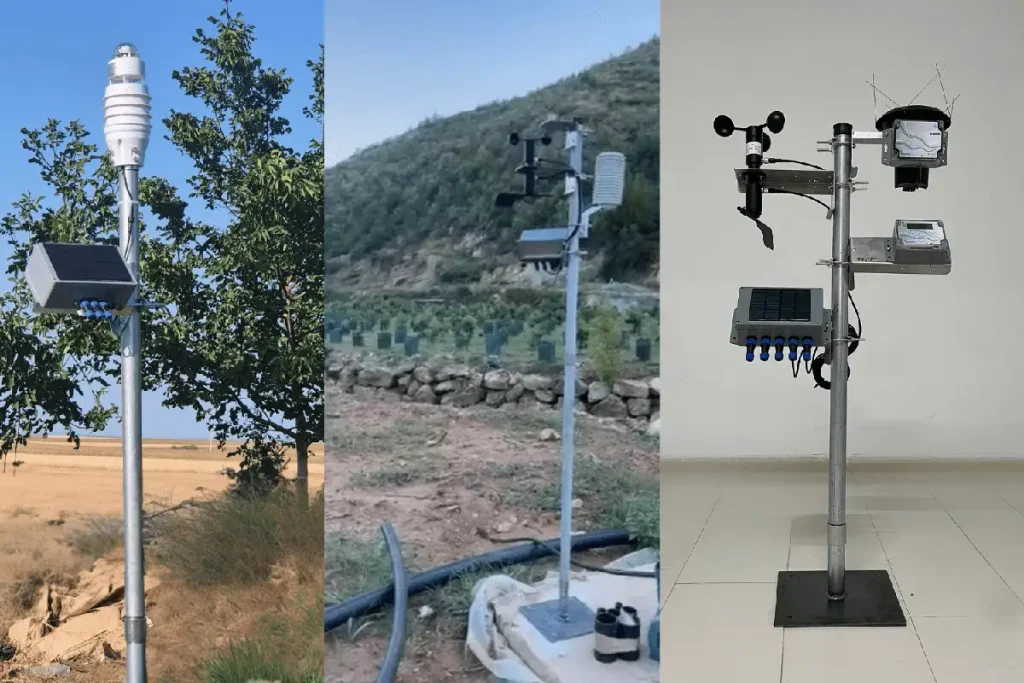
36. Smart Agriculture Monitoring Device
A solar-powered weather station collecting wind speed, rain accumulation, solar radiation, and leaf wetness across farm fields.
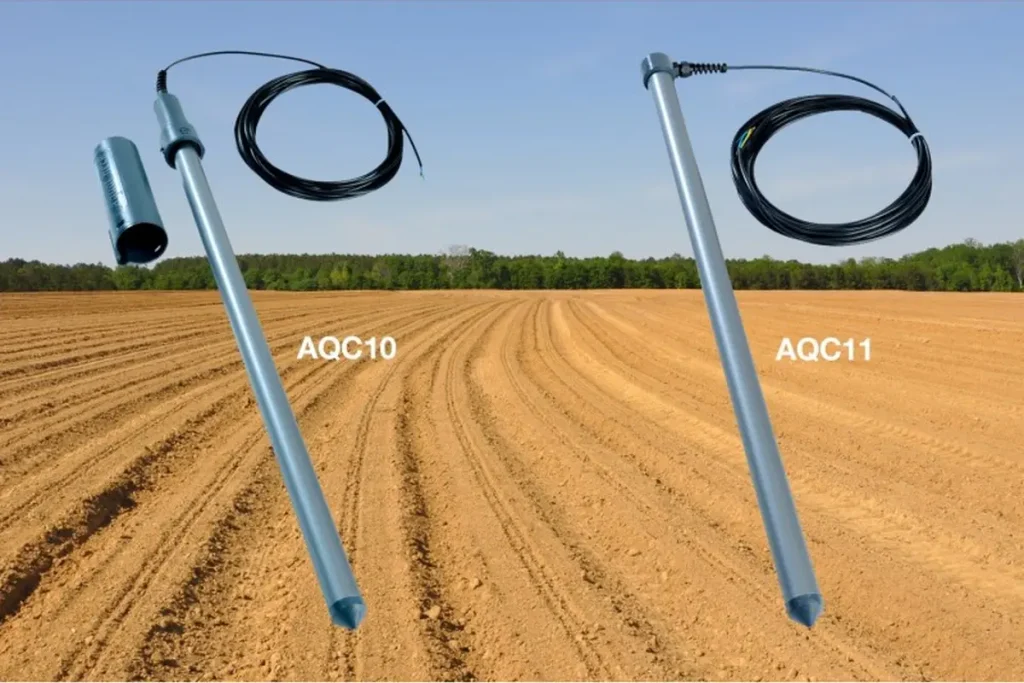
37. Connected Soil Monitoring Sensor
A deep-soil probe utilizing SDI-12 protocol to report multi-depth moisture profiles for precision crop irrigation.

38. Smart Irrigation Monitoring System
A flow meter and main valve assembly that detects pipe bursts across commercial farming networks and automatically cuts water flow.
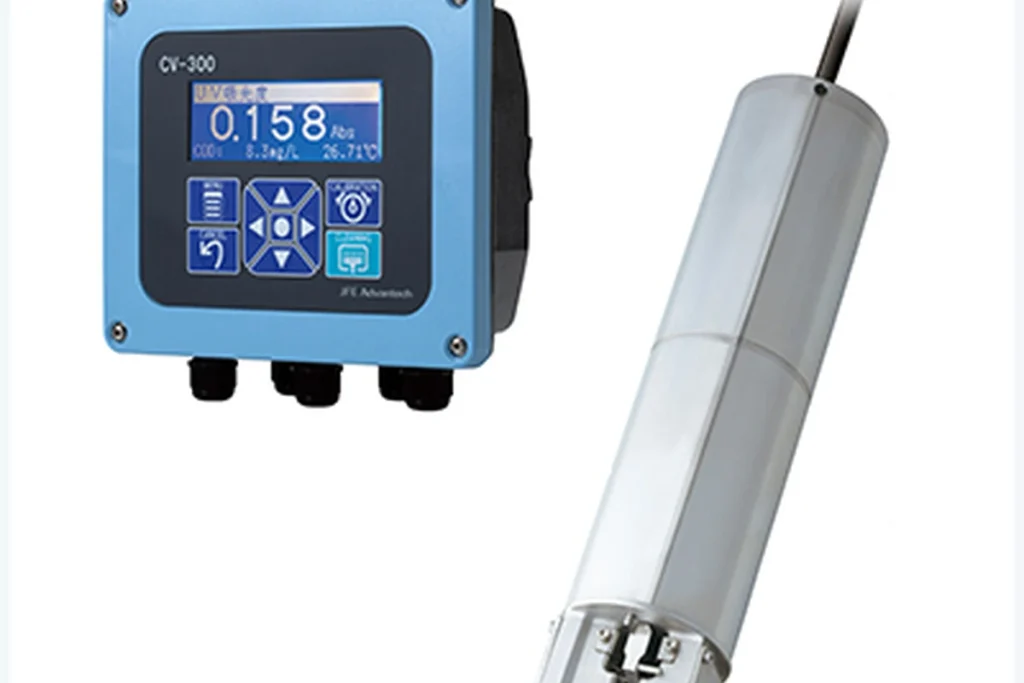
39. Portable Environmental Monitoring Device
A compact wearable clip that monitors personal exposure to UV radiation, carbon monoxide, and extreme heat during outdoor labor.
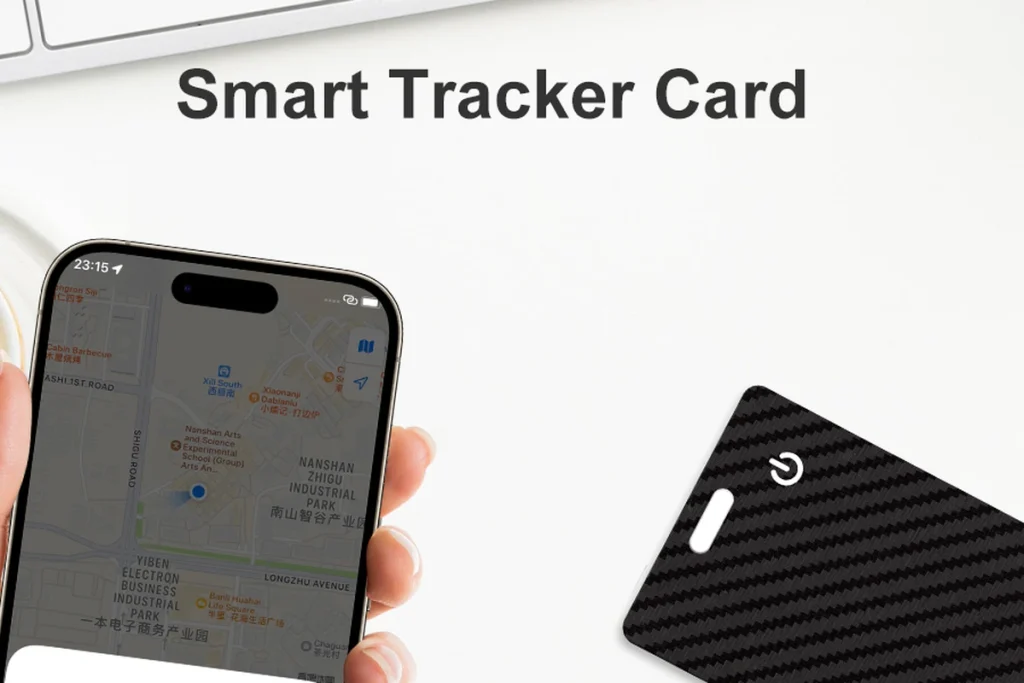
40. Bluetooth-Based Location Tracker
An ultra-thin item tracking card using Apple Find My or Google Find My Device networks, engineered with ultra-wideband (UWB) capabilities. Proves highly viable among electronic gadgets to manufacture.

41. Smart Wearable Safety Device
A high-visibility construction vest equipped with LED warning arrays, fall detection sensors, and worker emergency panic buttons.
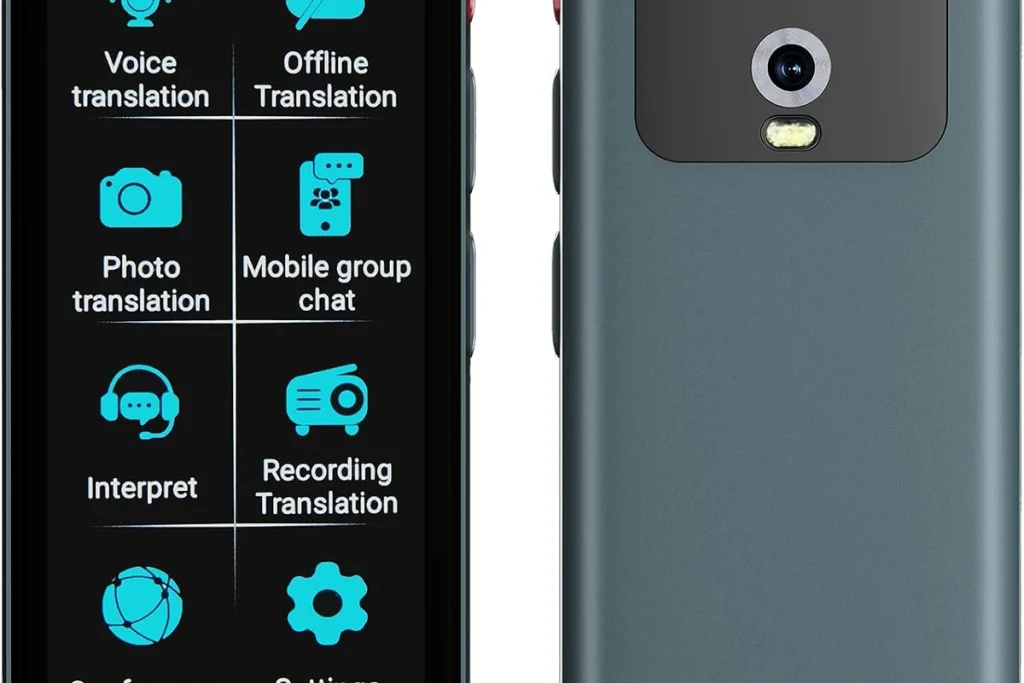
42. AI-Powered Translation Device
A dual-microphone handheld recorder with built-in neural processing units (NPU) for zero-latency, offline language translation. Highlights AI hardware product ideas built for travelers.
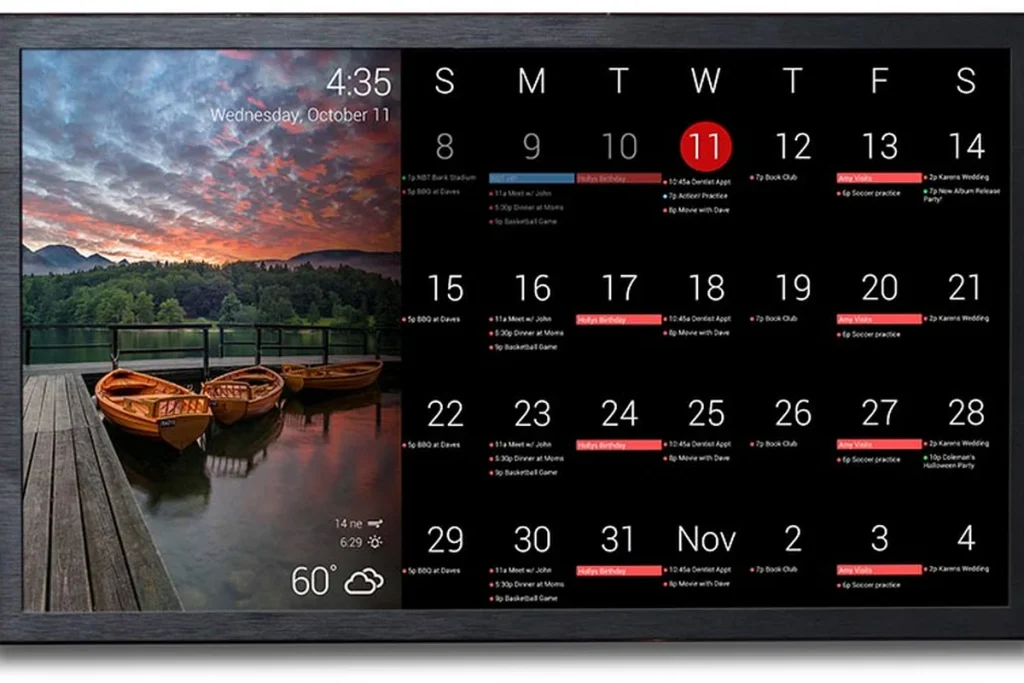
43. Portable Smart Display
A low-power E-ink wireless display board that updates calendar events, weather forecasts, and stock tickers once daily. Fits consumer electronics ideas for minimalistic workspaces.
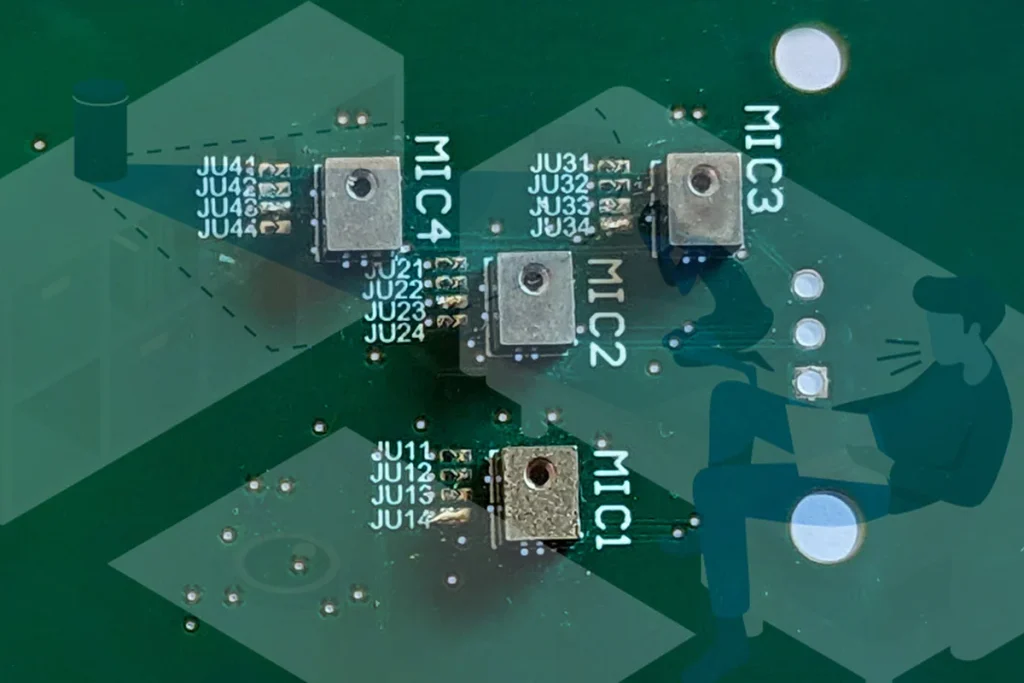
44. Smart Audio and Voice-Controlled Device
An acoustic beamforming microphone array module that isolates human speech from industrial background noise. Ideal among innovative gadgets 2026.
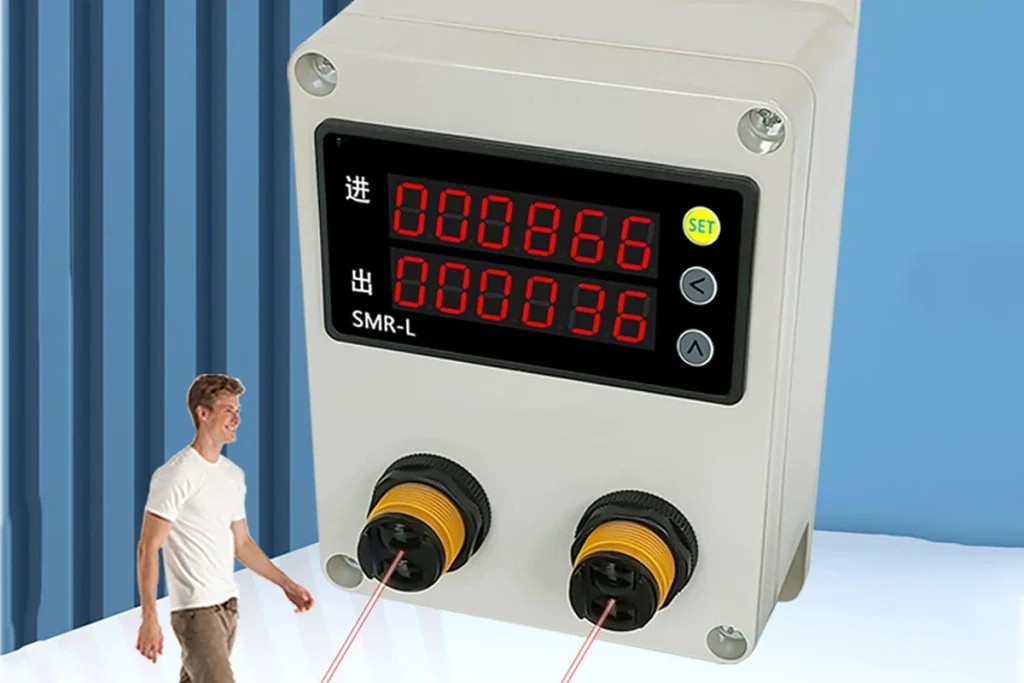
45. Connected Retail Monitoring Device
An overhead optical traffic counter using privacy-focused infrared array sensors to generate store foot-traffic heatmaps.
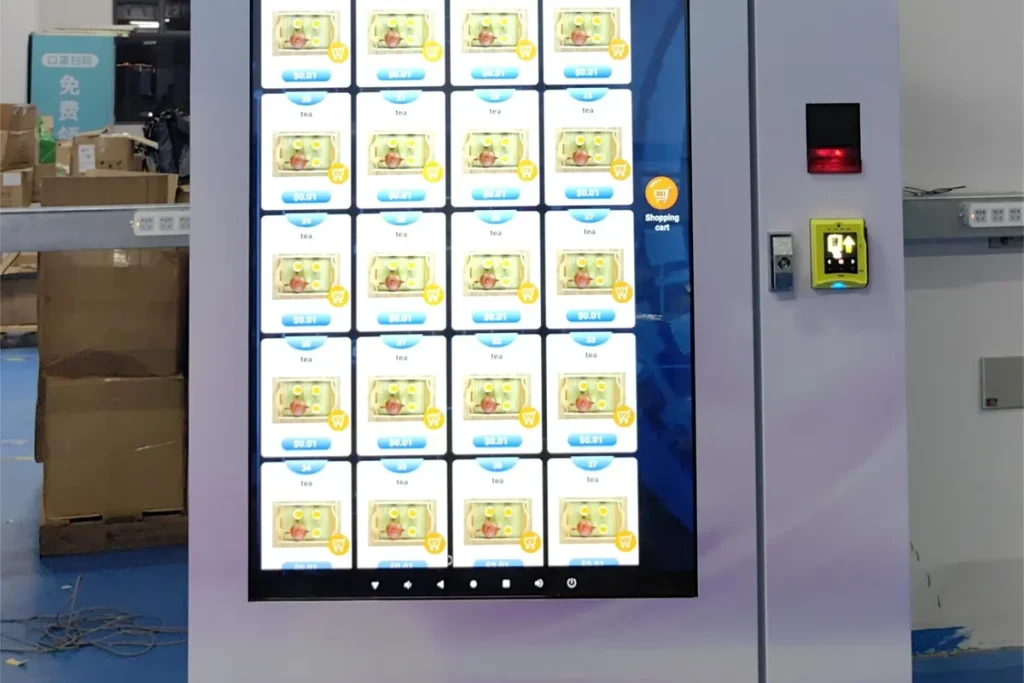
46. Smart Vending Machine Controller
A retrofit telemetry unit that adds contactless payment processing, inventory logging, and temperature alerts to legacy vending units.
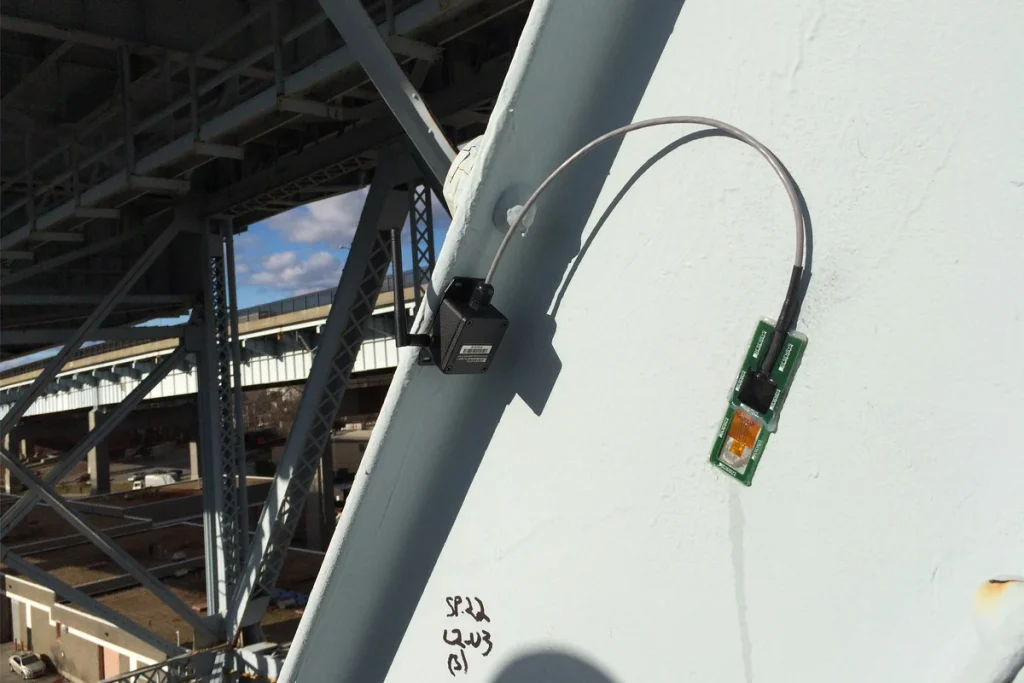
47. IoT-Based Building Monitoring System
A wireless structural stress sensor designed for bridges and high-rise foundations, using strain gauges and long-range radios.
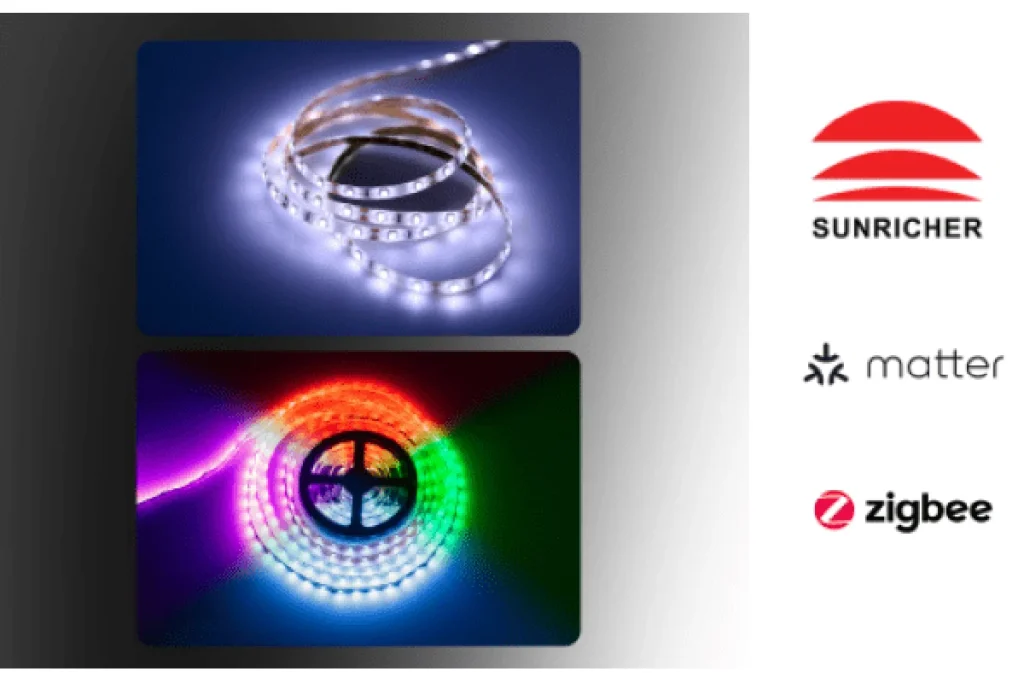
48. Smart Lighting Control System
A commercial Zigbee/Matter mesh lighting controller module designed for installation within ceiling fixtures to enable automated daylight harvesting.
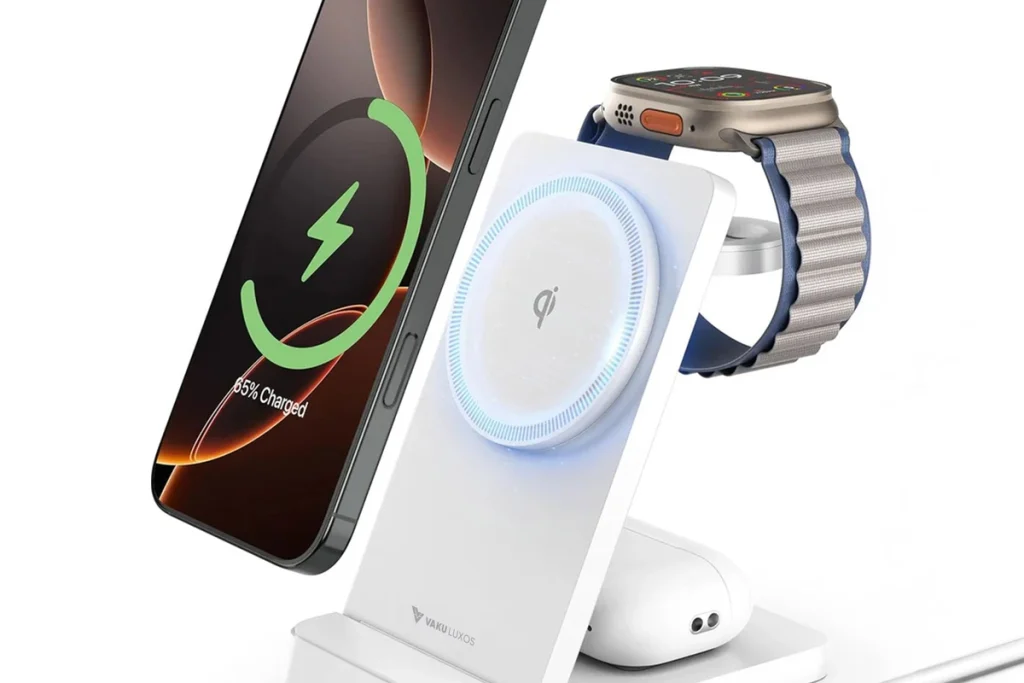
49. Connected Accessory for Consumer Electronics
A magnetic wireless charging dock featuring active Peltier cooling pads to prevent mobile phone thermal throttling during fast charging. Complements existing consumer electronics products.
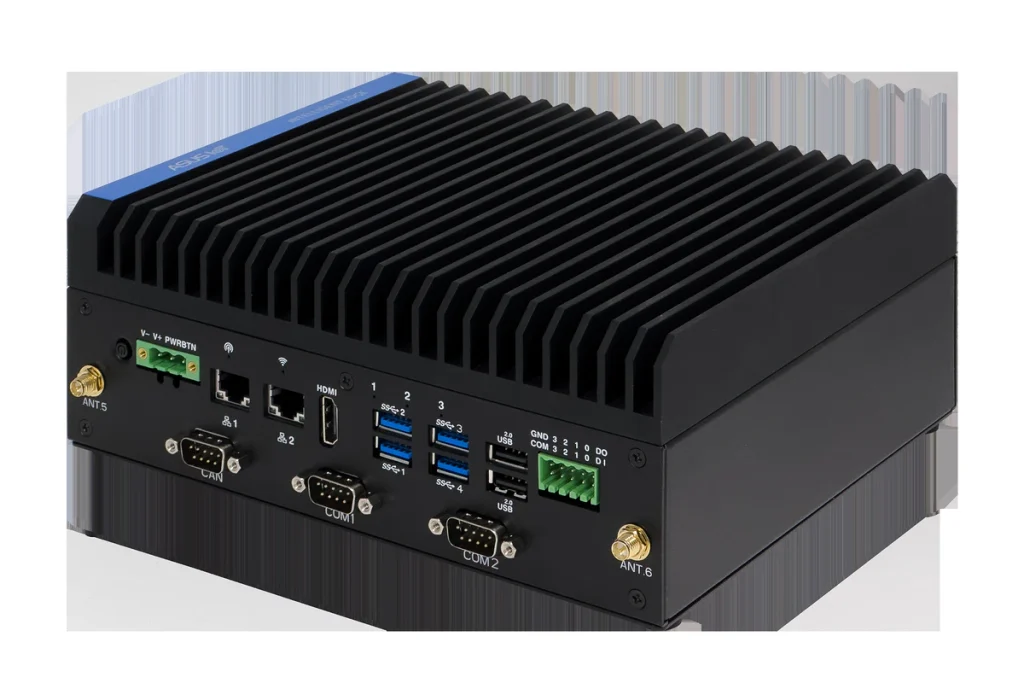
50. Custom AI + IoT Smart Device
A fully tailored hardware platform combining custom sensor arrays, localized AI inference microcontrollers, and low-power cellular modules. Serves as the pinnacle for custom AI electronics products.
Related: OEM Manufacturing Explained: Everything Businesses Need to Know (2026)
Which Electronic Product Ideas Have the Most Business Potential?
Not all product categories yield equal financial returns. Business viability depends heavily on your monetization model and market sector.
Products With Recurring Revenue Potential
Hardware devices paired with software subscriptions deliver higher company valuations than one-off sales. Examples include security cameras requiring cloud storage or health monitors with personalized coaching apps. Designing hardware that pairs with recurring software platforms generates ongoing margins long after the initial sale of custom electronic products.
Products Built Around IoT and Connected Services
Connected hardware allows brands to deliver firmware-over-the-air (FOTA) updates, adding new features over time while collecting valuable fleet telemetry. Selecting custom electronics manufacturing partners who understand secure bootloader deployment ensures your field units remain safe from cyber threats.
AI-Enabled Hardware Opportunities
Moving AI models from cloud servers directly to microcontrollers at the edge reduces data bandwidth costs and solves user privacy concerns. Products like offline voice assistants and visual anomaly sensors lead this shift in electronic product manufacturing.
B2B Electronics With Specialized Applications
B2B electronics command higher margins and suffer less price sensitivity than retail consumer gadgets. Factory equipment monitors, agricultural sensor arrays, and cold-chain temperature logs fulfill strict compliance demands, allowing an electronics manufacturing company to charge premium prices.
Consumer Electronics With Strong Differentiation
Entering consumer markets requires distinct utility. Products targeting niche hobbies or high-income demographics—such as specialized pet health wearables or high-precision training tools—succeed because buyers prioritize performance over low cost.
Technologies Behind Modern Electronic Products
Modern hardware development relies on standardized chipsets and mature software stacks.
IoT Connectivity and Wireless Communication
Selecting the correct wireless protocol dictates your battery capacity and enclosure dimensions. Short-range systems rely on Bluetooth Low Energy (BLE) or Wi-Fi 6, while wide-area installations use LoRaWAN, Cellular NB-IoT, or Matter protocols. Experienced ODM electronics manufacturing teams guide brands toward modules with pre-obtained modular certifications to save time and expense.
Artificial Intelligence and Edge Computing
Modern microcontrollers now integrate dedicated Neural Processing Units (NPUs). These low-power chips run tinyML models directly on-device, enabling facial recognition, voice detection, and predictive maintenance without streaming raw data over Wi-Fi. Integrating these modules requires technical coordination during OEM ODM electronic products design.
Sensors and Embedded Systems
Modern MEMS sensors compress high-precision accelerometers, gyroscopes, barometers, and gas detectors into microscopic packages. Choosing sensors with standard I2C or SPI digital interfaces simplifies board layouts and accelerates embedded software programming during electronic product development.
Bluetooth, Wi-Fi, GPS, and Cellular Connectivity
| Protocol | Typical Range | Power Consumption | Primary Use Case |
| Bluetooth (BLE) | 10 – 100 meters | Very Low | Wearables, smart home setup |
| Wi-Fi 6 | 30 – 100 meters | High | High-speed video, indoor displays |
| GPS / GNSS | Global (Outdoor) | Medium-High | Asset tracking, vehicle telematics |
| NB-IoT / LTE-M | Cellular Coverage | Low-Medium | Remote monitoring, smart meters |
| LoRaWAN | 2 – 15 kilometers | Extremely Low | Agriculture, industrial sensors |
Leveraging the correct protocol matrix streamlines electronics product development cycles.
Battery Management and Low-Power Electronics
Battery life makes or breaks portable devices. Engineering long-lasting battery systems requires implementing microampere sleep modes, selecting stable Lithium-Polymer (LiPo) or LiFePO4 chemistry, and designing precise battery management circuits (BMS) for overcharge protection. Proper management ensures safe electronic hardware development.
Cloud Platforms and Mobile Applications
Hardware requires intuitive user interfaces. Mobile apps built on Flutter or React Native interact with devices via BLE for initial provisioning, while cloud platforms like AWS IoT Core or Microsoft Azure IoT manage device fleets and process incoming data streams safely. Integrated hardware product development covers both the physical unit and the cloud backend.
Related: Product Design Explained: How to Turn Your Idea into a Manufacturable Product (2026)
How to Turn an Electronics Idea Into a Real Product
Transforming a napkin sketch into a box on a retail shelf demands a structured engineering discipline.
Product Requirements and Technical Feasibility
Begin by authoring a Detailed Product Requirement Document (PRD). Outline physical dimensions, target battery life, sensor accuracy, environmental IP ratings, and target manufacturing unit costs. This clears up ambiguity before investing capital in electronic product prototyping.
Industrial and Electronic Product Design
Industrial Designers create the physical form factor, prioritizing ergonomics, internal component layout, and aesthetic appeal. Simultaneously, mechanical engineers design internal mounting bosses, snap fits, and thermal heat paths to ensure the housing survives drop tests. Proper execution at this phase simplifies downstream electronics prototyping.
Hardware Architecture and Component Selection
Engineers select main ICs, power regulators, and passive components, mapping out block diagrams. Selecting active components with long manufacturer lifespans prevents costly redesigns mid-way through prototype to mass production electronics shifts.
PCB Design and Embedded Development
Layout engineers route circuit boards using tools like Altium Designer or KiCad, paying close attention to signal integrity, antenna clearance, and power trace widths. In parallel, firmware developers write driver code to control components and run initial board bring-up tests when you design and manufacture electronics.
Prototype Development and Functional Testing
Engineering samples are assembled using quick-turn SMT lines and 3D-printed or CNC-machined enclosures. Functional testing validates that the board powers up correctly, sensors read accurately, and wireless radios transmit without noise issues when manufacturing electronic devices.
Design Verification and Engineering Validation
Systematic testing subjects hardware prototypes to environmental chambers, thermal cycling, drop tests, and signal analysis. Uncovering mechanical stress flaws or firmware bugs early prevents expensive tooling modifications later in mass production electronics pipelines.
Design for Manufacturing and Assembly
Applying DFM electronics rules ensures circuit boards pass through automated Pick-and-Place machines without alignment errors. Design for assembly (DFA) reduces screw counts and manual cable harnesses, lowering labor costs on the factory floor. Mastery of design for manufacturing electronics is mandatory for commercial scale.
Certification and Compliance Preparation
All commercial devices must comply with regional regulatory standards. Pre-compliance testing verifies that the product meets FCC (USA), CE (Europe), RoHS (hazardous substances), and UN38.3 (lithium battery transport) guidelines before submitting units to accredited testing labs. Completing PCB design and manufacturing with compliance in mind saves thousands in re-test fees.
OEM vs ODM for New Electronic Product Development
Choosing between Original Equipment Manufacturing (OEM) and Original Design Manufacturing (ODM) shapes your engineering investment and product control.
| OEM (Custom Development) | ODM (White-Label Platform) |
|---|---|
| You own 100% of IP & tooling | Manufacturer owns base design |
| Fully customized enclosure | Modest cosmetic customization |
| Higher upfront NRE & capital | Fast speed to market |
| Lower unit cost at volume | Low upfront engineering cost |
When OEM Manufacturing Makes Sense
Choose OEM when you possess a custom product design, unique mechanical enclosure, and proprietary hardware features. OEM gives you complete ownership over intellectual property, engineering drawings, and custom tooling.
When ODM Manufacturing Is the Better Option
Opt for ODM when you want to launch a standard market device quickly. ODMs offer pre-designed product platforms that can be customized with your logo, brand colors, and minor firmware tweaks, significantly cutting development time.
Custom Design vs Existing Product Platforms
Custom designs demand higher upfront capital but create long-term brand equity and strong market moats. Product platforms allow fast market entry but leave you vulnerable to competitors selling identical white-labeled hardware from the same supplier.
OEM/ODM Cost, Control, and Development Considerations
| Consideration Factor | OEM Manufacturing | ODM Manufacturing |
| IP Ownership | Brand owns 100% of IP and Gerber files | Manufacturer owns core engineering designs |
| Upfront NRE Cost | High ($30,000 – $150,000+) | Very Low ($2,000 – $10,000) |
| Time to Market | 8 to 14 Months | 2 to 4 Months |
| Unit Margin | Optimized for lower high-volume unit costs | Margins split with manufacturer |
| Product Customization | Unlimited mechanical and electrical control | Restricted to housing branding & firmware |
Evaluating these trade-offs determines how to turn an electronics idea into a product within your budget.
Related: EMS Electronic Manufacturing Explained: From Design to Mass Production (2026)
How Much Does It Cost to Develop an Electronic Product?
Hardware development involves both upfront Non-Recurring Engineering (NRE) costs and ongoing per-unit production costs. Understanding the electronic product development process helps prevent financial surprises.
Product Design and Engineering Costs
Industrial design, mechanical engineering, and hardware architecture typically range from $10,000 to $40,000 depending on form-factor complexity, sealing demands, and internal layout constraints.
PCB and Electronics Development Costs
Schematic capture, multi-layer PCB layout routing, component selection, and embedded firmware development generally require between $15,000 and $50,000 for standard multi-sensor IoT devices.
Prototype and Testing Expenses
Producing initial engineering prototypes, quick-turn PCB assembly, custom 3D prints, and functional bring-up tests runs between $3,000 and $12,000 across multiple development rounds.
Tooling and Manufacturing Costs
Hardened steel injection molds for custom plastic enclosures represent a major upfront expense, costing anywhere from $12,000 for compact housings to over $60,000 for multi-part, overmolded enclosures.
Certification and Compliance Costs
Mandatory regulatory testing (FCC, CE, IC, RoHS) averages between $8,000 and $25,000. Adding specialized certifications like Bluetooth SIG licensing, Matter certification, or medical ISO standards increases these figures further.
Factors That Influence Mass Production Pricing
Per-unit mass production pricing depends on order volumes, component selection, manual assembly labor hours, quality inspection thresholds, and packaging requirements.
From product design and prototyping to OEM/ODM manufacturing, our engineering team can help bring your electronic product to market.
From Prototype to Mass Production
Moving from a functional prototype to factory mass production follows strict validation gates.
Engineering Prototype
Hand-assembled prototypes built to confirm circuit logic, sensor integration, and basic firmware functions. These boards often use larger components for easy troubleshooting.
EVT: Engineering Validation Testing
EVT builds (typically 20–50 units) use final PCB layouts and functional components. Testing focuses on electrical performance, thermal limits, power draw, and signal integrity under stress.
DVT: Design Validation Testing
DVT builds (50–200 units) utilize final plastic injection molding and production-grade parts. These units undergo environmental chambers, drop tests, water resistance checks, and official regulatory compliance certifications.
PVT: Production Validation Testing
PVT is the first run on the actual mass-production line (100–500 units). This phase validates assembly line fixtures, worker instructions, throughput speed, and automated functional test station yields.
Pilot Production and Manufacturing Optimization
Pilot production runs evaluate scrap rates and assembly bottlenecks, fine-tuning line speed and quality checks before approving full production runs.
Full-Scale Electronics Manufacturing
Once PVT yields pass target thresholds (typically >98% first-pass yield), full-scale mass production begins, filling distributor channels globally.
How to Choose an Electronics OEM or ODM Manufacturer
Partnering with the wrong factory risks product delays, poor build quality, and stolen IP. Selecting the right partner demands careful evaluation.
Engineering and Product Development Capabilities
Ensure the factory maintains dedicated in-house hardware, software, and mechanical engineering teams rather than relying entirely on third-party contractors.
Prototype and NPI Experience
Choose partners with dedicated New Product Introduction (NPI) lines. Factories accustomed only to high-volume runs often struggle with the iterative tweaking required during prototype phases.
Manufacturing and Supply Chain Capacity
Verify the facility operates modern Surface Mount Technology (SMT) lines, automated optical inspection (AOI) equipment, and strong relationships with tier-1 chip distributors to secure component allocations.
Quality Control and Testing Infrastructure
Inquire about quality systems. A reliable manufacturer holds ISO 9001 certifications, conducts incoming component quality checks (IQC), performs in-circuit testing (ICT), and runs automated functional testing on 100% of finished goods.
Certification and Compliance Support
Work with partners who routinely assist clients through FCC, CE, and UL certification processes. Experienced factories design boards that pass electromagnetic compatibility (EMC) tests on the first try.
Communication, IP Protection, and Project Management
Protect your assets by signing enforceable Non-Disclosure Agreements (NDAs). Choose partners with dedicated project managers who communicate clearly, provide weekly status updates, and track milestone schedules transparently.
Common Mistakes When Developing a New Electronic Product
Avoiding predictable engineering pitfalls saves months of wasted effort and preserves development capital.
Designing Without Validating Market Demand
Building complex hardware before verifying customer demand is a top reason hardware startups fail. Validate customer demand using landing pages, pre-orders, and user interviews before cutting steel molds.
Choosing Components Without Considering Supply Risk
Selecting niche or end-of-life microcontrollers can stall production lines if lead times spike to 52 weeks. Always select chips with active production lifecycles and multiple pin-compatible alternatives.
Ignoring Design for Manufacturing
Designing intricate enclosures that require manual assembly or tight tolerances inflates scrap rates and labor costs. Always run DFM reviews prior to finalizing tooling designs.
Underestimating Testing and Certification
Failing regulatory compliance testing delays product launches by months and burns capital on redesigns. Conduct pre-compliance EMI testing early during the EVT stage.
Moving to Mass Production Too Early
Skipping PVT testing to hit aggressive retail deadlines usually backfires. Uncovered assembly errors or high field failure rates lead to costly product recalls that damage brand reputation.
Focusing on Features Instead of Customer Problems
Cramming unnecessary features onto a device drains battery life, increases BOM costs, and confuses users. Focus on perfecting the core feature that solves your user’s central problem.
Why Precintl Is an End-to-End Electronic Product Development Partner
At PRECINTL, we help hardware startups, corporate innovators, and brand owners turn raw ideas into market-ready products.
From Product Concept to Manufacturable Design
Our team works alongside you from day one, converting product requirement documents into clear industrial designs, refined 3D CAD models, and production-ready mechanical layouts.
Learn more about our product design approach and how concepts are developed into manufacturable products.
Electronics, PCB, Embedded and Hardware Engineering
We specialize in low-power architecture, multi-layer PCB layout design, wireless antenna tuning, and custom embedded firmware development for high-performance IoT devices and AI hardware platforms.
Rapid Prototyping and New Product Introduction
Our in-house NPI facilities deliver quick-turn functional PCB assemblies and CNC-machined prototype enclosures, allowing your team to test physical units in weeks rather than months.
EVT, DVT, PVT and Product Validation
We manage every stage of testing, guiding your device through rigorous environmental stress checks, signal validation, drop testing, and official FCC/CE compliance certifications.
OEM and ODM Electronics Manufacturing
Whether you require full-scale custom OEM hardware engineering or cost-effective ODM platform adjustments, PRECINTL operates modern SMT lines and assembly operations tailored to your production volume.
Explore the complete PRECINTL manufacturing capabilities for custom electronic products.
Supply Chain and Mass Production Support
We leverage established global component distribution networks to secure long-term IC availability, manage BOM costs, and ensure consistent batch quality from initial launch to global distribution.
Custom Product Development for Different Industries
From smart home gadgets and medical wearables to industrial IoT monitors and automotive electronics, PRECINTL delivers reliable, end-to-end hardware solutions built for long-term market success. Ready to start your build? Contact our engineering team today to review your project specs.
Frequently Asked Questions
What is the most profitable electronic product to manufacture in 2026?
High-margin B2B IoT sensors, specialized healthcare monitoring hardware, and AI-enabled edge devices yield strong profits because they solve high-value operational challenges and pair easily with recurring software subscriptions.
How long does it take to develop a new electronic product from scratch?
A typical electronic product development cycle takes 8 to 14 months from initial concept design to mass production, moving through schematic design, prototyping, EVT/DVT testing phases, and tooling fabrication.
What is the difference between OEM and ODM in electronics manufacturing?
OEM (Original Equipment Manufacturing) involves designing a custom product from the ground up where you own all IP and tooling designs. ODM (Original Design Manufacturing) uses an existing factory base platform that is branded and lightly customized for your business.
How much does it cost to turn an electronic prototype into mass production?
Transitioning from a working prototype to mass production generally costs between $30,000 and $150,000+, covering plastic injection tooling, production line test fixtures, NRE engineering fees, and mandatory regulatory compliance certifications (FCC/CE).