Validate your hardware designs with precision custom CNC prototyping. Get functional parts fast, test mechanical limits, and seamlessly transition to mass production with Precintl. Contact us for a quote today.
Hardware development moves fast. A flaw in a plastic enclosure or a weak aluminum bracket derails product launches. You need to hold a physical part in your hand, test its strength, and verify its geometry before paying for expensive injection molds or die-casting tooling. This reality drives hardware teams to rely on prototype machining services. Unlike fragile 3D printed models, machined parts provide exact mechanical properties and tight tolerances matching your final production intent.
What Are Prototype Machining Services?
Engineers depend on prototype machining services to transform digital CAD models into physical, functional objects using subtractive manufacturing. A machinist programs automated cutting tools to carve away material from a solid block until only your desired geometry remains. This approach delivers true material properties, giving you an exact replica of how your mass-produced item will perform in the real world.
How CNC Machining Is Used for Product Prototypes
When product teams design a new piece of hardware, they run it through physical trials. A rapid prototype machining run allows them to test stress limits, thermal conductivity, and structural integrity. Because the process cuts physical metal or engineering plastics, the resulting CNC prototype parts act exactly like the final product. Hardware startups and large OEMs alike use prototype machining to prove their concepts before committing to six-figure tooling investments.
Prototype Machining vs. Other Prototyping Methods
Many developers default to 3D printing for early-stage models. Additive manufacturing builds parts layer by layer, which often creates internal weaknesses and brittle structures. By comparison, rapid CNC prototyping mills away solid stock. The grain structure of the material remains intact, yielding superior strength and surface quality.
| Feature | CNC Prototype Machining | 3D Printing (SLA/FDM) | Urethane Casting |
|---|---|---|---|
| Material Strength | High (Solid block) | Low to Medium (Layered) | Medium |
| Tolerance | Very Tight (+/- 0.01mm to 0.05mm) | Loose (+/- 0.1mm to 0.3mm) | Medium |
| Surface Finish | Excellent | Noticeable layer lines | Good |
| Best For | Mechanical testing, final validation | Visual models, quick iteration | Low-volume aesthetics |
Custom CNC Prototype Machining Services
Your part dictates the machinery required. High-quality custom prototype machining relies on specific equipment tailored to the geometry and material of the component. Selecting the correct machining approach controls costs and guarantees part accuracy.
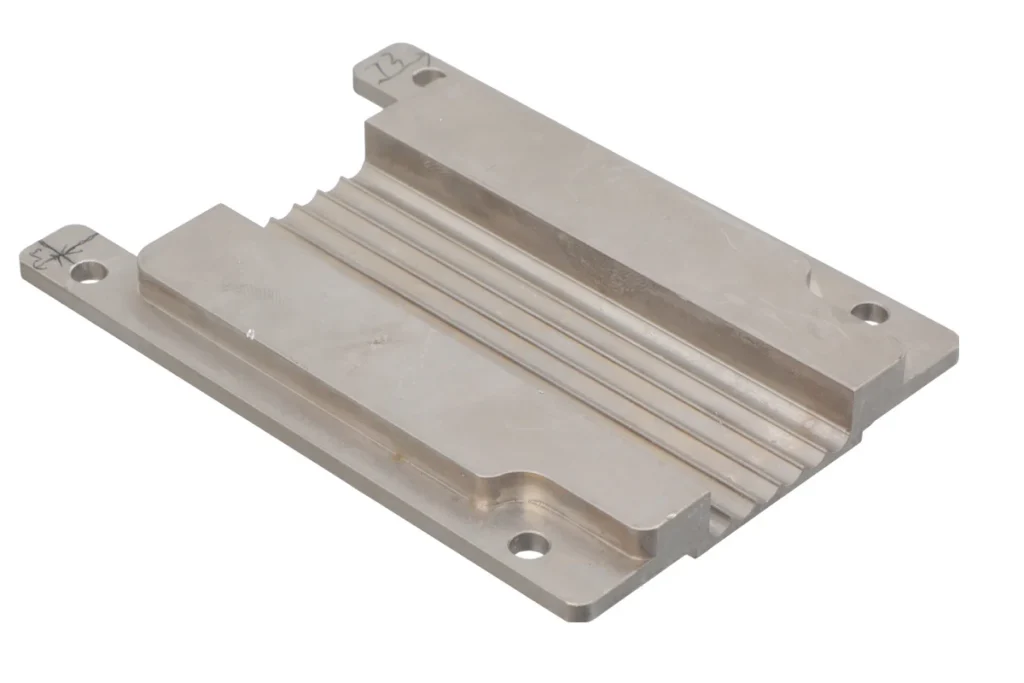
CNC Milling for Prototype Parts
Milling uses a spinning rotary cutter to remove material from a stationary workpiece. When building flat or blocky components, CNC milling prototypes offer sharp internal features and flat surfaces. Engineers frequently spec milling for custom heat sinks, electronic enclosures, and internal structural brackets.
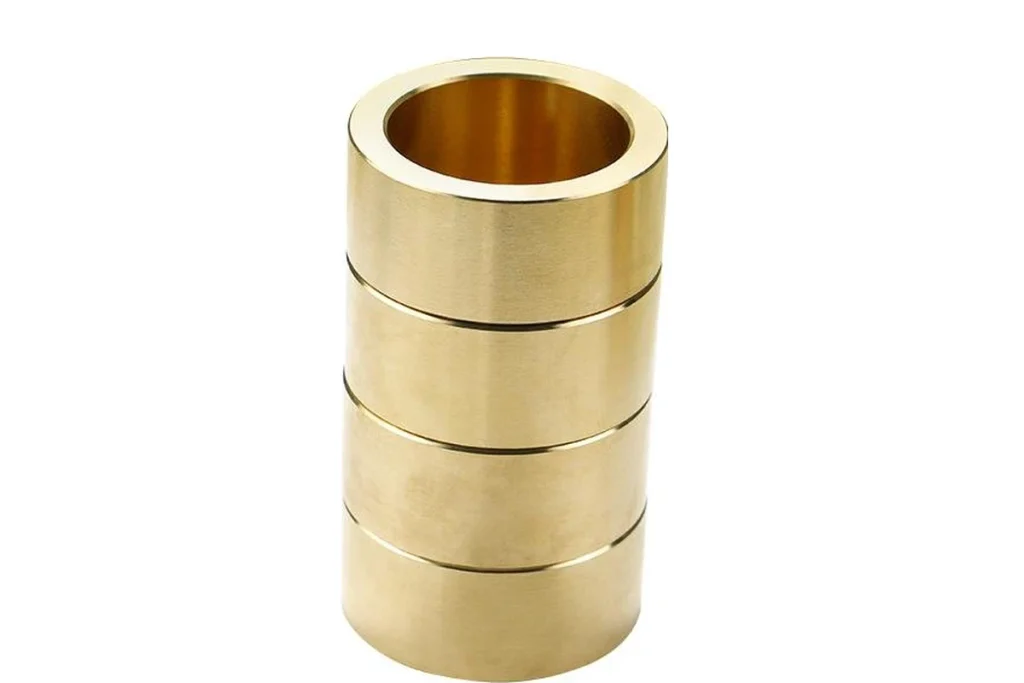
CNC Turning for Cylindrical Prototypes
If your part resembles a cylinder, shaft, or bearing, a lathe handles the job. The machine spins the material at high speed while a stationary cutting tool shapes the exterior or interior. Producing CNC turning prototypes results in perfectly concentric parts. When you combine operations, CNC milling and turning on live-tooling lathes creates complex cylindrical components featuring off-axis holes or flat sections.
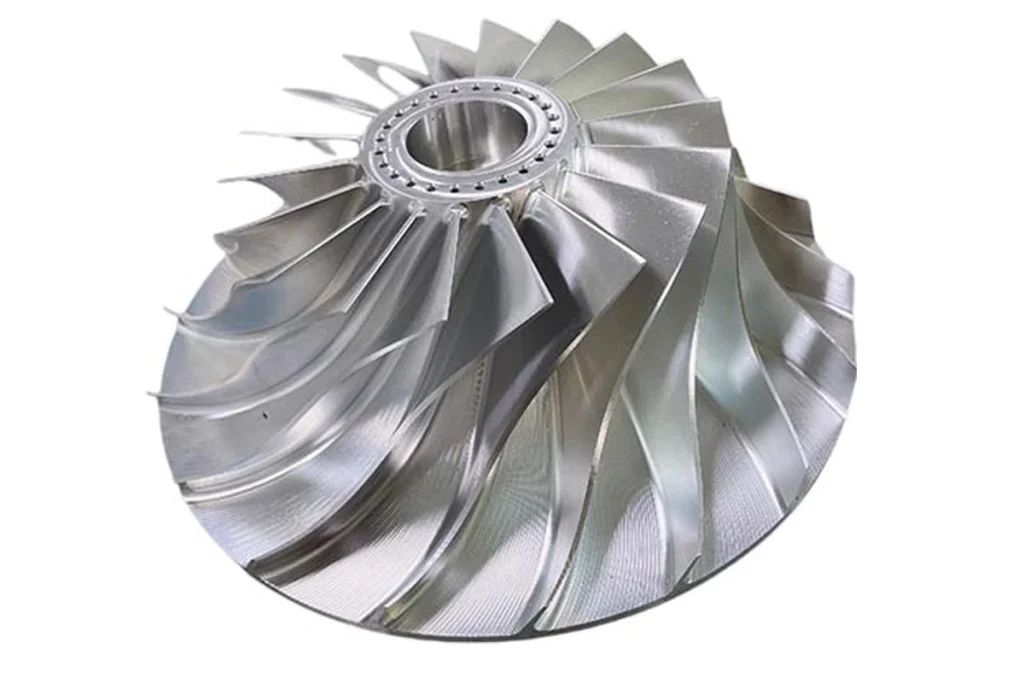
3-Axis, 4-Axis and 5-Axis Prototype Machining
The number of axes determines how the cutting tool moves around the part.
- 3 axis CNC machining: The tool moves in X, Y, and Z directions. Best for simple, flat parts machined from a single direction.
- 4 axis CNC machining: Adds rotation to the A-axis, allowing the machine to cut around a cylinder without manual flipping.
- 5 axis CNC machining: The tool moves across five different axes simultaneously. This approach manufactures highly complex organic shapes, like aerospace impellers or intricate medical devices, in a single setup.
Actionable Tip: Always default to 3-axis geometries when designing. 5-axis machines charge higher hourly rates. If you can achieve your design by simply flipping the part on a 3-axis mill, you save money.
Precision Machining for Complex Prototype Geometries
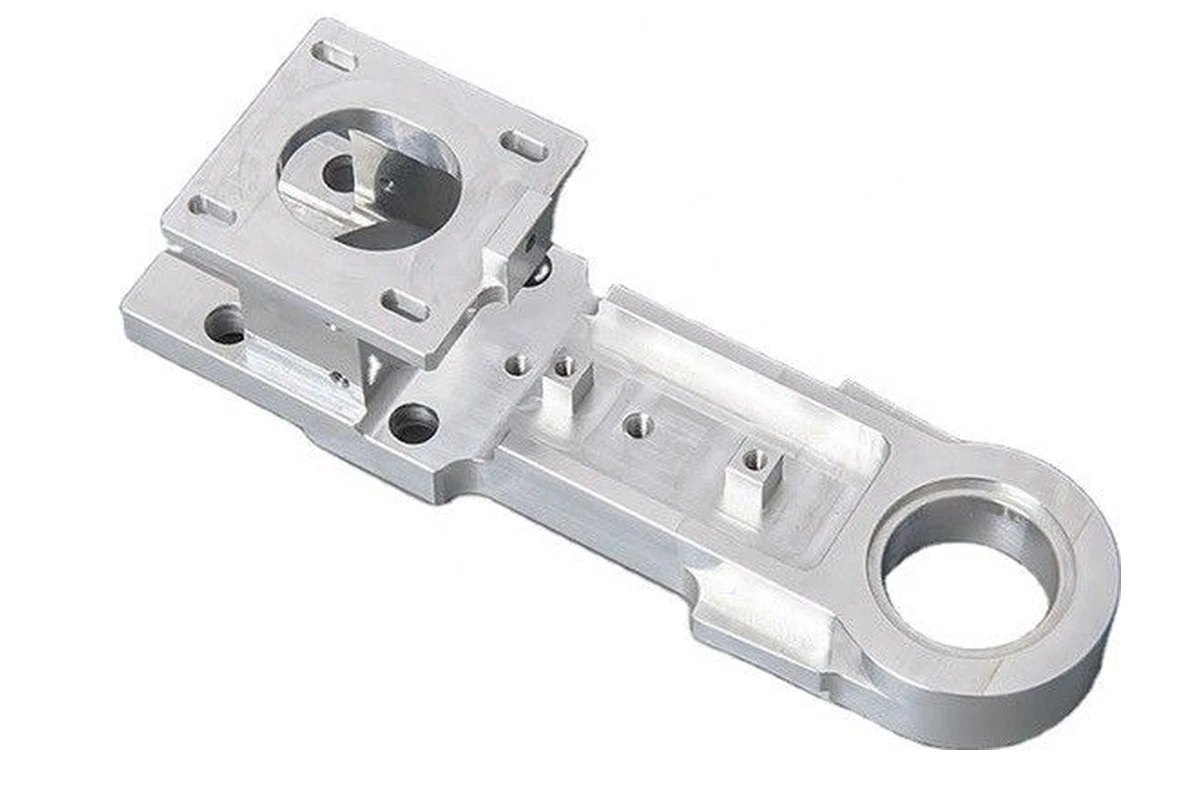
Some designs leave no room for error. Aerospace and medical hardware mandate precision prototype machining to hit microscopic tolerances on complex curves. Producing a precision machined prototype involves specialized tooling, rigid workholding, and advanced CAM programming to prevent tool deflection during deep cuts.
Materials for CNC Prototype Parts
The solid block you start with defines your final product’s durability. The vast selection of CNC prototype materials available means you can always match your production specifications exactly.
Aluminum and Aluminum Alloys
Aluminum dominates the hardware development world. It cuts quickly, holds tolerances well, and costs less than harder metals. When teams specify aluminum prototype machining, they typically choose 6061-T6 for general-purpose structural components. If the part faces extreme stress, engineers upgrade to 7075-T6, an aerospace-grade alloy boasting strength comparable to some steels.
Stainless Steel and Other Metals
Medical tools and industrial fluid components require high corrosion resistance. Stainless steel prototype machining steps in here, usually utilizing 304 or 316 grades. Because stainless hardens as you work it, metal prototype machining requires slower cutting speeds and specific carbide tooling. Other metals like brass, copper, and titanium fill specific needs for electrical conductivity or high strength-to-weight ratios.
Engineering Plastics for Functional Prototypes
You don’t always need metal. Hardened polymers act as excellent insulators and low-friction bearings. When engineers request plastic prototype machining, they often specify Delrin (POM) for gears, PEEK for high-temperature resistance, or ABS for consumer electronic housings. Cutting engineering prototypes from solid plastic blocks yields much stronger components than 3D printing the same resins.
Choosing the Right Material for Your Prototype
Selecting the right stock determines whether your functional prototypes survive real-world testing. Do not over-spec your material. If the component only needs to hold a PCB in place, do not waste money cutting it from titanium. Focus on the exact thermal, mechanical, and chemical properties your application demands.
| Material | Key Property | Common Application |
| Aluminum 6061 | Lightweight, easy to cut | Enclosures, brackets |
| Stainless 316 | Corrosion resistant | Medical devices, marine |
| Delrin (POM) | Low friction, stiff | Gears, moving parts |
| Polycarbonate | Impact resistant, clear | Lenses, tough covers |
Prototype Machining Process From CAD to Finished Part
A block of metal does not become a tight-tolerance component by accident. Precision prototype machining follows a strict operational sequence to eliminate errors and reduce setup times.
CAD File and Design Review
Every physical part starts as a digital 3D model. During prototype development, engineers export STEP or IGES files. The machining team imports this file and scrutinizes the geometry. A successful product design prototype relies on clean, water-tight CAD data containing no floating surfaces or impossible geometry.
DFM Analysis and Machining Strategy
Before cutting starts, a machinist performs Design for Manufacturing (DFM) analysis. They check for deep pockets that cause tool chatter, sharp internal corners that rotary end-mills cannot cut, and overly thin walls that warp under pressure. Adjusting these features early makes functional prototype machining faster and cheaper.
CNC Programming and Tool Selection
Next, CAM software generates the toolpaths. The programmer translates the CAD data into G-code, telling the machine exactly where to move, how fast to spin, and which tool to use. Effective CNC prototype development requires seasoned programmers who know how to clear material aggressively without compromising the part’s surface integrity.
Prototype Machining and Inspection
The operator loads the raw stock, zeros the machine, and hits start. During rapid prototype machining, coolant floods the cutting zone to prevent overheating. Once the machine finishes, operators pull the part and begin prototype testing, measuring critical dimensions against the original drawing using calipers or micrometers.
Surface Finishing and Final Assembly
Raw machined parts display visible tool marks. Depending on the requirement, the shop applies prototype surface finishing techniques like bead blasting or tumbling to smooth the exterior. If the component requires threaded inserts or helicoils, technicians install them before shipping the completed CNC prototype parts to the client.
Prototype Machining Tolerances and Quality Control
Tolerances define the acceptable margin of error for a physical dimension. If your parts do not meet specifications, they will not fit together during assembly.
Standard CNC Machining Tolerances
Most shops adhere to ISO 2768 standard prototype machining tolerances. Typically, this means a baseline accuracy of +/- 0.125mm (0.005 inches). For most non-mating surfaces on CNC machined prototypes, this standard tolerance provides plenty of accuracy while keeping machining time and costs low.
Tight-Tolerance Prototype Components
Press-fits, bearing bores, and sliding mechanisms demand strict adherence to nominal dimensions. Tight tolerance CNC machining easily achieves +/- 0.01mm (0.0005 inches) or better. Hitting these numbers requires slower feed rates, brand-new cutting tools, and temperature-controlled shop floors. Because precision CNC machining takes longer, always reserve tight tolerances exclusively for the specific features that actually need them.
Dimensional Inspection and Functional Testing
Quality control verifies the machinist’s work. Shops utilize Coordinate Measuring Machines (CMM) to probe complex surfaces and guarantee compliance with the CAD model. A design validation prototype must pass these strict dimensional checks before it ships to the hardware team for mechanical drop tests and thermal cycling.
Surface Finishing Options for Machined Prototypes
A part’s physical appearance and environmental resistance depend entirely on the final surface treatment.
Anodizing and Other Aluminum Finishes
Aluminum oxidizes instantly in the air. Anodizing forces a controlled, durable oxide layer onto the surface. Type II anodizing adds vibrant colors to custom prototype machining jobs, while Type III hard-coat anodizing significantly increases the surface hardness for high-wear environments.
Powder Coating, Plating and Painting
When you need a thick, durable shell, powder coating bakes a polymer layer onto the metal. For electrical applications, nickel or gold plating improves conductivity on prototype CNC parts. Wet painting offers exact Pantone color matching for cosmetic marketing models.
Deburring, Polishing and Surface Preparation
Every cutting tool leaves sharp edges. Machinists manually deburr prototype parts using hand tools or tumbling media. If a component requires optical clarity or a mirror finish, technicians spend hours hand-polishing the precision machined parts until they reflect light perfectly.
Applications of CNC Machined Prototypes
Virtually every physical product sector relies on CNC prototype machining services to prove hardware functionality before mass production.
Consumer Electronics and Smart Devices
Laptops, smartphones, and audio equipment require ultra-thin, rigid enclosures. Hardware teams order product development prototyping to test the fit of internal PCBs, batteries, and screens inside aluminum or plastic shells.
IoT and Connected Products
Smart home sensors and industrial trackers sit in harsh environments. Teams machine IoT housings from durable plastics and metals to verify IP67 waterproof ratings and signal transparency before tooling up injection molds.
Automotive and Industrial Components
Cars and factory machines endure massive vibration and heat. Engineers demand manufacturing prototype parts cut from solid steel and aluminum blocks to test engine mounts, suspension brackets, and custom gearboxes under real operational loads.
Medical, Wearable and Specialty Hardware
Surgical tools and wearable monitors directly touch human skin. Medical startups specify prototype machining services for cutting biocompatible titanium and medical-grade PEEK into precise, sterilizable instruments.
Prototype Machining Cost and Lead Time
Budgets dictate hardware schedules. Understanding how quotes work helps you design cheaper, faster-to-produce components.
What Determines Prototype Machining Cost?
Setup time drives the majority of prototype machining cost. When you only order one part, you absorb 100% of the CAM programming and machine setup labor. The actual cutting time often represents a fraction of your total bill.
Material, Complexity and Tolerance Considerations
Harder materials like stainless steel wear out tools faster and cut slower, directly increasing the CNC prototype cost. Complex parts requiring multiple flips force the machinist to stop the machine, build new workholding jigs, and re-zero the axes. Tighter tolerances require slower cutting passes and extensive CMM inspection time.
How Prototype Quantity Affects Pricing
Because setup costs are fixed, ordering a single part carries a high per-unit price. If you transition to low volume CNC machining and order 50 units, the shop spreads that setup cost across the whole batch. Small batch CNC machining drops your per-part price drastically, making it economical to produce testing units for beta users.
Ways to Reduce Prototype Machining Costs
To get a favorable prototype machining quote, simplify your design.
- Radius all internal corners: Allow the machinist to use a larger end-mill.
- Standardize hole sizes: Use standard drill bit diameters.
- Loosen tolerances: Only flag critical mating surfaces for tight tolerances.
- Machine from one side: Design parts that sit flat and require minimal flipping.
From Prototype Machining to Low-Volume Production
Hardware development follows a structured path. Once a single prototype passes the initial checks, teams scale up their testing regimens.
Design Validation and Prototype Testing
Engineers subject early models to drop testing, thermal shock, and user trials. Functional prototype machining ensures these early models behave exactly like production units. If a machined bracket snaps under pressure, the team redesigns the CAD and orders a new iteration.
EVT, DVT and PVT Product Development
Hardware scales through phases. Engineering Validation Test (EVT) uses rapid CNC prototyping to prove basic functionality. Design Validation Test (DVT) tests cosmetic finishes and manufacturing assembly times. Production Validation Test (PVT) acts as the final run before mass manufacturing begins in NPI Manufacturing.
Transitioning From CNC Prototypes to Production
Eventually, you graduate from one-off models to larger volumes. Moving from prototype to production requires standardizing the manufacturing process. While high-volume parts might move to die-casting or injection molding, many companies continue using custom machined parts for mid-volume production to avoid massive tooling fees.
How to Choose a Prototype Machining Service Provider
Partnering with the right factory prevents delayed launches and out-of-spec parts. Never select a prototype machining manufacturer based solely on the lowest price.
Engineering and DFM Capabilities
A reliable prototype machining company reviews your CAD files and suggests design improvements. If a shop blindly machines a flawed file without warning you about overly thin walls or impossible corners, you waste time and money. Look for partners who provide active DFM feedback.
Machining Equipment and Inspection
Walk the factory floor or review their equipment list. High-end prototype machining services utilize 5-axis DMG Mori or Haas mills and inspect parts using calibrated Mitutoyo CMMs. Outdated machines cannot hit the tight tolerances required for modern hardware.
Material and Finishing Capabilities
Your supplier must stock certified materials and offer in-house finishing. If a shop subcontracts anodizing or heat-treating to third parties, you lose control over quality and suffer extended lead times.
OEM/ODM and Product Development Support
Western companies frequently look for a prototype machining services China partner to bridge the gap between early R&D and overseas mass production. A shop with OEM/ODM experience understands how to scale your product beyond the initial prototype phase.
Related: OEM vs ODM Manufacturing: Which Is Right for Your Product?
Prototype Machining FAQs
How Much Does CNC Prototype Machining Cost?
Prices vary wildly based on geometry and material. A simple aluminum bracket might cost $50, while a complex 5-axis titanium medical implant could exceed $1,000. Setup time dictates the baseline price.
How Long Does Prototype Machining Take?
Most standard jobs require 3 to 7 days. If you require advanced finishing or complex 5-axis work, prototype machining lead time can extend to 10-14 days.
What Materials Can Be Used for CNC Prototypes?
Machinists cut almost any solid block. Common choices include Aluminum (6061, 7075), Stainless Steel (304, 316), Brass, Copper, Titanium, and engineering plastics like POM (Delrin), PEEK, and Polycarbonate.
What CNC Machining Tolerances Are Possible?
Standard CNC machining tolerances sit around +/- 0.125mm. With careful programming and specialized tooling, high-precision shops hit tolerances as tight as +/- 0.01mm for critical bearing bores or press-fit features.
Can CNC Prototypes Be Used for Functional Testing?
Absolutely. Because functional prototype machining uses the exact same solid metal or plastic as the final production run, the parts exhibit true mechanical strength, making them perfect for stress, drop, and thermal testing.
Can Precintl Move a Prototype Into Mass Production?
Yes. Precintl scales your project from single-unit prototypes to thousands of parts. Our CNC machining services integrate directly with our ODM and OEM assembly lines, providing a single-source manufacturing solution for your entire product lifecycle.