
Discover 20 market-tested connected device ideas for hardware startups across consumer, health, and industrial sectors. Learn technical feasibility, prototyping stages, and scaling strategies with Precintl. Contact our engineering team to bring your hardware product to market.
Building a physical hardware product used to require millions of dollars in initial capital and massive infrastructure. Today, modular microcontrollers, low-power wireless protocols, and flexible contract manufacturing allow lean engineering teams to design, test, and ship physical products faster than ever before. Choosing the right concept remains the most critical decision for any founding team.
What Makes a Connected Device a Strong Startup Opportunity?
Hardware startups succeed when they solve concrete physical problems rather than building technology for its own sake. The strongest connected device ideas combine low unit manufacturing costs with high recurring value for the end user. When physical hardware captures real-world data, sends it to the cloud, and triggers an actionable response, it creates defensible long-term business models.
Modern startups can leverage mature component supply chains to reduce upfront development risks. By utilizing pre-certified wireless modules and standard sensor packages, founders can launch smart device ideas without reinventing core electronic architectures.
How to Evaluate a Connected Hardware Product Idea
Evaluating a physical product concept requires balancing market demand against engineering complexity. Successful founders look for high gross margins—typically aiming for 50 percent to 70 percent on direct-to-consumer models—to absorb software development, logistics, and customer support overhead.
| Metric | Target Baseline |
| Gross Margin | > 60% on Retail Price |
| Bill of Materials (BOM) | < 20-25% of Target MSRP |
| Development Timeline | 9 – 15 Months to Production |
| Wireless Compliance | Pre-certified Modules Used |
| Recurrent Revenue Potential | Cloud/SaaS or Consumables |
You must also evaluate technical risks early. High power consumption, custom RF antenna design, and tight mechanical water-resistance requirements dramatically increase development expenditures. Selecting sensor-based devices with clear component availability ensures a smooth transition from prototype to mass manufacturing.
01 Smart Home Energy Monitor
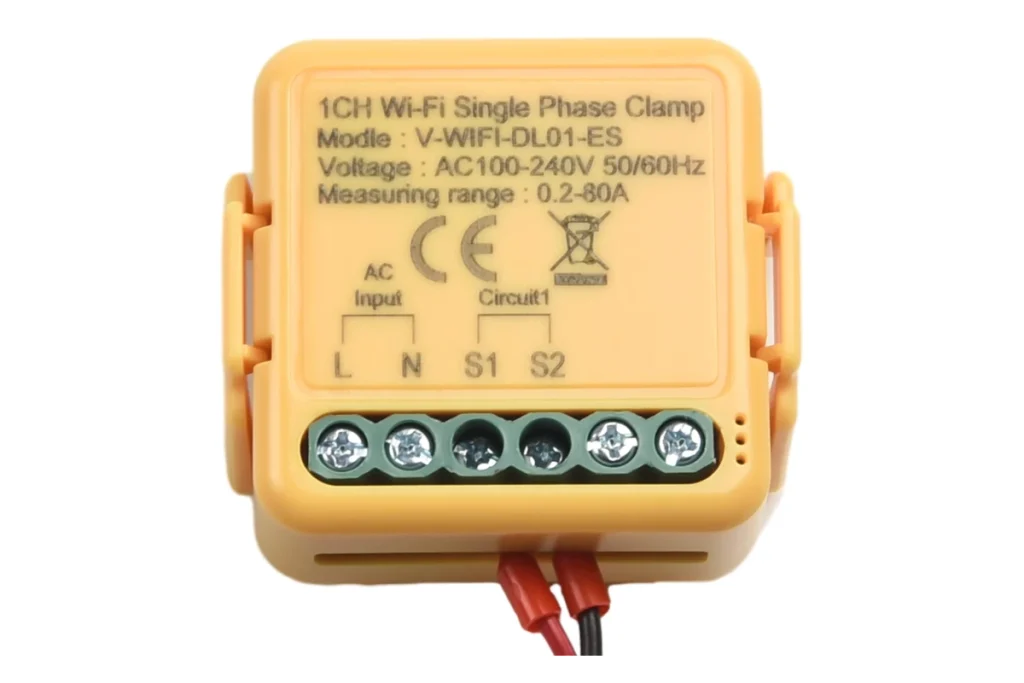
Energy costs continue to rise, driving consumer demand for real-time visibility into household power consumption. A smart home energy monitor attaches directly to a breaker panel or inline wall outlets, using non-invasive current transformer (CT) sensors to track electrical draw across individual circuits.
Key Features and Connectivity Options
The device samples current and voltage waveforms thousands of times per second to identify the distinct electrical signatures of appliances. Wi-Fi-enabled devices send this high-frequency telemetry to a cloud platform, where machine learning algorithms disaggregate power usage. Integrating local sub-GHz radios or Zigbee allows main hub units to interface with sub-meters placed across distant rooms.
Who Could Buy This Product?
Eco-conscious homeowners, rental property managers seeking utility efficiency, and solar power owners looking to optimize battery storage usage. This product category fits well into the broader market for connected consumer electronics aimed at lowering monthly utility overhead.
02 Smart Water Leak Detection Device
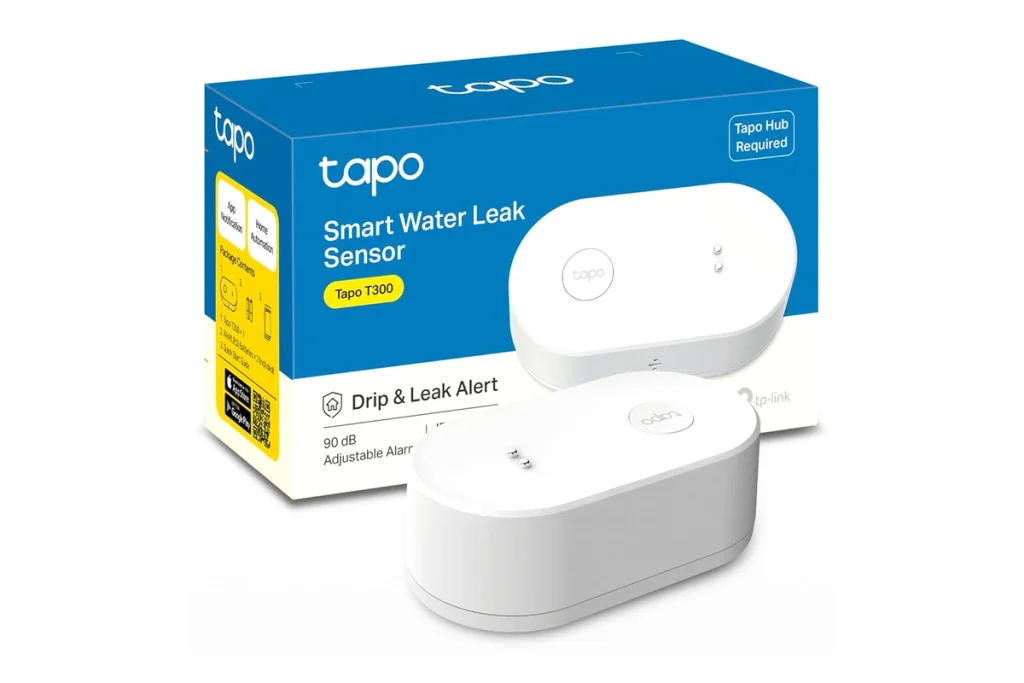
Water damage accounts for billions of dollars in annual property insurance claims. A smart water leak detector monitors fluid flow, pipe pressure, or localized surface moisture to detect plumbing failures before structural flooding occurs.
Sensors and Real-Time Alerts
These devices rely on gold-plated sensing probes for point-leak detection, alongside inline ultrasonic flow meters that track microscopic micro-leaks inside pressurized pipes. Low-power Wi-Fi or sub-GHz wireless connectivity ensures that the hardware can send instantaneous push notifications and trigger automatic shutoff valves when abnormal flow patterns appear.
Ideal Applications and Target Users
Homeowners, commercial building operators, and vacation home owners are primary buyers. Insurance companies often subsidize these connected home devices to mitigate catastrophic claim risks, creating B2B2C distribution channels for hardware founders.
03 Connected Pet Health Monitor
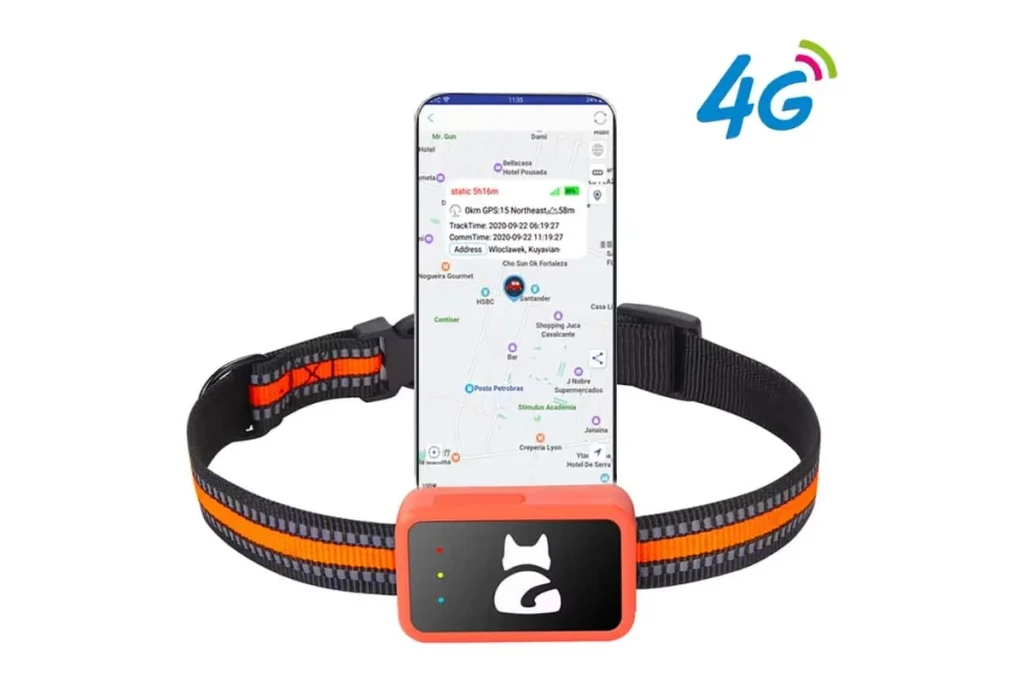
Pet owners treat their animals like family members, spending heavily on preventive care and wellness tracking. A connected pet health monitor integrates into a collar or harness to continuously gather biometrics and movement metrics.
Health, Activity and Location Tracking
By integrating multi-axis accelerometers, photoplethysmography (PPG) optical sensors, and thermal sensors, the device tracks resting heart rates, respiratory patterns, scratch intensity, and daily calorie expenditure. Using Bluetooth Low Energy (BLE) paired with mobile-connected hardware ensures long battery life while synching telemetry to a pet owner’s smartphone.
Opportunities for Pet-Tech Startups
This space offers high expansion potential for pet-tech startups. Hardware sales can easily anchor monthly subscriptions for personalized veterinary insights, dietary recommendations, and early disease detection alerts. These wearable connected devices represent a high-margin opportunity in consumer hardware.
04 Smart GPS Pet Tracker
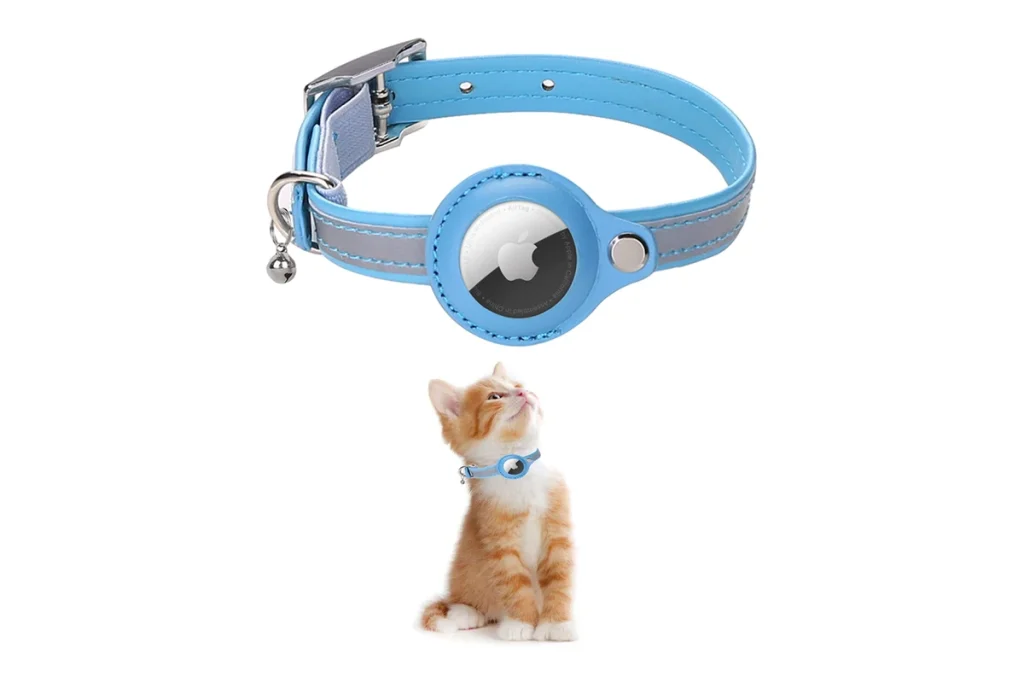
Unlike simple health collars, a dedicated smart GPS pet tracker focuses specifically on real-time location retrieval and geofencing to prevent lost pets.
GPS, Cellular and Bluetooth Connectivity
The underlying architecture relies on a hybrid positioning engine. Outdoor tracking utilizes multi-constellation GPS/GNSS receivers, while indoor location reverts to BLE beacon scanning to save battery. Multi-band cellular IoT devices (LTE-M and NB-IoT) transmit coordinates to the cloud even when the pet wanders miles away from home networks.
| Signal Source | Intermediate Processing | Transmission Gateway | Destination |
| GPS Satellites | GNSS Receiver | Microcontroller | Cloud / Mobile App |
| Indoor BLE Beacons | BLE Chipset | LTE-M / NB-IoT Modem | Cloud / Mobile App |
Subscription and Recurring-Revenue Opportunities
Hardware units are sold at an accessible price point, while cellular data access is monetized via monthly or annual service plans. This business model allows connected pet devices to generate consistent cash flow long after the initial product sale.
05 Connected Fitness Tracker
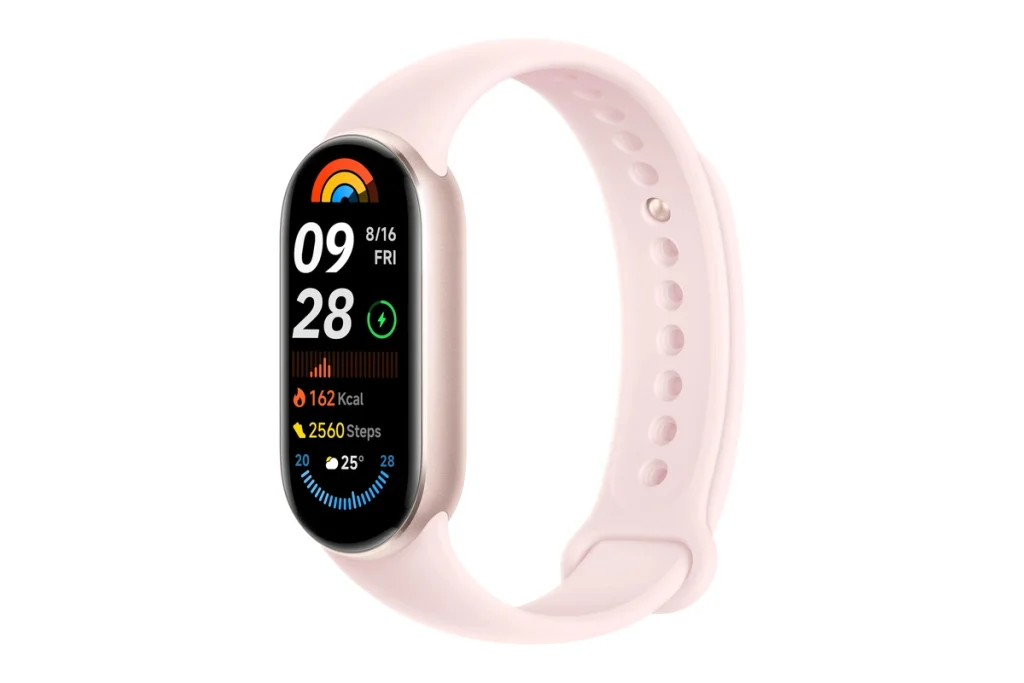
While mass-market smartwatches dominate generic fitness tracking, niche applications offer major opportunities for new hardware product ideas. Specialized wearables engineered for specific sports—like weightlifting, swimming, or combat athletics—provide far higher accuracy than broad consumer bands.
Activity and Wellness Monitoring Features
Specialized wearables feature high-g accelerometers, gyroscopes, skin temperature sensors, and galvanic skin response (GSR) modules to measure strain, exertion, and recovery. Precision algorithm design allows the board to isolate precise biomechanical movements, such as bar speed during a squat or stroke efficiency in a pool.
Hardware Considerations for Wearable Devices
Designing wearable connected devices requires strict miniaturization, rigid-flex printed circuit board (PCB) layouts, custom silicone enclosures, and IP68 water sealing. Managing power constraints through low-power MCU sleep states is paramount to guarantee multi-day battery duration on small lithium-polymer batteries.
06 Smart Sleep Monitoring Device
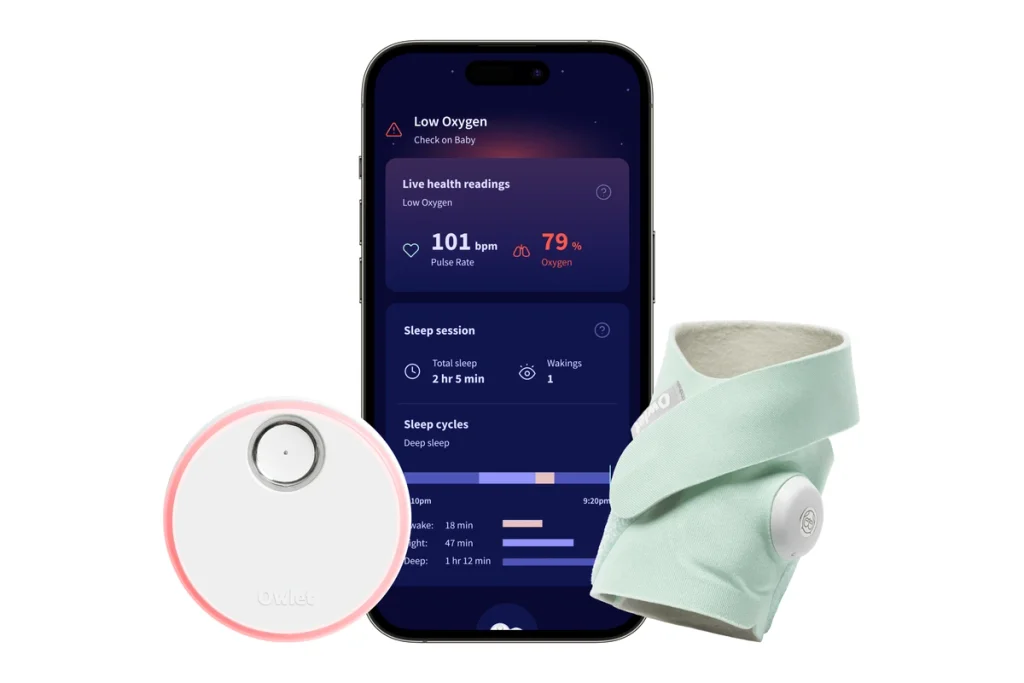
Non-wearable smart sleep monitoring devices capture sleep quality parameters without requiring the user to wear an uncomfortable watch or chest strap to bed.
Sleep Tracking Sensors and Data Collection
These systems sit under the mattress or on a nightstand, utilizing piezoelectric pressure sensors, ultra-wideband (UWB) radar, or high-precision microphones. They track micro-movements, heart rate variability (HRV), breathing patterns, ambient room temperature, and lighting levels.
Mobile App and Cloud Connectivity
Sensor data streams locally over BLE or Wi-Fi to a smartphone app, which syncs with cloud-connected devices to evaluate sleep staging (REM, deep, light). Hardware startups can package these analytics into customized sleep environment automation, signaling smart thermostats or lighting systems to adjust dynamically.
07 Connected Air Quality Monitor
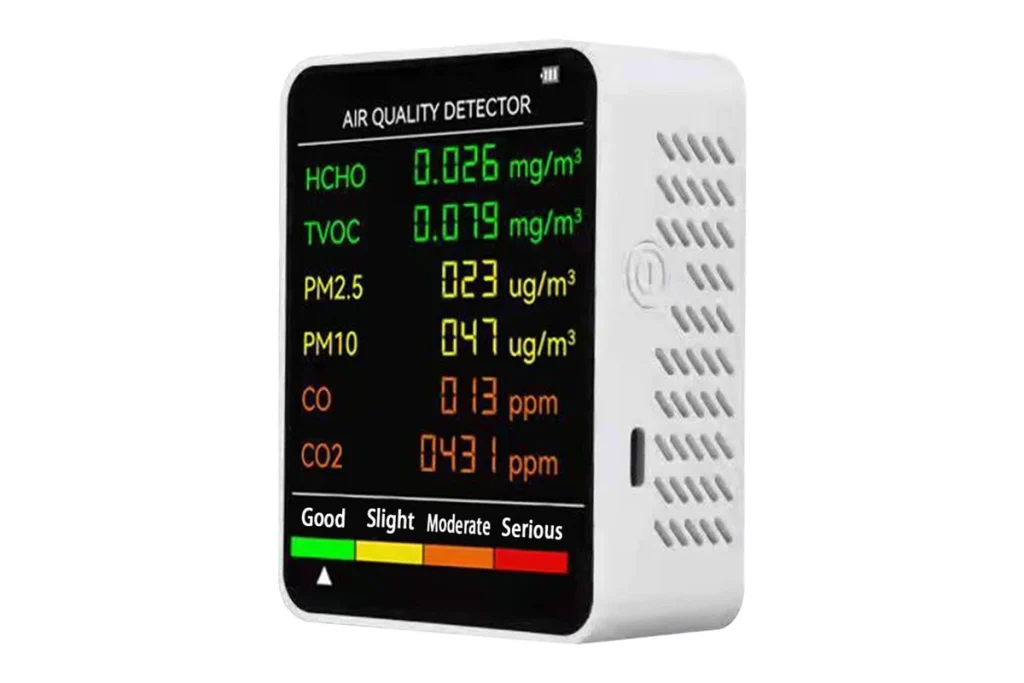
Indoor air quality significantly impacts cognitive performance, sleep, and long-term health. A connected air quality monitor provides clear visibility into unseen volatile organic compounds (VOCs), particulate matter, and dangerous gas concentrations.
Environmental Sensors Worth Integrating
Engineering a competitive air quality device involves integrating laser-scattering optical particulate sensors (for PM1.0, PM2.5, and PM10), photoionization or metal-oxide sensors (for VOCs), and non-dispersive infrared (NDIR) sensors for precise carbon dioxide measurement.
Indoor Air Quality Use Cases
These wireless connected devices serve residential bedrooms, schools, commercial offices, and cleanroom environments. Pairing local display screens with automated HVAC integrations helps property managers maintain optimal ventilation rates and meet health standards.
08 Smart Security Sensor
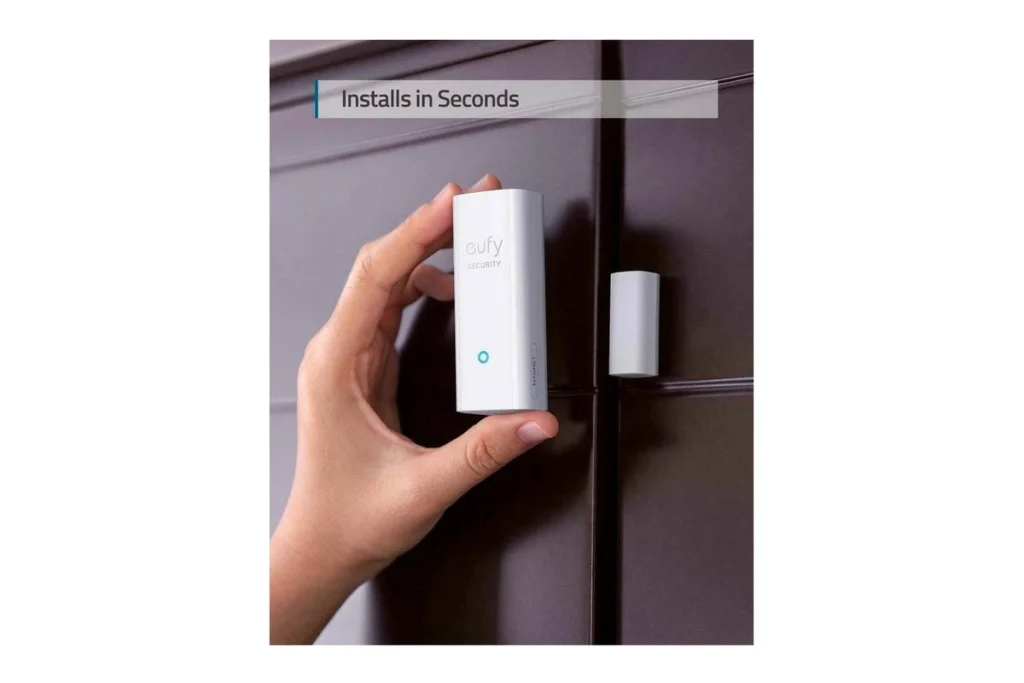
Traditional security systems rely on bulky, wired components. Modern smart security devices package multiple sensing capabilities into tiny, long-lasting wireless modules.
Motion, Door and Window Detection
A single unit can combine passive infrared (PIR) motion detection, Hall-effect magnetic contact sensing for doors or windows, and piezoelectric glass-break detection. This multi-sensor approach reduces false alarms while providing detailed perimeter coverage.
Wireless Connectivity and Alert Systems
Utilizing ultra-low-power protocols like Matter over Thread or Zigbee 3.0 allows these battery-powered units to run for several years on a single coin-cell battery. They communicate with central home gateways, firing immediate alerts to user phones or professional monitoring dispatch centers.
09 Connected Smart Lock
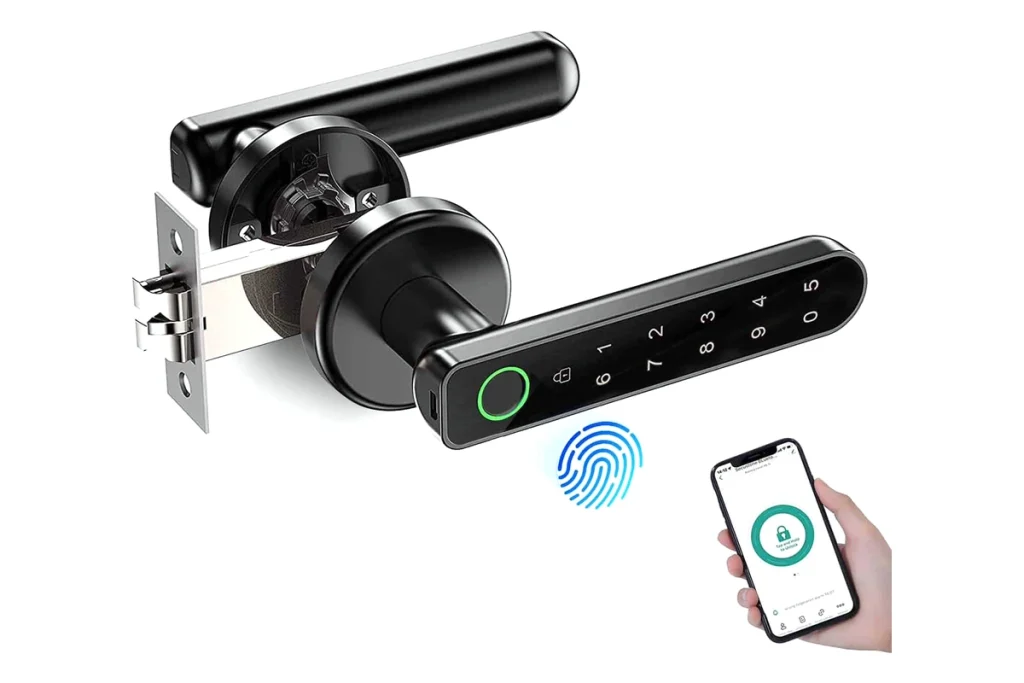
Smart locks represent one of the highest-value product categories within smart home products, transforming keyless entry across residential, rental, and commercial spaces.
Bluetooth, Wi-Fi and Other Access Technologies
A connected smart lock integrates motor-driven deadbolt mechanics with multiple entry pathways, including Bluetooth-enabled devices for auto-unlock, capacitive keypads, fingerprint scanners, and Wi-Fi bridging for remote access management.
Security and Reliability Considerations
Smart lock development demands strict hardware-level encryption, secure element ICs, and mechanical fail-safes. Hardware founders must balance power-hungry motorized deadbolts with long battery life to guarantee operation during power loss.
10 Smart Agriculture Sensor
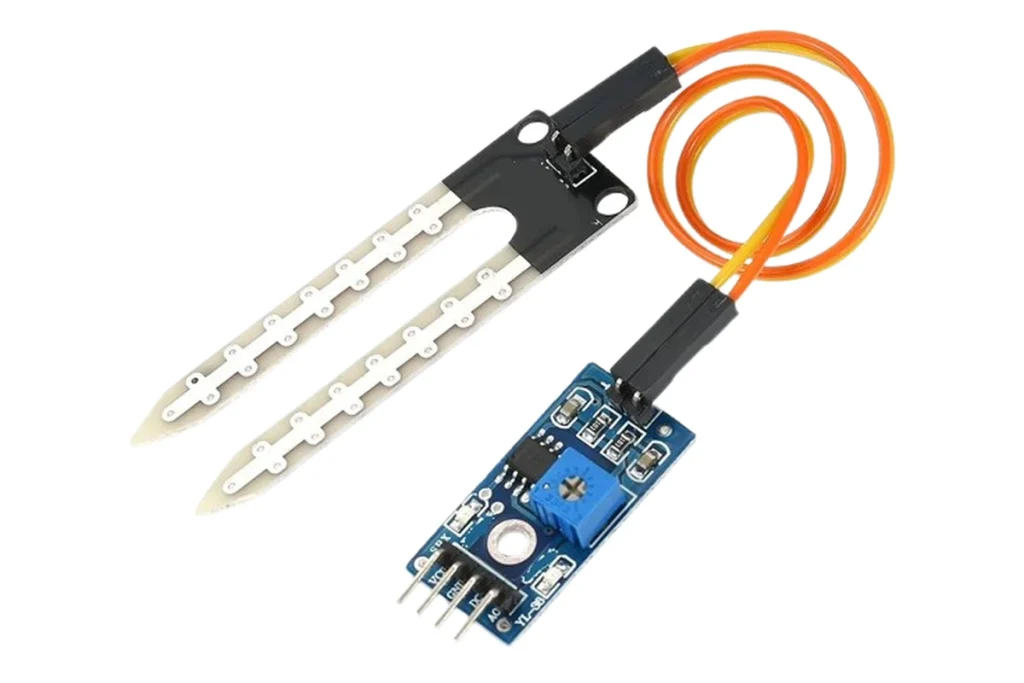
Modern farming relies on data-driven insights to maximize crop yields, conserve water, and lower fertilizer consumption. A smart agriculture sensor brings IoT capabilities into fields, greenhouses, and orchards.
Soil, Temperature and Moisture Monitoring
These ruggedized units use volumetric water content (VWC) probes, electrical conductivity (EC) sensors for soil salinity, and ambient light/temperature telemetry. Robust, UV-resistant weather enclosures and internal solar charging setups allow continuous field deployment.
IoT Applications in Precision Agriculture
Long-range, low-power communication networks like LoRaWAN enable wireless sensor-based devices to transmit data over several miles back to a central farm gateway. Farmers use this real-time data to automate irrigation valves, optimize fertilization timing, and defend against frost damage.
11 Connected Water Quality Monitor
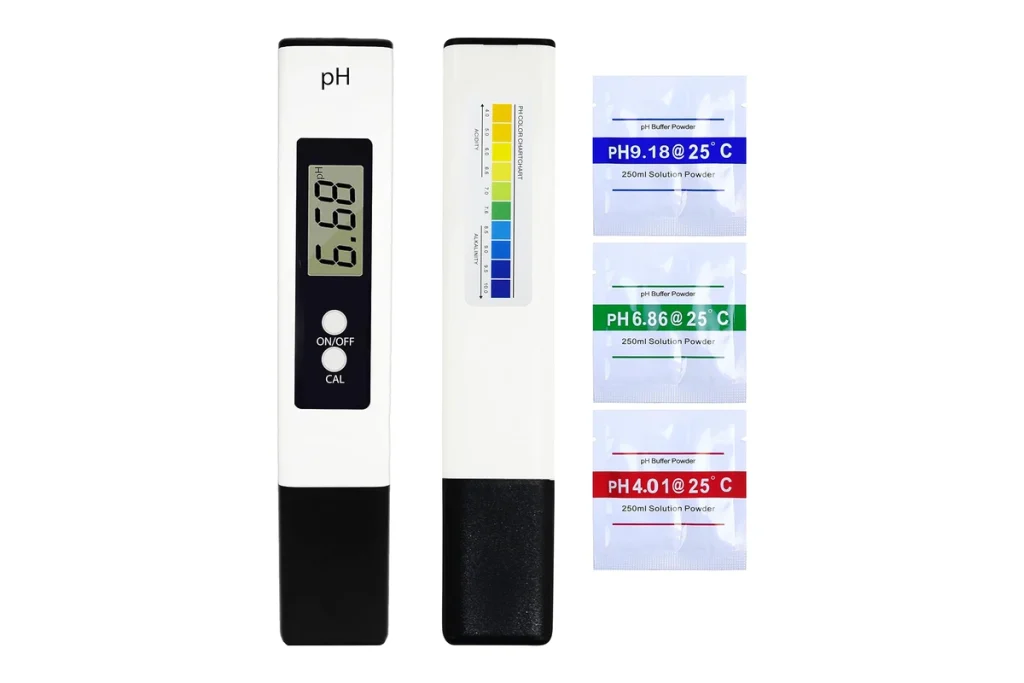
Water safety is a growing priority for swimming pools, residential drinking supply lines, commercial aquaponics, and municipal water utilities.
Parameters and Sensors to Monitor
A connected water quality monitor tracks key chemical indicators, including pH, oxidation-reduction potential (ORP), dissolved solids (TDS), temperature, and chlorine levels using electrochemical probes.
| Sensor Probe | Parameter Measured | Primary Application |
| Electrochemical pH | Acidity / Alkalinity | Pools & Agriculture |
| ORP Electrode | Sanitizer Levels | Water Disinfection |
| Optical Conductivity | Total Dissolved Solids | Drinking Water |
Residential and Commercial Applications
Automated testing eliminates manual chemical strip testing. Property owners receive actionable dosage recommendations on their mobile devices, while commercial operators maintain continuous regulatory compliance logs without costly manual labor.
12 Smart Asset Tracking Device
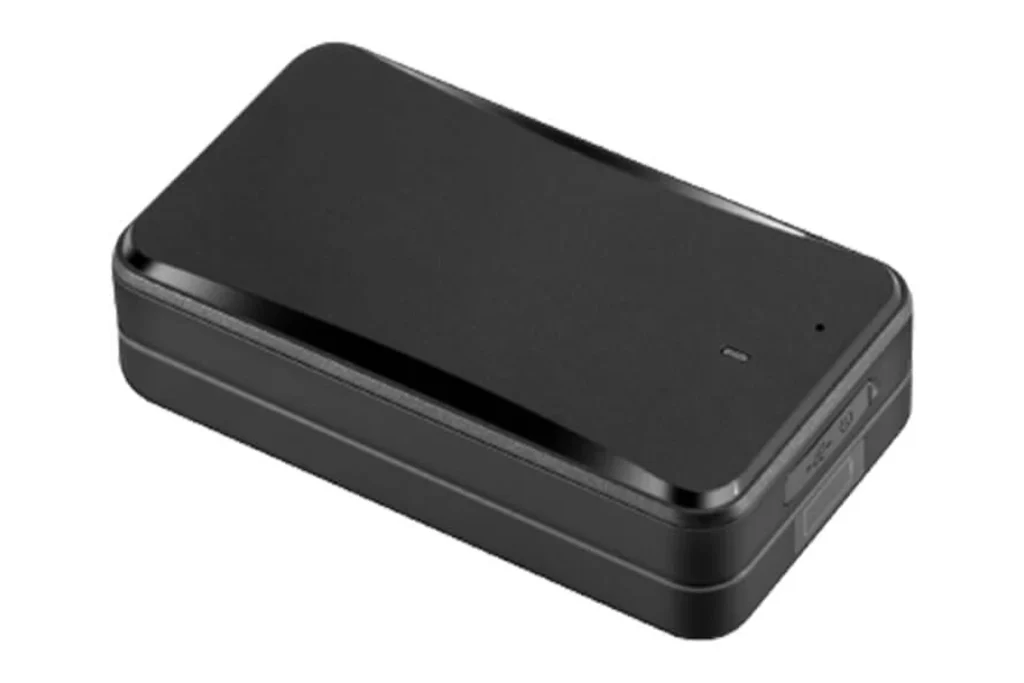
Logistics networks lose billions annually due to lost, misplaced, or stolen transit assets like trailers, high-value cargo containers, construction equipment, and returnable pallets.
GPS, Bluetooth and Cellular Tracking
A smart asset tracking device combines GNSS location technology with fallback cellular triangulation and local BLE beaconing. Ultra-low-power microcontrollers allow these devices to operate in field environments for years without manual recharging.
Asset Management Use Cases
Supply chain managers use these tracking units to trace shipment progress, set automated geofences around distribution hubs, and receive alerts if high-value assets move outside authorized operational zones.
13 Connected Industrial Sensor
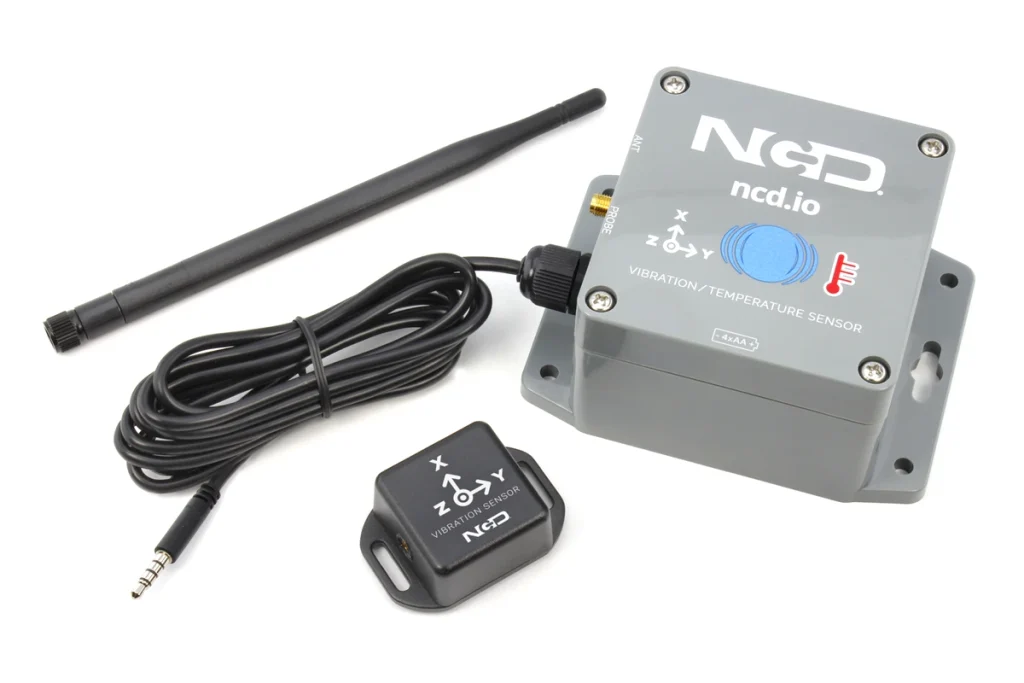
Industrial environments prioritize equipment uptime and worker safety. A connected industrial sensor monitors high-cost heavy machinery to prevent catastrophic mechanical failures.
Machine and Equipment Monitoring
Installed directly onto pumps, motors, gearboxes, and compressors, these smart industrial devices measure tri-axial vibration, surface temperature, current draw, and ultrasonic sound signatures during active machine operation.
Predictive Maintenance Opportunities
By analyzing real-time acoustic and vibration patterns against baseline healthy profiles, factory teams catch bearing wear and shaft misalignments weeks before equipment fails. Transitioning from reactive repairs to predictive maintenance saves industrial plant managers millions in unexpected downtime.
14 Smart Workplace Occupancy Sensor
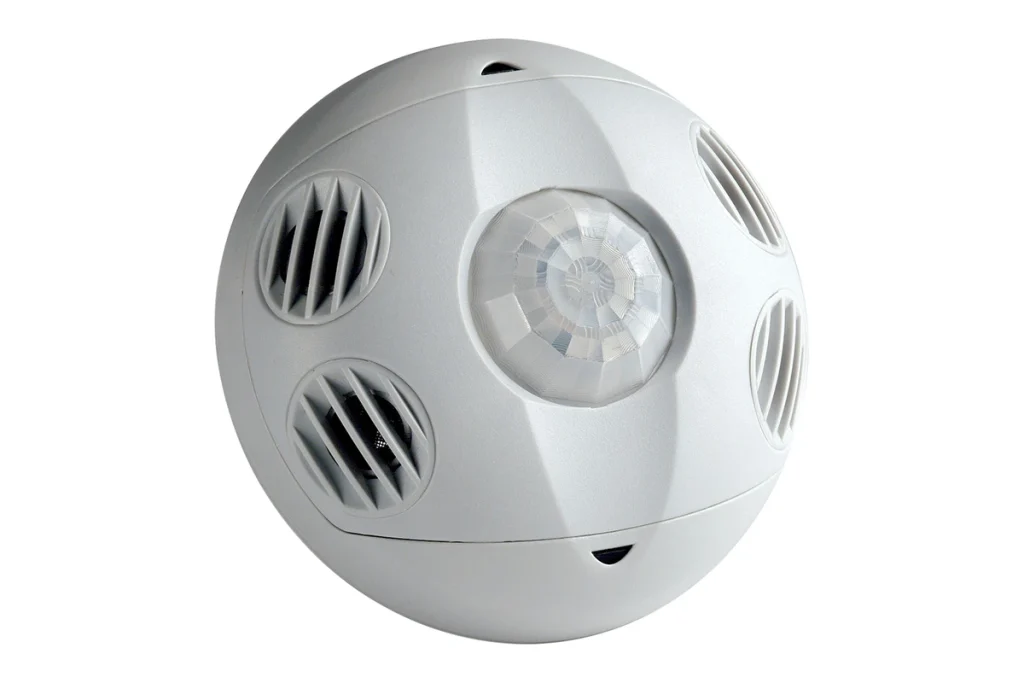
Commercial real estate managers need precise data regarding how office space, meeting rooms, and amenities are physically utilized throughout the work week.
Occupancy and Environmental Data Collection
Smart workplace occupancy sensors utilize thermal array sensors, time-of-flight (ToF) distance sensors, or micro-radar to count people without capturing personally identifiable video feeds. They simultaneously log room temperature, noise, and lighting metrics.
Smart Office and Building Applications
Facility managers use these smart sensor products to optimize desk allocations, automate room bookings, adjust HVAC zones dynamically based on real-time headcount, and reduce building energy consumption.
15 Connected Personal Safety Device
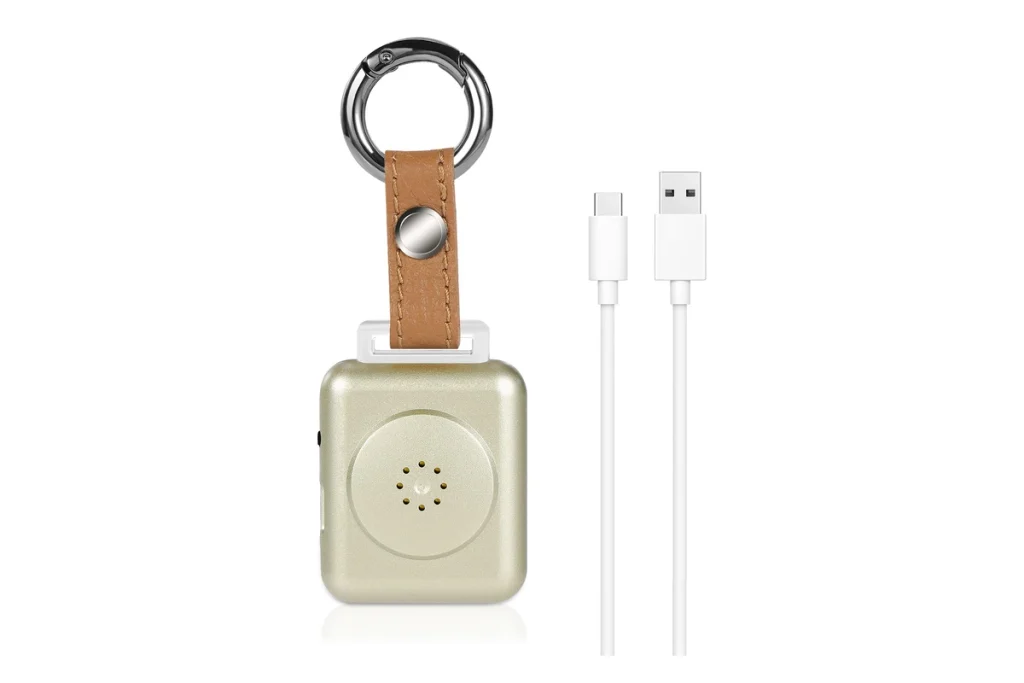
Personal security hardware provides individuals with immediate, discrete ways to request emergency assistance when mobile phones are inaccessible.
Emergency Alerts and Location Sharing
These compact devices take the form of keychains, wearables, or concealed clips. Pressing a tactile button sequence triggers an emergency alert via Bluetooth through a nearby smartphone or directly via onboard cellular IoT devices, transmitting live GPS tracking coordinates to designated emergency contacts.
Designing for Reliability and Ease of Use
Because personal safety equipment must work reliably during high-stress scenarios, hardware design demands haptic feedback, IP67 dust and water sealing, false-alarm prevention mechanisms, and battery efficiency.
16 Smart Medication Reminder Device
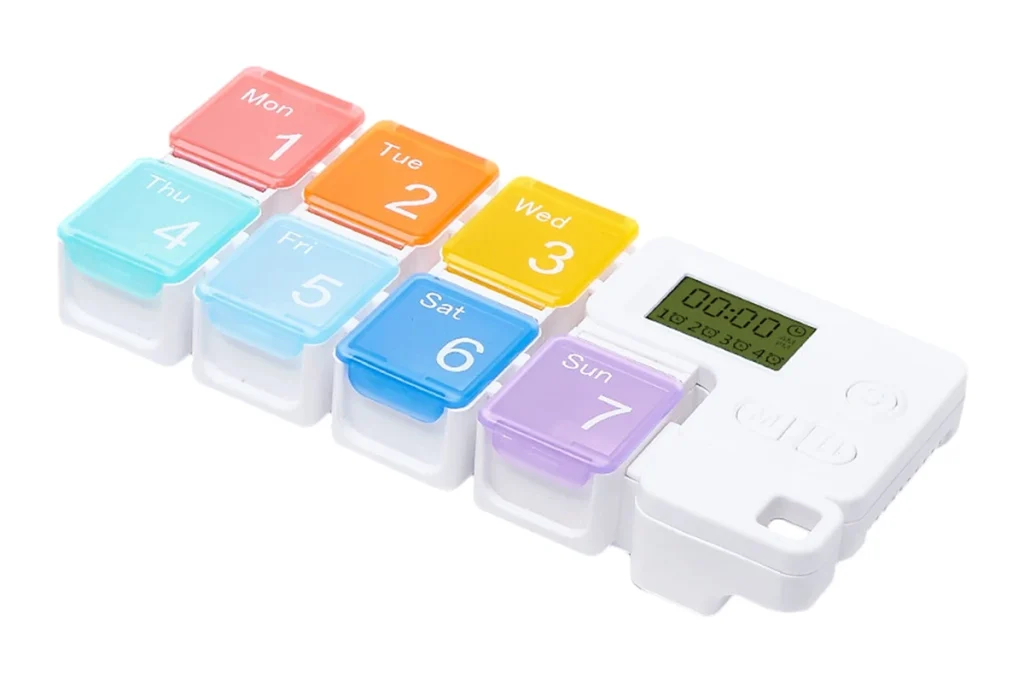
Medication non-adherence leads to severe health complications and preventable hospital readmissions. A smart medication reminder device helps chronic care patients stay compliant with prescribed treatment plans.
Reminder, Monitoring and Notification Features
These smart devices feature automated pill dispensing slots, capacitive touch sensors, lid-opening detectors, internal weight scales, audible tones, and LED indicators. When a dosage window arrives, the system prompts the user and logs when the pill compartment is opened.
Hardware Design Considerations
Engineering these connected health devices requires patient-centric ergonomic design, tamper resistance, reliable mechanical dosing drives, and secure cloud sync to notify family members or healthcare providers if a dose is missed.
17 Connected Vehicle Accessory
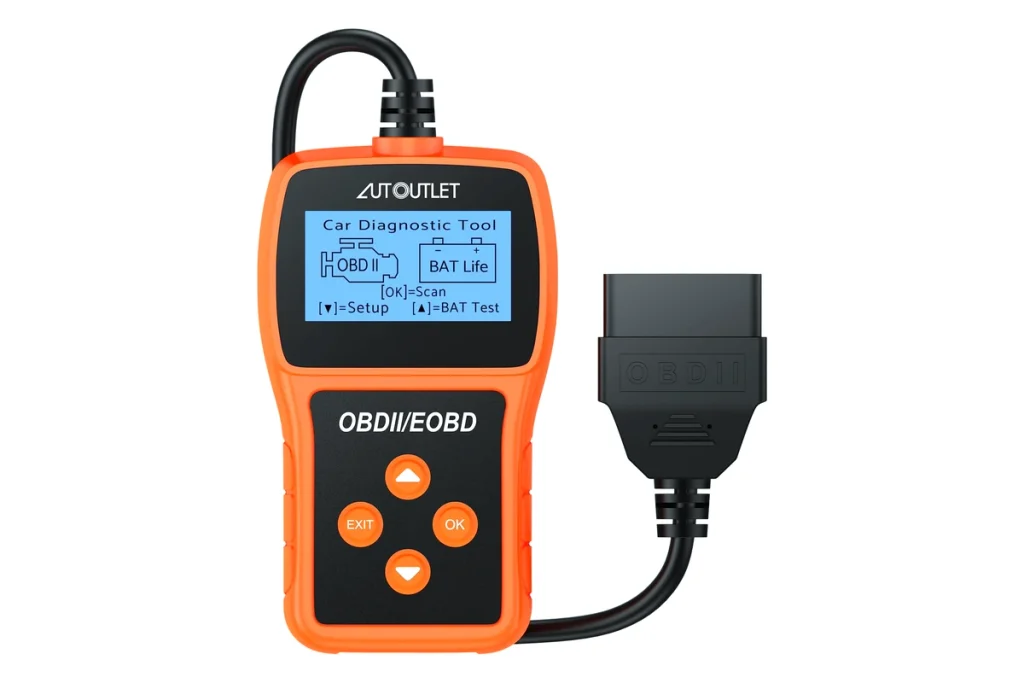
Automotive enthusiasts and fleet managers alike demand deeper diagnostic insight into vehicle health, driving performance, and fuel economy.
Vehicle Data and Connectivity Features
Plugging directly into a vehicle’s standard OBD-II port, a connected vehicle accessory reads CAN-bus data streams. It processes vehicle speed, engine RPM, diagnostic trouble codes (DTCs), fuel consumption, and battery health telemetry.
Opportunities in Automotive IoT
Using connected automotive devices allows startups to build specialized insurance telematics tools, automated driver coaching apps, or fleet maintenance dashboards. The steady power supply from the OBD-II port simplifies internal battery hardware constraints.
18 Smart Temperature Monitoring Device
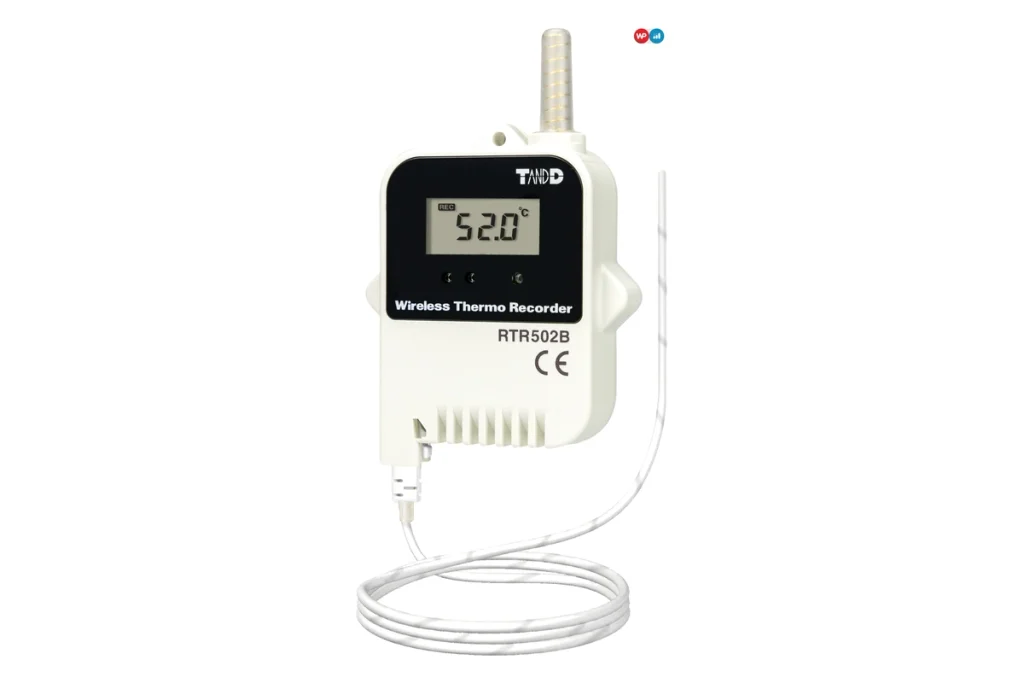
Temperature-sensitive inventory—such as vaccines, biologics, food service inventory, and fine wines—requires strict temperature regulation during storage and transport.
Remote Temperature Measurement
A smart temperature monitoring device utilizes high-accuracy digital temperature sensors and thermocouples. It logs thermal data locally while continuously broadcasting readings back to central dashboards over Wi-Fi, BLE, or cellular networks.
Applications Across Homes, Businesses and Industry
Commercial kitchens use these systems to automate health code compliance logging. Pharmaceutical distributors rely on them to prevent cold-chain breaches across distribution hubs, triggering visual and auditory alarms if ambient conditions breach specified thresholds.
19 Connected Package or Delivery Tracker
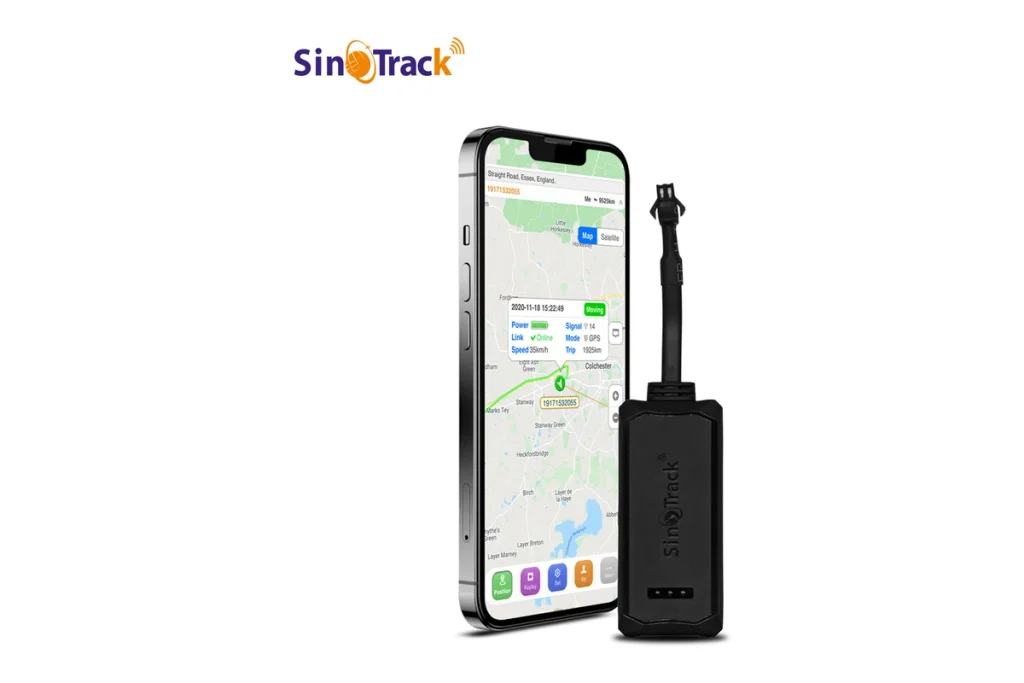
High-value logistics demands security that goes far beyond simple carrier tracking numbers. A connected package tracker is placed inside shipping crates or parcel boxes to track journey conditions in real time.
Location, Condition and Movement Monitoring
Equipped with 3-axis accelerometers, light sensors, humidity sensors, and thermal probes, the tracker registers drops, impacts, package tampering (light exposure), and temperature spikes during transit.
Logistics and Supply Chain Applications
Freight forwarders, pharmaceutical suppliers, and luxury goods brands deploy these tracking units to identify exactly where cargo damage occurred along complex global shipping corridors, reducing insurance dispute times.
20 Smart Personal Health and Wellness Device
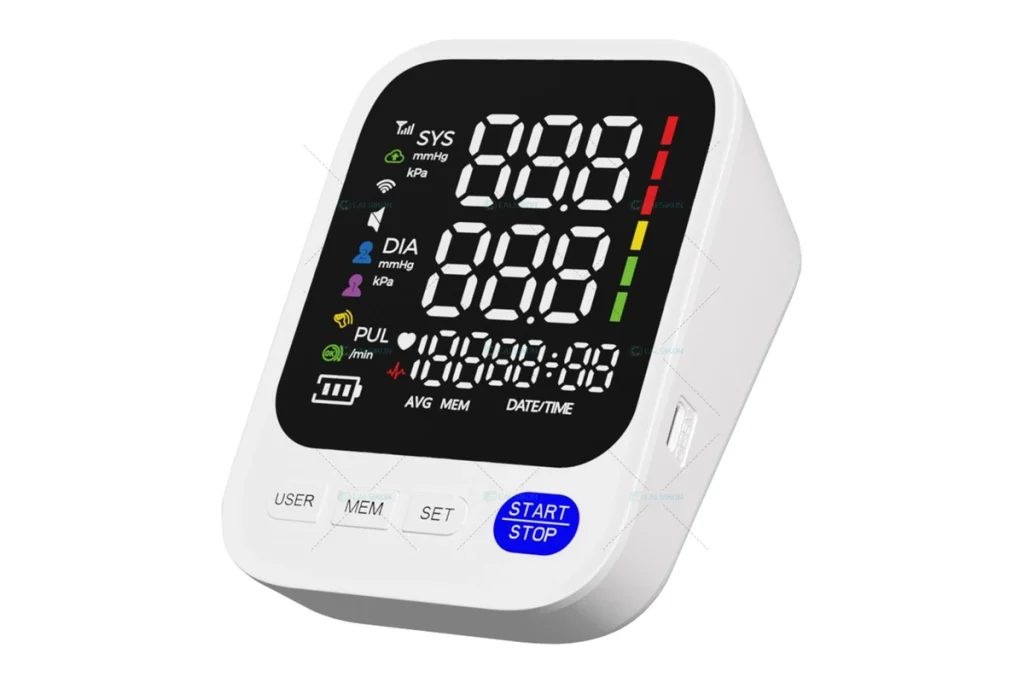
Consumers are actively taking control of their wellness metrics through accurate at-home measurement tools, opening massive markets for innovative electronic product ideas.
Sensors, Connectivity and User Data
Examples include smart otoscopes, connected body composition scales, posture-correcting back sensors, and digital stethoscopes. These devices use specialized sensors to collect physiological data and securely push metrics over encrypted BLE channels to cloud analytics engines.
Designing a User-Friendly Connected Health Product
Building smart technology products in the personal health space demands medical-grade plastics, physical ergonomics, simple multi-color status LEDs, and straightforward app pairing flows to support non-technical end users.
How to Choose the Right Connected Device Idea for Your Startup
Selecting the right hardware product ideas requires objective evaluation across technical, financial, and operational criteria.
Market Demand and Customer Pain Points
Ensure your hardware product addresses a painful, costly problem. Consumers and business clients pay top dollar for hardware that saves money, saves time, protects health, or mitigates major property risks. Validate customer willingness to pay through pre-orders, landing page tests, and target market interviews before making heavy tooling investments.
Hardware Complexity and Development Requirements
A product requiring custom optical lenses, waterproof moving mechanical parts, and low-noise analog signal conditioning carries higher development risks than a standard sensor unit using off-the-shelf plastic enclosures. Lean engineering teams should favor simple mechanical layouts for their initial product launch.
Connectivity, Sensors and Power Consumption
Choose wireless protocols based on environmental realities:
- BLE: Best for low power, short-range smartphone pairing.
- Wi-Fi: Ideal for high data throughput where continuous wall power is available.
- Cellular (LTE-M/NB-IoT): Mandatory for wide-area outdoor mobility where gateway routers are absent.
- LoRaWAN: Perfect for dense farm or industrial field sensors requiring multi-mile coverage on tiny batteries.
Target Manufacturing Cost and Retail Price
Calculate your unit economics backward from the competitive market retail price. A standard rule of thumb in hardware product development is that your retail price (MSRP) should be roughly 4x to 5x your fully loaded Bill of Materials (BOM) cost to maintain financial health across distribution channels.
Scalability and Long-Term Product Potential
Consider whether your physical hardware platform can unlock recurring software subscription revenue (SaaS), physical consumable reorders (like replacement air filters or water probes), or expanded accessory sales over time.
Related: PCB Design: Complete Guide to PCB Layout, DFM, Manufacturing & Assembly
Essential Technologies Behind Connected Hardware
Understanding the foundational hardware architecture allows founding teams to make smart technical tradeoffs early in the engineering lifecycle.
| Architecture Layer | Key Hardware / Software Modules | Function |
| Sensing / Actuation | Sensors & Actuators | Captures analog/digital real-world signals |
| Processing Unit | Microcontroller (MCU) | Executes embedded logic and sensor processing |
| Power System | Battery & PMIC | Manages voltage regulation and power allocation |
| Connectivity Layer | Radio Modules (BLE, Wi-Fi, Cellular, LoRa) | Transmits data wirelessly to gateways or networks |
| Cloud & User Interface | Cloud Platform, Mobile App, User Dashboard | Analyzes telemetry and presents actionable user insights |
Bluetooth, Wi-Fi, Cellular and LPWAN Connectivity
Choosing the correct radio system shapes battery life, physical enclosure size, and cloud operational fees. Modern SoCs (System-on-Chips) like Nordic Semiconductor’s nRF series or Espressif’s ESP32 combine microcontrollers and wireless radios on a single silicon die, drastically reducing overall BOM costs.
Sensors and Embedded Electronics
Modern MEMS (Micro-Electro-Mechanical Systems) sensors package complex physical measurement systems onto microscopic silicon chips. Selecting digital sensors with standard I2C or SPI communication interfaces streamlines PCB routing and firmware integration.
Microcontrollers and System Architecture
The microcontroller unit (MCU) acts as the brain of your connected product. ARM Cortex-M architecture processors offer exceptional computational efficiency and low power consumption states, allowing smart product ideas to run local processing algorithms without draining battery reserves.
Mobile Apps, Cloud Platforms and IoT Infrastructure
Hardware without reliable software is useless. Modern IoT architecture connects devices to cloud platforms like AWS IoT Core or Google Cloud IoT via MQTT or HTTPS messaging protocols, pushing data downstream to mobile user applications.
Battery Life and Power Management
Power budgeting determines battery cell sizing and enclosure physical dimensions. Incorporating specialized Power Management Integrated Circuits (PMICs) ensures battery longevity, efficient solar charging paths, and thermal management during high-current operation.
How to Turn a Connected Device Idea Into a Manufacturable Product
Transforming a rough physical concept into a polished commercial product demands a disciplined, multi-phase product engineering workflow.
| Development Stage | Stage Name | Main Objective |
| 1 | PRD & Architecture Definition | Document technical specifications and component selections |
| 2 | Industrial Design & PCB Schematic Layout | Establish aesthetic housing and layout electronic circuits |
| 3 | Proof of Concept (PoC) & Bench Testing | Validate core functional logic on dev boards |
| 4 | EVT (Engineering Validation Testing) | Test custom functional PCB and prototype enclosures |
| 5 | DVT (Design Validation Testing) | Verify production-grade tooling, environmental performance, and certifications |
| 6 | PVT (Production Validation Testing) | Validate assembly line yields at mass production speed |
| 7 | Mass Production | Scale volume manufacturing for commercial distribution |
Product Requirements and Technical Feasibility
Document all functional details in a clear Product Requirements Document (PRD). Define environmental operating conditions, target unit production cost, physical dimension boundaries, user interaction flows, battery life expectations, and regulatory compliance targets before laying out a single circuit trace.
Industrial Design and Mechanical Engineering
Industrial design (ID) establishes the physical look, feel, user ergonomics, and visual brand identity of your device. Mechanical engineers then translate those aesthetic 3D surface files into functional internal structures, defining wall thickness, snap fits, ribbing, boss mounts, and sealing gaskets designed for high-volume plastic injection molding.
Electronics and PCB Development
Electrical engineering starts with schematic capture—selecting individual component chips, passive resistors, capacitors, and connectors. Engineers then layout the multi-layer Printed Circuit Board (PCB), carefully separating sensitive analog sensor traces from noisy digital switching regulators and high-frequency RF radio circuits.
Firmware and Embedded Software
Firmware engineers write C/C++ code that executes directly on the MCU. They manage hardware pin configurations, power-saving sleep modes, sensor data sampling schedules, memory buffer management, and over-the-air (OTA) wireless firmware update protocols.
Prototype Development and Testing
Early prototype testing validates functional performance long before investing in expensive mass production tooling. Creating physical functional models isolates performance bugs while hardware design modifications remain fast and inexpensive.
Connected Device Prototype Development: From PoC to Production
Hardware prototyping progresses through distinct engineering stages to systematically eliminate risk before mass production.
Proof of Concept and Engineering Validation
A Proof of Concept (PoC) prototype proves that your core idea works technically. Usually built using development boards (such as Arduino, ESP32 dev kits, or Raspberry Pi), breadboards, and 3D-printed bench enclosures, PoCs focus purely on functional validation rather than aesthetics.
EVT: Engineering Validation Testing
The EVT phase builds the first custom PCB layout inside a prototype enclosure. EVT units (typically 10 to 50 pieces) test whether the custom electronics, sensor arrays, power supplies, and mechanical layout perform correctly together under real-world operating conditions.
DVT: Design Validation Testing
DVT units (typically 50 to 200 pieces) use final enclosure materials produced from temporary rapid tooling or early production injection molds. This stage verifies that the physical product meets strict cosmetic tolerances, environmental ingress protection (IP ratings), drop testing, thermal limits, and regulatory certification requirements.
PVT: Production Validation Testing
PVT is the final test run (typically 100 to 500+ units) conducted directly on the main factory production line using full production tooling, assembly fixtures, and automated test equipment. PVT verifies factory line yields, cycle times, and assembly procedures before approving full-scale mass manufacturing.
Related: Product Design Explained: How to Turn Your Idea into a Manufacturable Product (2026)
Manufacturing Considerations for Connected Devices
Moving from working prototypes to mass production requires thorough preparation across manufacturing operations and supply chains.
Design for Manufacturing and Assembly
Applying rigorous DFM principles during early mechanical layout minimizes part counts, eliminates complex undercut mold geometries, ensures uniform wall thickness to prevent sink marks, and streamlines assembly. Designing hardware for simple top-down assembly accelerates factory throughput and reduces labor costs.
Component Sourcing and Supply Chain Planning
Select components from established global distributors with clear long-term production availability. Single-sourced custom chips introduce severe supply chain risks; choosing mainstream components with pin-compatible second-source alternatives protects your production schedule against component shortages.
Tooling, Enclosures and Production Fixtures
Steel and aluminum injection molds represent the single largest capital expenditure for hardware startups. Working closely with experienced tooling managers ensures proper gate placements, cooling line routing, draft angles, and ejector pin positions, preventing costly mold rework after steel is cut.
| Enclosure Type | Upfront Tooling | Per-Unit Piece Cost |
| 3D Printing / SLS | $0 | High ($15 – $50+) |
| CNC Machining | $0 | Moderate ($20 – $80) |
| Soft Molds (Aluminum) | Low ($3,000 – $8,000) | Moderate ($3 – $8) |
| Steel Production Tooling | High ($15,000 – $50,000+) | Low ($0.50 – $3.00) |
Pilot Production and Quality Control
Running a dedicated pilot production batch allows factory engineers to create custom functional test fixtures (pogo-pin beds), set up firmware flashing stations, calibrate optical and RF sensors, and define clear incoming quality control (IQC) and final quality control (FQC) standards.
Scaling From Small Batch to Mass Production
Scaling production requires balancing working capital with manufacturing efficiency. Transitioning smoothly from initial 1,000-unit pilot runs up to 100,000-unit monthly mass production runs demands disciplined cash flow planning, component buffer inventory management, and tight factory partner communication.
Certifications and Compliance for Connected Devices
Bringing physical wireless hardware to global commercial markets requires mandatory regulatory approvals.
Wireless and Radio Certification Requirements
Any product featuring intentional wireless radiators (Bluetooth, Wi-Fi, Cellular) must pass regulatory radio frequency testing:
- FCC (United States): FCC Part 15 subpart C compliance for intentional radiators.
- CE RED (Europe): Radio Equipment Directive testing for European market access.
- ISED (Canada): Innovation, Science and Economic Development wireless approval.
Using pre-certified radio modules allows startups to perform simplified unintentional radiator testing, saving tens of thousands of dollars in laboratory certification fees.
Electrical and Product Safety Considerations
Consumer hardware must satisfy electrical safety standards like UL (Underwriters Laboratories) or IEC/EN 62368-1. Testing verifies electrical insulation, flame resistance of plastic enclosures, and circuit protection under abnormal short-circuit conditions.
Battery and Transportation Requirements
Products utilizing lithium-ion or lithium-polymer batteries must pass UN 38.3 transport testing to prove safety during commercial air cargo transit. Furthermore, battery management circuits must comply with IEC 62133 safety mandates to prevent thermal runaway risks.
Regional Compliance for Global Markets
Global distribution requires compliance with environmental directives, including RoHS (Restriction of Hazardous Substances), REACH (chemical safety), and WEEE (e-waste recycling compliance) across European and international markets.
Related: EMS Electronic Manufacturing Explained: From Design to Mass Production (2026)
Common Challenges When Developing Connected Hardware
Hardware development presents distinct engineering hurdles that require proactive management.
Managing Hardware and Software Integration
Hardware and firmware development cycles run at different speeds. Establishing clear interface control documents (ICDs), building hardware abstraction layers (HALs), and using hardware-in-the-loop simulation rigs allows software teams to write code while physical PCB revs are being fabricated.
Connectivity Reliability and Interoperability
Real-world wireless environments are crowded with RF interference from microwave ovens, competing Wi-Fi networks, and structural concrete walls. Incorporating robust mesh protocol fallbacks, local data caching on onboard flash memory, and smart reconnection routines prevents data loss during signal dropouts.
Battery Life and Thermal Management
Inadequate power budget management drains battery reserves rapidly. Engineers must actively optimize MCU sleep modes, disable unused peripheral sensors, minimize radio transmission duration, and incorporate thermal dissipation pads to handle peak power spikes safely.
Component Availability and Supply Chain Risks
Global component lead times can fluctuate unexpectedly. Maintaining an updated Bill of Materials with qualified alternative passive components and secondary IC equivalents prevents production line stoppages when market component shortages strike.
Controlling Development and Manufacturing Costs
Uncontrolled scope creep during engineering phase shifts increases development costs exponentially. Define your baseline feature set early, freeze hardware revisions prior to EVT, and avoid non-essential physical design changes once injection tooling build stages begin.
How Much Does It Cost to Develop a Connected Device?
Understanding capital allocation allows founding teams to plan realistic fundraising runways.
Factors That Influence Product Development Cost
Overall development budgets depend heavily on architectural complexity:
- Simple Sensor Unit (Off-the-shelf enclosure, standard BLE): $30,000 to $75,000
- Mid-tier Custom Hardware (Custom plastic injection molding, multi-sensor PCB, custom app): $100,000 to $300,000
- High-complexity Device (Custom optics, waterproof mechanical assemblies, cellular IoT, strict certifications): $500,000 to $1,500,000+
Prototype vs Pilot vs Mass Production Costs
| Development Phase | Typical Cost Range (USD) |
| Engineering & Design | $40,000 – $150,000 |
| Prototypes (PoC / EVT / DVT) | $15,000 – $50,000 |
| Tooling & Molds | $15,000 – $60,000 |
| Regulatory Certifications | $10,000 – $40,000 |
| Initial Pilot Production | $20,000 – $100,000 |
Upfront costs lean heavily toward NRE (Non-Recurring Engineering) expenses, industrial design, schematic design, firmware architecture, and steel tooling. Per-unit piece costs drop significantly once production volumes scale into thousands of units.
How Startups Can Control Hardware Development Costs
Startups preserve capital by leveraging pre-certified wireless modules, utilizing standard off-the-shelf plastic enclosures for early pilot validation sales, relying on modern rapid prototyping techniques, and partnering with experienced integrated manufacturing firms.
How to Choose an OEM or ODM Connected Device Manufacturer
Selecting the right manufacturing partner shapes your product’s unit margins, build quality, and delivery schedules.
Engineering and Product Development Capabilities
Evaluate whether a factory offers full internal engineering teams across industrial design, mechanical engineering, PCB layout, and firmware development, or whether they act purely as a passive assembly shop. Integrated engineering capabilities streamline Design for Manufacturing feedback loops.
Prototype-to-Mass-Production Support
Your manufacturing partner must handle the full journey smoothly—from low-volume rapid engineering prototypes through pilot validation runs down to high-volume automated SMT assembly lines and final box-build packaging.
Supplier and Component Management
Top manufacturing partners maintain deep relationships with global component distributors and raw material suppliers, leveraging volume buying power to negotiate lower unit prices and secure component allocations during industry shortages.
Quality Assurance and Production Controls
Inspect factory certifications (ISO 9001, ISO 13485 for medical products, IATF 16949 for automotive hardware). Verify that the factory uses automated optical inspection (AOI), in-circuit testing (ICT), functional testing rigs, and burn-in rooms during active production.
Communication, IP Protection and Ownership
Ensure your manufacturing partner signs non-disclosure agreements (NDAs) and clear IP ownership contracts. Transparent communication channels, weekly engineering status calls, and complete client ownership of design files (schematics, Gerber files, CAD models, firmware code) are conditions to require.
Why Precintl Is an End-to-End Partner for Connected Device Development
Building connected physical hardware requires coordination between creative design, precise electrical engineering, and disciplined factory operations.
From Product Concept to Production
At Precintl, we bridge the gap between creative hardware product concepts and scalable mass manufacturing. Our integrated engineering team handles complete product lifecycles—taking your raw idea from initial architectural sketch, industrial design, and schematic layout directly through to finished box-build manufacturing.
Integrated Engineering and Manufacturing Support
By combining mechanical, electrical, firmware, and manufacturing engineers under one roof, Precintl eliminates the friction that occurs when handoff gaps exist between independent design agencies and distant factories. We execute early DFM reviews directly during initial PCB layout and CAD modeling, avoiding costly redesign loops down the road.
Flexible OEM and ODM Solutions for Startups
Whether you require complete custom turnkey engineering from scratch (ODM) or want to adapt proven reference designs to accelerate speed-to-market (OEM), Precintl delivers flexible manufacturing partnerships tailored specifically to hardware startup budgets and scaling timelines.
Designing Connected Products for Scalable Manufacturing
We focus heavily on manufacturing efficiency right from day one. Our engineering team selects cost-effective, long-lifecycle components, optimizes mechanical assemblies for fast factory throughput, manages international regulatory testing, and builds custom automated test fixtures to guarantee product quality at high volume.
Connected Device Development Checklist for Hardware Startups
Use this checklist to monitor your team’s progress through key engineering and manufacturing milestones:
Product and Market Validation
Hardware and Connectivity Requirements
Prototype and Testing Requirements
Manufacturing and Supply Chain Readiness
Certification and Market-Launch Preparation
Final Thoughts: Choosing and Building the Right Connected Product
Launching a physical hardware startup remains one of the most rewarding paths in modern technology. By identifying concrete real-world problems, selecting smart technical architectures, maintaining financial controls, and choosing an experienced manufacturing partner like Precintl, your founding team can bring hardware products to market efficiently.
Frequently Asked Questions About Connected Device Ideas
01 What are the best connected device ideas for startups?
The best hardware ideas combine high customer utility with low mechanical and electronic complexity. Categories such as smart energy monitors, asset trackers, ambient air quality monitors, smart pet health trackers, and predictive industrial vibration sensors offer strong market demand, manageable BOM costs, and natural recurring subscription revenue models.
02 How much does it cost to develop a connected device?
Developing a connected hardware product typically ranges from $50,000 for simple BLE devices using pre-existing enclosures up to $300,000+ for custom-molded, multi-sensor hardware featuring custom mobile apps and certifications. Partnering with an experienced ODM partner cuts development overhead by avoiding engineering mistakes.
03 How long does it take to develop an IoT hardware product?
A typical connected hardware development cycle takes between 9 to 18 months from initial concept to commercial mass production. The timeline includes PRD definition (1 month), industrial and PCB design (2-3 months), prototyping EVT/DVT phases (3-5 months), injection tooling build (2-3 months), regulatory compliance testing (1-2 months), and PVT pilot production runs (1-2 months).
04 What is the difference between an IoT device and a connected device?
A connected device refers broadly to any physical hardware unit that communicates with external systems via wireless protocols like Bluetooth, Wi-Fi, or cellular networks. An IoT (Internet of Things) device specifically refers to hardware that connects to the global internet—often through cloud services and web databases—to collect, analyze, transmit, and execute data-driven actions automatically without manual human intervention.
05 Can an OEM/ODM manufacturer design a custom connected device?
Yes. An experienced ODM (Original Design Manufacturer) like Precintl provides end-to-end design and engineering support. This includes industrial design, mechanical CAD modeling, PCB electrical engineering, firmware programming, rapid prototyping, regulatory certification support, custom tooling, and full mass production.
06 What certifications are required for connected hardware?
Most global markets mandate wireless radio certifications (FCC in the United States, CE RED in Europe, ISED in Canada). Products containing lithium batteries require UN 38.3 transportation testing and IEC 62133 safety certification. Electrical safety (UL/IEC 62368-1) and environmental directives (RoHS, REACH, WEEE) are also standard requirements for global retail sale.
07 How can startups manufacture connected devices at scale?
Startups scale production by implementing strict Design for Manufacturing (DFM) guidelines early, sourcing components with established lead times, locking in high-quality injection tooling, building automated functional test fixtures, and partnering with an experienced manufacturing partner capable of managing pilot production runs and scaling into mass manufacturing.