Discover top IoT product ideas for startups in 2026. Learn how to transform connected device concepts into scalable, manufactured products with Precintl’s engineering and manufacturing services. Contact us today to bring your hardware to life!
Turn Your IoT Idea Into a Market-Ready Product
How IoT Is Creating New Opportunities for Startups
Hardware innovation has shifted dramatically. Lower silicon costs, low-power microcontrollers, advanced cloud architectures, and accessible edge AI IoT devices allow early-stage teams to create custom IoT devices that solve focused, high-value problems. High-performance wireless protocols—such as Bluetooth Low Energy (BLE), Wi-Fi 6, NB-IoT, and LTE-M—give startup founders direct avenues to enter markets once dominated by multi-billion-dollar conglomerates.
Startups hold a structural advantage over legacy manufacturers: speed. By identifying niche user friction points and working alongside an experienced IoT product development company, small teams can rapidly engineer, test, and ship specialized hardware to market long before larger entities adapt.
What Makes an IoT Product Worth Building?
Building connected device ideas purely for the novelty of internet connectivity leads to market failure. A viable product must fulfill clear operational and economic criteria:
- High ROI or Pain Relief: The device solves an immediate, quantifiable problem—such as preventing water damage, cutting industrial downtime, or reducing energy bills.
- Recurring Revenue Potential: Hardware combined with SaaS data dashboards transforms one-off hardware buyers into long-term subscribers.
- Manufacturability & Margins: The Bill of Materials (BOM) allows healthy unit margins while using components optimized for mass production.
- Technical Feasibility: The architecture balances power consumption, sensor accuracy, processing demands, and network coverage without unnecessary complexity.
| Core Viability Matrix for IoT | |
|---|---|
| Criteria | Hardware Objective |
| Clear ROI / Pain Relief | Measurable cost savings or risk reduction |
| Recurring Revenue Potential | Integrated hardware + SaaS model |
| Optimized BOM & DFM | >50% gross margin target |
| Scalable Architecture | Proven connectivity & sensor choices |
How to Choose the Right IoT Product Idea for Your Market
Matching an idea with market demand requires rigorous validation. Analyze existing industrial or consumer workflows to pinpoint structural inefficiencies. Focus on markets where manual monitoring is costly, error-prone, or dangerous. Review current regulatory mandates, such as building energy compliance laws or cold chain safety protocols, as these create immediate buyers. Align your team’s industry domain knowledge with a viable business model before committing engineering capital to physical prototype creation.
Related: 50 Innovative Electronic Product Ideas to Manufacture in 2026
30 Innovative IoT Products Startups Can Build in 2026
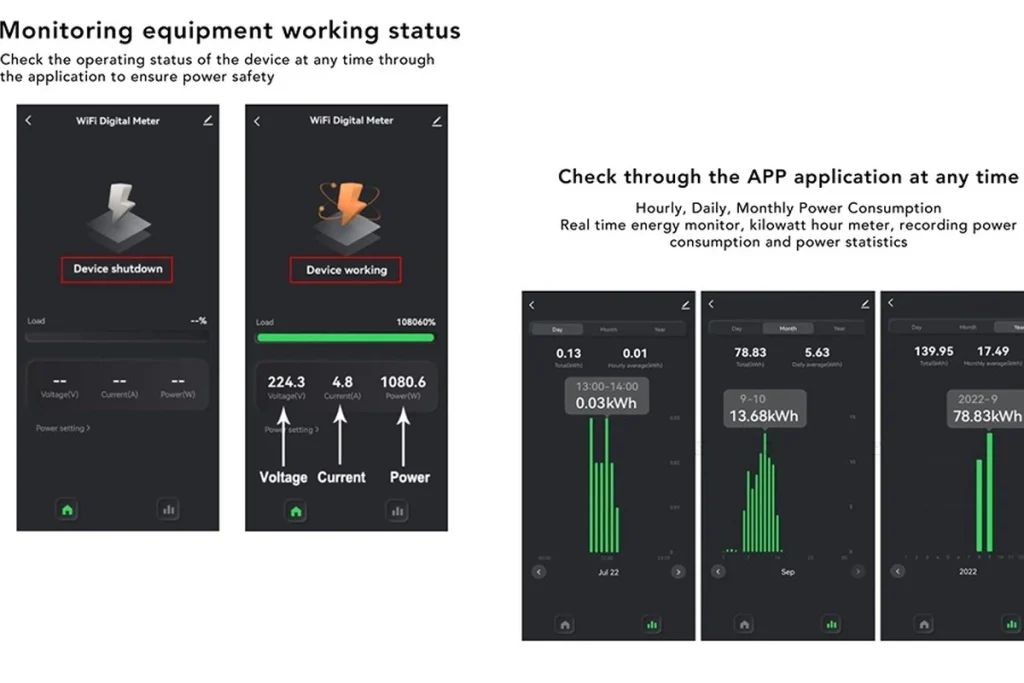
1. Smart Home Energy Monitor
- Core Function: Clamps onto residential circuit breaker panels to track real-time electricity usage across individual circuits.
- Hardware & Connectivity: Current transformer (CT) clamp sensors, custom main board with power metering ICs, Wi-Fi IoT devices architecture.
- Business Opportunity: Sells directly to homeowners and property managers focused on curbing utility bills and detecting faulty appliances.

2. AI-Powered Smart Pet Tracker
- Core Function: Monitors pet location, movement metrics, and health signs in real time.
- Hardware & Connectivity: Low-power GPS module, 3-axis accelerometer, cellular IoT devices modem (LTE-M/NB-IoT), BLE, lithium-polymer battery.
- Business Opportunity: Subscription-based hardware for pet owners demanding reliable outdoor tracking and preventative health alerts.
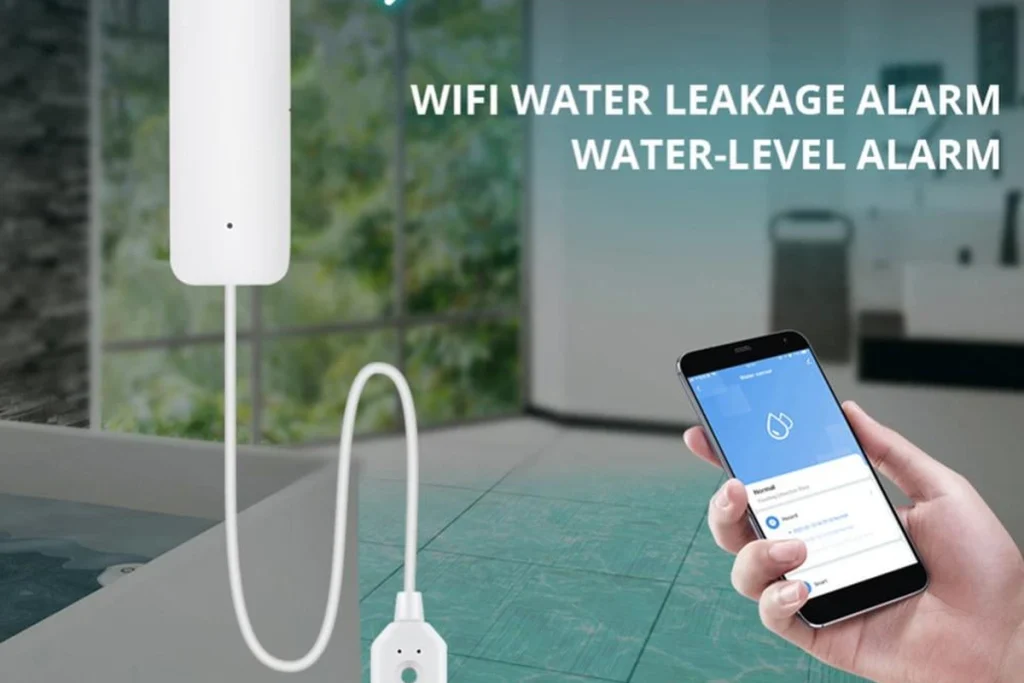
3. Smart Water Leak Detection Device
- Core Function: Identifies micro-leaks, pipe bursts, and freezing temperatures in residential or commercial plumbing.
- Hardware & Connectivity: Inline ultrasonic flow sensors, motorized ball valve, LoRaWAN or Wi-Fi connectivity.
- Business Opportunity: Targets homeowners and property insurers seeking to prevent catastrophic water damage costs.
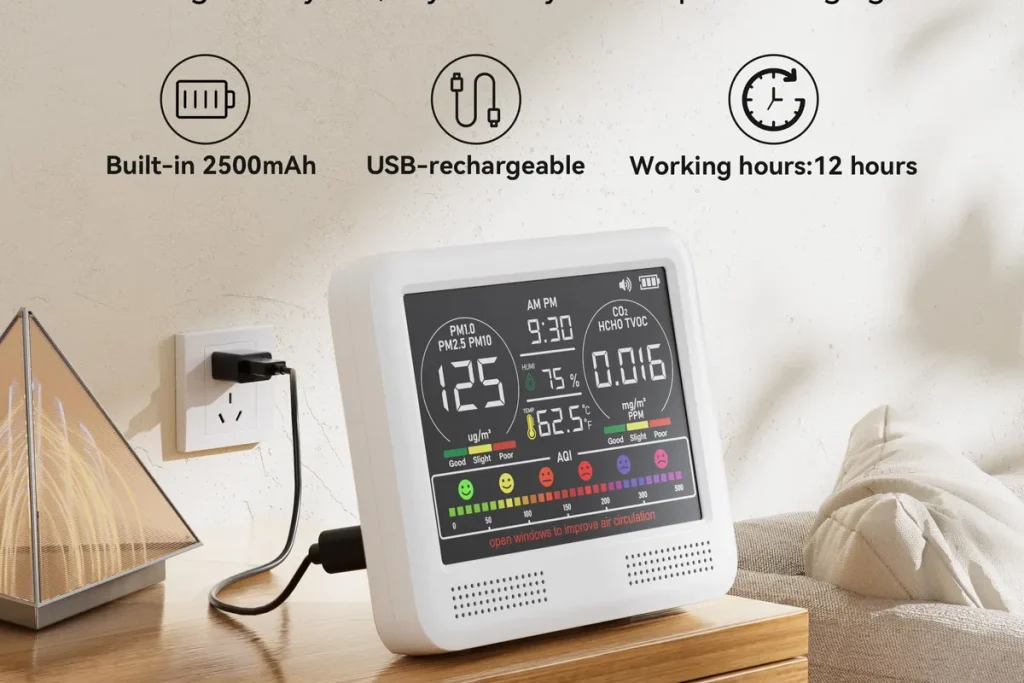
4. Connected Air Quality Monitor
- Core Function: Measures indoor particulate matter ($PM_{2.5}$, $PM_{10}$), total volatile organic compounds (TVOC), $CO_2$, temperature, and humidity.
- Hardware & Connectivity: Laser NDIR $CO_2$ sensor, metal-oxide gas sensor, optical particle counter, Wi-Fi/BLE module.
- Business Opportunity: Serves commercial offices, schools, and health-conscious homeowners adhering to modern indoor environmental standards.
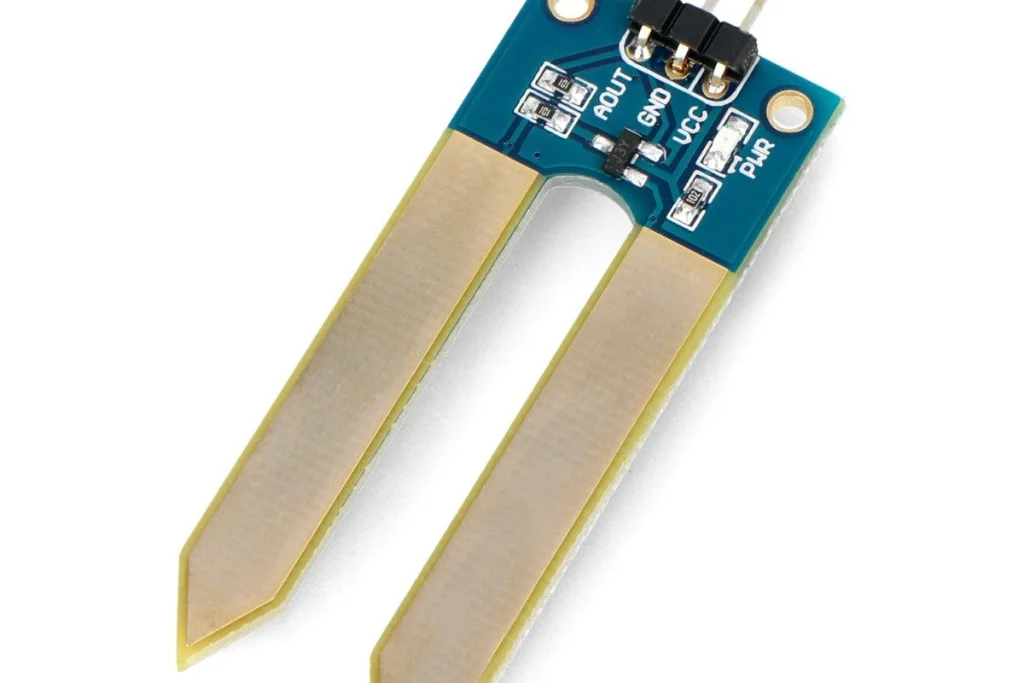
5. Smart Agriculture Soil Monitoring System
- Core Function: Tracks volumetric water content, electrical conductivity (salinity), and soil temperature at multi-depth zones.
- Hardware & Connectivity: Frequency Domain Reflectometry (FDR) soil moisture probes, solar power unit, LoRaWAN wireless IoT devices.
- Business Opportunity: Provides precision agriculture data to commercial farms aiming to optimize irrigation and fertilizer usage.
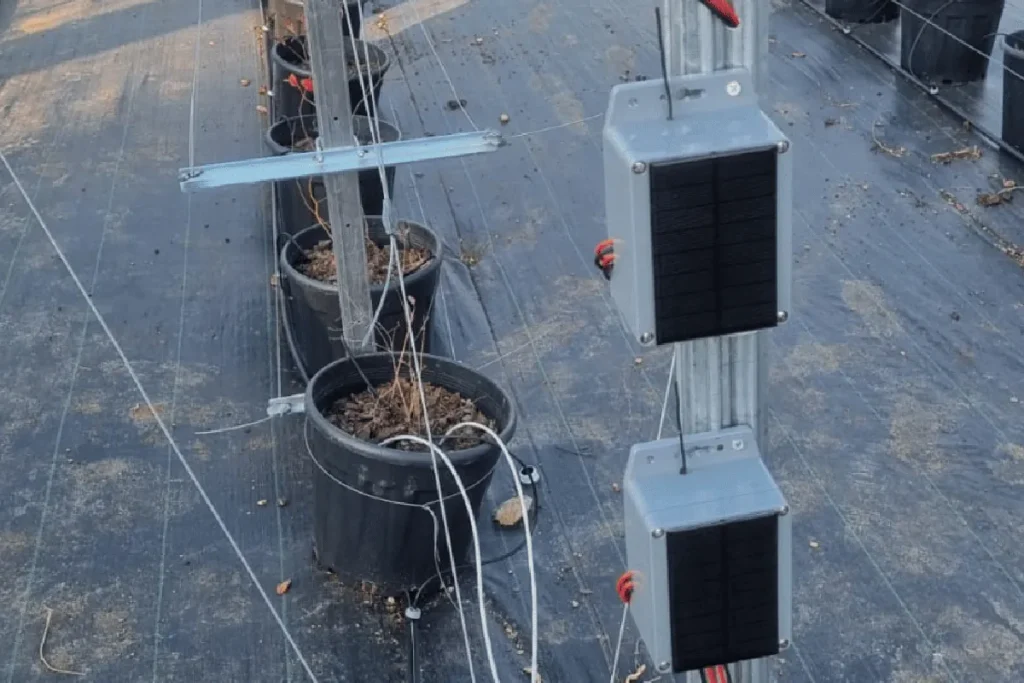
6. IoT Crop Irrigation Controller
- Core Function: Automatically controls field solenoid valves using real-time soil data and weather forecasts.
- Hardware & Connectivity: Relay control board, industrial RS485 interface, solar charging circuit, cellular connectivity.
- Business Opportunity: Directly reduces water consumption and labor overhead for medium-to-large farming operations.
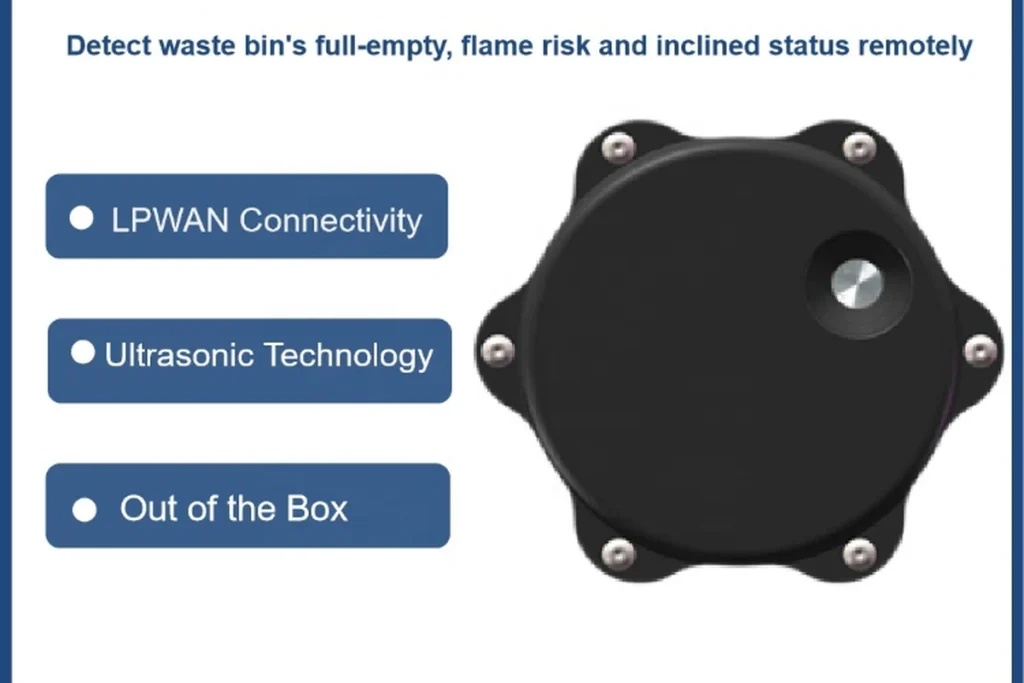
7. Smart Waste Management Device
- Core Function: Measures fill levels and internal temperature in municipal and commercial trash containers.
- Hardware & Connectivity: Ultrasonic distance sensor, optical sensor, optical tamper detection, rugged IP67 enclosure, NB-IoT module.
- Business Opportunity: Sells to smart cities and waste management operators seeking to optimize haul route schedules.
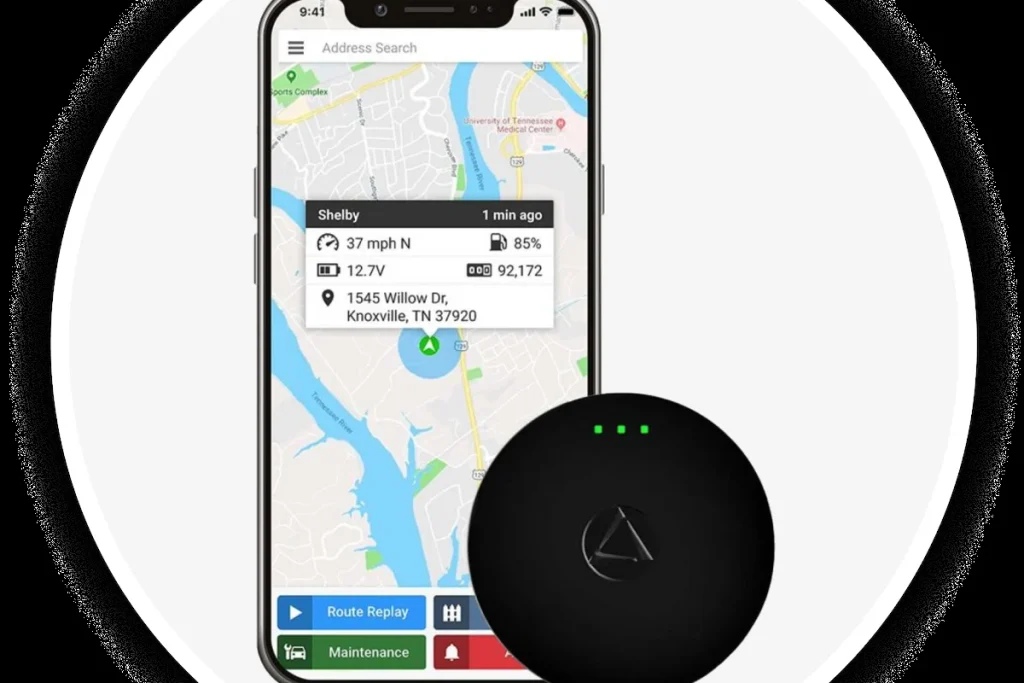
8. IoT Asset Tracking Device
- Core Function: Tracks high-value assets across global logistics routes without relying on continuous external power.
- Hardware & Connectivity: Multi-constellation GNSS, Wi-Fi positioning lookup, 3-axis shock sensor, long-life primary battery, global cellular connectivity.
- Business Opportunity: Serves global supply chain operators managing intermodal shipping containers, equipment, and high-value cargo.
| Step | Component | Function |
|---|---|---|
| 1 | GNSS / GPS | Satellite positioning input |
| 2 | 3-Axis Shock Sensor | Motion / impact detection |
| 3 | Ultra-Low-Power MCU | Central processing unit |
| 4 | Global Cellular / NB-IoT | Wide-area wireless connectivity |
| 5 | Cloud Telemetry Engine | Data ingestion and analytics backend |
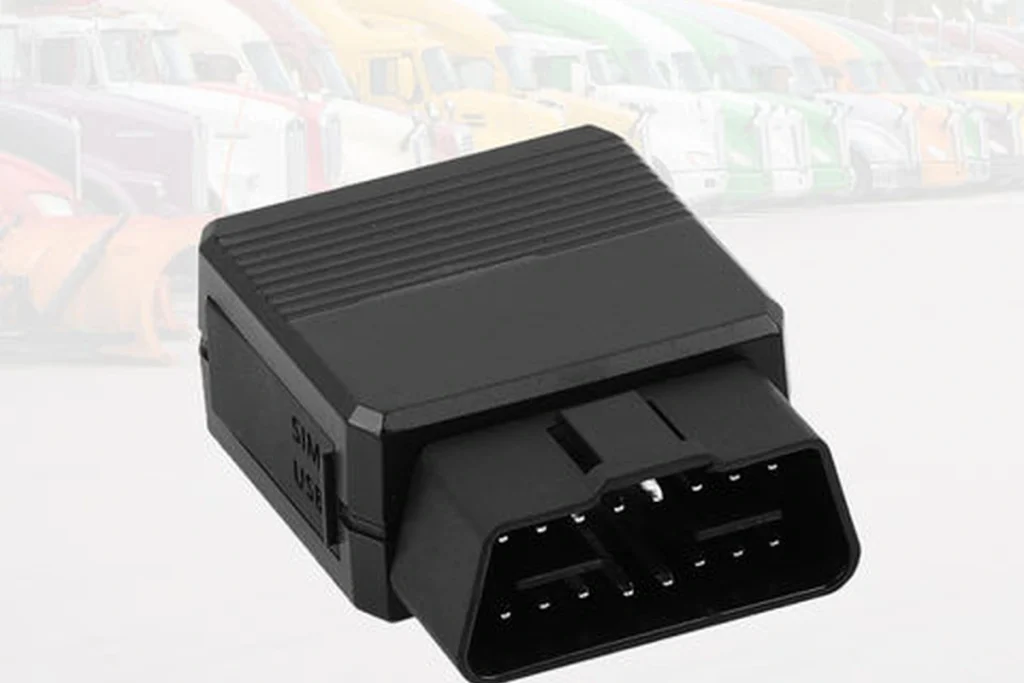
9. Smart Fleet Tracking Device
- Core Function: Plugs into commercial vehicle OBD-II ports to capture real-time telemetry, driver behavior, and diagnostic trouble codes.
- Hardware & Connectivity: CAN bus transceiver, GPS/GLONASS receiver, LTE Cat-1 modem, internal backup battery.
- Business Opportunity: Targets logistics fleets, delivery networks, and equipment rental companies seeking lower fuel overhead and vehicle wear.
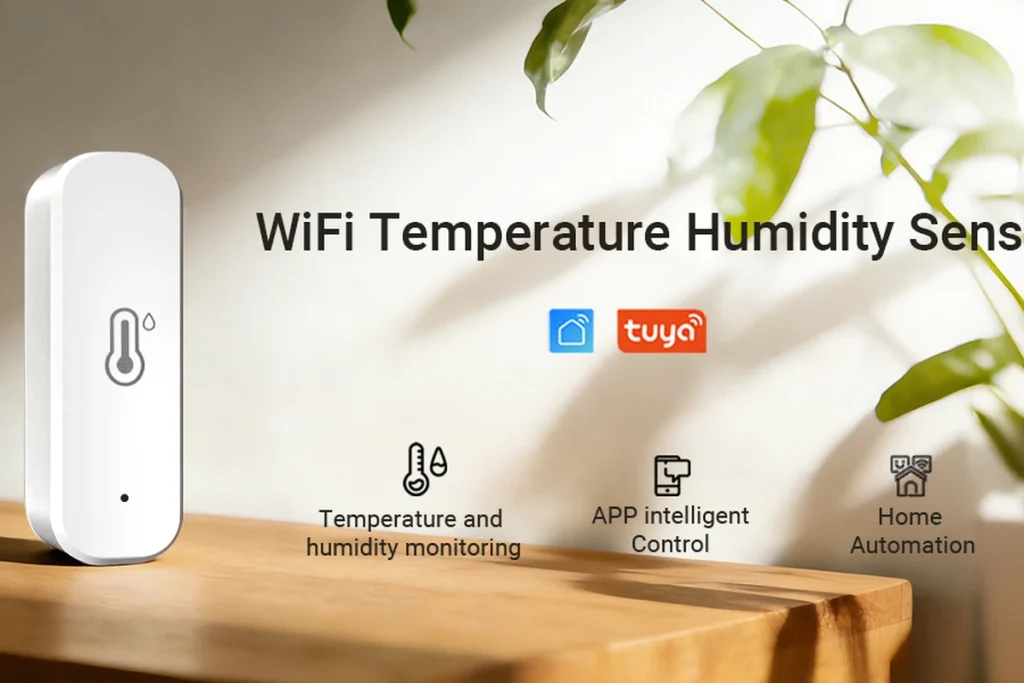
10. Connected Temperature and Humidity Monitor
- Core Function: Logs and reports continuous environmental metrics inside cleanrooms, warehouses, and server facilities.
- Hardware & Connectivity: Precision digital calibrated temperature/humidity sensor, E-paper display, Wi-Fi/Sub-GHz radio.
- Business Opportunity: Helps regulated businesses enforce compliance and prevent environmental damage to sensitive stock.
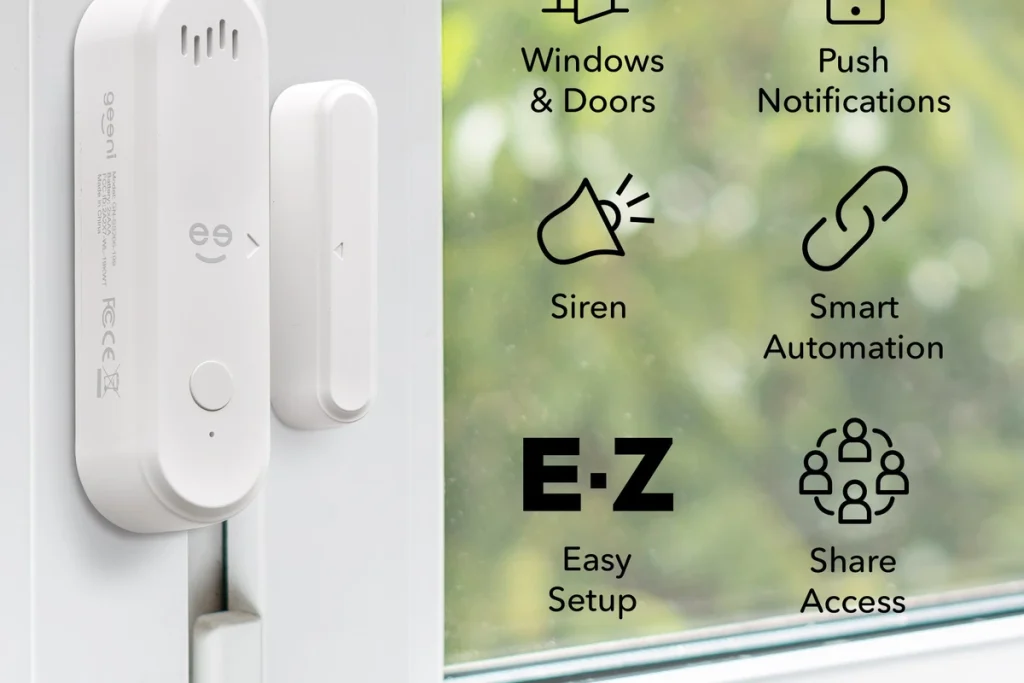
11. Smart Door and Window Security Sensor
- Core Function: Detects unauthorized access, glass breakage, and frame vibrations in commercial structures.
- Hardware & Connectivity: Magnetometer, piezo vibration sensor, ultra-low-power BLE radio, coin-cell battery power management.
- Business Opportunity: Provides self-monitored, white-label smart security devices for corporate security vendors and residential setups.

12. IoT-Based Elderly Care Device
- Core Function: Tracks daily activity patterns and flags fall events without relying on invasive cameras.
- Hardware & Connectivity: 60GHz Millimeter-Wave (mmWave) radar sensor, internal ambient light sensor, Wi-Fi / cellular module.
- Business Opportunity: Serves senior living communities and home health providers requiring passive, privacy-preserving monitoring.
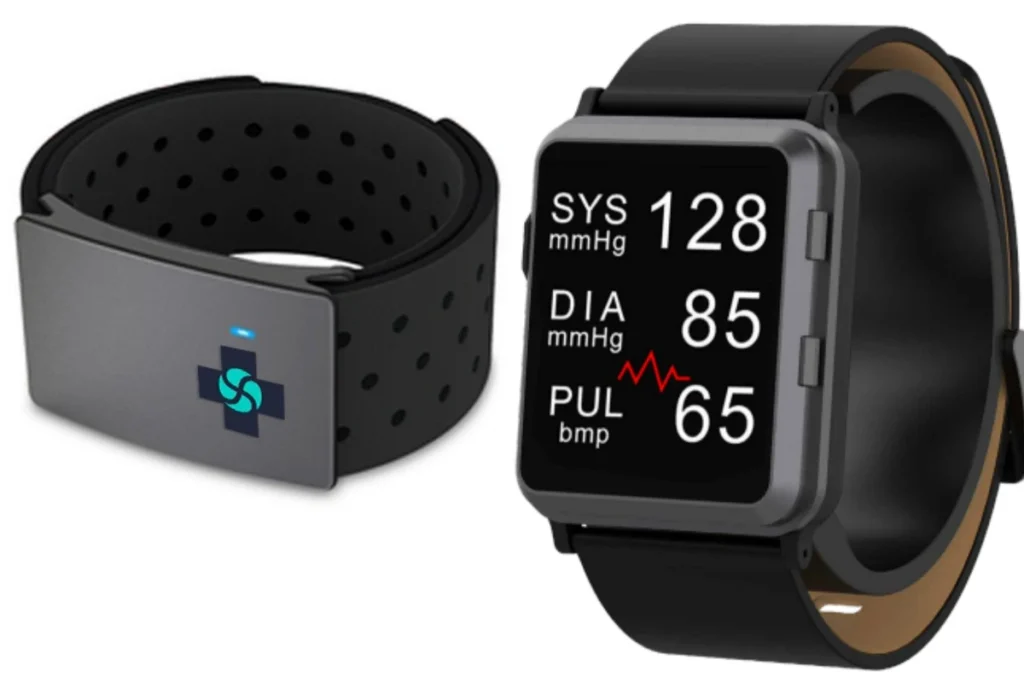
13. Smart Wearable Health Monitor
- Core Function: Collects continuous heart rate variability (HRV), pulse oximetry ($SpO_2$), and skin temperature.
- Hardware & Connectivity: Optical photoplethysmography (PPG) sensor, analog front-end (AFE), ultra-compact BLE System-on-Chip (SoC), flexible PCB.
- Business Opportunity: Positions within remote patient monitoring (RPM) networks and niche athletic performance markets.
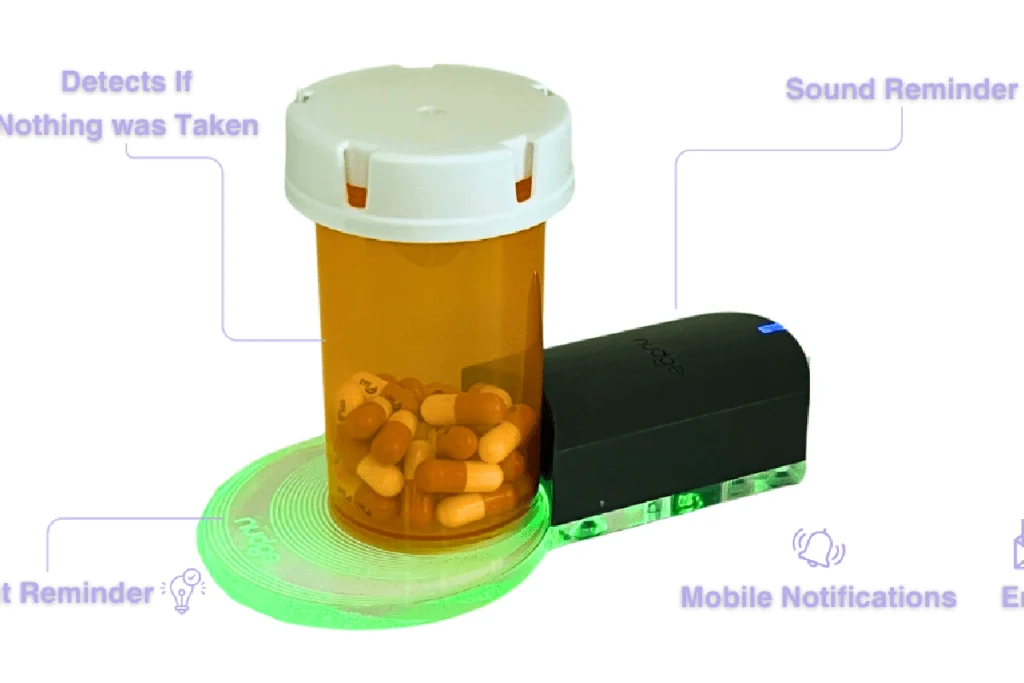
14. Connected Medication Reminder Device
- Core Function: Detects when specific prescription compartments are opened, reminding patients and notifying healthcare providers.
- Hardware & Connectivity: Capacitive touch interface, micro-switches, LED indicators, cellular IoT connection module.
- Business Opportunity: Partners with clinical trial managers and specialty pharmacies to boost medication adherence rates.
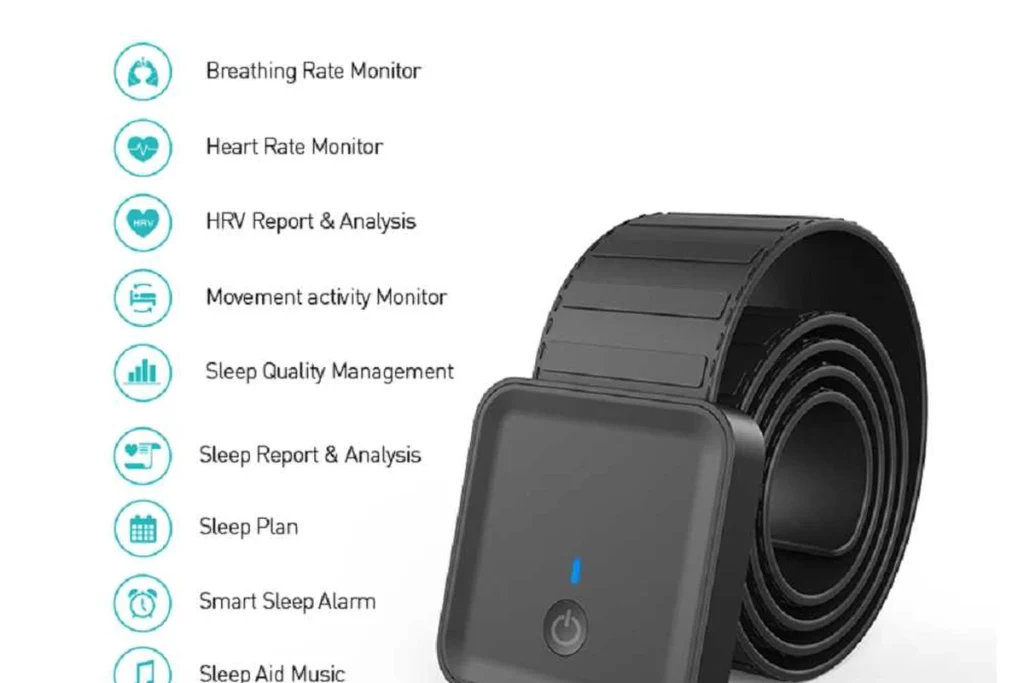
15. Smart Sleep Monitoring Device
- Core Function: Measures respiratory patterns, heart rate, and movement from underneath a standard bed mattress.
- Hardware & Connectivity: Piezoelectric strip sensor array, high-precision ADC, signal processor, Wi-Fi connection.
- Business Opportunity: Capitalizes on growing consumer and wellness trends for non-wearable, effortless sleep analysis.
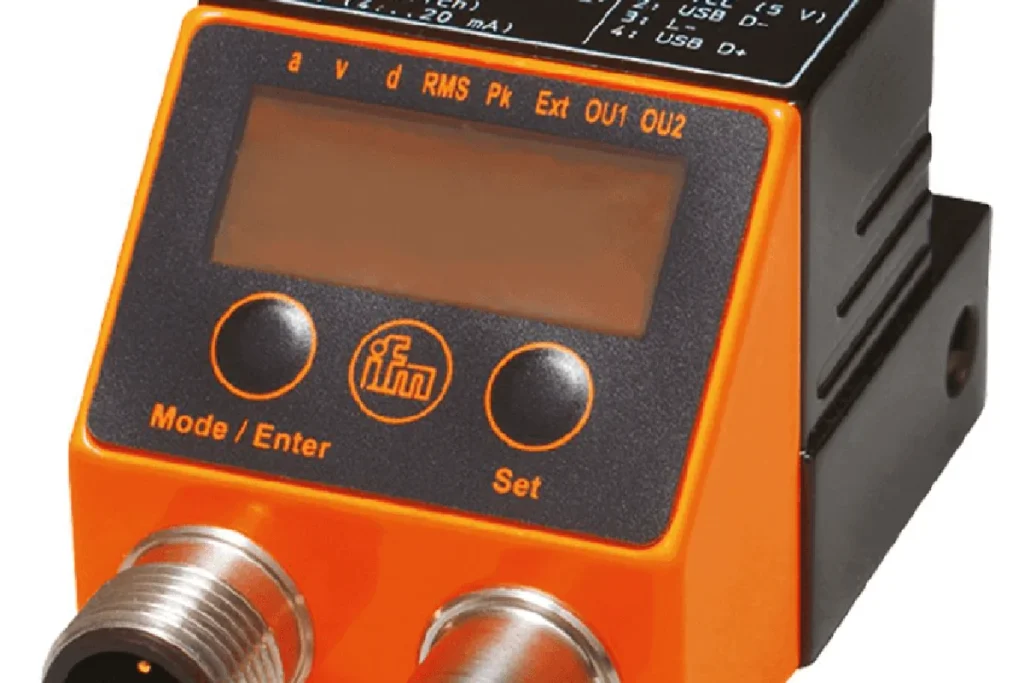
16. IoT Industrial Equipment Monitor
- Core Function: Retrofits onto legacy factory machinery to log operating hours, power loads, and system states.
- Hardware & Connectivity: Hall effect current sensors, optical tachometer, isolated RS485/Modbus interface, Industrial Ethernet/Wi-Fi connection.
- Business Opportunity: Unlocks digital transformation for manufacturing facilities unable to purchase modern machinery.
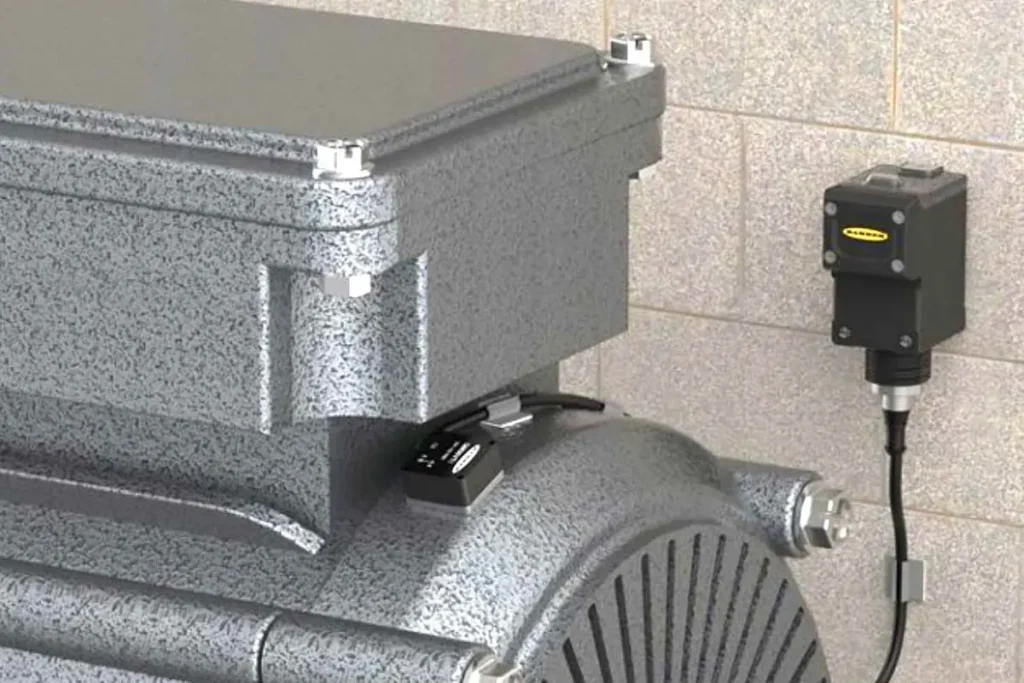
17. Predictive Maintenance Sensor
- Core Function: Samples high-frequency vibration profiles and thermal spikes on rotating machinery components like motors, pumps, and gearboxes.
- Hardware & Connectivity: High-bandwidth MEMS piezoelectric accelerometer, infrared temperature sensor, edge AI IoT devices processor, BLE/Wirepas mesh.
- Business Opportunity: Prevents unplanned factory line shutdowns, selling direct to plant maintenance directors.
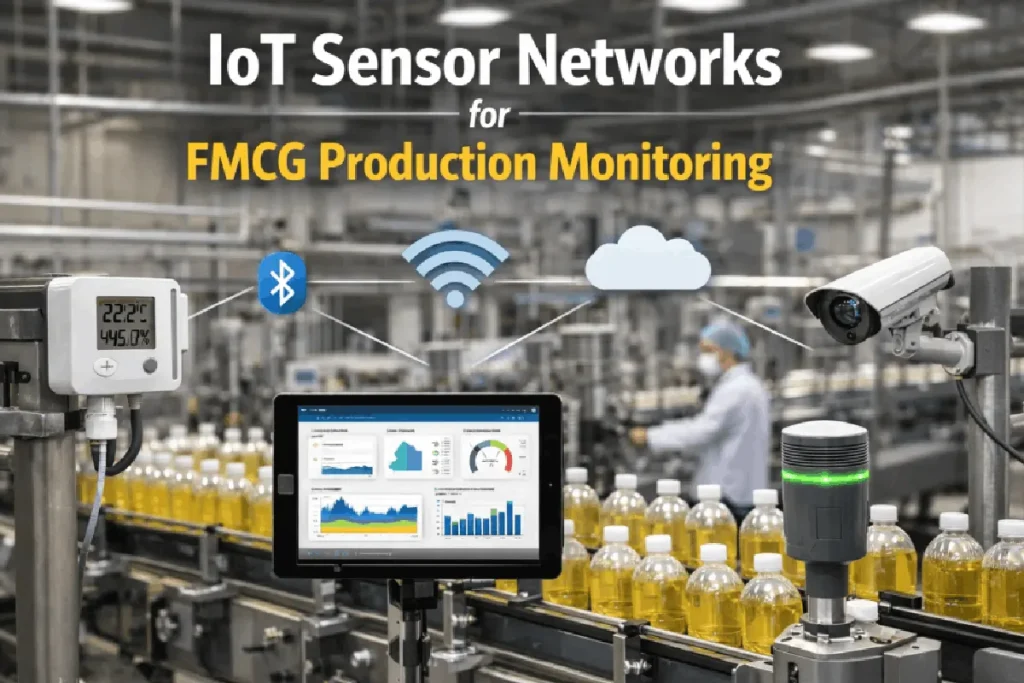
18. Smart Factory Monitoring Device
- Core Function: Collects ambient conditions, noise thresholds, and operator safety metrics across active manufacturing plants.
- Hardware & Connectivity: Multi-sensor array, industrial grade enclosure, PoE (Power over Ethernet) / Wi-Fi modules.
- Business Opportunity: Helps factory leaders optimize shop-floor conditions and meet strict occupational safety regulations.
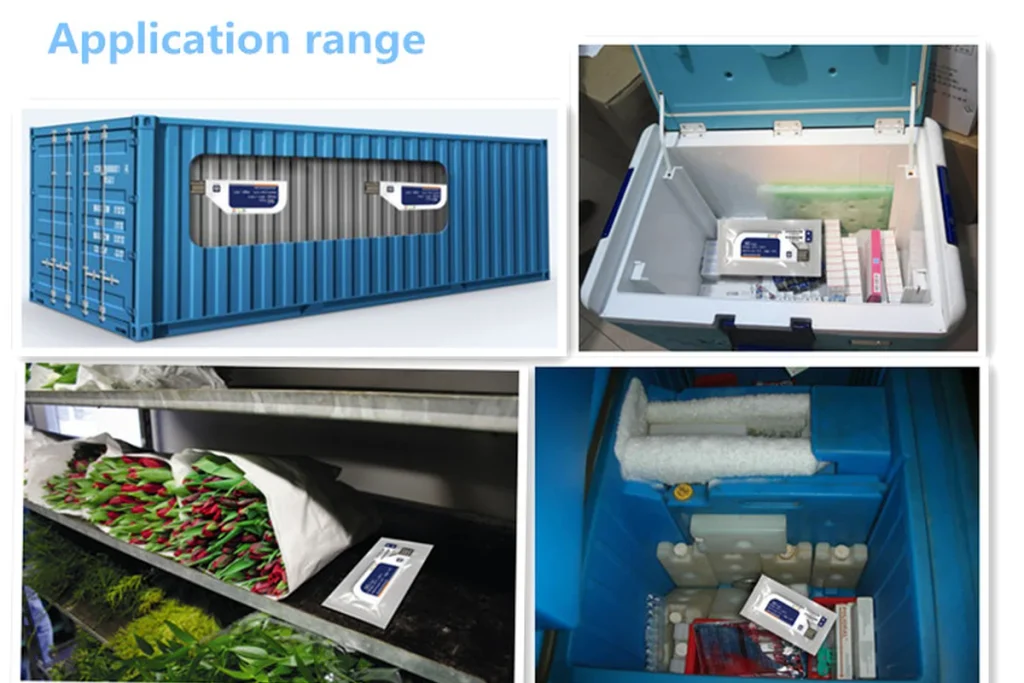
19. Connected Cold Chain Temperature Tracker
- Core Function: Records continuous thermal conditions during transport of vaccines, pharmaceuticals, and perishable foods.
- Hardware & Connectivity: NIST-traceable thermal sensor, secure internal flash memory, low-power cellular modem, aircraft-safe flight mode.
- Business Opportunity: Ensures compliance with FDA and international cold chain regulatory frameworks.
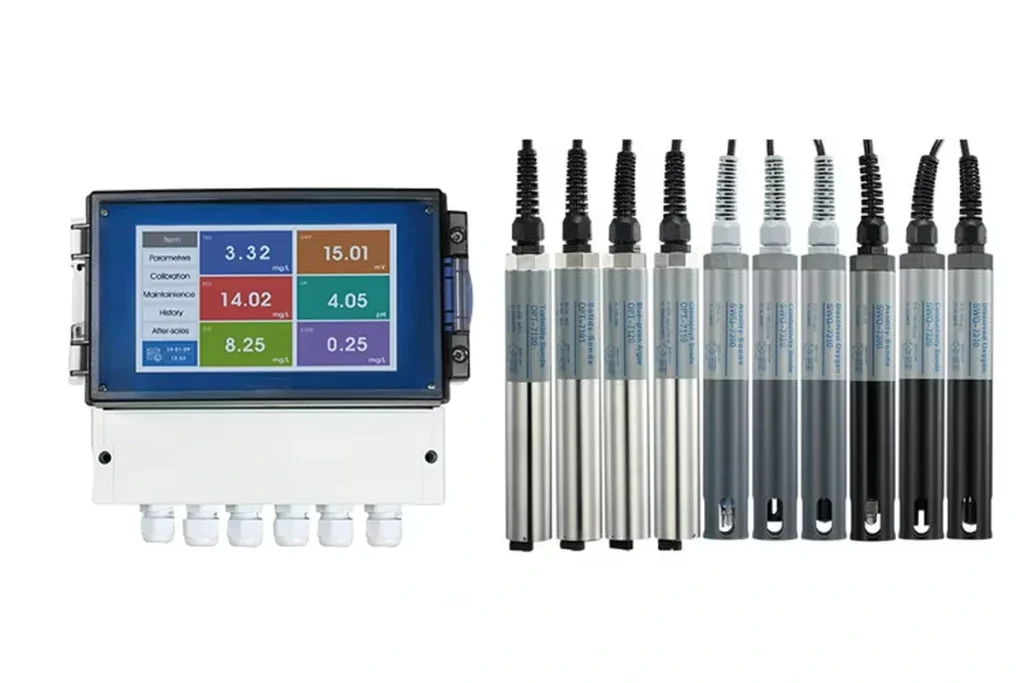
20. IoT Water Quality Monitoring Device
- Core Function: Measures pH, oxidation-reduction potential (ORP), turbidity, dissolved oxygen, and conductivity in real time.
- Hardware & Connectivity: Multi-probe analog interface, low-power MCU, solar power management, cellular/LoRaWAN modules.
- Business Opportunity: Sells to municipal water authorities, aquaculture farms, and industrial wastewater operations.
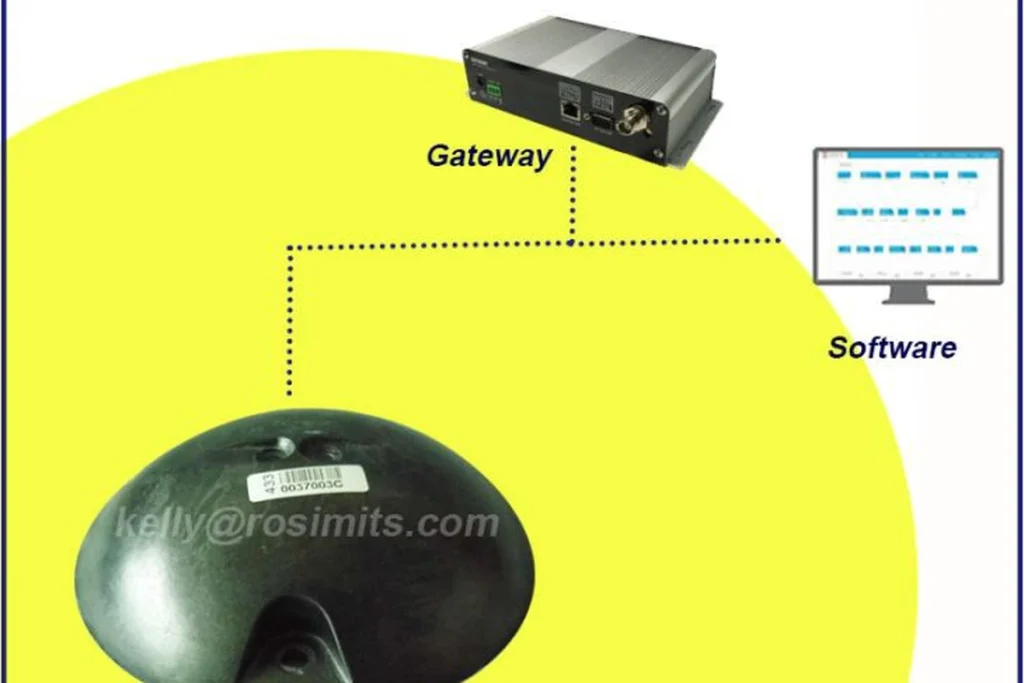
21. Smart Parking Detection System
- Core Function: Detects vehicle presence in specific parking spaces to power real-time availability signs and enforcement apps.
- Hardware & Connectivity: Dual magnetic and radar sensors, rugged flush-mount ground casing, LoRaWAN or NB-IoT radio.
- Business Opportunity: Target commercial parking operators and smart city traffic planners.

22. Connected Bicycle or E-Bike Tracker
- Core Function: Offers hidden anti-theft tracking, crash detection alerts, and remote power cutoff for electric bikes.
- Hardware & Connectivity: Integrated CAN bus controller, GNSS receiver, 3-axis accelerometer, cellular connectivity, step-down power supply.
- Business Opportunity: Integrates directly with e-bike brands or serves as a premium aftermarket security accessory.
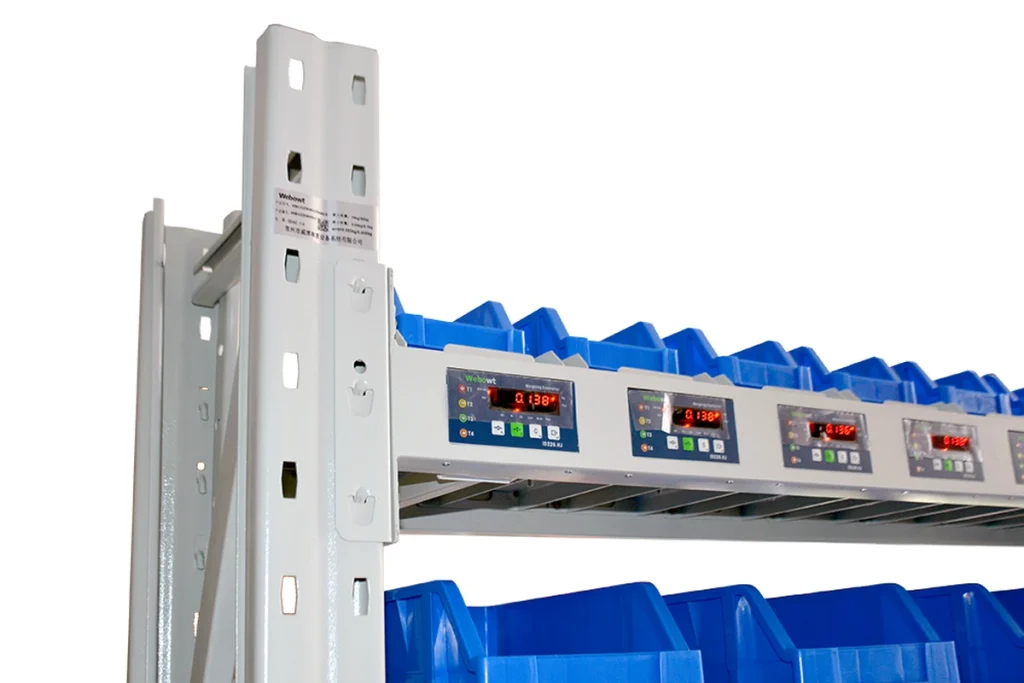
23. Smart Retail Inventory Sensor
- Core Function: Monitors stock levels on display shelves in real time using automated weight or visual tracking.
- Hardware & Connectivity: Strain-gauge load cell sensors, multi-channel ADC, low-power wireless mesh network.
- Business Opportunity: Automates restock alerts for high-turnover consumer goods brands and big-box retailers.
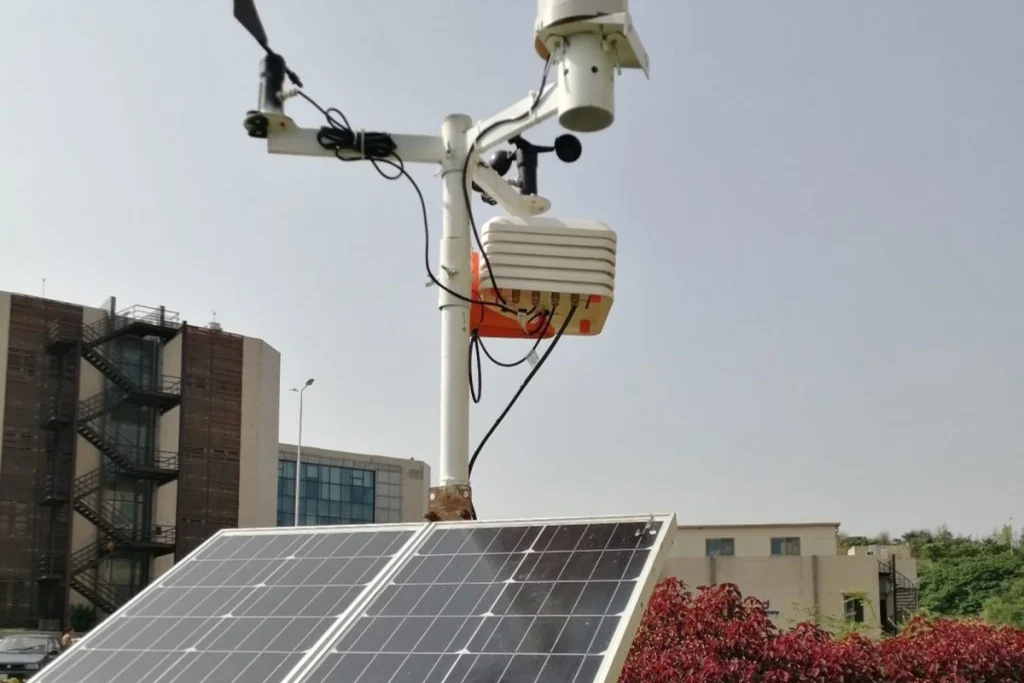
24. IoT Environmental Monitoring Station
- Core Function: Tracks weather parameters, flood warnings, and wildfire indicators in remote regions.
- Hardware & Connectivity: Weather sensor cluster, rain gauge counter, satellite or cellular fallback modem, solar charging system.
- Business Opportunity: Contracts with government agencies, forestry services, and agricultural conglomerates.
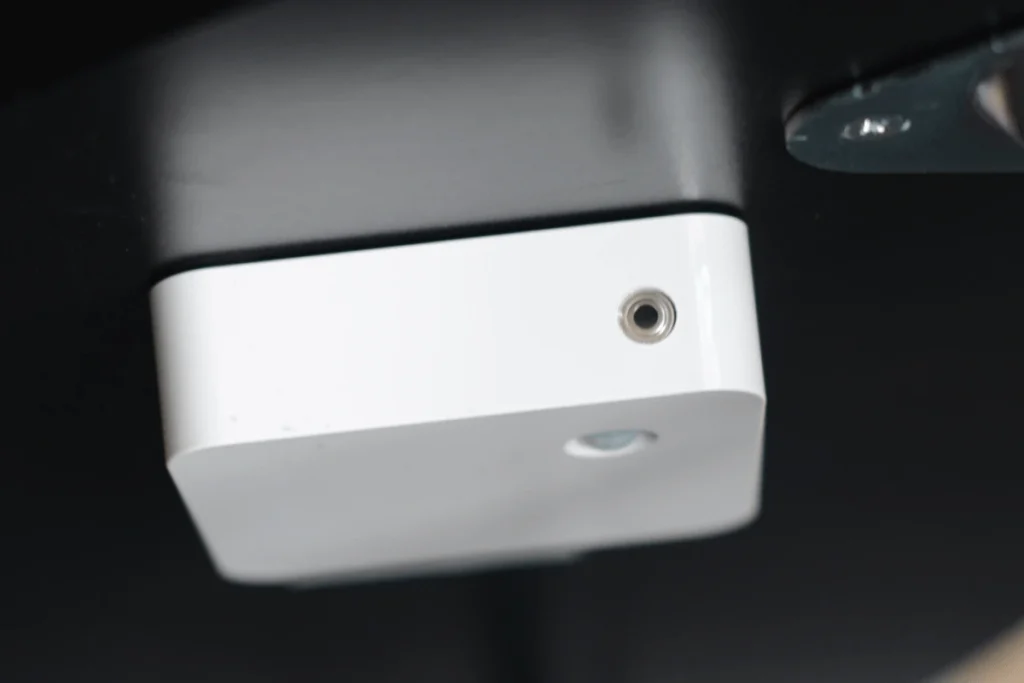
25. Smart Building Occupancy Sensor
- Core Function: Tracks room utilization and headcounts without capturing personally identifiable video feeds.
- Hardware & Connectivity: Time-of-Flight (ToF) optical sensor, thermal array, local processor, PoE or Wi-Fi module.
- Business Opportunity: Helps corporate real estate teams right-size office space leases and automate HVAC energy management.
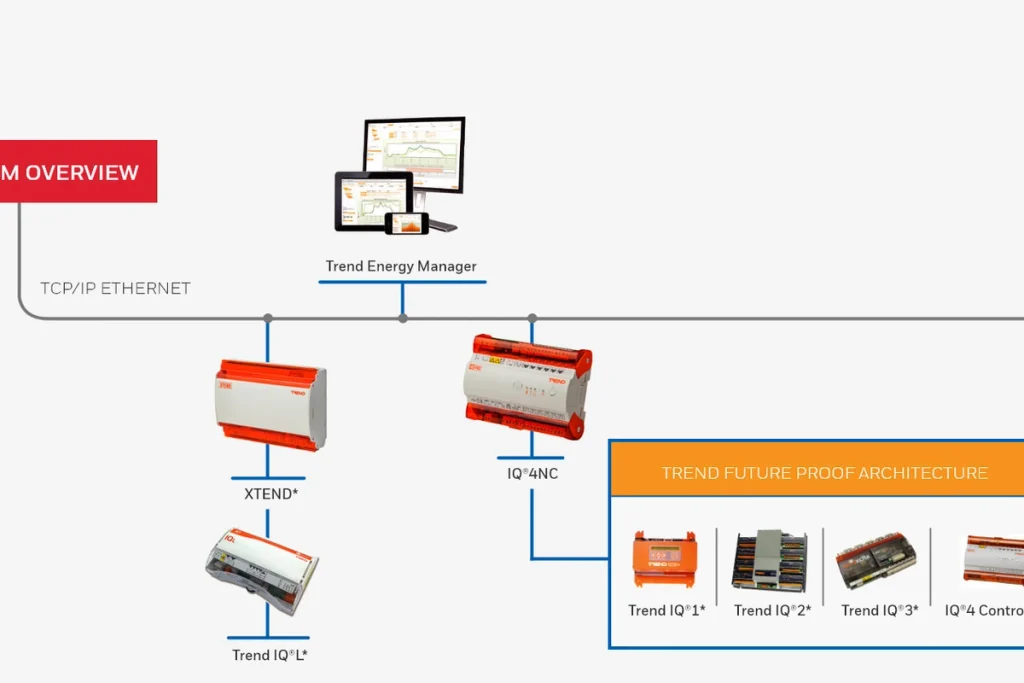
26. Connected Energy Management Device
- Core Function: Balances commercial building power loads with localized battery storage and solar inverter feeds.
- Hardware & Connectivity: High-speed processing MCU, dual Ethernet ports, RS485 interfaces, secure hardware element.
- Business Opportunity: Targets commercial property operators seeking to lower demand charges and meet zero-emission targets.

27. Smart Construction Site Monitoring Device
- Core Function: Tracks structural strain, environmental noise, and dust emissions around active construction sites.
- Hardware & Connectivity: Optical particulate monitor, strain gauge interface, ruggedized housing, long-range cellular radio.
- Business Opportunity: Sells directly to general contractors requiring automated environmental and structural compliance logging.

28. IoT Livestock Monitoring Device
- Core Function: Monitors health, estrus cycles, and location for cattle or high-value farm animals.
- Hardware & Connectivity: Sub-GHz wireless ear tags, long-life primary battery, 3-axis accelerometer, base station Gateway.
- Business Opportunity: Assists large livestock operations in lowering disease spread and increasing breeding efficiency.
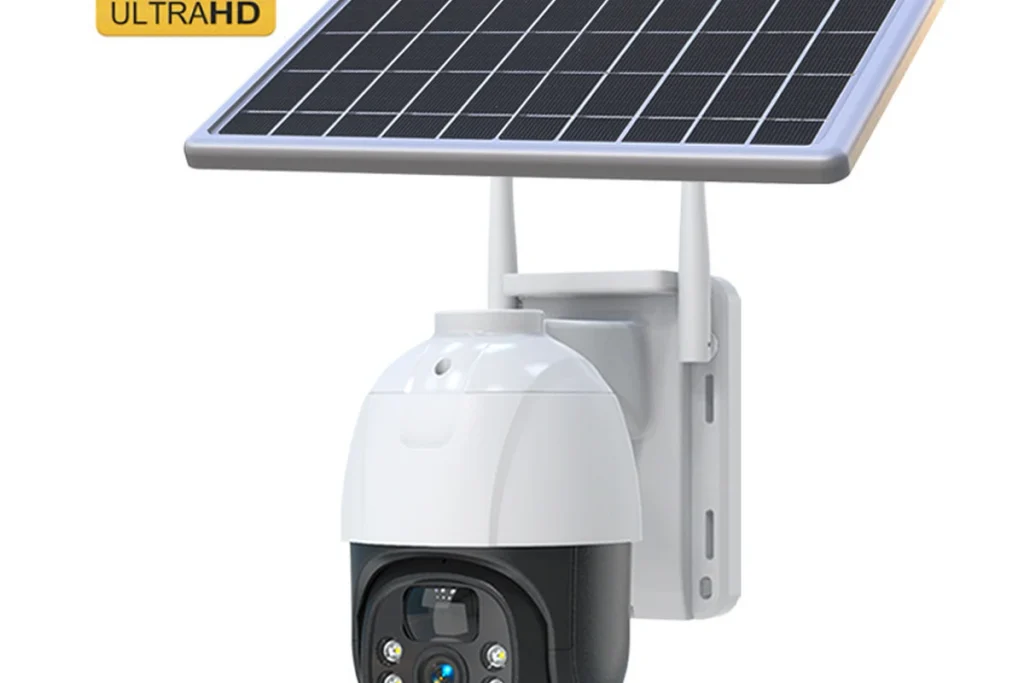
29. Smart Security Camera System
- Core Function: Detects unauthorized human activity on off-grid properties using local AI computer vision.
- Hardware & Connectivity: High-dynamic-range image sensor, dedicated edge AI SoC, solar panel circuit, 4G LTE/5G modem.
- Business Opportunity: Delivers remote security coverage for construction, mining, and agricultural sectors.
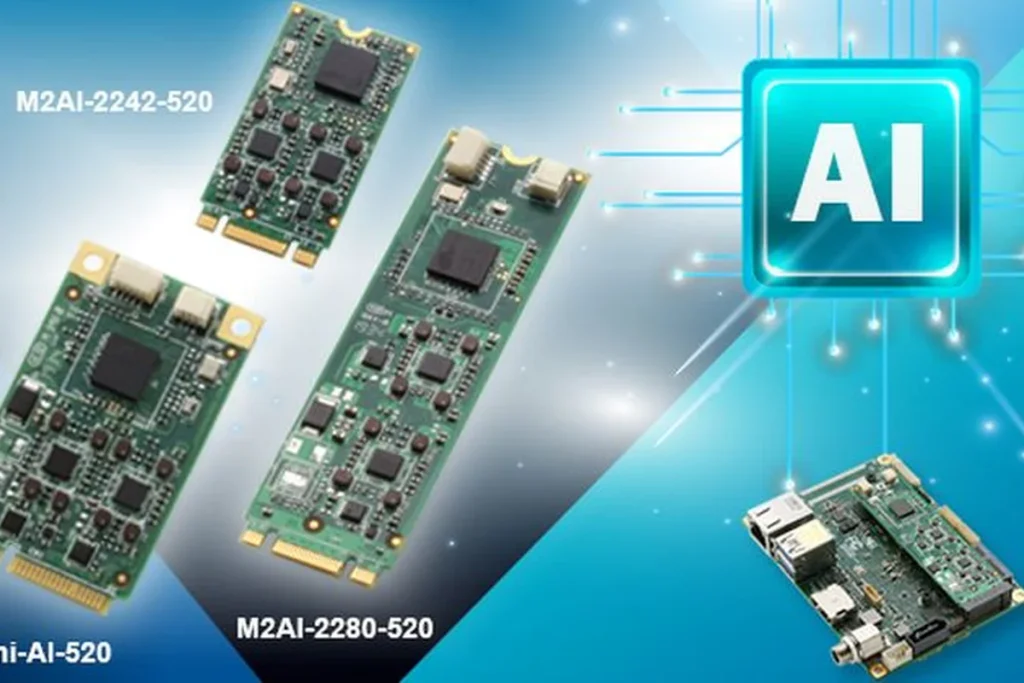
30. Custom AI + IoT Edge Device
- Core Function: Runs custom machine learning models locally on low-power hardware for immediate sensor-data inference.
- Hardware & Connectivity: Neural processing unit (NPU) integrated SoC, flexible sensor interfaces, dual-band Wi-Fi/BLE radio.
- Business Opportunity: Serves specialized industrial fields that demand near-zero latency without cloud-dependent computing costs.
Related: EMS Electronic Manufacturing Explained: From Design to Mass Production (2026)
How to Choose the Best IoT Product Idea for Your Startup
| IoT Product Selection Framework | ||
|---|---|---|
| Step | Focus Area | Objective |
| Step 1 | Customer Validation | Define acute pain point and economic ROI |
| Step 2 | Technical Feasibility | Evaluate power, bandwidth, and sensor tech |
| Step 3 | Financial Modeling | Balance BOM costs against target selling price |
| Step 4 | Scale Planning | Ensure component availability and DFM readiness |
Identify a Specific Customer Problem
Start by isolating operational friction. If an issue creates measurable financial loss, safety hazards, or regulatory compliance penalties, customers will allocate budget for a solution. Avoid generating general hardware concepts that lack a clear buyer.
Evaluate Market Demand and Competition
Analyze incumbent offerings. Are competitors relying on outdated cellular tech? Are their products locked inside closed software ecosystems? Look for growing markets where existing options are over-priced, feature-bloated, or technically obsolete.
Choose the Right IoT Hardware and Sensors
Select components based on operational environments:
- Accuracy & Tolerance: Does the sensor drift over time under harsh temperatures?
- Power Draw: Can the component operate on a battery, or does it require wired power?
- Cost: Does the part keep the overall BOM balanced?
Consider Connectivity Requirements
Select a network architecture based on payload size, latency requirements, and physical deployment locations:
| Technology | Max Range | Data Throughput | Ideal Use Cases |
|---|---|---|---|
| Wi-Fi | ~50 Meters | High (>100 Mbps) | Indoor smart home, high-bandwidth streaming |
| Bluetooth (BLE) | ~10 Meter Radius | Medium (1-2 Mbps) | Wearables, local configuration, indoor sensors |
| LoRaWAN | Up to 15 km | Very Low (<50 kbps) | Smart agriculture, city utility tracking |
| Cellular (LTE-M/NB-IoT) | Global Cellular | Low-to-Medium | Asset tracking, fleet monitoring, remote IoT |
Estimate Product Development and Manufacturing Costs
Every hardware budget must clear two main financial phases: non-recurring engineering (NRE) expenses—which cover PCB design, mechanical tooling, and regulatory certifications—and recurring production costs (BOM, assembly, testing, and shipping).
Validate the Idea With an IoT Prototype
Construct proof-of-concept models using off-the-shelf development boards (such as ESP32, STM32, or Nordic nRF platforms) to validate core sensor reading and data pipeline assumptions prior to starting custom PCB layout.
Plan for Scalability and Mass Production
Design your product architecture with mass assembly in mind from day one. Sourcing components with stable, multi-year supply chains prevents costly board redesigns right as your business begins scaling.
What Technology Do IoT Products Need?
| Full-Stack IoT Hardware Layer Architecture | |
|---|---|
| Layer | Interface / Protocol |
| Physical Sensors / Actuators | Analog / SPI / I2C / RS485 |
| Microcontroller / Edge AI Engine | UART / SDIO |
| Wireless Radio Connectivity | Wi-Fi, BLE, Cellular, LoRaWAN (MQTT / CoAP / HTTPS) |
| Cloud Infrastructure & SaaS Dashboards | MQTT / CoAP / HTTPS |
Sensors and Data Collection
Sensors form the physical gateway between analog environments and digital logic. Choosing the right sensor technology involves balancing signal noise, power consumption, resolution, and operating thermal limits.
Microcontrollers and Embedded Systems
The microcontroller unit (MCU) functions as the central processor, running custom firmware to read sensors, handle power states, and send telemetry data. Modern platforms combine low-power ARM Cortex-M or RISC-V cores with integrated wireless radios.
Wi-Fi, Bluetooth, Cellular and Other Connectivity Options
Selecting network options requires evaluating power availability, physical deployment distances, and data payload volume:
- Wi-Fi IoT devices: Suitable for fixed indoor deployments with direct access to grid power and high-bandwidth requirements.
- Bluetooth IoT devices: Perfect for ultra-low-power short-range setups, local provisioning, and wearable peripherals.
- Cellular IoT devices: Ideal for mobile, cross-border, or isolated installations requiring continuous connectivity.
Cloud Platforms and IoT Data Management
Cloud architectures handle device management, remote firmware updates over the air (OTA), data processing, and enterprise application integration. Mainstream solutions include AWS IoT Core, Microsoft Azure IoT Hub, and custom MQTT brokers.
Mobile Apps and Web Dashboards
End users need intuitive control surfaces. Mobile applications handle initial device onboarding and network credentials via BLE, while web dashboards display deep analytical insights and fleet management tools.
Edge Computing and AI for IoT Devices
Processing data directly on the device reduces latency, saves network bandwidth, and lowers cloud processing expenses. Edge AI IoT devices run optimized neural networks directly on microcontrollers for real-time anomaly detection and signal analysis.
IoT Device Security and Data Protection
Security must be implemented at every tier of the product architecture:
- Hardware-level Root of Trust (RoT) using dedicated Secure Elements.
- Encrypted flash storage preventing physical firmware extraction.
- Encrypted communication channels using TLS 1.3/DTLS protocol suites.
- Continuous signed over-the-air (OTA) security updates.
How to Develop an IoT Product From Idea to Production
| IoT End-to-End Development Process |
|---|
| Phase 1 (Concept → Prototype) |
| Architecture & Specs → Industrial Design → PCB Engineering → Prototyping |
| Phase 2 (Validation → Production) |
| EVT / DVT / PVT → DFM Review → Tooling & Pilot Run → Mass Production |
Step 1: Define the Product Concept and Requirements
Establish exact engineering specifications. Document operational conditions, battery targets, enclosure IP ratings, wireless range requirements, target BOM budgets, and regulatory mandates before drafting schematic files.
Step 2: Create the Industrial and Hardware Design
Industrial designers balance ergonomics, internal thermal management, mechanical mounting, and aesthetics. Computer-Aided Design (CAD) software modeling ensures internal electronics fit tightly inside physical enclosures.
Step 3: Develop the PCB and Embedded Electronics
Hardware engineers design circuit schematics, select qualified electronic components, and lay out multi-layer Printed Circuit Boards (PCBs). They optimize trace routing for signal integrity, power distribution, and electromagnetic compatibility (EMC).
Step 4: Build and Test the Functional Prototype
Initial functional prototypes combine early 3D-printed plastic enclosures with low-volume PCB assembly runs. This phase confirms firmware stability, antenna performance, and hardware component interactions under real-world conditions.
Step 5: Conduct EVT, DVT and PVT Validation
Hardware engineering relies on structured validation phases to mitigate risk prior to commercial launch:
- Engineering Validation Test (EVT): Verifies that functional electronics work according to baseline design specifications.
- Design Validation Test (DVT): Tests units inside final injection-molded enclosures under environmental stresses, drops, thermal extremes, and waterproof testing.
- Production Validation Test (PVT): Tests final production lines using actual mass-manufacturing tooling speed and quality control procedures.
Step 6: Complete DFM and Manufacturing Optimization
Design for Manufacturing (DFM) adjustments optimize parts for mass assembly. Engineers refine mechanical wall thickness, draft angles, injection gates, and PCB component layouts to eliminate production yield losses.
Step 7: Prepare Tooling and Production Processes
Tooling teams cut high-grade steel molds for plastics production, establish custom automated test fixtures, and program factory provisioning scripts for secure device flashing.
Step 8: Begin Pilot Production
A small pilot manufacturing run (typically 100 to 500 units) tests factory floor workflows, assembly jigs, quality control checkpoints, and packaging operations.
Step 9: Scale to Mass Production
With pilot validation completed, full-scale production begins. Operations shift toward component supply chain continuity, yields, and worldwide logistics distribution.
How Much Does It Cost to Develop an IoT Product?
Main Factors That Affect IoT Product Development Cost
- Hardware Complexity: Multi-layer PCBs, advanced custom sensors, and tiny physical footprints increase design expenses.
- Firmware and Software Scope: Advanced edge computing algorithms and custom cloud management portals require continuous engineering investment.
- Mechanical Tooling: Custom plastic injection molds represent significant upfront capital expenses.
- Certifications: Compliance testing costs vary depending on selected wireless radios and target geographic markets.
Prototype vs. Mass Production Costs
| Expense Category | Prototype Phase | Mass Production Phase |
| PCB Costs | High cost per unit (Small run) | Low cost per unit (High volume) |
| Enclosures | 3D Printing / CNC ($50 – $300/unit) | Injection Molding ($1 – $5/unit) |
| Tooling (Capital Expense) | $0 | $15,000 – $80,000+ (One-time) |
| Unit Labor Cost | High (Hand assembly/testing) | Very Low (Automated SMT & Jigs) |
Hardware, Tooling and Certification Expenses
Developing commercial-grade connected hardware generally requires $50,000 to over $250,000 across early design, engineering, initial tooling, and regulatory testing. High-volume, highly complex industrial products or medical devices will require larger budgets.
How Startups Can Reduce IoT Development Costs
- Utilize pre-certified radio modules (FCC/CE approved) to reduce radio compliance costs.
- Choose off-the-shelf plastic enclosures for early pilot validation runs.
- Partner with an experienced ODM IoT manufacturing partner capable of handling engineering, supply chain, and production within one integrated workflow.
How to Choose an IoT OEM or ODM Manufacturing Partner
| Condition | Recommended Model | Role Split |
|---|---|---|
| Have in-house design & IP ready | OEM | You supply design; factory builds |
| Do NOT have in-house design & IP | ODM | Partner engineers and manufactures |
Related: Product Design Explained: How to Turn Your Idea into a Manufacturable Product (2026)
Product Design and Engineering Capabilities
Determine whether the factory offers full-stack design capabilities—including industrial design, mechanical engineering, PCB layout expertise, and low-level firmware architecture—or simply builds according to provided drawings.
Prototype and NPI Experience
Evaluate their New Product Introduction (NPI) track record. A partner experienced in guiding hardware startups through EVT, DVT, and PVT phases prevents costly manufacturing errors.
Hardware and PCB Manufacturing Expertise
Ensure the facility operates modern Surface Mount Technology (SMT) production lines, automated optical inspection (AOI) tools, and specialized cleanrooms suited for your hardware specs.
IoT Testing and Quality Control
Review factory quality protocols. Your manufacturing partner should build specialized, automated functional test jigs to check every board’s radio performance, sensor calibration, and power draw before shipping.
Supply Chain and Component Management
Top manufacturing partners maintain direct relationship channels with major component distributors and chip foundries. This secures allocation and mitigates supply chain disruptions during component shortages.
Production Scalability and Global Fulfillment
Select a partner capable of scaling smoothly from initial pilot runs of 1,000 units up to volume production runs of over 100,000 units, complete with custom packaging and direct international shipping.
Common Mistakes Startups Make When Developing IoT Products
Building Technology Without Validating the Market
Engineering complex hardware before confirming user demand leads to unsold stock. Always validate customer willingness to pay prior to spending capital on custom hardware development.
Underestimating Hardware Development Complexity
Unlike software development, physical hardware development lacks instant rollback options. Design oversights, firmware bugs, or unexpected interference issues can delay product release timelines by months.
Choosing Components Without Considering Availability
Designing a PCB around single-sourced components with 52-week lead times stalls production timelines. Always prioritize dual-sourced components with stable inventory pipelines.
Ignoring IoT Security and Compliance
Treating radio compliance, data privacy, and encryption as afterthoughts leads to product redesigns, potential regulatory fines, or outright customs rejections.
Designing a Product That Is Difficult to Manufacture
Ignoring basic DFM rules leads to assembly bottlenecks, poor solder yields, enclosure misalignments, and elevated manufacturing labor costs.
Focusing on the Prototype Instead of Production Scalability
A functional bench prototype is only an initial milestone. Transitioning from a hand-soldered prototype board to mass manufacturing requires deliberate engineering discipline.
IoT Product Compliance and Certification Considerations
| Key Regulatory Testing Matrix by Region | ||
|---|---|---|
| Market | Radio & RF | Electrical & Product Safety |
| United States (USA) | FCC Part 15 | UL / NRTL Marks |
| European Union (EU) | CE (RED Directive) | CE (LVD / EMC Directives) |
| International | UN38.3 (Batteries) | RoHS / REACH (Materials) |
Wireless and Radio Certification
Transmitting devices must pass official regulatory testing for intentional radiators:
- FCC (USA): Mandatory testing ensuring emissions do not interfere with licensed communication bands.
- CE (Europe): Compliance with the Radio Equipment Directive (RED) for products sold across the European Economic Area.
Electrical and Product Safety Requirements
High-voltage or high-current systems must meet UL, ETL, or CE safety standards to confirm the device presents no fire or shock hazards under fault conditions.
Battery and Power-Related Compliance
Products powered by rechargeable lithium batteries require mandatory UN38.3 transport testing, alongside IEC 62133 safety standard compliance for safe air and ocean transit.
Environmental and Industry-Specific Requirements
Commercial hardware must meet environmental directives like RoHS (Restriction of Hazardous Substances) and REACH. Specialized sectors like medical hardware require adherence to strict quality guidelines like ISO 13485.
Certification Planning Before Mass Production
Plan compliance roadmaps early. Utilizing pre-certified wireless radio modules can reduce certification costs and shorten overall time-to-market.
Turn Your IoT Idea Into a Market-Ready Product
Get expert support for IoT product design, prototyping, engineering, and OEM/ODM manufacturing.
Get a Free Quote →How Precintl Helps Startups Turn IoT Ideas Into Products
| # | Capability |
|---|---|
| 1 | Product Design |
| 2 | Hardware Engineering |
| 3 | Prototyping & Testing |
| 4 | DFM Review |
| 5 | OEM/ODM Scale Manufacturing |
| 6 | Global Fulfillment |
IoT Product Design and Engineering
Precintl offers end-to-end product design, turning raw startup sketches into market-ready physical hardware. Our engineering team integrates industrial mechanics, thermal dynamics, and structural enclosures into refined product designs. Explore Precintl.
PCB and Embedded Hardware Development
Our hardware team executes complete electronic engineering workflows: schematic layout, multi-layer PCB design, low-power component selection, and embedded firmware architecture. Learn more through our PCB design guide.
Rapid Prototyping and Product Validation
We build functional prototypes fast, using multi-material 3D printing, precision CNC machining, and quick-turn prototype PCB assembly (PCBA) to accelerate design verification cycles.
EVT, DVT and PVT Testing
Precintl guides hardware founders through formal validation stages:
- Executing rigorous thermal, vibration, drop, and ingress protection (IP) tests.
- Identifying design flaws early to prevent late-stage production failures.
- Guaranteeing complete hardware reliability prior to mass assembly.
DFM and Manufacturing Engineering
Our manufacturing specialists perform detailed DFM reviews on every component, optimizing parts for high-yield, cost-effective assembly on mass production lines.
OEM and ODM IoT Manufacturing
Whether you require full-service ODM product creation from scratch or direct OEM manufacturing execution from provided build files, Precintl operates scalable, state-of-the-art production environments. Explore our ODM manufacturing guide or OEM manufacturing guide.
Pilot Production and Mass Production
We manage short pilot runs to refine assembly workflows before scaling up to high-volume manufacturing, keeping yield metrics consistently high across every shipment.
End-to-End Supply Chain Support
Precintl manages the complete hardware supply chain: component sourcing, inventory planning, custom product packaging, quality assurance checks, and worldwide export shipping. Contact Precintl to discuss your project.
Frequently Asked Questions About IoT Product Ideas
What Is the Best IoT Product Idea for a Startup in 2026?
The best product ideas focus on high-ROI industrial applications, predictive maintenance platforms, asset tracking setups, and specialized energy monitoring platforms where customers experience immediate financial value.
What IoT Products Are in High Demand?
Demand is surging across edge AI devices, smart water leak management systems, remote patient monitoring systems, asset tracking platforms, and ambient energy-saving building monitors.
How Much Does It Cost to Build an IoT Product?
Developing a commercial-grade product ranges between $50,000 and $250,000+, covering initial schematic engineering, PCB design, prototyping, custom tooling, and regulatory testing.
How Long Does It Take to Develop an IoT Device?
Standard development cycles run 9 to 18 months from concept phase to mass manufacturing, depending on mechanical complexity, firmware scope, and compliance timelines.
Should a Startup Choose OEM or ODM Manufacturing?
Startups with fully engineered designs and IP ready should select an OEM manufacturer. Early-stage teams seeking end-to-end engineering assistance should choose an ODM partner.
Can an IoT Product Be Customized for a Specific Industry?
Yes. Custom firmware configurations, specialized sensor configurations, and custom enclosure designs allow single core hardware platforms to target distinct industry verticals.
How Can I Turn an IoT Idea Into a Manufactured Product?
Partner with an experienced engineering and manufacturing specialist like Precintl. We manage every step of the hardware lifecycle—from initial mechanical concepts and PCB layouts to mass assembly and global delivery. Contact us today to bring your hardware product to life.