
Looking for expert compression molding solutions? Discover the process, materials, tooling, design guidelines, cost factors, and industry applications. Partner with Precintl for end-to-end OEM/ODM custom manufacturing today!
Manufacturing durable, high-performance components requires picking a process that balances structural strength with unit economics. Compression molding remains one of the most reliable and cost-effective methods for producing rubber, silicone, plastic, and composite parts across demanding industries. From automotive body panels to precision medical seals, this versatile technique converts raw polymers into tough, finished products under intense heat and force.
In this guide, we break down how the compression molding process works, evaluate materials from thermoset compression molding resins to compression molding thermoplastics, compare key process types like SMC compression molding and BMC compression molding, and review design guidelines that keep production costs down.
What Is Compression Molding?
Compression Molding Definition and Basic Principle
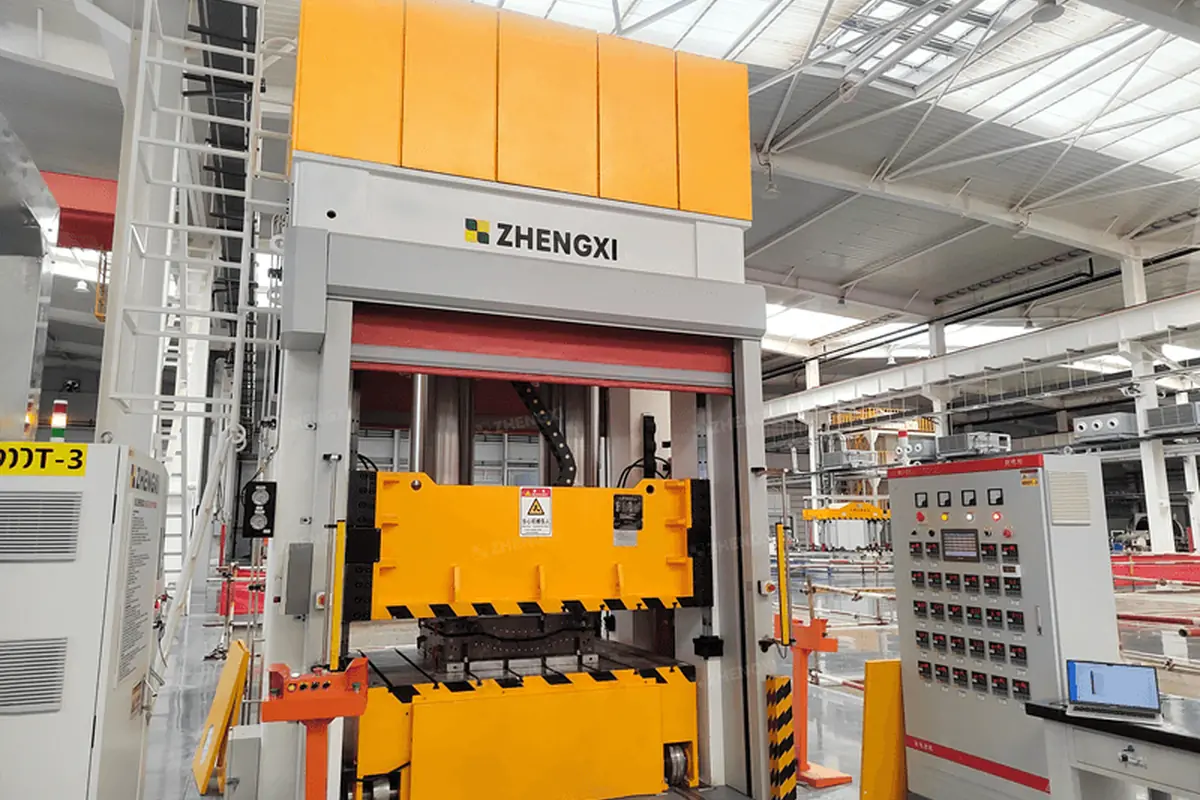
At its core, compression molding is a high-pressure, closed-mold manufacturing method. A pre-measured quantity of molding material—known as a charge—is placed directly into an open, heated mold cavity. The mold closes, and a hydraulic or mechanical compression molding press exerts force on the material. Heat softens the polymer, while pressure forces it to fill every contour of the cavity. Continuous heat cures thermosets or sets thermoplastics before the finished component is ejected.
How Compression Molding Works
The foundational mechanic relies on heat and direct hydraulic pressure working together. Unlike injection systems that shoot liquid plastic through narrow runners, a compression molding machine applies raw force straight to the pre-placed material inside the cavity.
- Preheating: The mold plates heat up to the material’s active temperature range.
- Loading: A operator or automated arm loads the pre-formed charge into the open cavity.
- Pressing: The top plate lowers, applying massive force (often between 300 and 2,000 psi depending on material).
- Curing/Setting: Thermal energy triggers cross-linking in thermoset compounds or hardens thermoplastics.
- Ejection: The press opens, and ejector pins lift the compression molded products out.
When Compression Molding Is the Right Manufacturing Process
This process shines when dealing with thick-walled parts, large surface areas, highly filled fiber-reinforced compounds, or elastomeric seals. If your product demands high structural strength without flow lines, low tooling friction, or high material density, working with a compression molding manufacturer is the ideal path forward.
Related: Product Design Explained: How to Turn Your Idea into a Manufacturable Product (2026)
Compression Molding vs. Other Plastic and Composite Manufacturing Processes
Unlike transfer or injection systems, compression methods avoid routing delicate or high-viscosity resins through sprues and runners. This reduces internal stress, eliminates shear degradation in long glass fibers, and minimizes raw scrap material.
| Process Characteristic | Compression Molding | Injection Molding | Transfer Molding |
|---|---|---|---|
| Material Scrap Rate | Very Low (No runners) | Moderate (Sprues/Runners) | Moderate to High (Pot scrap) |
| Fiber Length Retention | High (Preserves long fibers) | Low (Sheared by nozzle) | Moderate |
| Initial Tooling Cost | Moderate | High | Moderate to High |
| Suitability for Thick Parts | Excellent | Poor (Prone to sink marks) | Good |
How Does the Compression Molding Process Work?
Understanding the precise compression molding process steps helps engineers optimize cycle times and prevent costly structural flaws.
Material Preparation and Charge Loading
Consistency starts before the press moves. Raw compound—whether pre-cut sheets, extruded slugs, or measured bulk dough—must be weighed within precise tolerances. Overcharging creates excessive flash; undercharging leaves voids. Preheating the charge reduces viscosity before loading, lowering required hydraulic press force.
Mold Closing, Heat and Pressure Application
Once the charge sits in the heated core, the compression molding press descends. Pressure spreads the softened polymer across the mold cavity. Maintaining uniform compression molding temperature and pressure keeps density even across the entire part profile.
Curing, Cooling and Part Removal
For thermosets, cross-linking occurs under thermal hold. Chemical bonds form permanently. For thermoplastics, cold water channels cool the mold down until the polymer solidifies. The press opens, and ejector mechanisms release the freshly formed compression molded parts.
Trimming, Finishing and Secondary Operations
Because material fills the split line to ensure 100% cavity packing, minor flash is normal. Workers or automated deflashing stations trim excess material along the parting line. Secondary tasks may include drill tapping, surface polishing, or ultrasonic cleaning.
Compression Molding Process Parameters That Affect Part Quality
Achieving consistent results depends on four tightly controlled variables:
- Platen Temperature: Must stay within +/- 5°F to ensure uniform curing without burning.
- Clamping Pressure: Typically ranges from 500 to 3,000 PSI depending on compound viscosity.
- Dwell Time: The length of time pressure is held; crucial for complete thermoset cross-linking.
- Charge Volume & Shape: Controls flow pattern and air displacement inside the mold cavity.
Types of Compression Molding
Different part geometries and material characteristics require targeted molding variations.
Conventional Compression Molding
The standard approach uses two matched plates (core and cavity) mounted in a hydraulic press. Pre-weighed slugs or preforms are loaded manually or mechanically. It is widely used for low-to-medium volume runs of rubber seals, gaskets, and simple plastic housings.
Matched-Die Compression Molding
Matched-die systems utilize precision-machined steel or aluminum dies with tight vertical clearances. When closed, the dies compress high-strength composite sheets with exact dimensional repeatable accuracy, producing smooth surfaces on both sides of the part.
Sheet Molding Compound (SMC) Compression Molding
SMC compression molding uses pre-impregnated sheets of chopped glass fibers sandwiched between thermoset resin pastes (unsaturated polyester or vinyl ester). SMC sheets are cut to shape, stacked, and compressed under high pressure. This technique dominates heavy-truck cab panels, structural battery enclosures, and exterior automotive body components.
Bulk Molding Compound (BMC) Compression Molding
Unlike flat sheets, BMC compression molding utilizes a dough-like material composed of short strands of chopped fiber, thermoset resin, and mineral fillers. BMC is ideal for complex 3D shapes with thick sections, ribs, and electrical isolation needs, such as circuit breaker housings and valve covers.
Rubber and Silicone Compression Molding
Rubber molding remains a primary application for compression technology. Silicone compression molding and custom rubber molding yield flexible, heat-resistant components like O-rings, bellows, diaphragms, and keypads without risking material scorched spots.
Composite Compression Molding
Using compression molding composite materials enables manufacturers to substitute heavy metal structures with lightweight parts. Utilizing fiber reinforced compression molding allows long structural glass or carbon fibers to align evenly across the cavity, creating unbeatable strength-to-weight ratios.
Related: EMS Electronic Manufacturing Explained: From Design to Mass Production (2026)
Materials Used in Compression Molding
Material selection dictates mechanical strength, chemical resistance, working temperature limits, and cost.

Thermoset Materials
Thermoset compression molding remains the benchmark for heat-resistant structural components. Once cross-linked under heat, thermosets cannot be re-melted.
- Phenolics: Exceptional heat resistance and electrical insulation; used in appliance knobs and brake pistons.
- Epoxy: High tensile strength and chemical resistance; preferred for aerospace composite parts.
- Polyester / Vinyl Ester: Base resins for SMC/BMC formulations; offers balanced toughness and cost efficiency.
Thermoplastic Materials
Processing compression molding thermoplastics involves heating the material to melt, forming under pressure, and cooling before ejection.
- Polypropylene (PP): Frequently paired with glass fibers for automotive underbody shields.
- PEEK & UHMWPE: Chosen for wear resistance, low friction, and extreme chemical durability in medical or industrial applications.
- Compression molding plastic blends provide recyclability since parts can be remelted and reprocessed.
Rubber and Elastomer Materials
Elastomeric compression molding rubber compounds form tight seal profiles under extreme compression setups.
- EPDM: Excellent outdoor weathering and ozone resistance.
- Nitrile (NBR): Exceptional resistance to oil, fuel, and grease.
- Fluoroelastomers (FKM): Designed for extreme chemical exposure and high-heat automotive applications.
Silicone Materials
Liquid silicone rubber (LSR) or high-consistency rubber (HCR) used in liquid or sheet form. Silicone handles temperature extremes from -60°C to +230°C, making it essential for medical devices, food-grade seals, and baby care products.
Fiber-Reinforced Composite Materials
Reinforcements like glass, carbon, or aramid fibers grant immense tensile strength. Chopped strands flow easily into complex shapes, while continuous fiber mats maximize directional stiffness.
How to Select the Right Material for a Compression Molded Part
When picking material, evaluate continuous operating temperature, chemical exposure, mechanical load requirements, dielectric strength, and target unit budget.
Compression Mold Design and Engineering Considerations
Robust compression mold design prevents costly re-tooling and avoids production delays. Adhering to proven compression molding design guidelines guarantees smooth part release and clean visual finishes.
Wall Thickness, Draft Angles and Radii
Maintain uniform wall thickness whenever possible to prevent uneven curing and internal void formation.
- Draft Angles: Apply a minimum draft angle of 1° to 2° on vertical walls. Deep-draw parts may require 3° or more to ensure easy ejection.
- Radii: Avoid sharp 90-degree internal corners. Use generous fillets (minimum 0.5 mm radius) to lower stress concentration and facilitate compound flow.
Ribs, Bosses, Inserts and Other Features
Reinforcement ribs add structural rigidity without dramatically increasing wall thickness. Rib height should not exceed 3 times wall thickness, while rib base thickness should sit around 60% of the adjacent wall. Metal inserts (like threaded brass studs) can be placed right into the cavity before compressing, permanently locking them in place.
Parting Lines and Flash Control
Designing land areas along the parting line helps bleed off trapped gas while containing compound overflow. Proper land seals minimize flash thickness, reducing manual deflashing costs down the line.
Dimensional Tolerances and Surface Finish
Commercial tolerances typically range within +/- 0.005 inches per inch for precision steel tooling. Mirror polishing, high-gloss chrome plating, or textured bead-blasting can be applied directly to compression molding tooling faces to match final product aesthetics.
Designing Compression Molded Parts for Manufacturability (DFM)
A deep Design for Manufacturability (DFM) review evaluates flow paths, shear zones, charge weight distribution, and ejector pin positions prior to cutting steel.
Common Design Mistakes to Avoid
- Uneven Section Thickness: Causes uneven cure rates and internal voiding.
- Zero Draft Angles: Leads to surface scuffing and stuck components.
- Inadequate Venting: Traps air, causing cosmetic burn marks along part edges.
Benefits of Compression Molding
Analyzing the core compression molding advantages and disadvantages shows why engineers specify this process for high-strength parts.
Material Efficiency and Production Economics
Because the charge is measured precisely before loading into the cavity, material waste is extremely minimal compared to injection sprues and runners. Direct placement preserves raw materials, driving lower overall part costs.
Strength, Durability and Structural Performance
Unlike injection molded components that suffer from weak weld lines and high internal stress, compressed parts feature uniform density. Long-fiber composite materials retain their structural integrity, delivering high impact resistance.
Suitability for Large and Complex Components
High-tonnage compression molding press equipment handles massive geometries—such as 2-meter truck bumpers, heavy industrial trays, and architectural panels—that would require impractically huge injection machinery.
Consistent Quality for High-Volume Production
Automated charge preparation paired with precise hydraulic pressure control guarantees that thousands of identical parts roll off the assembly line with consistent physical properties.
Customization and Material Flexibility
Engineers can combine multiple material layers, insert metal cores, or mix thermoset elastomers to achieve tailored physical, thermal, and electrical properties within a single operation.
Related: Drop Forging: Process, Types, Materials, Benefits, Applications & Cost Guide
Limitations and Challenges of Compression Molding
Tooling and Initial Development Requirements
Machining heavy steel tooling requires upfront capital investment. While generally less expensive than multi-cavity injection molds, complex compression tooling still demands careful budgeting during early product development.
Cycle Time and Production Considerations
Compression molding cycle time is generally longer than high-speed injection molding. Heat must transfer through the mold steel to cure thick thermoset profiles, making individual cycle times range from 1 to 6 minutes per load.
Dimensional and Process Control Challenges
Controlling flash thickness along the split line introduces minor height variation across the parting axis. Tight vertical dimensional control requires high-precision hydraulic control systems.
Material and Geometry Limitations
Extremely intricate parts with deep undercuts, fine side holes, or ultra-thin wall profiles (< 0.8 mm) are difficult to fill cleanly via direct compression alone.
When Another Manufacturing Process May Be More Suitable
If your product requires millions of tiny, highly intricate plastic components every month, injection molding may offer faster production cycles and lower piece costs.
Compression Molding vs. Injection Molding vs. Transfer Molding
Selecting the correct process comes down to production volume, part geometry, and compound choice.
Compression Molding vs. Injection Molding
In compression molding vs injection molding discussions, material delivery is the defining difference. Injection molding forces molten polymer through small gates under high speed, which shears glass fibers and creates internal flow stress. Compression molding gently squeezes the material into place, preserving fiber length and internal strength.
Compression Molding vs. Transfer Molding
Transfer molding places raw material inside a heated pot above the mold. A plunger drives the melted resin through runners into the sealed cavity. While transfer molding fills around fragile inserts better, it generates extra scrap from the pot residual pad (cuff) and runner channels.
Compression Molding vs. Thermoforming
Thermoforming stretches pre-heated thermoplastic sheets over a single male or female mold using vacuum force. While thermoforming tooling costs less, it only processes thin plastic sheets and cannot produce variable wall thicknesses, internal ribs, or high-strength thermoset composites.
How to Select the Right Process for Your Product
- Choose Compression Molding for: Thick cross-sections, high-strength fiber composites (SMC/BMC), rubber gaskets, large structural covers, low scrap requirements.
- Choose Injection Molding for: Mass production of tiny, intricate plastic parts with thin walls and complex undercuts.
- Choose Transfer Molding for: Delicate electrical components requiring rubber or epoxy encapsulation around fragile wire inserts.
Compression Molding Applications Across Industries
The versatile nature of this process makes it vital to modern industrial supply chains. Broad compression molding applications include:
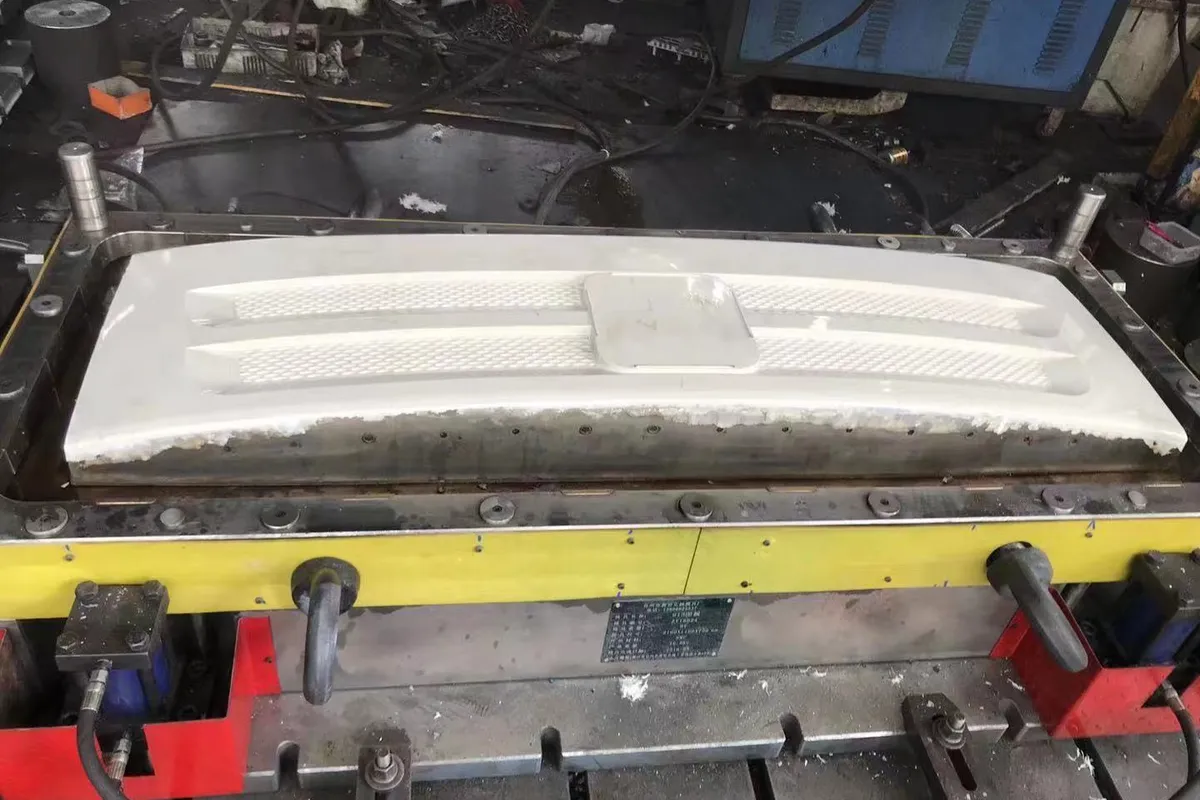
Automotive and Transportation Components
Vehicle manufacturers rely heavily on SMC/BMC formulations for structural weight reduction:
- EV battery enclosures and module covers
- Exterior body panels, fender extensions, and spoilers
- Engine valve covers and oil pans
- Heavy truck bumpers and structural cabin components
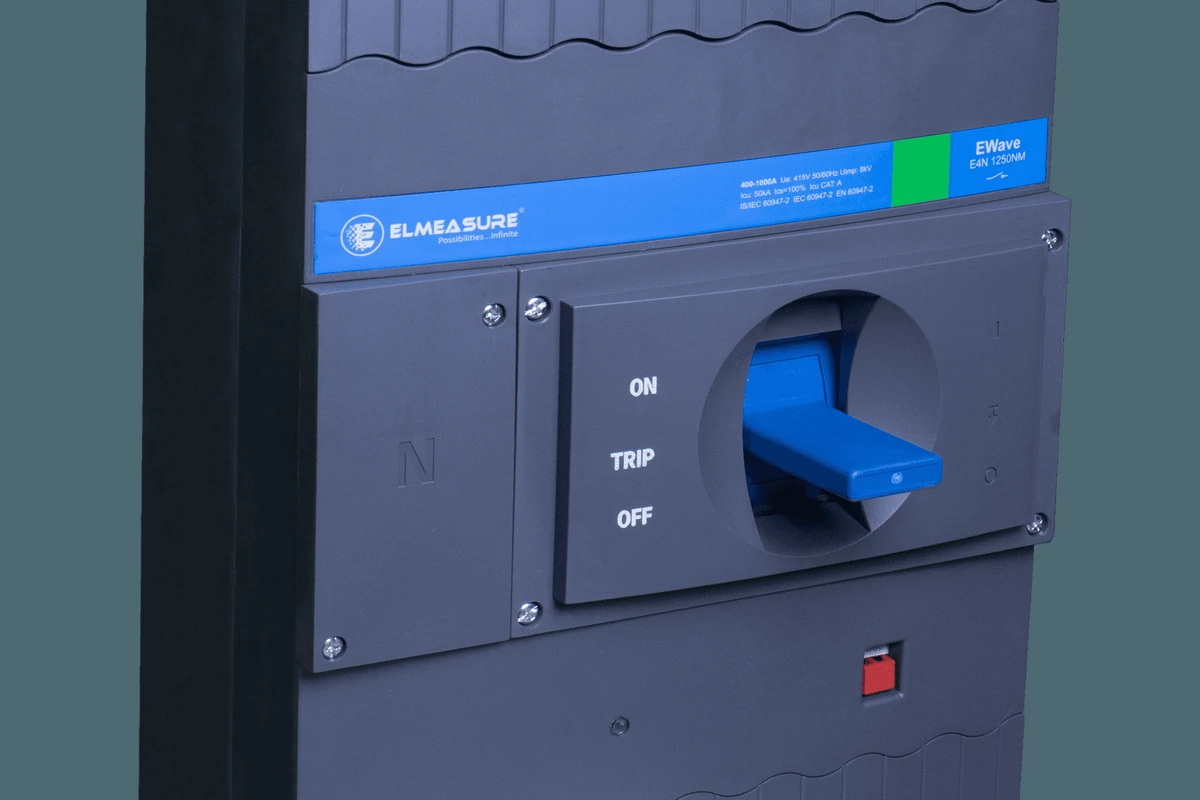
Electrical and Electronic Components
Thermoset resins offer natural flame retardancy and electrical arc tracking resistance:
- Industrial circuit breakers and switchgear housings
- Stator insulation wedges and terminal blocks
- Utility meter boxes and insulator supports
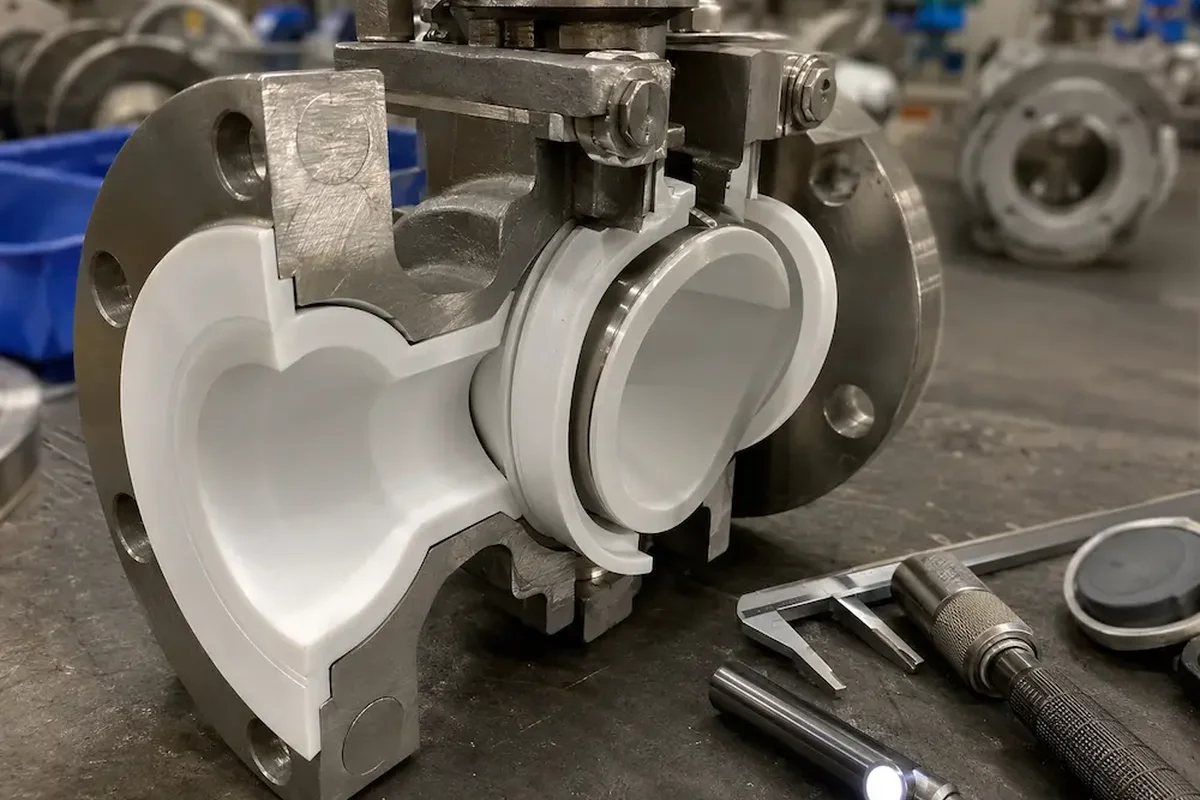
Industrial Equipment and Machinery
Heavy machinery demands rugged components built to endure wear and chemical splash:
- Heavy-duty valve seats, seals, and pump impellers
- Hydraulic seals and vibration isolation mounts
- Protective equipment housing shrouds

Consumer Products
Everyday home items leverage composite durability and sleek surface finishes:
- Kitchen appliance handles, cookware knobs, and trays
- High-end fiberglass sanitary ware and sink basins
- Sporting goods like helmets, golf club components, and kayak hulls
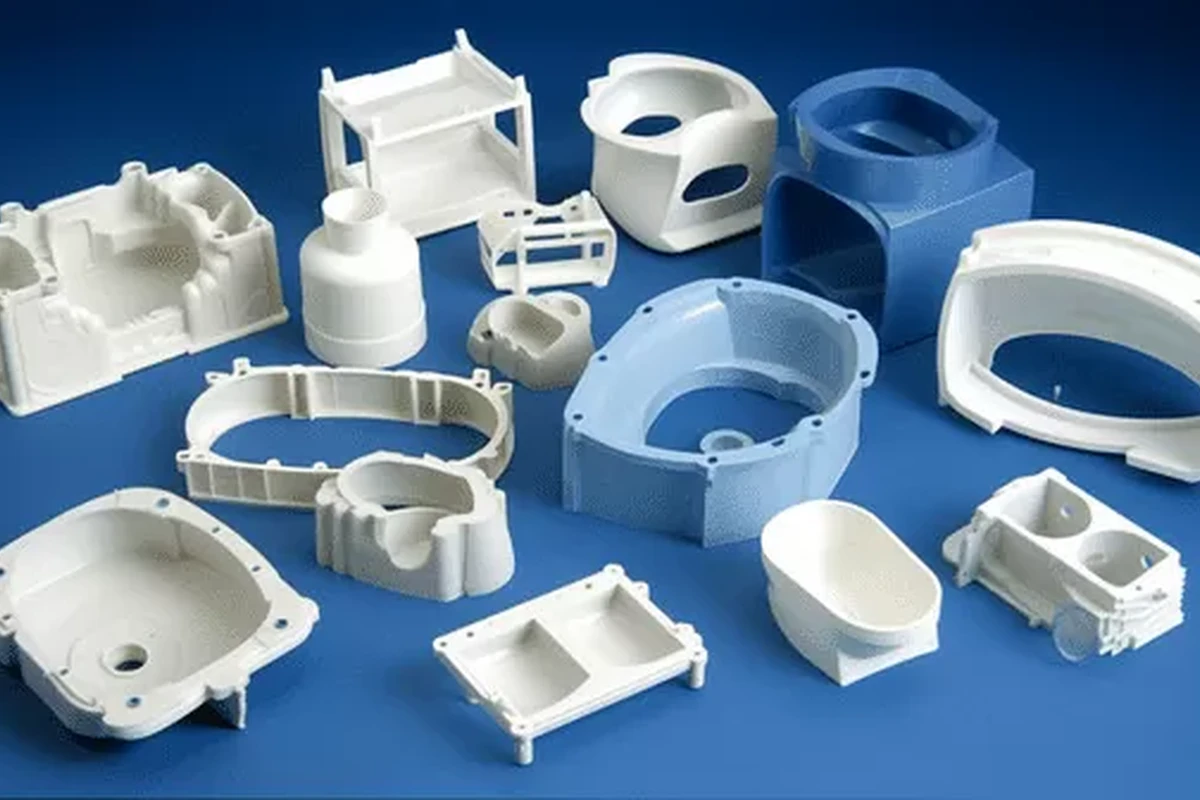
Medical and Healthcare Components
Cleanroom-processed silicone compression molding produces bio-compatible devices:
- Peristaltic pump tubing connectors and fluid diaphragms
- Medical device housings and sterilizable tray bases
- Wearable sensor seals and soft-touch buttons

Aerospace and High-Performance Applications
Carbon fiber composite panels compressed under strict thermal regimes replace heavy aluminum airframe fittings, interior ductwork, and radomes.
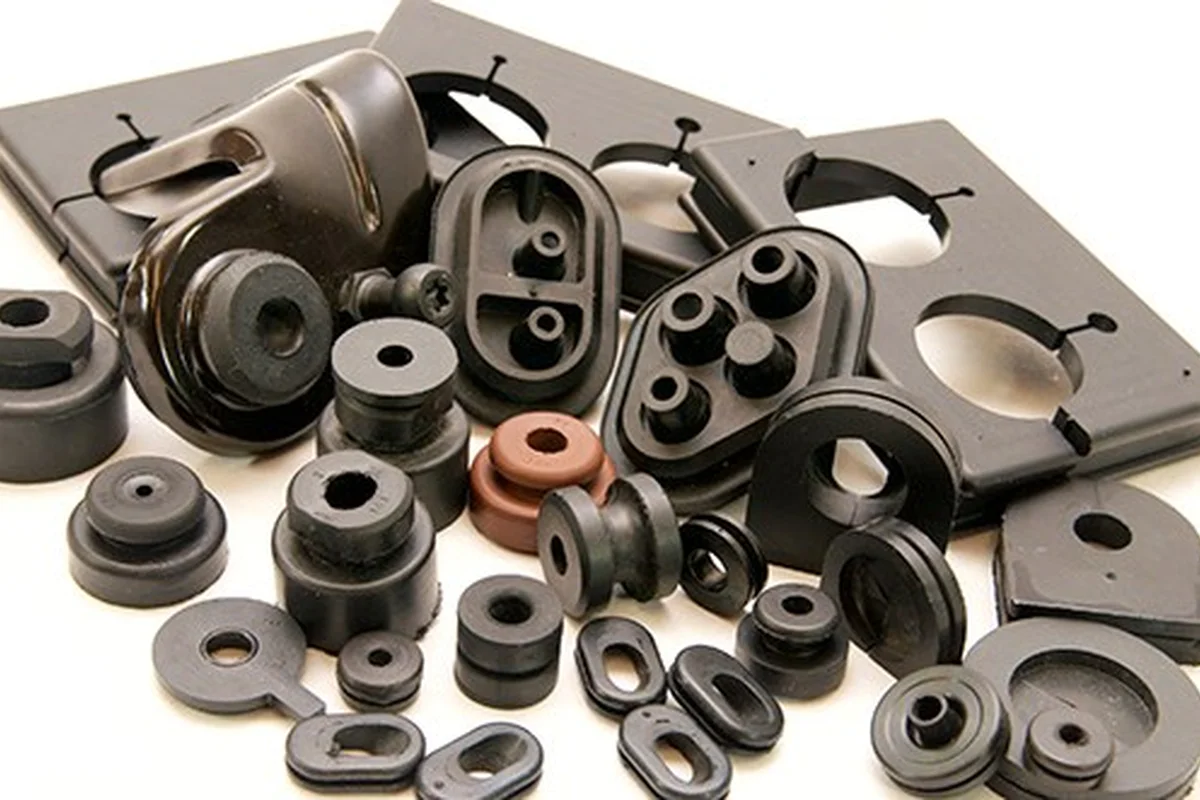
Rubber, Silicone and Sealing Components
Standard custom rubber molding yields structural gaskets, mechanical seals, bellows, and grommets that resist pressure spikes without deforming.
Related: OEM Manufacturing Explained: Everything Businesses Need to Know (2026)
Common Compression Molding Defects and Quality Problems
Maintaining high yields requires diagnosing root causes behind typical compression molding defects.
Flash and Excess Material
- Symptom: Excess resin squeezes out along the mold parting line.
- Root Cause: Overcharging material volume, worn land surfaces, or low clamping pressure.
- Fix: Calibrate charge weight accuracy and inspect mold land seals.
Voids and Air Entrapment
- Symptom: Internal gas pockets or surface bubbles.
- Root Cause: Trapped air during fast closing, insufficient press dwell time, or wet material.
- Fix: Add degassing cycles (briefly opening the press during closure) and dry raw charges thoroughly.
Warpage and Dimensional Variation
- Symptom: Part bows or twists out of tolerance during cooling.
- Root Cause: Non-uniform cooling channel temperatures or uneven wall thickness distribution.
- Fix: Rebalance mold cooling lines and adjust platen heat distribution.
Cracks, Delamination and Surface Defects
- Symptom: Flaking layers or surface micro-cracks upon ejection.
- Root Cause: Ejector pin imbalance, insufficient resin flow, or under-cured material.
- Fix: Extend cure dwell times and recheck mechanical ejector synchronization.
Incomplete Filling and Curing Problems
- Symptom: “Short shots” where cavity corners remain unfilled, or soft, tacky surfaces.
- Root Cause: Low press pressure, inadequate charge weight, or low platen temperatures.
- Fix: Raise cavity temperatures and increase total hydraulic clamping force.
How Manufacturers Control Compression Molding Quality
Leading providers deploy real-time cavity pressure sensors, automated charge weighing scales, and CMM dimensional inspections to guarantee zero-defect shipments.
Compression Molding Tooling and Equipment
Industrial production depends on heavy-duty, high-precision equipment designed to endure thermal cycling and continuous pressure.
Compression Mold Types and Construction
Molds are categorized by how they enclose and compress the material:
- Flash Molds: Simple cut land designs; excess material flows freely. Lowest tool cost, but requires extra trimming.
- Positive Molds: Material is fully trapped in the cavity with zero force escape. Provides exact part density, but charge weight must be precise.
- Semi-Positive Molds: Combines both designs; features a landed positive edge for controlled flash bleeding. Preferred for high-quality composite components.
Mold Materials and Tool Life
Tool longevity depends directly on steel grade selection:
- P20 Tool Steel: Ideal for moderate volume production runs of non-abrasive rubber or plastic compounds.
- H13 Hardened Steel: Required for abrasive glass-filled SMC/BMC materials; resists wear over hundreds of thousands of cycles.
- Aluminum Tooling: Used for quick prototype tooling runs where lower initial cost is preferred over tool life.
Compression Molding Presses and Equipment
A modern compression molding press uses hydraulic, servo-hydraulic, or electric rams to apply downward or upward force. Key specifications include clamping tonnage (ranging from 50 tons up to 5,000 tons), platen size, stroke distance, and heating options (electric cartridge, hot oil, or steam lines).
Tooling Tolerances and Maintenance
Regular tool maintenance—cleaning off resin buildup, inspecting ejector guide pins, and polishing Cavity faces—prevents downtime and extends total mold operating life.
How Tooling Design Affects Production Cost and Quality
Investing in multi-cavity hardened steel tooling lowers per-piece cost over long production runs by decreasing cycle times and eliminating post-mold finishing steps
How Much Does Compression Molding Cost?
Estimating manufacturing expenses requires balancing tooling development against unit material and labor requirements.
Tooling prices depend on cavity count, part size, complex side-action core mechanisms, steel grade choice, and surface finish polish requirements. Simple single-cavity rubber molds start around $2,000, while large multi-cavity hardened steel SMC molds can range from $25,000 to over $100,000.
Raw material selection impacts piece costs directly. Standard EPDM or PP compounds are inexpensive per pound, whereas specialty FKM rubbers, high-temp PEEK, or carbon fiber SMC sheets cost significantly more.
Since cycle times are longer compared to injection systems, total machine operating hours represent a higher portion of unit costs. Higher volume automation reduces direct labor expenses.
Automatic cryogenic deflashing, drill tapping, ultrasonic testing, and specialized packaging add incremental unit costs that must be calculated upfront.
How to Reduce Compression Molding Cost Without Sacrificing Quality
- Maintain uniform wall thickness to shorten cure dwell time.
- Add generous draft angles to speed up manual or automated ejection.
- Choose semi-positive mold designs to lower post-molding flash trimming work.
- Standardize core inserts across multiple product models.
What Information Is Needed for an Accurate Manufacturing Quote?
To request a precise project quote, prepare:
- 3D CAD files (STEP/IGES) and 2D engineering drawings with key tolerances.
- Target material specification or operating environment details.
- Estimated annual volume (EAV) and batch size requirements.
- Visual surface finish requirements and secondary finishing instructions.
Related: Original Design Manufacturing (ODM): Complete Guide for Businesses in 2026
Compression Molding for Prototyping and Mass Production
Moving smoothly from early concepts to full assembly line production requires clear validation milestones.
From Product Concept to Prototype
Early functional testing often uses 3D-printed patterns or soft aluminum prototype molds. Soft tooling allows engineering teams to validate physical shape, fit, and preliminary mechanical properties before committing to production steel tooling.
Design Validation and Tooling Development
Once prototype testing confirms geometry, engineers run mold flow simulations to optimize charge shapes and heating layouts before machining the primary steel mold.
Pilot Production and Process Validation
A pilot production run tests press settings, confirms exact compression molding cycle time, establishes real-world thermal parameters, and collects initial CMM dimensional inspection data.
Scaling Compression Molded Parts to Mass Production
Scaling up introduces automated charge cutting, robotic placement arms, integrated press control systems, and automated vision inspection stations to process orders fast.
Quality Assurance Before Full-Scale Production
First Article Inspection (FAI) reports, PPAP documentation, and Statistical Process Control (SPC) charting verify that components meet all engineering criteria before mass delivery starts.
How to Choose a Compression Molding Manufacturer
Selecting the right production partner ensures your project lands on schedule and within budget.
Manufacturing and Engineering Capabilities
Look for a partner that offers end-to-end support—from initial DFM engineering reviews to complete tool fabrication and mass production.
Material and Tooling Expertise
An experienced compression molding company understands how thermoset resins, elastomers, and long-fiber composites behave under pressure, helping you select optimal materials for long-term field use.
Quality Control and Inspection Systems
Ensure your supplier maintains rigorous inspection equipment, including Coordinate Measuring Machines (CMM), optical comparators, tensile strength testers, and durometer gages.
Prototype-to-Mass-Production Capability
A supplier capable of bridging low-volume prototype builds into high-volume manufacturing saves you the friction of transferring tooling midway through product launch.
Production Capacity and Supply Chain Management
Check press tonnage range, factory floor space, secondary machining tools, and raw material sourcing reliability to ensure your supplier scales alongside your demand growth.
Certifications and Industry Compliance
Verify essential quality management standards tailored to your market:
- ISO 9001: General Quality Management Systems
- IATF 16949: Automotive Industry Standards
- ISO 13485: Medical Device Quality Management
- RoHS / REACH: Material Environmental Compliance
Questions to Ask Before Selecting a Manufacturing Partner
- Do you perform in-house DFM reviews and tool design?
- What press tonnage options do you have available?
- How do you manage charge weight consistency and flash control?
- What quality certifications do you maintain?
OEM & ODM Compression Molding Services at Precintl
At Precintl, we deliver comprehensive OEM and ODM manufacturing solutions tailored to custom plastic, rubber, silicone, and composite components.
Product Design and DFM Support
Our senior engineering team works alongside your designers from day one. We evaluate CAD files, optimize wall profiles, specify draft angles, and perform mold flow analysis to eliminate defects before cutting metal.
Material Selection and Engineering Consultation
We maintain deep relationships with certified global polymer suppliers. Whether you need high-voltage electrical BMC, high-temp fluorosilicone, or high-impact automotive SMC, we guide you to the right balance of performance and piece price.
Prototype and Tooling Development
Precintl builds precision prototype dies and long-life production molds in-house. Our precision machining centers hold tight tooling tolerances, ensuring flawless surface finishes and dependable cavity matching.
Process Validation and Quality Inspection
Every production run follows strict quality control procedures. We provide comprehensive dimensional reports, material mill certificates, and functional test data to confirm full compliance with your specifications.
Pilot Production to Mass Manufacturing
We support you through every stage of growth—from low-volume pilot batches to continuous, high-volume production schedules.
Custom Compression Molded Components for Different Industries
Precintl manufactures custom solutions for leading global clients across automotive, industrial equipment, electronics, healthcare, and consumer goods markets.
Global OEM/ODM Manufacturing and Supply Chain Support
With integrated design, tooling, molding, secondary finishing, and international logistics services, Precintl simplifies your supply chain under one accountable roof.
Ready to Start Your Manufacturing Project?
Share your product requirements, drawings, or ideas with our engineering team and get professional manufacturing support from concept to production.
Why Partner With Precintl for Compression Molding Manufacturing?
Choosing Precintl as your compression molding services partner means accessing complete technical support, proven manufacturing reliability, and flexible global delivery.
We aren’t just a contract press facility—we act as an extended engineering arm. Our focus on early DFM consultation prevents costly design mistakes and accelerates time-to-market.
From turning white-paper concepts into full ODM products to fabricating high-precision parts based strictly on your OEM prints, we adapt to your preferred working style seamlessly.
Our strict quality framework inspects incoming raw resins, monitors real-time press parameters, and performs final CMM checks on finished components before packing.
Whether you need a short pilot run of complex silicone diaphragms or thousands of SMC structural panels every month, our agile facility scales to meet your schedule.
Eliminate vendor-chasing delays. Precintl handles initial design review, toolmaking, precision molding, deflashing, secondary assembly, and worldwide shipping through a single team.
Ready to optimize your next component launch? Contact the engineering team at Precintl today to request a detailed DFM review and competitive production quote!
Frequently Asked Questions About Compression Molding
01 What is compression molding used for?
Compression molding is widely used to manufacture high-strength structural panels, automotive body components, EV battery trays, industrial electrical switchgear, kitchen appliance handles, bio-compatible medical seals, and custom elastomeric O-rings.
02 What materials are suitable for compression molding?
Suitable materials include thermoset plastics (phenolics, epoxies, polyesters), fiber-reinforced composites (SMC and BMC), thermoplastics (polypropylene, UHMWPE, PEEK), natural and synthetic rubbers (EPDM, Nitrile, FKM), and liquid or high-consistency silicone.
03 Is compression molding cheaper than injection molding?
Compression molding tooling is usually less expensive than multi-cavity injection molds, making it cheaper for low-to-medium production volumes or large structural parts. However, for millions of tiny, highly intricate plastic items, injection molding offers faster cycle times that can yield lower unit costs overall.
04 How long does compression molding tooling take?
Prototype compression tooling typically takes 2 to 4 weeks to fabricate, while complex, multi-cavity hardened steel production molds take between 6 to 10 weeks depending on part geometry and surface polish requirements.
05 Is compression molding suitable for mass production?
Yes, when paired with automated charge preparation, robotic handling arms, and multi-cavity tooling setups, compression molding easily scales to deliver tens of thousands of identical components efficiently.
06 What factors determine compression molding cost?
Total costs are driven by part size and geometry complexity, tooling steel grade, cavity count, raw material compound selection, press cycle dwell time, secondary deflashing labor, and overall order volume.
07 How do I choose a compression molding manufacturer?
Select a manufacturer with proven engineering DFM capability, expertise in your required material compound, in-house tooling facilities, comprehensive CMM quality inspection systems, relevant ISO/IATF certifications, and a track record of supporting projects from prototype to mass production.